

Brigadier-General Alireza Elhami, Iran’s air defence commander, has issued a stark warning that "the threat is not over," asserting the nation’s unwavering readiness for "any kind of confrontation" both immediately and in the foreseeable future. This declaration comes amidst a deeply volatile period in the Middle East, marked by a recent surge in hostilities and mutual accusations of aggression between Iran and a coalition of Western and regional adversaries. The commander’s statement underscores Tehran’s resolve to maintain a high state of military alert and to respond forcefully to any perceived threats, signaling a potentially protracted period of instability.
The pronouncement by General Elhami follows a day of intense regional activity on September 2, 2026, where Iranian forces claimed to have launched targeted attacks against US military installations in the United Arab Emirates, Kuwait, Bahrain, and other unspecified countries in the region. These actions, according to Iranian state media, were direct retaliations for what Tehran described as "renewed American attacks" on the Islamic Republic. The specific nature and extent of these alleged American attacks remain subject to conflicting reports, but Iranian authorities have consistently vowed "severe consequences" for any perceived infringements on their sovereignty or security. The escalating tit-for-tat exchanges have plunged the region into a heightened state of alarm, prompting international calls for de-escalation while also raising fears of a broader, more devastating conflict.
A Deepening Crisis: The Chronology of Escalation
The current crisis, culminating in General Elhami’s defiant stance, has been brewing for weeks, if not months, in a region already fraught with geopolitical complexities. While specific details leading up to the September 2nd events are subject to official narratives from various parties, a general chronology can be inferred from the escalating rhetoric and reported incidents.
- Mid-August 2026: Reports from various intelligence agencies indicated a significant increase in aerial reconnaissance activities over Iranian airspace, attributed to both US and Israeli assets. Iran condemned these as provocative acts, vowing to intercept any unauthorized incursions.
- Late August 2026: A series of precision strikes, widely attributed to the United States and its allies, reportedly targeted several sites within Iran. While official details remain sparse, Iranian state media claimed these strikes hit non-military infrastructure, including a power substation and a pharmaceutical plant, causing civilian casualties. Western sources, however, maintained that the targets were directly linked to Iran’s missile and drone programs, or facilities suspected of involvement in regional proxy activities.
- August 30-31, 2026: Iran’s Revolutionary Guard Corps (IRGC) conducted extensive military exercises across its southern provinces, showcasing its latest drone and ballistic missile capabilities. General Elhami, during these exercises, reiterated Iran’s right to self-defense and warned against any further aggression.
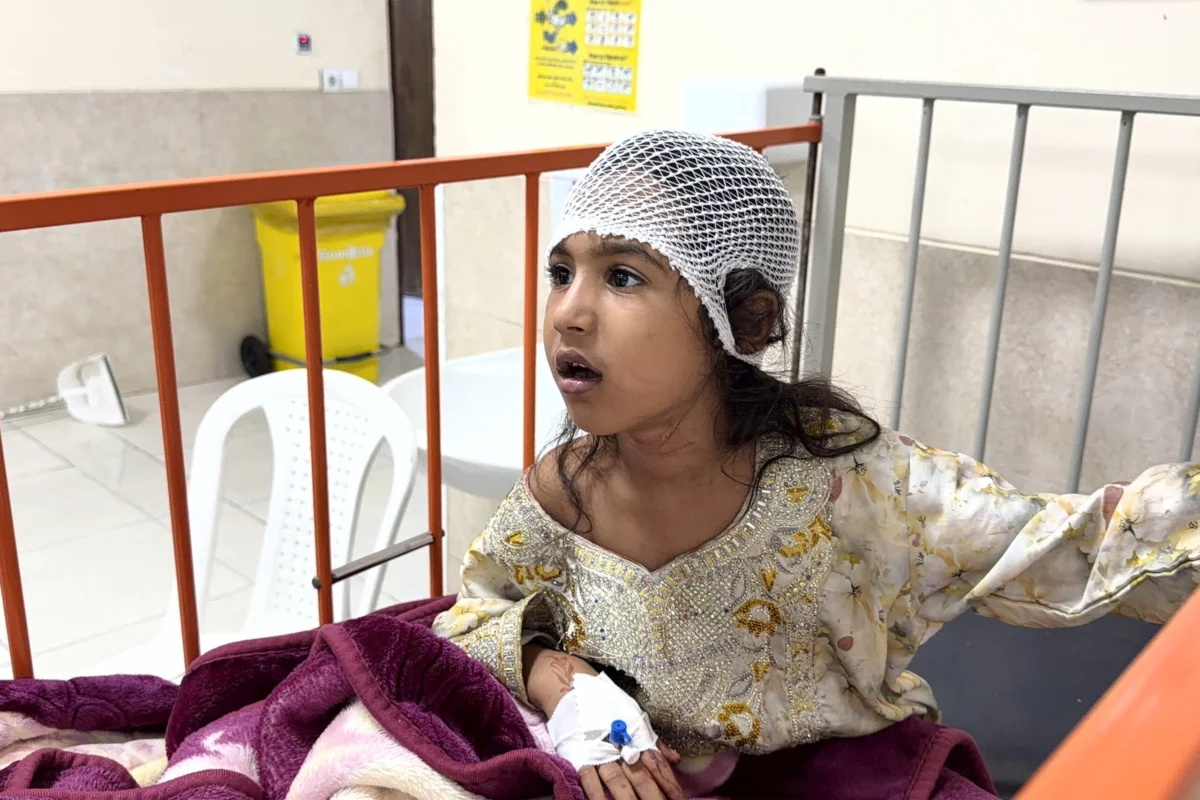
- September 1, 2026 (Overnight): An overnight strike hit the village of Kuhestak, in Iran’s southern Hormozgan province. The aftermath of this strike, as depicted in an image obtained by AFP from Iranian news agency Tasnim, showed a child receiving treatment in a hospital, underscoring the grim human cost of the conflict. Iranian officials immediately condemned this as an act of state terrorism, promising swift and decisive retaliation. While the perpetrator was not explicitly named by Iran, the timing and location suggested a direct response to previous Western-attributed actions.
- September 2, 2026 (Morning): In response to the Kuhestak incident and previous "renewed American attacks," Iranian forces announced a series of retaliatory strikes. State television and official news agencies reported successful engagements against "US military targets" in the UAE, Kuwait, Bahrain, and other unnamed Gulf states. While the precise nature of these targets and the extent of damage remain unconfirmed by independent sources, the claims themselves triggered immediate regional and international alarm.
- September 2, 2026 (Afternoon): Following the reported retaliatory strikes, Brigadier-General Alireza Elhami delivered his assertive statement, cementing Iran’s position that the conflict was far from over and that the country remained fully prepared for any future confrontation.
This sequence of events illustrates a dangerous pattern of escalation, where each action by one party is met with a forceful counter-response, pushing the region closer to a full-scale military confrontation.
Iran’s Strategic Calculus: A Defensive Yet Defiant Posture
General Elhami’s pronouncement is not merely a rhetorical flourish but reflects a deeply ingrained aspect of Iran’s military doctrine, particularly concerning its air defence capabilities. The statement, "the threat is not over," suggests that Iranian intelligence assesses ongoing or future attack plans against its territory. This perception drives Iran’s readiness for "any kind of confrontation," a broad term encompassing various forms of warfare, from conventional military engagements to asymmetric responses utilizing its vast arsenal of missiles, drones, and proxy forces.
Iran has historically invested heavily in its layered air defence systems, comprising domestically produced and reverse-engineered missile batteries, radar systems, and command-and-control networks. Its strategic depth and mountainous terrain provide natural defensive advantages, which its military planners have sought to augment with sophisticated anti-access/area denial (A2/AD) capabilities. For instance, reports suggest significant advancements in its S-300-equivalent systems and the development of new long-range radars, designed to detect and counter stealth aircraft and ballistic missiles.
The decision to target US military assets in allied Gulf states serves multiple purposes for Tehran. Firstly, it demonstrates a credible deterrent capability, signaling that Iran can project power beyond its borders and inflict costs on adversaries and their regional partners. Secondly, it aims to fracture regional alliances by raising the stakes for countries hosting foreign military bases. Thirdly, it caters to a domestic audience, bolstering national pride and demonstrating the government’s resolve in the face of external pressure. Iran’s leadership, having endured decades of sanctions and military threats, has consistently emphasized self-reliance and resistance as core tenets of its national security strategy.
United States and Allied Responses: Reaffirmation and Preparedness
In the wake of Iran’s claimed retaliatory strikes, official reactions from the United States and its regional allies were swift and unequivocal. While specific details regarding damage or casualties from the alleged Iranian attacks were initially scarce, the condemnations were immediate.
- United States: The Pentagon issued a statement condemning the "unprovoked acts of aggression" by Iran, reiterating its commitment to the security of its personnel and allies in the region. US Central Command (CENTCOM) confirmed that defensive measures were activated across its regional bases, including the deployment of Patriot missile batteries and enhanced air patrols. A senior US defense official, speaking anonymously, emphasized that any direct targeting of American personnel or assets would be met with "a decisive and proportional response," leaving open the possibility of further military action.
- United Arab Emirates, Kuwait, and Bahrain: These nations, confirmed targets of the alleged Iranian strikes, swiftly denounced the actions as a severe violation of their sovereignty and a dangerous escalation of regional tensions. Statements from their respective foreign ministries called for an immediate cessation of hostile acts and urged the international community to hold Iran accountable. They also reaffirmed their commitment to defense cooperation with the United States, indicating that the attacks would likely strengthen, rather than weaken, these strategic alliances.
- Israel: While not directly mentioned as a target in Iran’s immediate retaliatory claims, Israel’s security establishment remained on high alert. Israeli officials have long viewed Iran as their primary regional adversary, particularly concerning its nuclear program and support for proxy groups. Unnamed Israeli defense sources indicated that the country was closely monitoring the situation and coordinating with its strategic partners to ensure regional stability and deter further Iranian aggression. Israel’s advanced multi-layered missile defense system was reportedly on maximum readiness.
The US maintains a significant military footprint in the Gulf, including naval forces in Bahrain, air assets in Qatar and the UAE, and ground forces in Kuwait. The ability of Iran to reportedly target these facilities, even with limited success, raises serious questions about regional air defense effectiveness and the potential for a larger conflict to disrupt critical military operations.
The Human Cost: A Glimpse into the Suffering
The image from Tasnim, depicting an injured child in a hospital bed in Kuhestak, Hormozgan province, serves as a poignant reminder of the devastating human toll of escalating geopolitical tensions. Civilian casualties, often euphemistically termed "collateral damage," are an inevitable and tragic consequence of military actions. The overnight strike on Kuhestak, whether intentional or accidental, highlights the vulnerability of civilian populations caught in the crossfire.
Hormozgan province, located along Iran’s southern coast, is strategically significant due to its proximity to the Strait of Hormuz, a critical chokepoint for global oil shipments. While its geography makes it a potential military target, it is also home to numerous civilian communities. The strike on Kuhestak, regardless of its intended target, has brought the reality of conflict directly to Iranian homes, fueling public anger and resolve.
Beyond immediate casualties, prolonged conflict creates a cascade of humanitarian crises. Displacement of populations, disruption of essential services like healthcare and education, food insecurity, and psychological trauma become widespread. International humanitarian organizations have already expressed grave concerns about the potential for a large-scale humanitarian disaster should the conflict intensify, especially in a region already grappling with existing refugee crises and economic hardship. The global community’s focus often remains on military and political dimensions, but the suffering of civilians, like the child in Kuhestak, represents the true and lasting cost of such confrontations.
Regional Geopolitical Landscape and Alliances: A Shifting Balance
The latest escalation significantly impacts the delicate geopolitical balance in the Middle East. The Gulf Cooperation Council (GCC) states, particularly those hosting US military bases, find themselves directly embroiled in the conflict. Their historical security alliances with the US are now being tested, forcing them to weigh the benefits of deterrence against the risks of becoming direct targets in a US-Iran confrontation.
- GCC States: While condemning Iran, the direct targeting of their territories could prompt a nuanced response. They seek to avoid a full-blown war on their soil while upholding their security commitments. The attacks could solidify their alignment with the US or, conversely, lead to quiet diplomatic efforts to de-escalate and reduce their exposure.
- Saudi Arabia: As a regional rival of Iran, Saudi Arabia has voiced strong support for US actions to contain Tehran. However, a widespread conflict could destabilize the entire Arabian Peninsula, affecting its ambitious economic transformation plans.
- Iraq: Already a fragile state with significant US military presence and strong ties to Iran, Iraq finds itself in an unenviable position. Any escalation risks turning Iraq into a battleground for proxy conflicts, further undermining its sovereignty and stability.
- Maritime Security: The Strait of Hormuz, through which approximately 20% of the world’s petroleum and other liquids pass, remains a flashpoint. Any disruption to shipping lanes due to military activities or retaliatory measures by either side would have immediate and severe global economic repercussions. Naval forces from various international powers are present in the region, tasked with ensuring freedom of navigation, but their presence also raises the potential for unintended confrontations.
The escalating tensions also have implications for various proxy conflicts in the region, including those in Yemen, Syria, and Lebanon. Iran’s network of allied non-state actors could be activated, expanding the conflict geographically and in its nature, potentially overwhelming regional security apparatuses.
International Reactions and Diplomatic Efforts: Calls for Restraint
The international community has reacted with widespread alarm to the escalating hostilities. Global powers and multilateral organizations have issued urgent calls for de-escalation, dialogue, and restraint, fearing the catastrophic consequences of a full-scale regional war.
- United Nations: UN Secretary-General Antonio Guterres expressed deep concern over the reports of escalating military actions, urging all parties to exercise maximum restraint and abide by international law. The UN Security Council held an emergency session, with various member states calling for a diplomatic resolution and expressing fear that the conflict could spiral out of control. However, divisions among permanent members, particularly between the US and its allies on one side, and Russia and China on the other, hindered any concrete resolution or unified action.
- European Union: The EU High Representative for Foreign Affairs and Security Policy issued a statement condemning all acts of aggression and urging an immediate cessation of hostilities. The EU has historically sought to preserve the Iran nuclear deal (JCPOA) and promote diplomatic engagement, but the latest escalation threatens to derail these efforts entirely. European leaders have emphasized the need for a diplomatic off-ramp, fearing a refugee crisis and economic fallout that would directly impact Europe.
- Russia and China: While echoing calls for de-escalation, both Russia and China have adopted a more nuanced stance. They have criticized what they perceive as Western unilateralism and interference in the region, while also urging Iran to exercise restraint. Their strategic interests lie in maintaining regional stability, but also in challenging US hegemony and fostering multipolar international relations. They have positioned themselves as potential mediators, though their effectiveness in such a highly charged environment remains uncertain.
Despite these international appeals, the immediate prospects for de-escalation appear dim, given the hardened positions and reciprocal military actions taken by the primary belligerents. The lack of direct communication channels between the US and Iran, particularly in a crisis, further complicates diplomatic efforts.
Economic Ramifications: A Global Shockwave
A prolonged and expanded conflict in the Middle East, particularly one involving Iran and the Gulf states, would send shockwaves through the global economy. The immediate and most significant impact would be on energy markets.
- Oil Prices: Any disruption to oil production or transit through the Strait of Hormuz would cause crude oil prices to surge dramatically. A significant portion of the world’s oil supply transits this narrow waterway, and any threat to its security, whether from direct military action or the laying of naval mines, would trigger panic in global markets. Analysts predict that prices could reach unprecedented levels, potentially leading to a global recession.
- Shipping and Trade: Beyond oil, the region is a vital hub for international trade. Disruptions to shipping lanes, increased insurance premiums for cargo, and the rerouting of vessels would severely impact global supply chains, leading to higher consumer prices and reduced economic activity worldwide.
- Financial Markets: Stock markets globally would react with extreme volatility, driven by uncertainty and fear. Investors would seek safe-haven assets, leading to capital flight from emerging markets and a general downturn in global investment.
- Cost of Conflict: For the involved nations, the financial burden of sustained military operations, rebuilding infrastructure, and managing humanitarian crises would be immense, potentially leading to long-term economic instability and increased national debt.
The economic implications extend far beyond the region, threatening to undermine the fragile recovery of the global economy from recent challenges.
Analysis: Prospects for De-escalation or Further Conflict
Brigadier-General Elhami’s statement, viewed against the backdrop of recent events, paints a picture of a nation bracing for a protracted struggle. The "threat is not over" implies a belief within Iran’s military leadership that external pressures and military actions against them will continue. Their readiness for "any kind of confrontation" suggests a broad strategic approach that does not limit responses to conventional military means, potentially including cyberattacks, support for regional proxies, and economic warfare.
The current situation is characterized by a dangerous feedback loop of action and reaction. For de-escalation to occur, a clear off-ramp would be required, likely involving international mediation and a cessation of all offensive military actions. However, the deep mistrust and historical grievances between Iran, the US, and its allies make such a diplomatic breakthrough exceedingly difficult.
The implications for global security are profound. A regional conflict of this magnitude would not only destabilize the Middle East but also have far-reaching consequences for international relations, global trade, and energy security. The "new normal" in the region appears to be one of persistent tension, intermittent flare-ups, and the constant threat of a wider war. The statements from Iran’s air defence commander serve as a stark reminder of the precarious balance of power and the ever-present danger of miscalculation in one of the world’s most volatile regions. The coming days and weeks will be critical in determining whether the international community can collectively pull the region back from the brink of a devastating conflict.
