

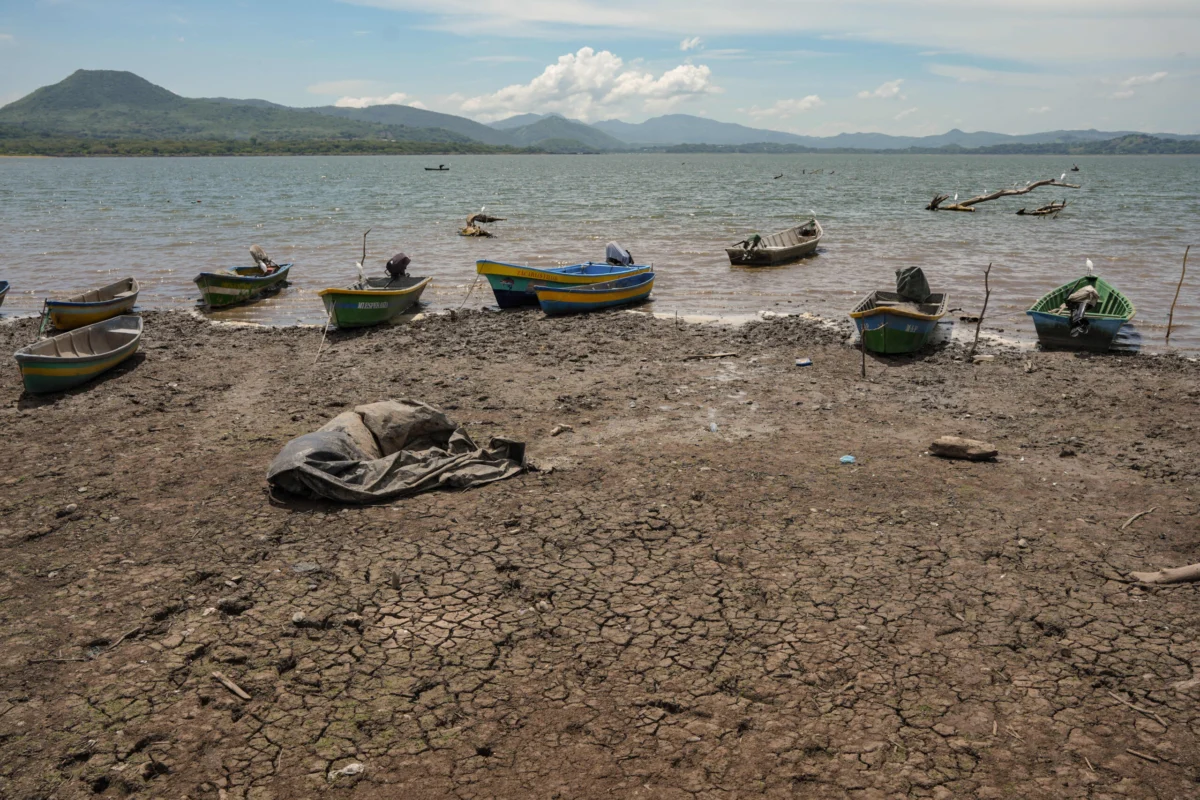
The El Niño climate phenomenon has escalated into a "supersized" event, poised to persist until February 2027, according to a stark warning issued by the United Nations on Thursday. This prolonged and intensified El Niño cycle carries a heightened risk of widespread floods, devastating droughts, and extreme heat across numerous nations, posing a significant threat to global communities and economies.
Escalating Threat and Global Ramifications
Celeste Saulo, Secretary-General of the UN’s World Meteorological Organization (WMO), underscored the gravity of the situation, stating that El Niño "has the potential to deliver a massive blow to communities and economies across the world." She further elaborated, "We are already seeing disruption and devastation from droughts and floods, and we expect these impacts to increase as El Niño intensifies."
While countries in the Asia-Pacific and Latin America regions are anticipated to bear the brunt of the immediate impacts, the global repercussions will be far-reaching. The event is expected to significantly affect commodity markets, impacting essential goods ranging from staple crops like corn and rice to high-demand products such as cocoa and coffee, and even influencing global energy supplies.
The immediate consequences are already manifesting in several regions. Central American nations like Guatemala, Honduras, and El Salvador are grappling with erratic weather patterns and severe drought conditions. An August report by Oxfam directly linked these climatic disruptions to El Niño, highlighting significant crop losses that are exacerbating food insecurity in these already vulnerable areas. Simultaneously, Indonesia is battling devastating wildfires, a phenomenon often exacerbated by dry conditions intensified by El Niño.
In Asia, India is bracing for a potentially weaker monsoon season, a development directly attributed to the strengthening El Niño. This is projected to negatively impact the growth of crucial agricultural outputs, including rice, sugar, cotton, and soybeans, with potential ripple effects on global food prices and availability. Further south, officials in Peru have reported a "devastating blow" to the anchovy fishing industry. Anchovies are a vital component in livestock feed, and a decline in their catch could lead to increased costs for meat and dairy production worldwide.

El Niño’s Economic Footprint: Beyond Agriculture
The economic fallout from this "supersized" El Niño is not confined to the agricultural sector. Extreme weather events are anticipated to create unpredictable effects on energy generation and demand. Hydropower output could be curtailed due to reduced water levels in reservoirs, while the efficiency of wind and solar power generation might be compromised by shifting weather patterns. Furthermore, oil and gas production and refining operations, as well as mining activities, could face disruptions due to extreme weather conditions, leading to potential supply chain bottlenecks and price volatility.
UN Secretary-General António Guterres articulated the escalating concern, observing that El Niño was being "supersized before our eyes." He issued a dire assessment of the global climate situation, stating, "The world is in the danger zone of extreme weather. The race now is between rising risks and our commitment to take climate action and protect people. We must win that race." This call to action emphasizes the urgent need for coordinated global efforts to mitigate the impacts of climate change and adapt to the inevitable consequences of phenomena like El Niño.
Understanding El Niño: A Cyclical Phenomenon
El Niño is a naturally occurring climate pattern characterized by a significant warming of the sea surface temperatures in the tropical eastern Pacific Ocean. This warming is defined as exceeding the long-term average by at least 0.5 degrees Celsius. The WMO’s latest research indicates that sea surface temperatures in July surpassed this threshold, measuring more than 2 degrees Celsius above normal. This anomaly persisted from late July to mid-August, with temperatures ranging between 2.2 and 2.6 degrees Celsius above average. Alarmingly, subsurface ocean temperatures have shown even more extreme warmth, exceeding 8 degrees Celsius above average during July and early August.
The term "El Niño," meaning "little boy" in Spanish, refers to the appearance of unusually warm water in the Pacific Ocean around Christmas time. This phenomenon oscillates with its counterpart, La Niña, meaning "little girl," which is characterized by cooler-than-average sea surface temperatures in the same region. These cycles typically occur every two to seven years and are part of a larger climate pattern known as the El Niño-Southern Oscillation (ENSO).
Historical Context and Previous Impacts
The El Niño-Southern Oscillation (ENSO) is a recurring climate pattern that profoundly influences weather across the globe. While El Niño and La Niña are the warm and cool phases of ENSO, respectively, the neutral phase also exists. The frequency and intensity of ENSO events have varied throughout history, with some El Niño episodes being more potent than others, leading to more significant global impacts.
For instance, the 2015-2016 El Niño is considered one of the strongest on record, contributing to widespread droughts, severe flooding, and significant agricultural losses in various parts of the world. This event led to a global decline in agricultural yields, contributing to food price spikes and increased food insecurity in vulnerable regions. It also triggered widespread wildfires, particularly in Indonesia and Australia, due to the prolonged dry conditions. The economic cost of that El Niño was estimated to be in the tens of billions of dollars, underscoring the potential for such events to destabilize economies.

The current "supersized" El Niño’s prolonged duration, potentially extending into early 2027, suggests that its cumulative impact could surpass previous events. The extended period of heightened sea surface temperatures in the Pacific is likely to amplify its effects on atmospheric circulation patterns, leading to more persistent and severe weather anomalies globally.
Data and Scientific Projections
The WMO’s detailed analysis provides crucial data points on the intensity of the current El Niño event. The sustained and significant deviation of sea surface temperatures from the long-term average, both at the surface and at deeper ocean levels, is a strong indicator of its strength. These elevated temperatures in the Pacific act as a heat source that influences global weather patterns, disrupting the normal flow of jet streams and altering precipitation patterns.
Scientific models predict a global temperature increase as a direct consequence of El Niño, exacerbating existing warming trends. The World Meteorological Organization has previously stated that El Niño events typically contribute to warmer global average temperatures in the year following their onset. This means that even after the current El Niño subsides, its lingering effects could contribute to record-breaking global temperatures in the subsequent years, further intensifying climate change impacts.
The WMO’s projections are based on sophisticated climate models that analyze various atmospheric and oceanic indicators. These models have consistently shown a high probability of a strong to very strong El Niño developing and persisting. The unprecedented warmth observed in the subsurface oceans is a particular cause for concern, as it indicates a substantial reservoir of heat that can fuel the atmospheric anomalies associated with El Niño for an extended period.
Official Responses and International Cooperation
The UN’s pronouncements highlight a growing international concern and a call for proactive measures. The World Meteorological Organization, as the leading authority on global weather and climate, plays a critical role in monitoring El Niño and providing early warnings to member states. Its regular bulletins and assessments are crucial for informing policy decisions and disaster preparedness efforts.
The UN Secretary-General’s urgent plea for climate action underscores the interconnectedness of El Niño with broader climate change challenges. While El Niño is a natural climate pattern, its impacts are amplified by human-induced global warming. This dual threat requires a comprehensive approach that addresses both the immediate impacts of the current event and the long-term imperative of reducing greenhouse gas emissions.

International organizations like the Food and Agriculture Organization (FAO) of the UN are also closely monitoring the situation, particularly its implications for global food security. The FAO is likely to be involved in coordinating efforts to support affected nations in bolstering their agricultural resilience and ensuring the availability of essential food supplies.
The International Monetary Fund (IMF) and the World Bank are also expected to assess the economic implications of El Niño, particularly for developing countries that are more vulnerable to climate shocks. They may play a role in providing financial assistance and technical support to help these nations cope with the economic fallout and invest in climate adaptation strategies.
Broader Implications and Future Outlook
The "supersized" El Niño serves as a stark reminder of humanity’s vulnerability to climate variability and change. Its projected persistence until early 2027 means that the global community must brace for a prolonged period of heightened climate risks. This necessitates a renewed focus on disaster risk reduction, strengthening early warning systems, and investing in climate-resilient infrastructure.
The economic implications extend beyond immediate commodity price fluctuations. Persistent extreme weather can disrupt trade routes, damage critical infrastructure, and lead to increased humanitarian crises, all of which carry substantial economic costs. The strain on national budgets, particularly in developing countries, could be significant as governments grapple with disaster relief, reconstruction efforts, and the need to support affected populations.
The long-term outlook suggests that the intensification of extreme weather events, whether driven by natural cycles like El Niño or by the overarching trend of climate change, will continue to be a defining challenge of the 21st century. The current El Niño event, therefore, is not merely a temporary anomaly but a significant indicator of the escalating climate risks that lie ahead. Winning the "race" against rising risks, as urged by Secretary-General Guterres, will require unprecedented levels of global cooperation, ambitious climate action, and a commitment to building a more resilient and sustainable future. The economic and social well-being of billions hinges on the world’s ability to effectively respond to these formidable challenges.
