


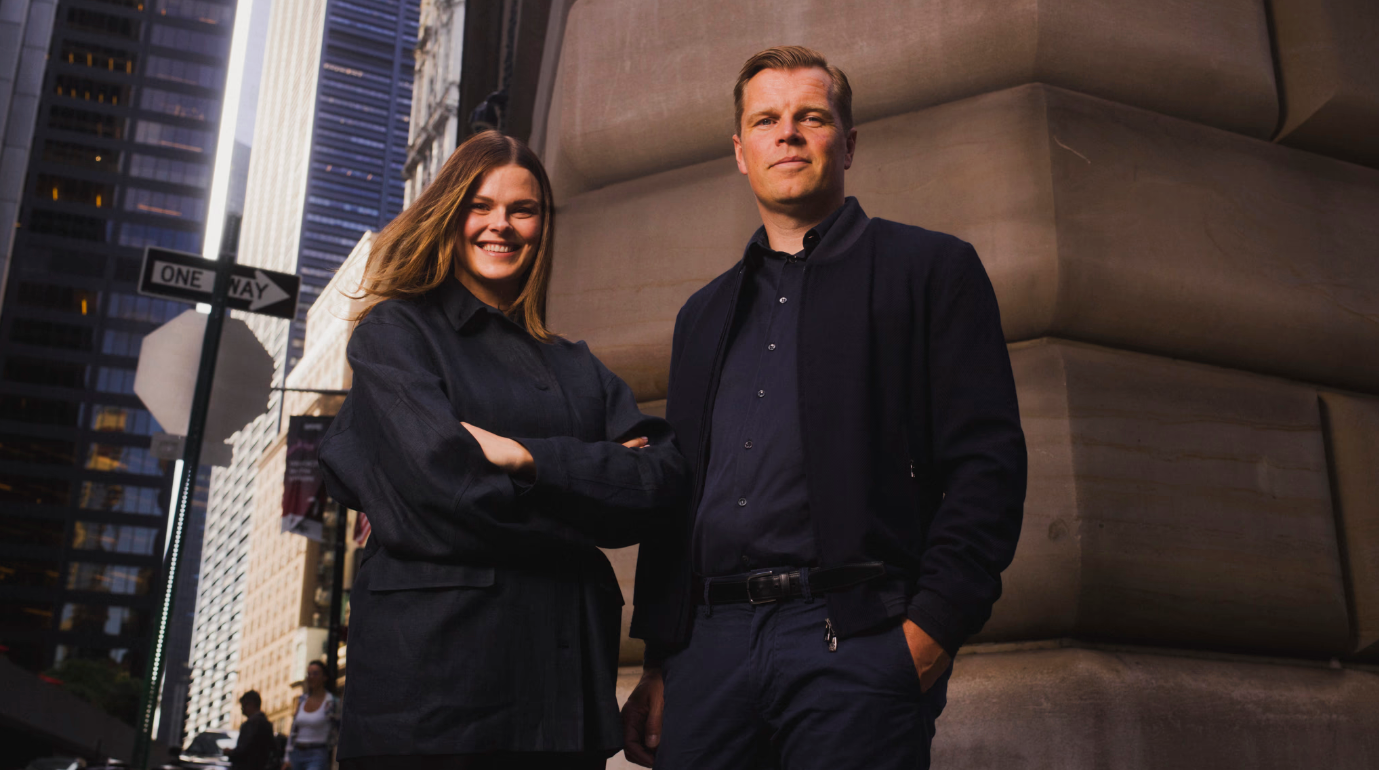
The founders of the groundbreaking electric and autonomous vehicle company Einride, Robert Falck and Linnéa Kornehed Falck, have officially launched Navisalma, a new venture platform poised to significantly impact the European technology and sustainability landscape. The initiative, revealed through a recent announcement, signals a strategic diversification of their entrepreneurial efforts beyond the realm of freight mobility. While specific details regarding Navisalma’s initial focus areas and investment targets remain under wraps, the involvement of its prominent founders suggests a strong emphasis on scalable, innovative solutions addressing critical challenges within the European market.
Navisalma: A New Chapter for Einride’s Visionaries
The establishment of Navisalma marks a significant milestone for Robert Falck and Linnéa Kornehed Falck, who have garnered international acclaim for their pioneering work with Einride. Since its inception in 2016, Einride has disrupted the logistics sector with its vision of an electrified and autonomous future for freight transportation. The company’s innovative approach, which includes autonomous electric trucks and a digital platform for managing freight, has positioned it as a leader in the transition towards more sustainable and efficient supply chains. The launch of Navisalma suggests an expansion of their entrepreneurial vision, potentially seeking to replicate their success in other high-impact technology sectors.
While Einride continues to grow and expand its operations globally, the creation of Navisalma indicates a desire to foster innovation across a broader spectrum. The venture platform is expected to leverage the founders’ extensive experience in building and scaling technology-driven businesses, their deep understanding of European market dynamics, and their commitment to sustainable development. The timing of this announcement also coincides with a period of heightened interest and investment in European technology startups, particularly those focused on deep tech, climate solutions, and digital transformation.
Strategic Vision and Potential Focus Areas
The precise investment thesis and operational scope of Navisalma are not yet fully disclosed. However, based on the founders’ previous ventures and the current economic climate, several key areas can be inferred as potential focal points. These might include:
- Sustainable Technologies: Given Einride’s core mission, it is highly probable that Navisalma will prioritize investments in companies developing solutions for decarbonization, circular economy models, renewable energy technologies, and sustainable materials. This aligns with the European Union’s ambitious Green Deal objectives and the growing demand for environmentally conscious business practices.
- Digital Transformation and AI: The success of Einride is intrinsically linked to its advanced digital platform and data analytics capabilities. Navisalma could therefore seek out startups that are innovating in areas such as artificial intelligence, machine learning, big data, and enterprise software solutions that drive efficiency and productivity across various industries.
- Future of Mobility and Logistics: While Einride has addressed freight mobility, Navisalma might explore other facets of transportation and logistics, including smart city solutions, urban mobility, advanced manufacturing for mobility, or innovative battery technologies.
- Deep Tech and Industrial Innovation: The founders’ background in engineering and complex technological systems suggests a potential interest in deep tech ventures that address fundamental scientific or engineering challenges, leading to disruptive innovations in industrial processes, automation, or advanced materials.
- European Market Focus: The explicit mention of "European venture platform" indicates a strategic intent to nurture and support the European startup ecosystem. This could involve a focus on companies headquartered in Europe, or those with significant operations and growth potential within the continent.
Background and Context: The Rise of Einride and the European Tech Scene
Einride’s journey began in 2016 when Robert Falck, an engineer with a background in automotive and transport, envisioned a future where freight transportation was entirely electric and autonomous. He was later joined by Linnéa Kornehed Falck, who brought crucial business acumen and operational expertise to the venture. Together, they navigated the complex regulatory and technological hurdles to bring their vision to life.
Einride’s milestones include:
- 2017: First autonomous electric semitruck prototype unveiled.
- 2018: First commercial deployment of an autonomous electric semitruck for a Swedish grocery chain.
- 2020: Secured significant funding rounds, enabling international expansion.
- 2021-Present: Expansion into key markets like the United States and Germany, partnerships with major logistics players, and continuous development of their technology and service offerings.
The launch of Navisalma occurs against a backdrop of a dynamic and increasingly sophisticated European technology landscape. Venture capital investment in European startups has seen a significant surge in recent years, driven by a growing number of successful exits, a maturing ecosystem of accelerators and incubators, and a strong talent pool. However, challenges remain, including the need for more significant later-stage funding and a more unified approach to innovation across different member states. Navisalma’s establishment could provide a crucial injection of capital and strategic guidance for promising European ventures.
Implications and Analysis
The formation of Navisalma by the Einride founders carries several significant implications for the European venture capital and technology sectors:
- Catalyst for Innovation: The venture platform’s expertise and network are likely to attract high-quality deal flow and provide invaluable mentorship to portfolio companies. This could accelerate the development and scaling of innovative solutions addressing critical European challenges.
- Focus on Sustainability: A dedicated platform from prominent figures in sustainable mobility signals a strong signal to the market about the growing importance and investment potential of climate tech and other environmentally focused ventures. This could inspire further investment and entrepreneurship in this crucial sector.
- Strengthening the European Ecosystem: By focusing on European ventures, Navisalma contributes to the growth and competitiveness of the region’s startup ecosystem. This can lead to the creation of jobs, the development of new technologies, and increased economic prosperity.
- Diversification of Investment Strategies: The move suggests a potential shift or expansion in how successful tech entrepreneurs deploy their capital and expertise, moving beyond operational roles to become active investors and ecosystem builders.
The success of Navisalma will likely hinge on its ability to identify and nurture companies with strong technological foundations, scalable business models, and a clear vision for addressing market needs. The founders’ track record with Einride provides a strong foundation of credibility and a proven ability to execute ambitious projects.
Future Outlook and Next Steps
While the initial announcement of Navisalma is deliberately broad, the venture platform is expected to reveal more concrete details about its investment strategy, target sectors, and initial portfolio companies in the coming months. Industry observers will be keenly watching for announcements regarding specific funding rounds, strategic partnerships, and the types of challenges Navisalma aims to tackle.
The establishment of Navisalma represents a significant development, underscoring the continued innovation and ambition of Europe’s technology leaders. As the platform matures, its impact on fostering new ventures and driving technological progress across the continent will become increasingly evident. The journey of Navisalma, spearheaded by the visionaries behind Einride, promises to be a compelling chapter in the ongoing evolution of European entrepreneurship and innovation.
