

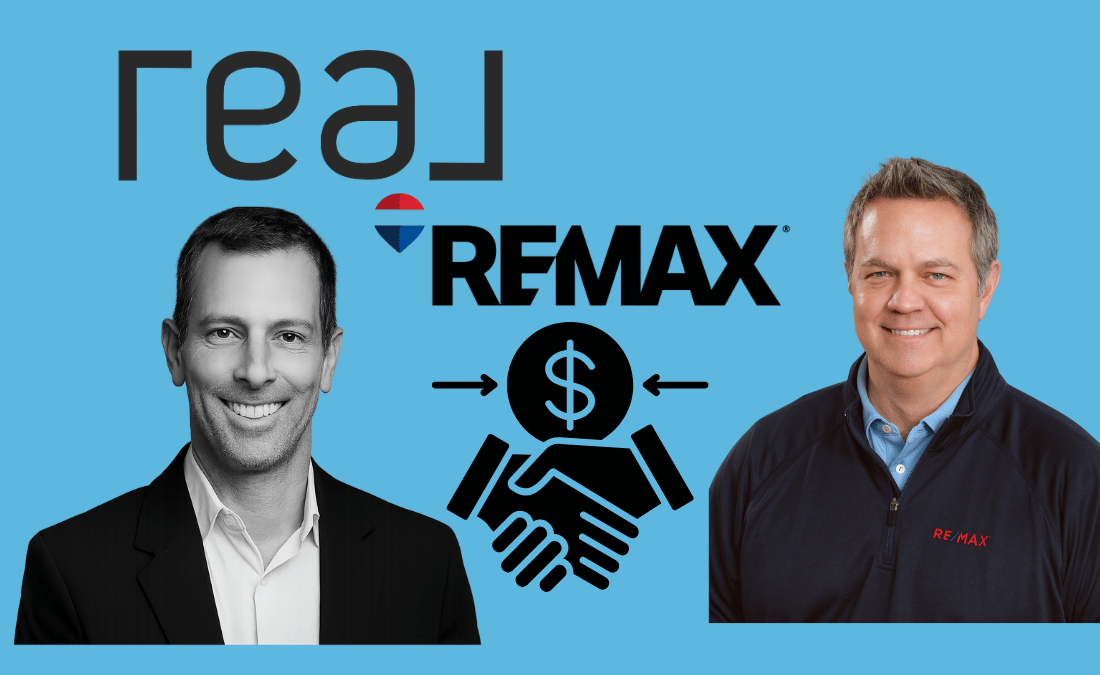
The Real Brokerage Inc. has officially received final court approval from the Supreme Court of British Columbia for its proposed acquisition of RE/MAX Holdings, representing a monumental shift in the North American real estate landscape. This judicial green light, announced on Friday, serves as one of the final hurdles in a complex cross-border merger that seeks to combine the technological agility of a cloud-based brokerage with the established global footprint of a legacy real estate franchisor. Following the court’s decision, the companies have indicated that they anticipate the transaction will officially close on Monday, August 24, provided that the remaining customary closing conditions are either satisfied or waived by the participating parties.
This acquisition is the culmination of a multi-month negotiation process that first came to public light in late April. The arrangement, which was subsequently amended in June, outlines a comprehensive plan of merger between Real and RE/MAX Holdings. The deal has been watched closely by industry analysts and investors alike, as it signals a period of rapid consolidation within the brokerage sector, driven by a desire for scale and integrated technology stacks. On August 14, 2026, shareholders from both The Real Brokerage and RE/MAX Holdings met in separate special meetings to cast their votes, overwhelmingly approving the combination and signaling strong investor confidence in the long-term synergies promised by the newly formed Real RE/MAX Group.
The Financial Framework and Shareholder Elections
The financial underpinnings of the $880 million transaction reflect the complexities of modern corporate mergers. According to recent disclosures, the acquisition involves a mix of cash and stock, a structure designed to provide RE/MAX shareholders with immediate liquidity while allowing them to participate in the potential upside of the combined entity’s future growth. However, the appetite for cash among RE/MAX shareholders proved to be higher than initially projected. On the Thursday preceding the court approval, it was announced that shareholder elections for cash payments had exceeded the deal’s established cash cap.
As a result of this high demand, a proration mechanism has been triggered. This means that shareholders who elected to receive their payment entirely in cash will instead receive a proportionate mix of cash and The Real Brokerage stock. Proration is a common feature in large-scale acquisitions where the acquiring company seeks to maintain a specific balance on its debt-to-equity ratio while still satisfying the exit requirements of the target company’s investors. For RE/MAX shareholders, this development underscores the perceived value of the transaction, even as it necessitates a more complex distribution of assets.
Regulatory Clearance and Antitrust Oversight
One of the most significant milestones in the merger process occurred in mid-July, when the United States Department of Justice (DOJ) granted the companies an early termination of the waiting period required under the Hart-Scott-Rodino (HSR) Antitrust Improvements Act. The HSR Act is a critical component of federal antitrust law, designed to prevent mergers that could significantly diminish competition within a specific market. By requiring companies to notify both the DOJ and the Federal Trade Commission (FTC) before finalizing large-scale acquisitions, the government ensures it has the opportunity to review the potential impact on consumers and industry health.
The early termination of the HSR waiting period is often viewed as a "clean bill of health" from federal regulators, suggesting that the DOJ found no immediate grounds to challenge the merger on anti-competitive bases. In an era where the real estate industry is facing intense scrutiny regarding commission structures and market dominance, the relatively smooth regulatory path for the Real-RE/MAX merger is noteworthy. It suggests that the combination of a tech-centric brokerage like Real and a traditional franchisor like RE/MAX is viewed more as a vertical or complementary integration rather than a monopolistic consolidation of market power.
A Timeline of the Merger Process
The path to the Real RE/MAX Group has been defined by a series of strategic steps beginning in early 2026. The initial announcement in late April set the stage, identifying Real as the aggressor in an $880 million bid to acquire one of the most recognizable names in global real estate. By June, the parties had amended the arrangement agreement to refine the financial terms and integration timelines, ensuring that both organizations were aligned on the post-close operational structure.
Following the regulatory clearance in July, the focus shifted to shareholder engagement. The special meetings held on August 14 served as the democratic validation of the deal, with both sets of shareholders recognizing the potential for increased market share. The final court approval in British Columbia, necessitated by the cross-border nature of the entities and the legal structure of the arrangement, provides the necessary legal certainty to move toward the August 24 closing date. This timeline reflects a disciplined approach to M&A, moving from announcement to anticipated close in approximately four months.
Leadership Transitions and the Real RE/MAX Group
Central to the success of the new organization is the leadership team tasked with navigating the integration. The Real Brokerage, led by CEO Tamir Poleg, has confirmed a significant reshuffling of the executive suite to accommodate the strengths of both legacy organizations. Erik Carlson, the current CEO of RE/MAX Holdings, has announced his intention to step down from his executive post upon the closing of the acquisition. However, his experience will not be lost to the company, as he is slated to join the Real RE/MAX Board of Directors, providing continuity and strategic oversight during the transition period.
The operational helm of the newly formed Real RE/MAX Group will be occupied by Jenna Rozenblat, who will serve as President. Rozenblat is currently the Chief Operating Officer of The Real Brokerage and has been acting as the Chief Integration Officer for the duration of the merger proceedings. Her dual role has allowed her to gain an intimate understanding of RE/MAX’s internal structures while maintaining the technological momentum of Real. As President, Rozenblat will be responsible for harmonizing the two corporate cultures—one rooted in a traditional franchise model and the other in a modern, agent-centric cloud platform.
Strategic Implications for the Real Estate Industry
The acquisition of RE/MAX by The Real Brokerage represents a fundamental shift in how real estate companies view growth. Historically, the industry was divided between traditional "brick-and-mortar" franchises and emerging "virtual" brokerages. By bringing RE/MAX under the Real umbrella, the combined entity creates a hybrid model that leverages the massive brand recognition and agent count of RE/MAX with the high-margin, low-overhead technology of Real.
For agents, the merger promises an enhanced suite of tools. Real has built its reputation on a proprietary technology platform that streamlines transactions and provides agents with real-time data. Integrating this technology into the RE/MAX network could revitalize the legacy brand’s value proposition, helping it to compete more effectively with other tech-forward firms like eXp Realty or Compass. Furthermore, the "Real RE/MAX Group" will likely benefit from significant economies of scale, allowing for more aggressive marketing spends and a more robust support infrastructure for its thousands of associates worldwide.
Unanswered Questions and Integration Challenges
Despite the progress made toward the August 24 closing, several questions remain regarding the long-term integration of the two brands. As of Friday’s announcement, the companies have not provided granular details on potential brand changes or how they plan to handle operational overlaps. In many large-scale mergers, the consolidation of back-office functions, such as marketing, legal, and accounting, can lead to significant cost savings but also poses risks to corporate culture and employee retention.
There is also the question of how RE/MAX’s independent franchise owners will react to the new ownership. The franchise model relies heavily on the relationship between the franchisor and the local owner. If the transition to the Real RE/MAX Group is perceived as altering the fundamental economics or autonomy of these franchises, the new leadership may face resistance. However, Jenna Rozenblat’s appointment as President suggests that the firm is prioritizing an integration strategy that values operational stability as much as technological advancement.
Market Reaction and Future Outlook
The broader real estate market is currently navigating a period of uncertainty, characterized by fluctuating interest rates and a shifting regulatory environment following recent settlements regarding agent commissions. In this context, the Real-RE/MAX merger is a bold bet on the future of the brokerage business. By consolidating resources, the Real RE/MAX Group is positioning itself to weather market volatility through a diversified revenue stream that includes both franchise fees and direct brokerage operations.
Investors will be watching the August 24 closing closely, looking for signs of a smooth transition. If successful, this merger could serve as a blueprint for future consolidation in the industry, proving that legacy brands and modern tech platforms are more powerful together than they are apart. For now, the final court approval in British Columbia stands as a clear signal that the era of the Real RE/MAX Group has officially begun, marking a new chapter in the evolution of the global property market.
