

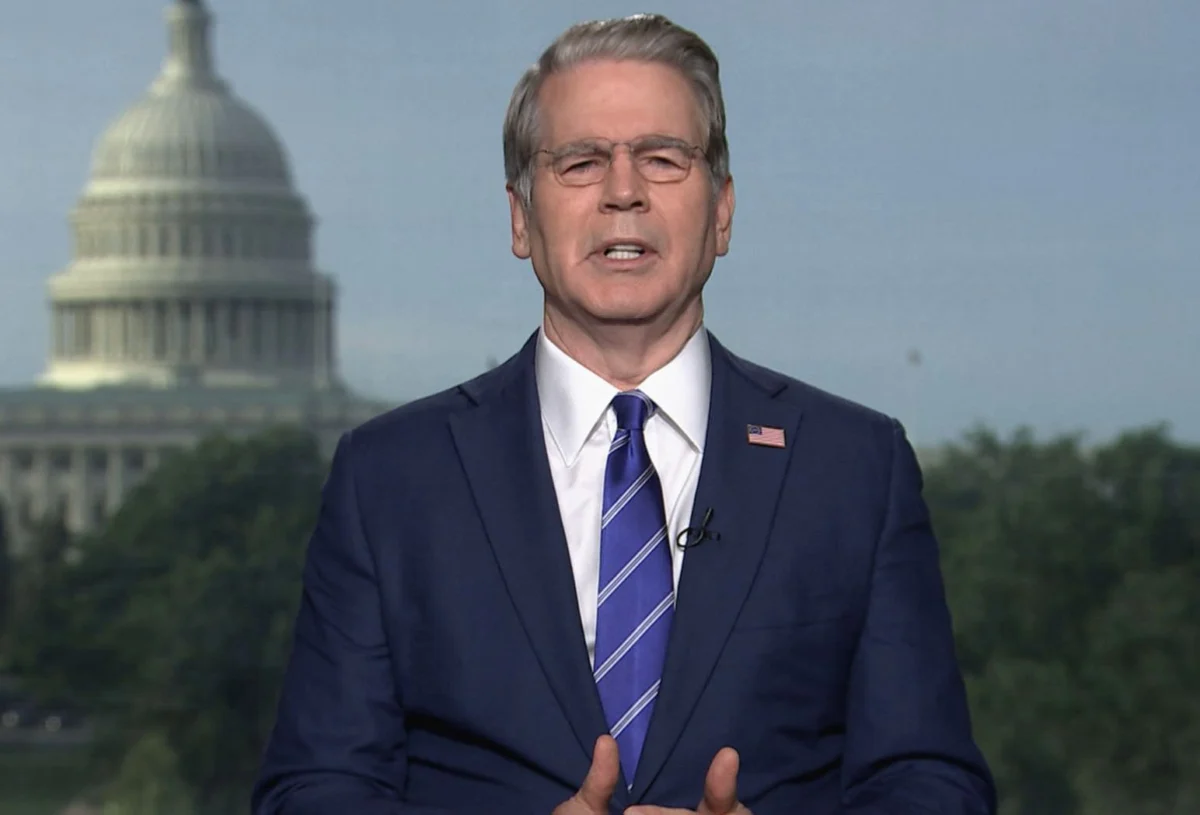
Treasury Secretary Scott Bessent expressed cautious optimism on Thursday, stating there is a "very good chance" that the U.S. budget deficit has reached its zenith under President Donald Trump’s current term. Speaking to CNBC’s Sara Eisen in an exclusive interview on August 4th, 2026, Bessent emphasized a renewed focus on fiscal discipline within the administration, a sentiment underscored by the Treasury Department’s recent, significant announcement regarding debt buyback operations. This declaration comes at a critical juncture, as recent data reveals a substantial increase in the nation’s fiscal shortfall and a record-high national debt.
The Growing Fiscal Challenge: July Deficit and Debt Milestones
The latest figures from the Treasury Department paint a stark picture of the nation’s fiscal health. In July 2026, the U.S. budget deficit surged to an alarming $432 billion, marking the highest monthly deficit in over five years, since March 2021. This figure alone highlights the widening gap between government spending and revenue. Cumulatively, for the fiscal year to date, the deficit has climbed to nearly $1.8 trillion, surpassing the comparable period in the previous year and indicating a persistent trend of overspending.
Compounding these concerns, the total U.S. government debt, accumulated to finance these deficits, has crossed a historic threshold, surpassing $40 trillion for the first time. This monumental debt figure represents more than a doubling of the national debt over the past decade, a period characterized by significant economic shifts and substantial fiscal policy decisions. The sheer scale of this debt has ignited renewed debates and anxieties among economists, policymakers, and the public regarding the long-term sustainability of the American economy and its financial standing on the global stage.
A Strategic Shift: Focus on Fiscal Consolidation and Debt Buybacks
In the face of these mounting fiscal pressures, Secretary Bessent asserted that he, President Trump, and Russell Vought, the Director of the Office of Management and Budget, are actively engaged in developing and implementing measures aimed at fiscal consolidation. Bessent indicated that these concerted efforts could potentially yield savings in the hundreds of billions of dollars. This commitment to fiscal prudence signals a potential recalibration of the administration’s economic priorities, moving towards a more restrained approach to government spending and deficit reduction.
The Treasury Department’s recent announcement of an "extraordinary debt buyback operation" is a tangible manifestation of this renewed focus. While the specifics of the operation were not fully detailed in the initial report, the implication is that the government is actively seeking to reduce its outstanding debt by purchasing it back in the open market. Such operations, though complex and often dependent on market conditions, can serve to manage debt levels, potentially lower borrowing costs, and signal a commitment to fiscal responsibility. The success and scale of such buybacks will be closely scrutinized as they unfold.
Tariffs as a Revenue Generator: Past Challenges and Future Expectations
The Trump administration has consistently championed the imposition of broad and steep tariffs on trading partners as a key strategy for boosting government revenue and, consequently, shrinking the national debt. This policy, a cornerstone of the administration’s economic platform, aims to create a significant new income stream for the federal government.
However, the implementation of these tariffs has not been without considerable obstacles. They have encountered repeated legal challenges, most notably a landmark decision by the Supreme Court that struck down a significant portion of these levies. This legal setback significantly curtailed the intended revenue generation from tariffs for a period.
Despite these past legal hurdles, Secretary Bessent expressed confidence that this year’s tariff revenue is expected to align with the levels achieved in 2025, following the re-implementation of certain levies. Crucially, Bessent indicated that these revenues, under the current framework, should not be subject to refunding to companies, suggesting a more stable and predictable revenue stream moving forward. This implies a strategic recalibration of the tariff structure and its legal footing, aiming to circumvent previous challenges and ensure its effectiveness as a revenue-raising tool.
Economic Philosophy: Growth as the Path to Fiscal Health
Secretary Bessent articulated a core tenet of the administration’s economic philosophy, suggesting that the nation can "grow our way out of" the substantial national debt. This perspective aligns with supply-side economic principles, which posit that policies fostering economic growth, such as tax cuts and deregulation, ultimately lead to increased tax revenues that can help manage and reduce debt burdens.
"There’s nothing magic about the 40-trillion number," Bessent stated, downplaying the psychological impact of the debt milestone. Instead, he emphasized the transformative power of robust economic expansion. This perspective suggests that the administration’s focus will remain on policies designed to stimulate business investment, job creation, and overall economic output, with the expectation that a larger and more dynamic economy will naturally generate the resources needed to service and reduce its debt.
Historical Context: A Decade of Rising Debt
To fully appreciate the current fiscal situation, it is essential to consider the historical trajectory of U.S. national debt. Over the past decade, the debt has more than doubled, a trend influenced by a confluence of factors including significant tax cuts, increased government spending on defense and social programs, and responses to economic crises such as the COVID-19 pandemic.
- Early 2010s: Following the 2008 financial crisis, government spending increased to stimulate the economy, leading to a steady rise in the deficit and debt.
- Mid-2010s: Debates over fiscal policy intensified, with varying approaches to deficit reduction and economic growth.
- Late 2010s: Significant tax cuts enacted in 2017 contributed to a widening deficit, even in a period of economic expansion.
- Early 2020s: The COVID-19 pandemic necessitated unprecedented government spending to support individuals and businesses, leading to a dramatic surge in both deficits and the national debt.
- Mid-2020s: The current administration has focused on economic growth and specific revenue-generating measures, such as tariffs, alongside efforts to control spending.
The current administration’s challenge is to reverse or at least halt this long-term trend of increasing debt, a task made more complex by existing economic conditions and global financial uncertainties.
Reactions and Implications: A Divided Landscape
The pronouncements from Secretary Bessent and the Treasury Department are likely to elicit varied responses from different stakeholders.
Economists and Fiscal Watchdogs: Many economists and fiscal watchdog organizations will likely welcome the stated commitment to fiscal consolidation and deficit reduction. However, they will also be keenly interested in the specific details of the proposed measures and their projected impact. Concerns may persist regarding the sustainability of the current debt trajectory and the long-term consequences of high levels of government borrowing. The effectiveness of tariff-based revenue generation will also be a subject of intense scrutiny, particularly in light of past legal challenges.
Financial Markets: Financial markets will closely monitor the administration’s fiscal actions. A credible plan for deficit reduction and debt management could lead to increased investor confidence and potentially lower borrowing costs for the U.S. government. Conversely, a perception of inaction or ineffective policies could lead to market volatility and concerns about the nation’s creditworthiness. The debt buyback operation, in particular, will be watched for its potential impact on interest rates and liquidity in the bond market.
International Partners: Global economic partners will also be observing U.S. fiscal policy closely. The strength and stability of the U.S. economy have profound implications for global trade, investment, and financial markets. A perceived weakening of U.S. fiscal health could have ripple effects worldwide.
Domestic Political Arena: Within the United States, the administration’s fiscal policies will undoubtedly remain a central theme in political discourse. Opposition parties and advocacy groups will likely scrutinize the effectiveness of the proposed measures and their impact on various sectors of the economy and different demographic groups. The debate over government spending, taxation, and debt is a perennial feature of American politics, and the current fiscal challenges will likely intensify these discussions.
The Path Forward: A Test of Fiscal Resolve
Treasury Secretary Bessent’s statement signals a potential turning point in the administration’s approach to fiscal management. The acknowledgment that the deficit may have peaked, coupled with a declared focus on fiscal consolidation and the concrete step of debt buybacks, suggests a strategic shift towards addressing the nation’s growing debt burden.
However, the effectiveness of these strategies will depend on a multitude of factors, including the sustained performance of the economy, the ability to implement fiscal reforms without stifling growth, and the navigating of ongoing geopolitical and economic uncertainties. The long-term implications of the current debt levels and the administration’s chosen path to address them will be a critical narrative for the remainder of President Trump’s term and beyond, shaping the economic landscape for years to come. The "very good chance" of a peaked deficit hinges on continued, robust economic growth and disciplined fiscal stewardship, a challenge that will be closely watched by both domestic and international observers.
