

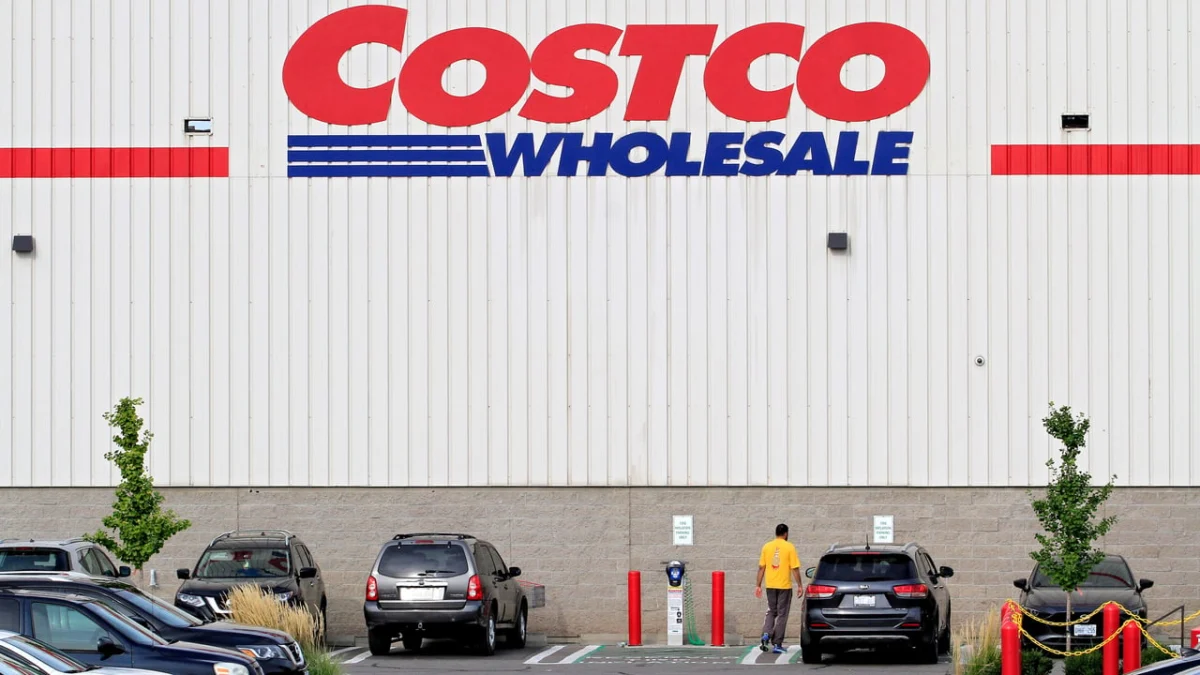
Costco Wholesale Corporation, the globally recognized warehouse retailer, and SCAN Group, a leading non-profit insurer dedicated to serving seniors, announced a significant partnership on Tuesday, marking Costco’s inaugural foray into the highly competitive Medicare market. This strategic alliance aims to launch Costco-branded Medicare plans, beginning with Medicare Advantage products in two states and a Medicare Supplement plan in a third, pending the requisite regulatory approvals from the Centers for Medicare & Medicaid Services (CMS). The groundbreaking collaboration, initially reported by The Wall Street Journal, signifies a pivotal expansion for both entities into new operational territories and service offerings.
Details of the Groundbreaking Partnership
Under the terms of the agreement, Costco will lend its formidable brand recognition to health insurance products tailored for older adults, with SCAN Group serving as the underwriting and administrative force behind these plans. While the specific target states and precise launch timing remain undisclosed due to ongoing regulatory review, the companies indicated that the three initial markets collectively encompass approximately five million Medicare enrollees. This strategic ambiguity underscores the stringent disclosure restrictions surrounding new health plan offerings awaiting agency authorization, particularly within the federally regulated Medicare sphere.
The suite of services envisioned for these Costco-branded plans is designed to integrate seamlessly with the existing array of products and services popular among Costco members. These offerings are expected to encompass comprehensive prescription drug access, Medflex over-the-counter (OTC) benefits, essential vision care, and audiology services, among other value-added provisions. This holistic approach aims to leverage Costco’s established ecosystem, from its pharmacies and optical centers to its hearing aid services and general merchandise.
Marketing and sales of these new Medicare plans will extend beyond traditional channels, incorporating in-store presence within Costco warehouses, alongside engagement through independent insurance agents and other conventional distribution networks. It is crucial to note that federal regulations explicitly prohibit the bundling of a Costco membership with the health plans, ensuring compliance and preventing any coercive sales tactics. This separation maintains the voluntary nature of both the Costco membership and the Medicare plan enrollment.
A Deeper Dive into Costco’s Strategic Diversification
Costco’s entry into the Medicare market is not an isolated event but rather a logical extension of its long-standing strategy to provide comprehensive value to its members across a diverse range of products and services. Over the decades, Costco has evolved far beyond its core grocery and bulk goods offerings, establishing a robust presence in areas such as gasoline, travel services, prescription pharmacies, optical centers, and hearing aid clinics. This diversification has consistently aimed at increasing member loyalty and capturing a larger share of household spending by offering quality products and services at competitive prices.
The decision to venture into health insurance, particularly Medicare, aligns with a broader trend observed among major retailers. Companies like Walmart, CVS Health (through Aetna), and Amazon (with One Medical) have increasingly recognized the immense potential in the healthcare sector, driven by an aging population, rising healthcare costs, and a consumer demand for integrated, convenient services. For Costco, leveraging its trusted brand and expansive member base—many of whom fall within the Medicare-eligible demographic—presents a significant opportunity to further embed itself into the daily lives of its clientele. The retailer’s reputation for vetting products and offering exceptional value could translate effectively into the complex world of health insurance, where trust and perceived value are paramount for consumers.
Understanding the Medicare Landscape and Market Dynamics
Medicare, the federal health insurance program for people 65 or older, certain younger people with disabilities, and people with End-Stage Renal Disease, is broadly divided into Original Medicare (Parts A and B) and Medicare Advantage (Part C). Original Medicare covers hospital (Part A) and medical (Part B) insurance. Part D covers prescription drugs, typically through private plans.
Medicare Advantage plans, such as those Costco and SCAN Group intend to offer, are private insurance plans approved by Medicare that provide all of your Part A and Part B benefits. These plans often include prescription drug coverage (Part D) and frequently offer additional benefits not covered by Original Medicare, such as vision, hearing, dental, and fitness programs. Their popularity has surged, with over 30 million Americans now enrolled in Medicare Advantage, representing more than half of all eligible Medicare beneficiaries. This growth is driven by the appeal of consolidated benefits, often lower out-of-pocket costs, and the convenience of managed care.
Medicare Supplement plans, also known as Medigap, are another crucial component of the Medicare ecosystem. These plans help cover "gaps" in Original Medicare, such as deductibles, copayments, and coinsurance. By offering both Medicare Advantage and Medicare Supplement plans, the partnership aims to cater to a broader spectrum of senior health needs and preferences, acknowledging that different individuals seek different levels of coverage and flexibility. The target markets, collectively representing five million enrollees, highlight the substantial opportunity in these regions, signaling a strategic focus on areas with high senior populations and potential for market penetration.
SCAN Group: A Partner Rooted in Senior Care
SCAN Group brings to this partnership a deep well of expertise and a long-standing commitment to serving the senior population as a non-profit insurer. Founded in 1977, SCAN Health Plan has grown to become one of the largest not-for-profit Medicare Advantage plans in the United States, renowned for its innovative approach to senior health and its focus on preventative care and member well-being.
Currently, SCAN Health Plan’s coverage footprint spans 33 counties across six states: California, Arizona, Nevada, Texas, New Mexico, and Washington. This extensive network reaches close to 460,000 members through its direct Medicare Advantage offerings. When affiliated programs and entities are included, the broader SCAN Group network extends its reach to approximately 500,000 members and patients. This established presence and specialized knowledge in the intricacies of Medicare and senior healthcare make SCAN Group an ideal partner for Costco, which is new to the health insurance domain. The non-profit ethos of SCAN also aligns well with Costco’s reputation for delivering value and prioritizing member satisfaction.
Executive Commentary and Strategic Rationale
Leaders from both organizations articulated the strategic rationale behind this synergistic partnership. Dr. Sachin H. Jain, CEO of SCAN Group, emphasized the shared vision for simplicity and accessibility. "We are trying to create something that’s incredibly simple for people to use that will enable them to seamlessly access their benefits," Dr. Jain stated. He further highlighted the intent for the new Medicare Advantage plans to integrate closely with Costco’s existing offerings, particularly across prescription drugs, vision, over-the-counter medications, food, and hearing products. This integration is key to delivering a unified, value-driven experience that leverages Costco’s existing infrastructure.
Ron Vachris, CEO of Costco, underscored the partnership’s alignment with the retailer’s core mission. In a public statement, Vachris affirmed that the collaboration "extends the retailer’s longstanding commitment to delivering value to its members." He added, "We have developed a shared understanding of what matters most to the seniors we serve. Deepening our partnership allows us to build on that foundation and create value for our members." This reinforces the notion that Costco views this venture as a natural evolution of its member-centric business model.
Richard Stephens, Senior Vice President for Pharmacy at Costco, characterized the Medicare initiative as a pilot program. "We plan to learn a lot from it, and we plan to make sure that we have the right product for our members," Stephens told The Wall Street Journal. His comments reflect a cautious yet determined approach, emphasizing Costco’s commitment to due diligence and quality. Stephens further articulated that Costco members inherently trust the retailer to have thoroughly vetted the products it sells, and the company intends to apply this same rigorous standard to its new insurance product. This focus on trust and quality assurance is critical for establishing credibility in the highly sensitive and regulated health insurance market.
Regulatory Landscape and Approval Process
The introduction of new Medicare plans is subject to a rigorous approval process by the Centers for Medicare & Medicaid Services (CMS). This federal agency oversees all Medicare programs, ensuring compliance with federal regulations, plan solvency, and adequate benefit structures. The need for CMS approval explains the companies’ reticence in disclosing specific states or timelines, as premature announcements could run afoul of regulatory guidelines.
The approval process typically involves detailed submissions outlining plan benefits, service areas, provider networks, marketing materials, and financial projections. CMS reviews these submissions meticulously to ensure that proposed plans meet the standards for beneficiary protection, access to care, and fiscal responsibility. This regulatory oversight is designed to safeguard Medicare beneficiaries from inadequate or misleading insurance products. The federal prohibition on bundling a Costco membership with the health plans is another example of a specific regulatory requirement designed to protect consumers and ensure fair competition.
Market Implications and Competitive Landscape
Costco’s entry into the Medicare market, particularly with a seasoned partner like SCAN Group, is poised to inject new dynamics into an already competitive landscape. The Medicare Advantage market is dominated by large national players such as UnitedHealthcare, Humana, Aetna (CVS Health), and Kaiser Permanente, alongside numerous regional insurers. The "Costco-branded" appeal could carve out a significant niche, especially among its existing member base, which includes a substantial proportion of individuals eligible for Medicare.
The partnership could exert competitive pressure on existing providers, potentially spurring innovation and value improvements across the industry. Costco’s reputation for efficiency and bulk purchasing power, though not directly transferable to health insurance underwriting, could influence how benefits are structured and perceived. For SCAN Group, the alliance offers an unparalleled opportunity to expand its reach and brand recognition beyond its established geographic footprint, leveraging Costco’s national appeal and extensive membership. This could be a game-changer for a non-profit insurer looking to grow its impact.
Consumer Impact and Value Proposition
For Medicare beneficiaries, particularly those who are already loyal Costco members, this partnership offers a potentially attractive new option. The promise of integrating health benefits with existing Costco services—such as prescription discounts, optical services, and hearing aid offerings—could create a compelling value proposition. The convenience of learning about and potentially enrolling in these plans within a familiar Costco environment, coupled with the trust associated with the Costco brand, could significantly influence consumer choice.
The emphasis on simplicity and seamless access to benefits, as articulated by Dr. Jain, suggests an effort to demystify the often-complex world of health insurance for seniors. The potential for Medflex over-the-counter benefits, for instance, could directly tie into Costco’s extensive range of health and wellness products, providing a tangible benefit that resonates with members.
Challenges and Future Outlook
While the partnership holds considerable promise, it is not without its challenges. Entering the highly regulated and complex healthcare insurance sector requires significant operational acumen, compliance expertise, and a robust understanding of risk management—areas where Costco will rely heavily on SCAN Group’s established capabilities. Scaling the pilot program beyond the initial three markets will depend on its success in attracting enrollees, managing costs, and delivering on the promised value proposition.
The financial terms of the partnership remain undisclosed, a common practice in such strategic alliances. However, for both companies, the potential for revenue generation and market expansion is substantial. For Costco, it represents a new revenue stream and a way to deepen member engagement and loyalty. For SCAN Group, it offers a pathway to expand its mission and member base through a powerful retail brand.
Looking ahead, the success of this pilot will undoubtedly inform future expansion strategies. If the Costco-branded Medicare plans resonate with consumers and meet regulatory and financial objectives, it could pave the way for broader geographic rollout and potentially even further diversification within the healthcare space for Costco. The collaboration exemplifies the ongoing convergence of retail and healthcare, driven by consumer demand for convenience, value, and trusted brands. The Medicare market is ripe for innovation, and the Costco-SCAN Group partnership represents a bold and intriguing step in that direction, promising a new choice for millions of American seniors.
