

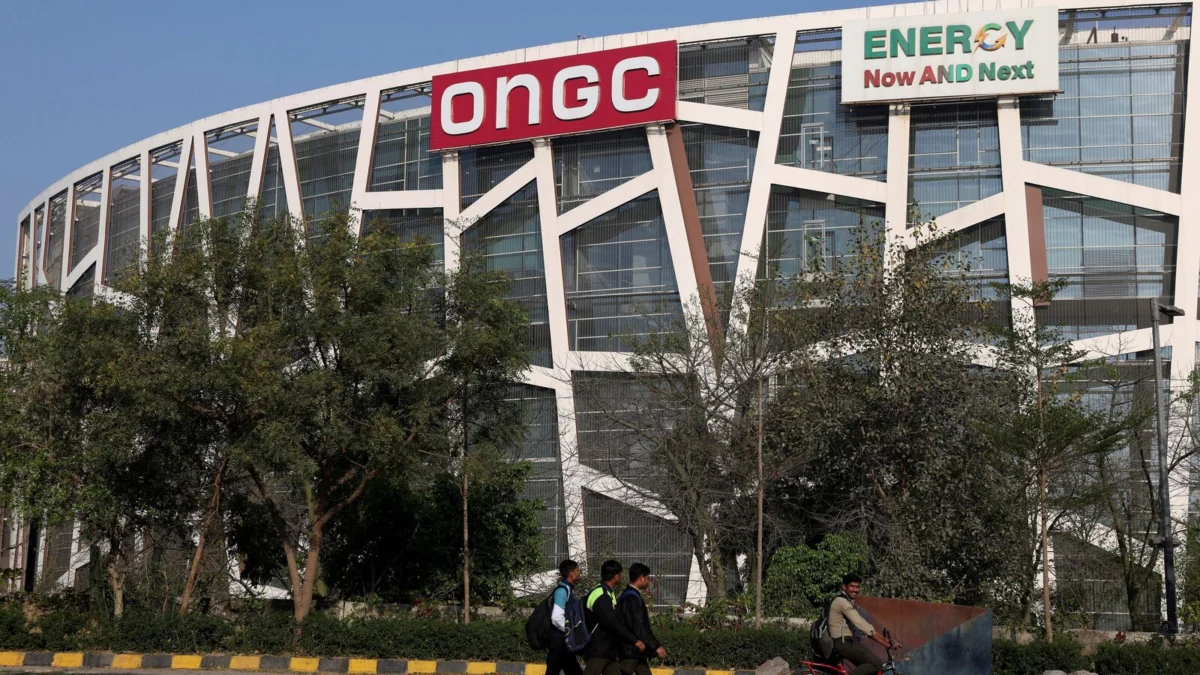
The state-run Oil and Natural Gas Corporation (ONGC) has formally addressed market reports concerning the resumption of its overseas operations in Venezuela, providing a comprehensive update on the regulatory and operational status of its subsidiary, ONGC Videsh Limited (OVL). In a detailed clarification submitted to the Indian stock exchanges on August 18, 2026, the energy giant confirmed that while it has secured a crucial license from the United States government, the path toward full-scale operational resumption remains subject to ongoing framework negotiations. This development marks a significant turning point for India’s energy interests in South America, a region that holds the world’s largest proven crude oil reserves but has been largely inaccessible due to a complex web of international sanctions.
The clarification was prompted by a surge in media reports suggesting that ONGC had already been granted a comprehensive U.S. license to resume full operations. While ONGC confirmed the receipt of an authorization from the U.S. Department of the Treasury’s Office of Foreign Assets Control (OFAC) in July 2026, it emphasized that the situation is nuanced. The company noted that it is currently engaged in high-level discussions with relevant stakeholders to establish the "framework agreements" necessary to define the future course of action for its two primary Venezuelan assets: the San Cristobal and Carabobo projects. Despite the strategic weight of this news, ONGC informed investors that there has been no material movement in its share price directly linked to this development, nor has a definitive financial or operational impact been quantified at this stage.
The Strategic Weight of Venezuela’s Oil Reserves
Venezuela’s importance to the global energy landscape—and specifically to ONGC’s international portfolio—cannot be overstated. According to data from the Organization of the Petroleum Exporting Countries (OPEC), Venezuela possesses approximately 303 billion barrels of proven crude oil reserves. This figure places the South American nation at the top of the global list, surpassing even the reserves of Saudi Arabia. For a nation like India, which imports more than 85% of its crude oil requirements, gaining stable access to Venezuelan reserves is a matter of national energy security.
However, the vast majority of this potential has remained untapped or underutilized over the last decade. A combination of chronic underinvestment, domestic political instability, and stringent international sanctions has seen Venezuela’s oil production plummet from a peak of nearly 3 million barrels per day (bpd) in the late 1990s to significantly lower levels in recent years. For OVL, the ability to resume operations represents not just a recovery of past investments but an opportunity to tap into one of the last great frontiers of conventional oil production.
Understanding the OFAC License and Regulatory Hurdles
The involvement of the U.S. Office of Foreign Assets Control (OFAC) is a critical component of OVL’s Venezuelan strategy. Because the United States maintains a complex sanctions regime against Venezuela’s state-owned oil company, Petróleos de Venezuela, S.A. (PDVSA), any international firm with exposure to the U.S. financial system or interests must seek specific authorizations to conduct business in the country.
The license granted to OVL in July 2026 follows a precedent set by other global energy majors, such as Chevron, which was granted a restricted license to resume some activities in Venezuela earlier in the decade. The OVL authorization is viewed as a pragmatic shift in U.S. policy, potentially aimed at increasing global oil supply amid geopolitical tensions in other regions. For ONGC, the license provides the legal "green light" to engage with PDVSA without the risk of secondary sanctions, which could have devastating effects on its global operations and access to U.S. dollar-clearing mechanisms.
A Closer Look at OVL’s Venezuelan Assets
ONGC Videsh Limited’s footprint in Venezuela is centered on two major projects that have seen varying degrees of activity over the past twenty years:
The San Cristobal Project
OVL holds a 40% stake in the San Cristobal project, located in the Orinoco Heavy Oil Belt, one of the most prolific oil-bearing regions in the world. The remaining 60% is held by PDVSA. The project was designed to produce heavy crude, which is particularly well-suited for Indian refineries, many of which are configured to process complex, heavy grades of oil. Before sanctions intensified, the project was a steady contributor to OVL’s production tally, but operations were hampered by the inability to export crude and the difficulty in repatriating dividends.
The Carabobo-1 Project
The Carabobo-1 project is a multi-billion dollar venture where OVL, alongside other international partners, aimed to develop heavy oil production and upgrading facilities. The project’s complexity and the massive capital expenditure required have made it particularly sensitive to the sanctions environment. The resumption of talks regarding Carabobo suggests that OVL is looking at long-term infrastructure development rather than just short-term extraction.
Chronology of Indo-Venezuelan Energy Ties
The relationship between India’s state oil firms and Venezuela has spanned several decades, marked by periods of high cooperation followed by forced hiatuses.

- 2008–2010: OVL makes its initial significant investments in the San Cristobal and Carabobo fields, eyeing Venezuela as a cornerstone of its "Equity Oil" strategy.
- 2015–2017: Falling global oil prices and internal challenges in Venezuela begin to slow production. PDVSA begins to accumulate dividend arrears owed to OVL, totaling hundreds of millions of dollars.
- 2019: The United States imposes sweeping sanctions on PDVSA, effectively halting OVL’s ability to lift crude oil or receive cash payments for its share of production.
- 2023–2025: Brief windows of sanctions relief allow for some debt-for-oil swaps, where India receives crude oil as payment for past dues. OVL continues to maintain a skeletal presence in Caracas to protect its assets.
- July 2026: OVL officially receives a specific license from the U.S. OFAC to resume oil and gas operations.
- August 2026: ONGC clarifies that while the license is in hand, framework agreements are still being negotiated before full operations can commence.
Financial Context and Market Implications
In its filing, ONGC was careful to manage investor expectations. The company stated that it is currently impossible to determine the precise financial impact of the license. Several factors contribute to this uncertainty. First, the physical state of the infrastructure in the San Cristobal and Carabobo fields is unknown after years of sub-optimal maintenance. Significant capital expenditure (CAPEX) may be required to bring production back to nameplate capacity.
Second, the issue of outstanding dividends remains. Historically, PDVSA has owed OVL upwards of $500 million in accrued dividends. A key part of the "framework talks" mentioned by ONGC likely involves how these arrears will be settled—whether through cash payments, which remains difficult under certain banking restrictions, or through additional crude oil allocations.
Market analysts suggest that while the news is fundamentally positive for ONGC’s long-term valuation, the "wait and watch" approach is justified. The global oil market is currently navigating a period of volatility, and while more Venezuelan crude would be welcomed by Indian refiners like Reliance Industries and Indian Oil Corporation (IOC), the logistical and political risks remain elevated.
Implications for India’s Energy Strategy
The move by OVL to secure U.S. approval is a testament to India’s "strategic autonomy" in energy procurement. By maintaining diplomatic and commercial ties with both Washington and Caracas, New Delhi has managed to position its state-owned firms to benefit from any thawing of relations.
Resuming Venezuelan operations fits perfectly into India’s broader strategy of diversifying its energy basket. In recent years, India has increased its intake of Russian crude, but the government remains wary of over-dependence on any single source. Bringing Venezuelan heavy crude back into the mix provides Indian refiners with more options and leverage in price negotiations with Middle Eastern suppliers.
Furthermore, this development reinforces the role of ONGC Videsh as the vanguard of India’s energy diplomacy. With assets in over 15 countries, OVL’s success in navigating the Venezuelan sanctions landscape could serve as a blueprint for how the company handles other geopolitically sensitive assets in its portfolio.
Future Outlook and Operational Challenges
While the U.S. license removes a major legal hurdle, the operational road ahead is fraught with challenges. The Venezuelan oil industry suffers from a shortage of skilled labor, many of whom have left the country during the economic crisis. Furthermore, the power grid and transportation infrastructure required to move heavy crude from the Orinoco belt to the ports are in dire need of modernization.
The "framework agreements" currently under discussion will likely address these technical needs. There are reports that OVL may seek a greater degree of operational control over the fields, moving away from a passive investment role to a more active management position to ensure that production targets are met and that safety standards are upheld.
The international community will be watching closely. If OVL successfully restarts its Venezuelan engines, it could signal a broader re-entry of global capital into the country, provided the political climate remains conducive. For now, ONGC remains a cautious optimist, holding a license for the future but waiting for the right conditions to turn the valves back on.
Conclusion
ONGC’s clarification serves as a reminder of the complexities inherent in global energy markets. The receipt of a U.S. OFAC license is a landmark achievement for ONGC Videsh, effectively de-risking its multi-billion dollar Venezuelan portfolio from a legal standpoint. However, the transition from a license on paper to oil in a tanker is a process that requires delicate diplomacy and rigorous operational planning. As framework talks continue, the energy world remains focused on Venezuela, waiting to see if the world’s largest oil reserves will finally play their full role in the global economy once again. For ONGC, the prize is clear: a steady stream of equity oil that could power India’s economic growth for decades to come.
