

In a significant legal rebuke to the executive branch’s expedited removal strategies, a federal district court judge in Massachusetts ruled on Wednesday that the Trump administration acted in direct violation of a standing court order. The ruling followed the clandestine deportation of eight individuals to South Sudan—a country currently embroiled in extreme civil unrest and designated by the U.S. State Department as a high-risk zone. District Court Judge Brian Murphy determined that the Department of Homeland Security (DHS) failed to provide the deportees with a meaningful opportunity to contest their removal to a third country, a move that bypasses established legal protocols regarding asylum and the fear of persecution.
The individuals involved in the flight represent a diverse array of nationalities, including citizens of Myanmar, Laos, Vietnam, Cuba, and Mexico, alongside at least one individual from South Sudan. The administration’s decision to fly these individuals to the East African nation, rather than their respective home countries, sparked immediate legal challenges and concerns from human rights advocates. Judge Murphy’s ruling underscores a growing tension between the federal judiciary and the administration’s "mass deportation" initiative, which has increasingly utilized military assets and unconventional destination routes to execute removal orders.
The Judicial Rebuke: Violation of the March Injunction
The core of the legal dispute centers on an injunction issued by Judge Murphy in March. That order specifically prohibited the federal government from deporting individuals to any country other than their nation of origin without first allowing them a window to raise legal claims under the Convention Against Torture or other asylum-based protections. The purpose of the injunction was to prevent "third-country" deportations—a practice where migrants are sent to a nation they have no ties to, often because that nation has agreed to accept them or because it serves as a logistical hub.
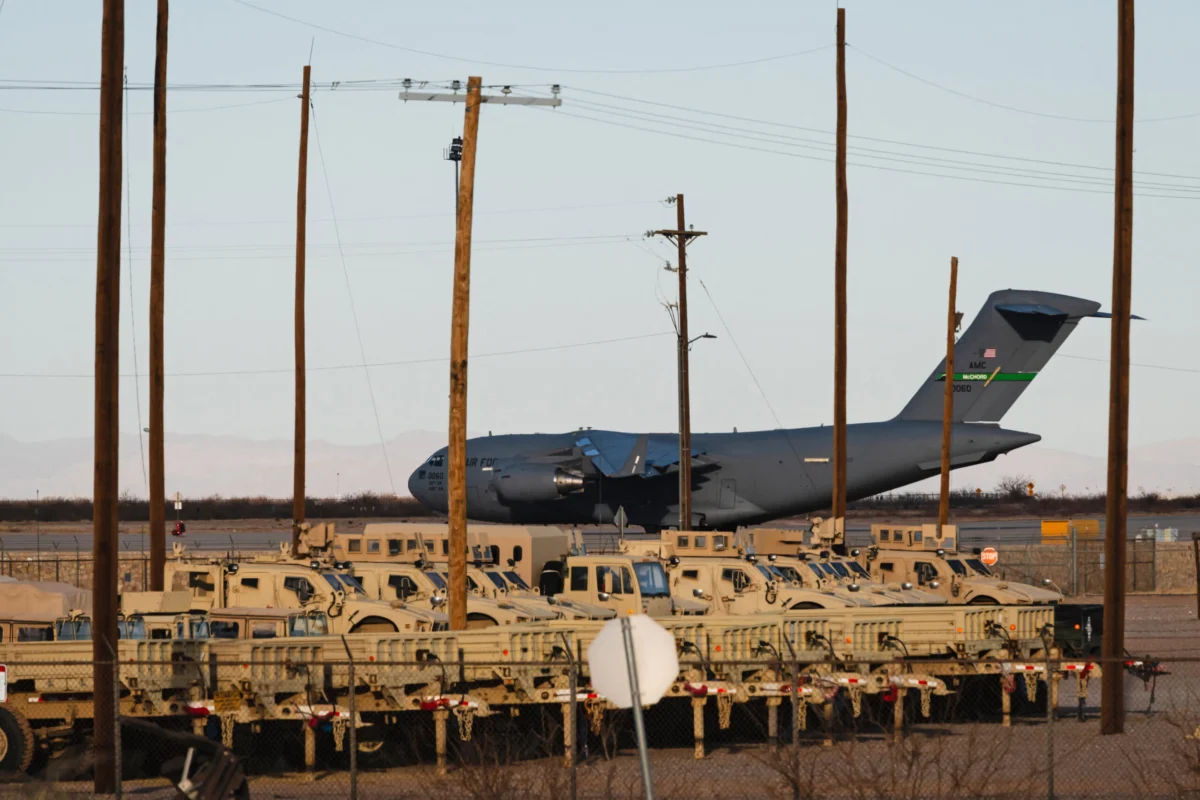
During a heated hearing on Wednesday, Judge Murphy expressed frustration with the administration’s disregard for the court’s authority. "The department’s actions are unquestionably violative of this court’s order," Murphy stated. The judge noted that the sequence of events leading up to the flight appeared designed to circumvent legal intervention. According to court proceedings, the eight migrants were only notified of their destination on Monday evening, well after standard business hours, leaving them unable to contact legal counsel. By 10:00 a.m. the following morning, they were already on a Boeing C-17 Globemaster III departing from Biggs Army Airfield in El Paso, Texas.
Judge Murphy characterized the timeline as a tactical move to deny due process. He argued that it was "impossible" for the individuals to consult with families or attorneys, or to file the necessary emergency motions to stay their removal based on the dangers they might face in South Sudan.
Profile of the Deportees and DHS Justification
On Wednesday morning, the Department of Homeland Security held a press briefing to address the deportation flight. Officials confirmed the removal of eight men: Enrique Arias-Hierro, Jose Manuel Rodriguez-Quinones, Thongxay Nilakout, Jesus Munoz-Gutierrez, Dian Peter Domach, Kyaw Mya, Tuan Thanh Phan, and Nyo Myint.
DHS defended its actions by highlighting the criminal backgrounds of several individuals on the manifest. According to the department, the group included individuals with "violent criminal convictions," with specific mentions of murder and sexual assault. The administration has frequently used the presence of criminal records to justify expedited removal processes, arguing that public safety necessitates the immediate expulsion of "dangerous non-citizens."
However, immigration attorneys argue that the nature of an individual’s past crimes does not negate their constitutional right to due process or the international legal principle of non-refoulement—the practice of not forcing refugees or asylees to return to a country in which they are liable to be subjected to persecution. Jonathan Ryan, a San Antonio-based attorney representing Nyo Myint, a migrant from Myanmar, expressed outrage at the government’s lack of transparency. Ryan stated that his client has effectively been "disappeared," and that the government has provided no confirmation of his client’s current whereabouts or safety.
"I have not heard from my client," Ryan said during the proceedings. "How am I supposed to take their word that they sent him to Burma? The government is acting as if due process is a privilege for the popular, but the law is most important when it protects those who are unpopular."
A Nation on the Brink: The Risks of South Sudan
The choice of South Sudan as a destination for migrants from East Asia and Latin America has been met with incredulity by international observers. South Sudan is currently ranked as one of the most dangerous countries in the world. A 2018 power-sharing agreement between President Salva Kiir and Vice President Riek Machar nominally ended a five-year civil war that resulted in hundreds of thousands of deaths and the displacement of millions. However, that peace remains extremely fragile.
In early 2025, reports emerged of renewed violent clashes between rival factions, leading many analysts to warn that the country is on the cusp of another full-scale civil war. The U.S. State Department maintains a Level 4 "Do Not Travel" advisory for South Sudan, citing pervasive crime, kidnapping, and armed conflict. Furthermore, in March 2025, the State Department ordered the evacuation of all non-emergency U.S. government personnel from the country due to the deteriorating security situation.
The judge and legal advocates noted the irony of the U.S. government removing its own employees for safety reasons while simultaneously attempting to drop off foreign nationals—some of whom have no linguistic or cultural ties to the region—into the same environment.
Chronology of the Deportation Operation
The following timeline details the events leading to the current legal standoff:
- March 2025: Judge Brian Murphy issues an injunction preventing the Trump administration from deporting individuals to third countries without a 48-hour notice period to allow for legal challenges.
- Early April 2025: The administration attempts to deport a group of migrants from the Philippines, Vietnam, and Laos to Libya. Judge Murphy blocks this move, reaffirming his injunction.
- Monday, April 14, 2025 (Evening): Eight migrants at an ICE facility in Texas are informed they will be deported to South Sudan the following morning.
- Tuesday, April 15, 2025 (9:00 AM – 10:00 AM): A Boeing C-17 transport plane departs Biggs Army Airfield in Fort Bliss, El Paso.
- Wednesday, April 16, 2025 (Morning): DHS holds a press briefing confirming the deportation and citing the criminal records of the deportees.
- Wednesday, April 16, 2025 (Afternoon): Judge Murphy holds an emergency hearing. After 30 minutes of sealed proceedings, he rules that the government violated his order.
Government attorneys confirmed during the hearing that the plane has since landed and the migrants remain in the custody of Immigration and Customs Enforcement (ICE) personnel on the ground. However, the government has refused to disclose the exact location of the plane or the current status of the individuals on board.
Broader Implications and the Role of Military Assets
The use of a Boeing C-17, a large military transport aircraft, for deportation flights marks a shift in the logistics of U.S. immigration enforcement. Traditionally, ICE Air Operations utilizes chartered civilian aircraft. The deployment of Air Force assets suggests a high-priority, high-resource approach to the administration’s removal goals. This has raised questions about the cost of such operations and the legality of using military resources for civil immigration enforcement.
The case also highlights a broader strategy of "third-country processing." By attempting to send migrants to countries like Libya or South Sudan, the administration appears to be testing the limits of international agreements and domestic judicial oversight. Legal experts suggest this strategy is intended to create a deterrent effect, signaling to potential migrants that even if they cannot be returned to their home country due to diplomatic or safety reasons, they will not be allowed to remain in the United States.
Analysis of the Legal Conflict
The conflict between Judge Murphy and the Department of Justice reflects a deeper constitutional struggle over the "Plenary Power Doctrine," which traditionally gives the executive branch broad authority over immigration matters. However, the judiciary has increasingly intervened when executive actions appear to violate the Due Process Clause of the Fifth Amendment.
In this instance, the administration’s "late-night notification" tactic is a primary point of contention. By notifying detainees outside of business hours and moving them before courts open the following day, the executive branch effectively creates a "blackout period" where judicial review is impossible. Judge Murphy’s ruling signals that the courts will not tolerate procedural maneuvers that render injunctions moot.
As the situation develops, the focus remains on the eight men currently in ICE custody in an undisclosed location. If the court finds the government in contempt, it could lead to orders requiring the government to return the individuals to the United States at the government’s expense. For now, the legal battle continues to serve as a pivotal test case for the limits of presidential power in the realm of immigration and the enduring necessity of judicial oversight in protecting the rights of all individuals within U.S. jurisdiction, regardless of their legal status or criminal history.
