

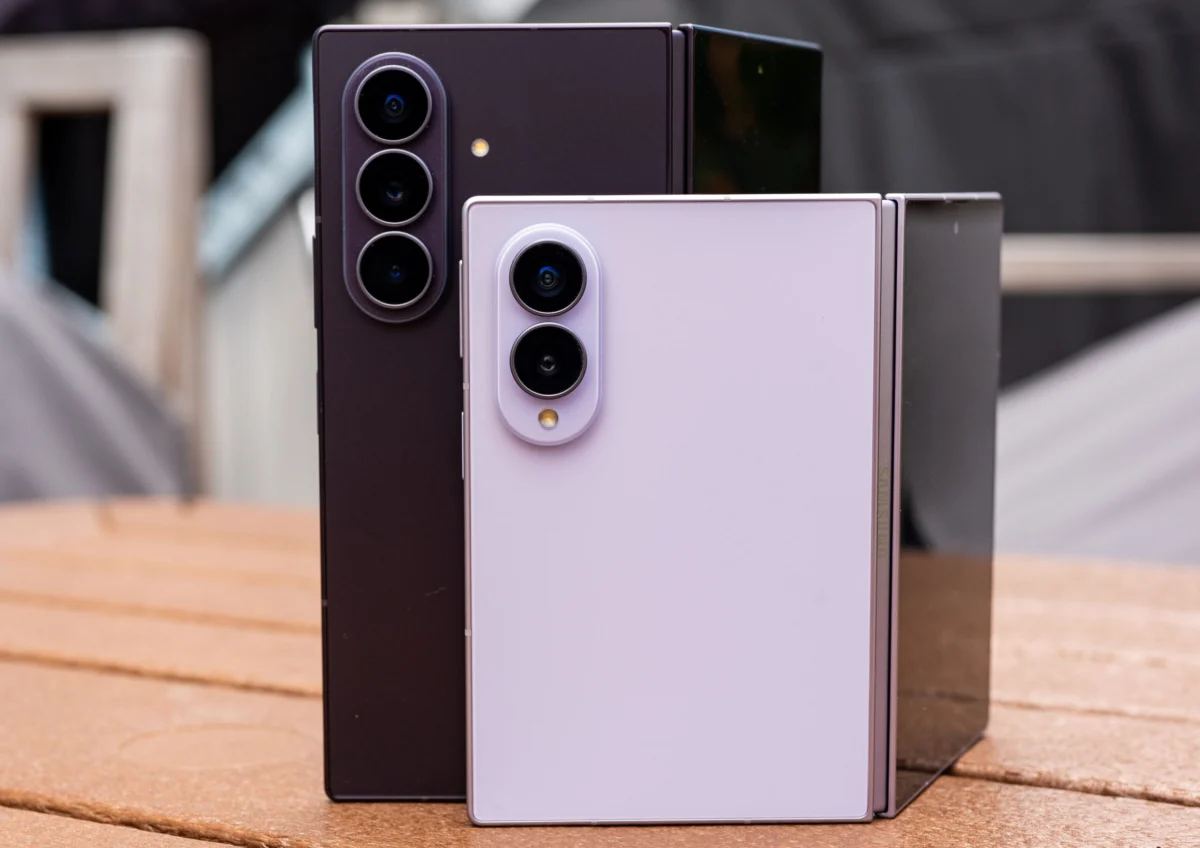
The global mobile technology landscape has reached a significant milestone with the official release of Samsung’s latest iterations in its foldable lineup, the Galaxy Z Fold8 and the Galaxy Z Fold8 Ultra. As the South Korean conglomerate continues to refine its foldable strategy, the introduction of two distinct models within the Fold category marks a strategic shift aimed at capturing both the premium enthusiast and the ultra-premium professional markets. These devices arrive at a time when the foldable segment is no longer a niche curiosity but a primary battleground for hardware innovation, facing stiff competition from the Google Pixel 11 Pro Fold and emerging rumors regarding Apple’s entry into the flexible display market. By offering a tiered approach with the Fold8 and the Fold8 Ultra, Samsung is attempting to address historical criticisms regarding ergonomics, battery density, and camera performance, while maintaining its lead in the multitasking software ecosystem.
Design Refinements and the Eradication of the Crease
One of the most persistent challenges in foldable engineering has been the visibility and tactile presence of the display crease—the point where the internal flexible panel bends. In the Galaxy Z Fold8 series, Samsung has introduced a redesigned hinge mechanism and a new composite substrate for the display that significantly minimizes this artifact. Testing indicates that the crease is now visually negligible under most lighting conditions and, perhaps more importantly, provides a smoother tactile experience. Users swiping across the horizontal axis of the unfolded screen report a nearly seamless transition, a marked improvement over the more pronounced "valleys" found in the Galaxy Z Fold6 and Fold7 generations.
Despite these advancements in display technology, the external design remains a point of contention among industry analysts and early adopters. The rear camera housing on both the Fold8 and Fold8 Ultra continues to utilize a vertical "island" or "bump" configuration. This design choice results in physical instability when the device is placed on a flat surface, leading to a noticeable "rocking" effect during interaction. This ergonomic drawback persists even when utilizing first-party protective cases, which often fail to flush the camera protrusion with the rest of the chassis. This stands in contrast to the design philosophies adopted by competitors; Google’s Pixel 11 Pro Fold utilizes a horizontal "camera bar" that provides a stable base, while reports suggest Apple’s upcoming "Air" series may integrate the camera hardware more deeply into the frame to achieve a flat back.
Processing Power and the Snapdragon 8 Elite Gen 5
Under the hood, Samsung has maintained parity between the two models in terms of raw processing power. Both the Galaxy Z Fold8 and the Fold8 Ultra are equipped with the Qualcomm Snapdragon 8 Elite Gen 5 chipset. Built on a cutting-edge 2-nanometer process, this silicon is designed specifically for the high-computational demands of AI-integrated mobile operating systems and high-refresh-rate foldable displays.
-and-Z-Fold8-(right)-SOURCE-Julian-Chokkattu.jpg)
The Snapdragon 8 Elite Gen 5 features an octa-core architecture with a primary "prime" core capable of reaching clock speeds previously unseen in mobile devices. This allows for what reviewers describe as a "buttery-smooth" experience, even when the devices are pushed to their limits with high-fidelity gaming or complex video editing tasks. The integration of an advanced Neural Processing Unit (NPU) further facilitates Samsung’s suite of Galaxy AI features, which include real-time translation, generative photo editing, and proactive battery management. By including the same top-tier processor in the standard Fold8 as in the $2,000 Ultra model, Samsung ensures that the "cheaper" variant does not feel like a compromise in terms of longevity or speed.
The Shift to Silicon-Carbon Battery Technology
Perhaps the most significant internal upgrade in the Fold8 series is the transition to silicon-carbon battery technology. This marks the first time Samsung has moved away from traditional lithium-ion chemistries in its flagship foldables, a move necessitated by the demand for higher energy density in increasingly thin chassis. Silicon-carbon anodes allow for a higher capacity-to-volume ratio, enabling Samsung to fit larger batteries into the Fold8 series without increasing the physical footprint of the devices.
The Galaxy Z Fold8 Ultra features a 5,000-mAh cell, while the standard Fold8 carries a 4,800-mAh capacity. In real-world stress tests, the Ultra model has demonstrated the ability to exceed six hours of active screen-on time, even with heavy use of the internal 120Hz LTPO display. The standard Fold8 performs admirably as well, averaging between five and six hours of screen-on time. However, analysts note that battery life is highly dependent on user behavior; the Ultra’s larger internal screen consumes more power when used as the primary interface. The adoption of silicon-carbon technology also brings improvements in charging thermal management, allowing the devices to maintain peak charging speeds for longer periods without the throttling issues that plagued earlier models.
Display Dynamics and Multitasking Efficiency
The ergonomics of the internal displays have undergone a subtle but impactful transformation. The Galaxy Z Fold8 has been praised for its aspect ratio, which many find more "breathable" than the Ultra. While the Ultra provides the maximum possible screen real estate, the standard Fold8’s dimensions appear to hit a sweet spot for split-screen multitasking.
Samsung’s One UI software remains the gold standard for foldable productivity. The Fold8 series supports a three-app side-by-side configuration that feels less cramped on the new panels. The wider screen allows for "floating windows" and a taskbar that mimics a desktop environment, making the Fold8 a viable tool for professionals who need to manage spreadsheets, email, and video calls simultaneously. The "squished" feeling often associated with previous foldable generations has been mitigated through better software scaling and the refined width of the primary internal panel.

Camera Systems: The Divide Between Standard and Ultra
While performance is equalized across the lineup, the camera system remains the primary differentiator and the justification for the $200 price premium of the Ultra model. The standard Galaxy Z Fold8 features a competent but familiar setup:
- Primary Sensor: 50-megapixel wide-angle.
- Ultrawide: 50-megapixel.
- Selfie Cameras: Dual 10-megapixel sensors (one on the cover screen, one under-display on the inner screen).
The Galaxy Z Fold8 Ultra, however, elevates the hardware to match Samsung’s "S" series flagships. It boasts a 200-megapixel primary sensor that excels in low-light environments and provides significantly more detail for large-format prints or heavy cropping. Crucially, the Ultra includes a 10-megapixel 3X optical zoom lens, a feature notably absent or inferior on the standard Fold8.
However, even with the Ultra’s 200-megapixel sensor, some critics point out that Samsung is still trailing Google in the telephoto department. The Google Pixel 11 Pro Fold features a 5X optical zoom, which has become the preferred focal length for mobile photographers specializing in portraits and street photography. The decision to stick with a 3X zoom on a device costing two thousand dollars has been described as a missed opportunity for Samsung to fully dominate the "pro" foldable market. Industry insiders suggest that a more robust periscope zoom may be reserved for the Galaxy Z Fold9, as Samsung continues to grapple with the physical space constraints of the foldable hinge.
Market Impact and Future Implications
The launch of the Fold8 and Fold8 Ultra represents a maturation of the foldable market. By offering two models, Samsung is acknowledging that the "one size fits all" approach no longer works for a consumer base that is increasingly discerning about specs versus price.
Pricing and Consumer Choice
With a price gap of approximately $200, the choice between the Fold8 and the Ultra comes down to a trade-off between photographic capability and ergonomic preference. For users who prioritize a more comfortable one-handed experience and a better split-screen feel, the Fold8 is the logical choice. For those who demand the absolute ceiling of mobile photography and the largest possible canvas for media consumption, the Ultra remains the flagship of choice.
.jpg)
Competitive Pressure
The inclusion of silicon-carbon batteries and the Snapdragon 8 Elite Gen 5 is a direct response to the aggressive hardware cycles of Chinese manufacturers and the impending threat of an Apple foldable. Samsung can no longer rely solely on its "first-mover" advantage; it must now compete on pure technical merit. The lack of a 5X optical zoom and the persistent "camera wobble" are minor but notable flaws in otherwise near-perfect machines.
Timeline of Development
The journey to the Fold8 has been one of incremental but essential steps:
- 2019: The original Galaxy Fold launches with significant durability concerns.
- 2021-2022: The Fold3 and Fold4 introduce water resistance and S-Pen support, stabilizing the platform.
- 2024: The Fold6 and Fold7 focus on weight reduction and hinge slimming.
- Current Release: The Fold8 series marks the transition to advanced battery chemistry and the bifurcated model strategy.
Conclusion
The Samsung Galaxy Z Fold8 and Fold8 Ultra are formidable entries in the high-end smartphone market. They represent a successful effort to polish the foldable experience into something that feels as reliable and high-performing as a traditional slab phone. While the camera housing design and the lack of extreme telephoto zoom remain areas for future improvement, the advancements in crease reduction, battery technology, and processing power solidify Samsung’s position at the top of the foldable hierarchy. As the industry moves toward 2026, the success of these devices will likely be measured by how well they hold their value against an increasingly crowded field of flexible-display competitors. For now, the Fold8 series stands as a testament to the fact that the "future of the smartphone" has finally become the "present."
