

The Australian automotive landscape continues to undergo a profound structural transformation as electric and plug-in hybrid vehicles maintain a commanding presence in the national market. According to the latest registration data for July 2026, the Australian market recorded approximately 108,000 total vehicle sales, of which 33,869 were plug-in models. This represents a plug-in penetration rate of roughly 31%, signaling a robust, albeit slightly moderated, performance compared to the record-breaking 36% market share achieved in June 2026. While the month-on-month figures show a slight regression, industry analysts attribute this volatility primarily to international shipping schedules rather than a cooling of consumer demand. In a market heavily reliant on imported stock, the arrival of large RORO (Roll-on/Roll-off) vessels often dictates monthly registration peaks and troughs.
Detailed Market Breakdown and Brand Performance
The July data reveals a diversifying competitive field where traditional incumbents and aggressive new entrants are vying for dominance. Toyota has reclaimed its position as the top-selling brand overall, driven significantly by the success of the RAV4 Plug-in Hybrid (PHEV). This marks a significant pivot for the Japanese automaker, which had previously faced criticism for its slower adoption of plug-in technology. The RAV4 PHEV’s popularity suggests that a large segment of the Australian motoring public still views hybrid technology as a vital "bridge" toward full electrification, particularly for those concerned with long-distance travel in the Australian outback.
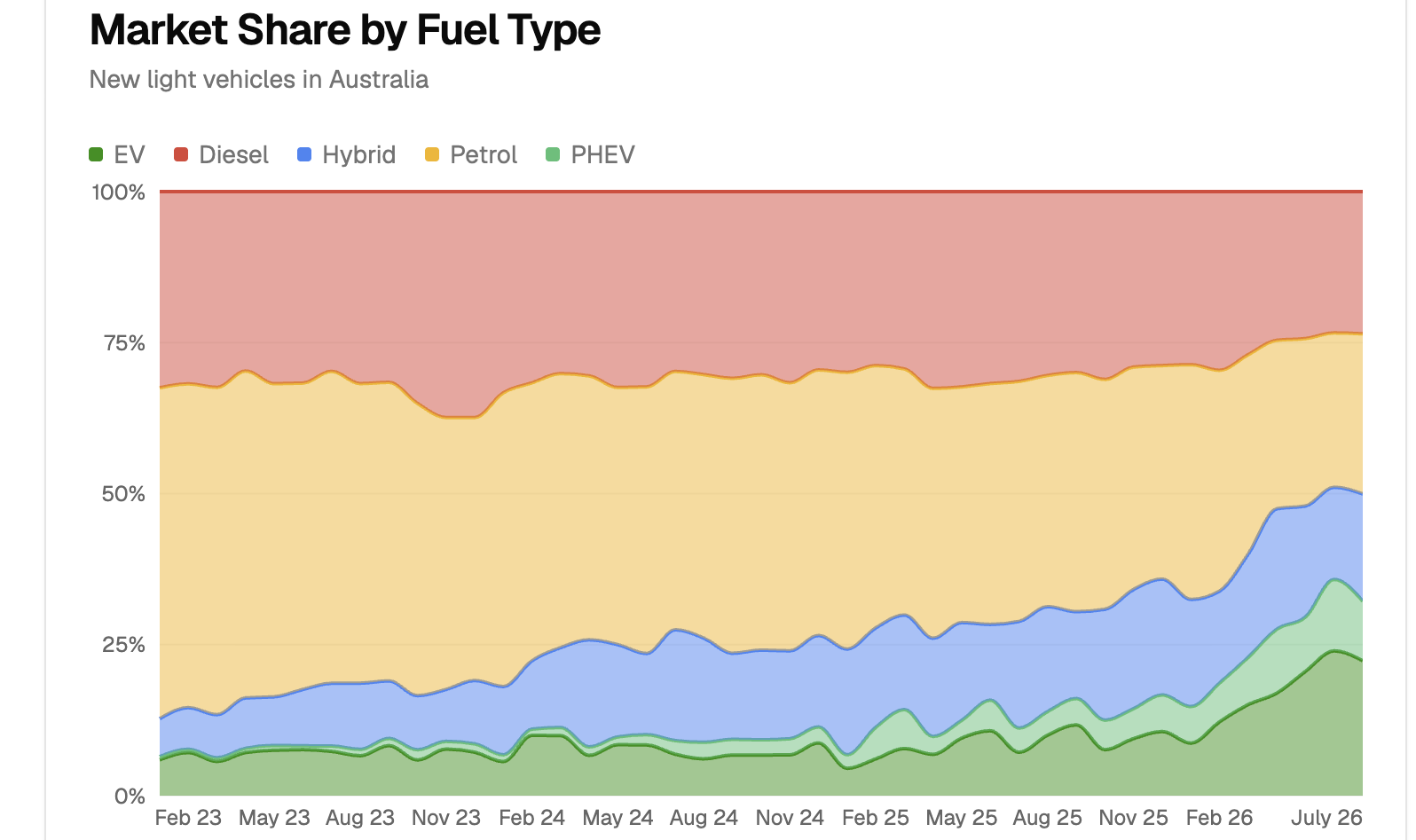
Following Toyota, BYD secured the second-highest sales volume for plug-in vehicles. The Chinese manufacturer has rapidly scaled its Australian operations, leveraging a vertically integrated supply chain to maintain consistent stock levels. However, one of the most notable surprises in the July report was the performance of the newly launched Mazda 6e. The electric sedan managed to outsell the Tesla Model 3, recording 283 units against Tesla’s 134. This shift is partially attributed to Tesla’s cyclical shipping patterns, where July often serves as a "quiet" month following a massive end-of-quarter push in June. Nonetheless, the Mazda 6e’s early success indicates that Japanese manufacturers are beginning to find their footing in the battery electric vehicle (BEV) space, offering consumers more variety beyond the established Tesla-BYD duopoly.
Tesla’s overall presence remains formidable, however, thanks to the Model Y. The introduction of the Model Y L—a long-range or high-specification variant—bolstered the model’s numbers to 2,429 units, while the standard variant contributed an additional 2,215 sales. Collectively, the Model Y secured the third spot on the overall Australian market ladder, trailing only the ubiquitous Toyota RAV4 and the Toyota HiLux. As a brand, Tesla ranked seventh in overall sales across all fuel types, underscoring the brand’s transition from a niche luxury player to a mainstream volume leader.
The Rise of Affordable Chinese EVs and New Market Entrants
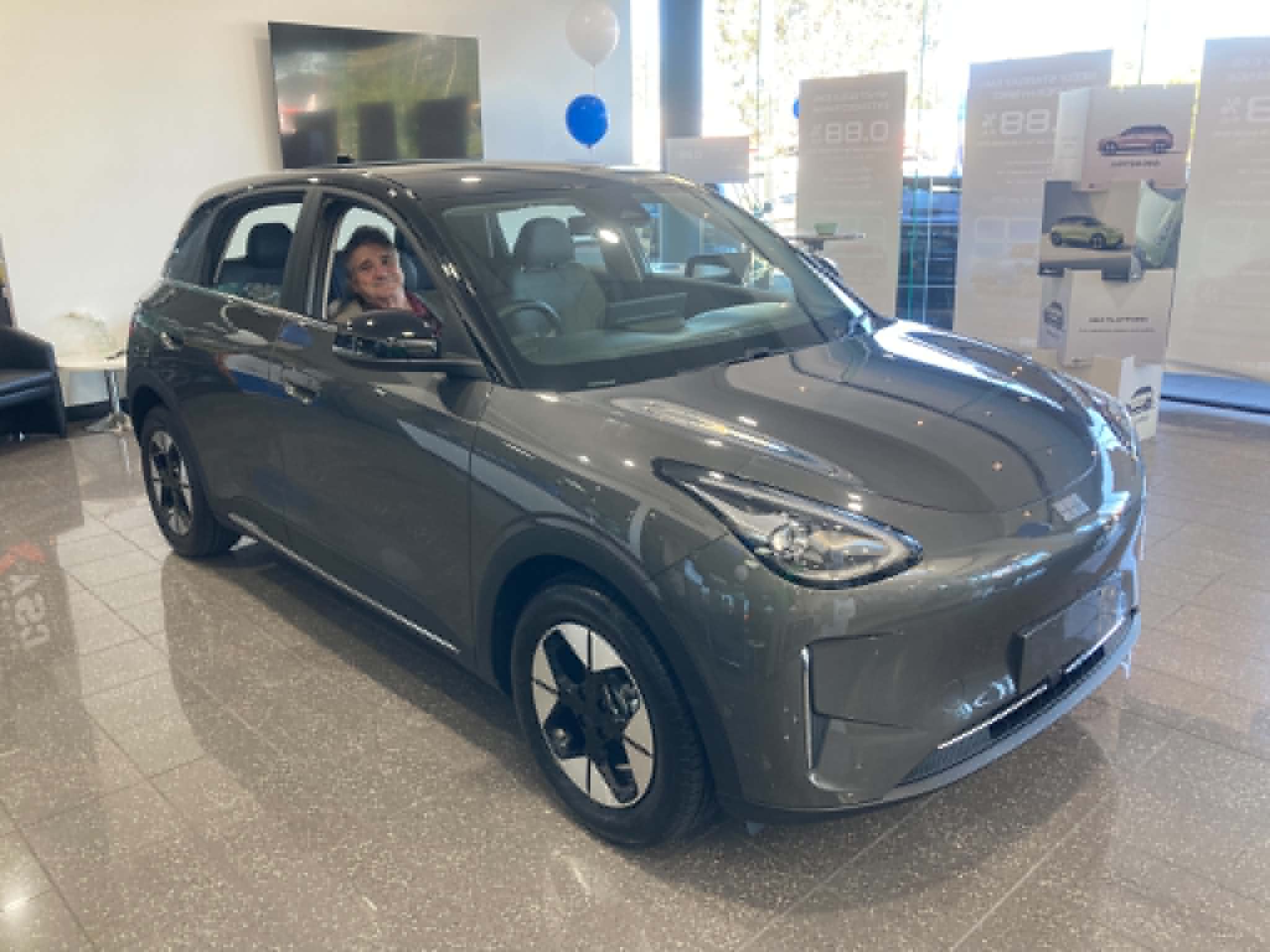
The July 2026 figures highlight the increasing influence of the Geely Group and other Chinese manufacturers. Geely climbed to the 11th position in the overall brand sales ranking, largely due to the successful debut of the EX2 (known as the Xingyuan in the Chinese domestic market). The EX2 has disrupted the entry-level segment with a starting price of AU$26,000, making it one of the most affordable BEVs ever offered in Australia. In its debut month, the EX2 broke into the top 10 best-selling BEVs, suggesting that price parity with internal combustion engine (ICE) vehicles is no longer a future goal but a present reality.
Furthermore, brands like Xpeng and GAC have begun officially declaring their sales statistics, providing greater transparency into the market’s growth. The GAC Aion 5 made an immediate impact, appearing in the top 10 charts in its first month of availability. Other models showing strong momentum include the refreshed ORA 5 from Great Wall Motor (GWM) and the Zeekr 7X, which is competing in the highly contested medium SUV segment.
The sales data for July by fuel type is summarized as follows:
- Battery Electric Vehicles (BEV): 23,510 units
- Plug-in Hybrid Electric Vehicles (PHEV): 10,359 units
- Year-to-Date (YTD) Total: 127,226 BEVs and 64,615 PHEVs.
These figures demonstrate that while BEVs remain the preferred choice for early adopters and urban commuters, PHEVs are experiencing a resurgence as manufacturers introduce models with longer electric-only ranges, often exceeding 80–100 kilometers.
Segment Analysis: From Light Vehicles to Heavy Utes
The Australian market is segmented into several categories, each showing varying levels of electric adoption. In the light vehicle category, the Geely EX2, BYD Atto 1, and MG 4 Urban are the primary volume drivers. The medium car segment is currently dominated by the BYD Seal and the Mazda 6e. In the burgeoning "people mover" or MPV category, the Denza D9—a semi-luxury sub-brand of BYD—has seen surprisingly strong uptake, catering to large families and the executive transport sector.
The SUV market, which remains the most popular vehicle type in Australia, is well-serviced by electric options. The Kia EV3 has emerged as a leader in the small SUV category, while the medium SUV segment is a crowded battleground featuring the BYD Sealion 7, Tesla Model Y, Zeekr 7X, and Kia EV5.
Despite these gains, two segments remain underserved: micro-cars and light commercial vehicles (utes). The Australian "ute" market is one of the most competitive in the world, yet a mass-market electric equivalent to the Ford Ranger or Toyota HiLux has yet to achieve significant volume. The KGM Musso (formerly SsangYong) struggled in July, moving only eight units. However, there are signs of movement in the fleet sector; Toyota has reportedly deployed approximately 300 battery-electric HiLux prototypes to fleet buyers since May 2026 for real-world testing. Industry experts expect that once a viable, high-towing-capacity electric ute hits the sub-AU$70,000 price bracket, the final barrier to mass EV adoption in Australia will fall.

Infrastructure Expansion and Retail Integration
A frequent point of contention in the Australian EV debate has been the adequacy of public charging infrastructure. However, the July 2026 update confirms that infrastructure is now expanding at a rate that matches or exceeds vehicle sales. Australia’s three major grocery chains—Woolworths, Coles, and Aldi—have become central players in this rollout.
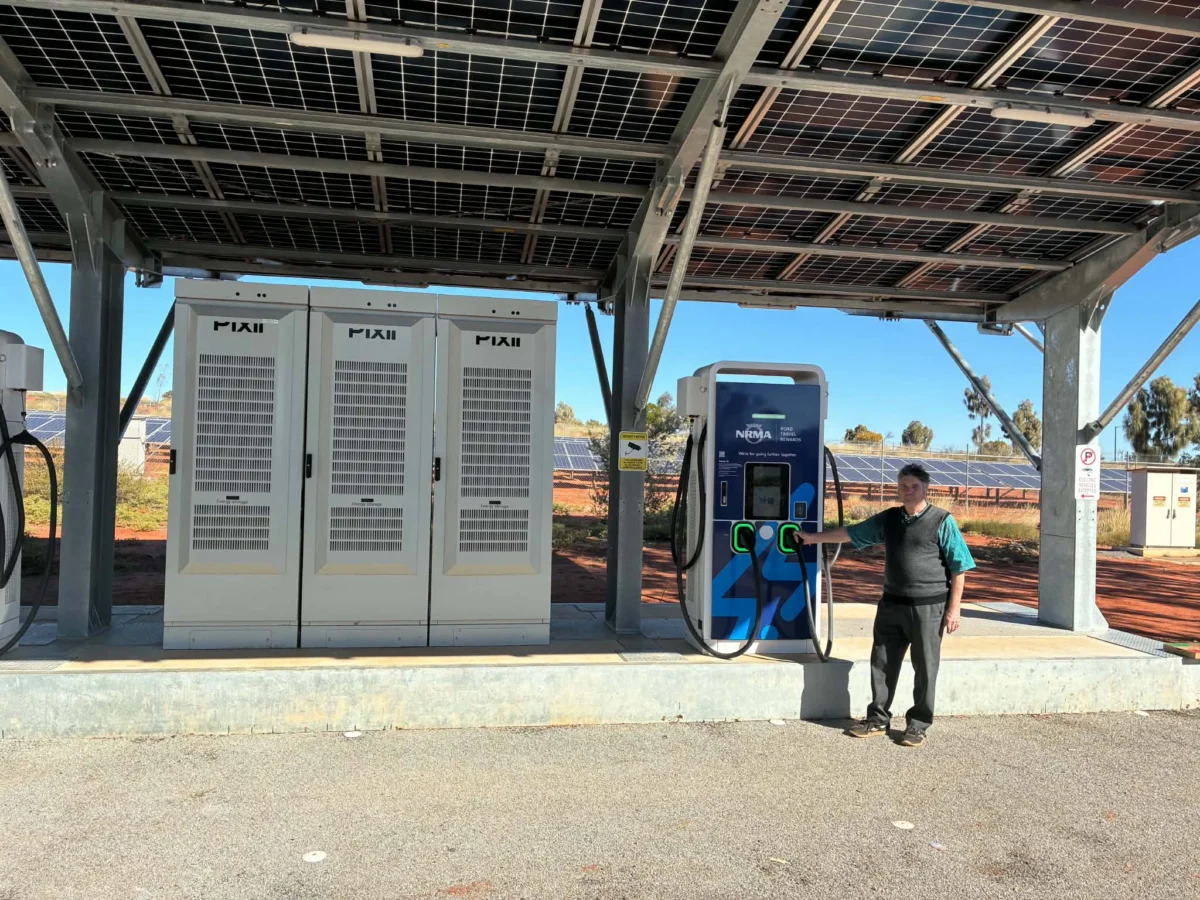
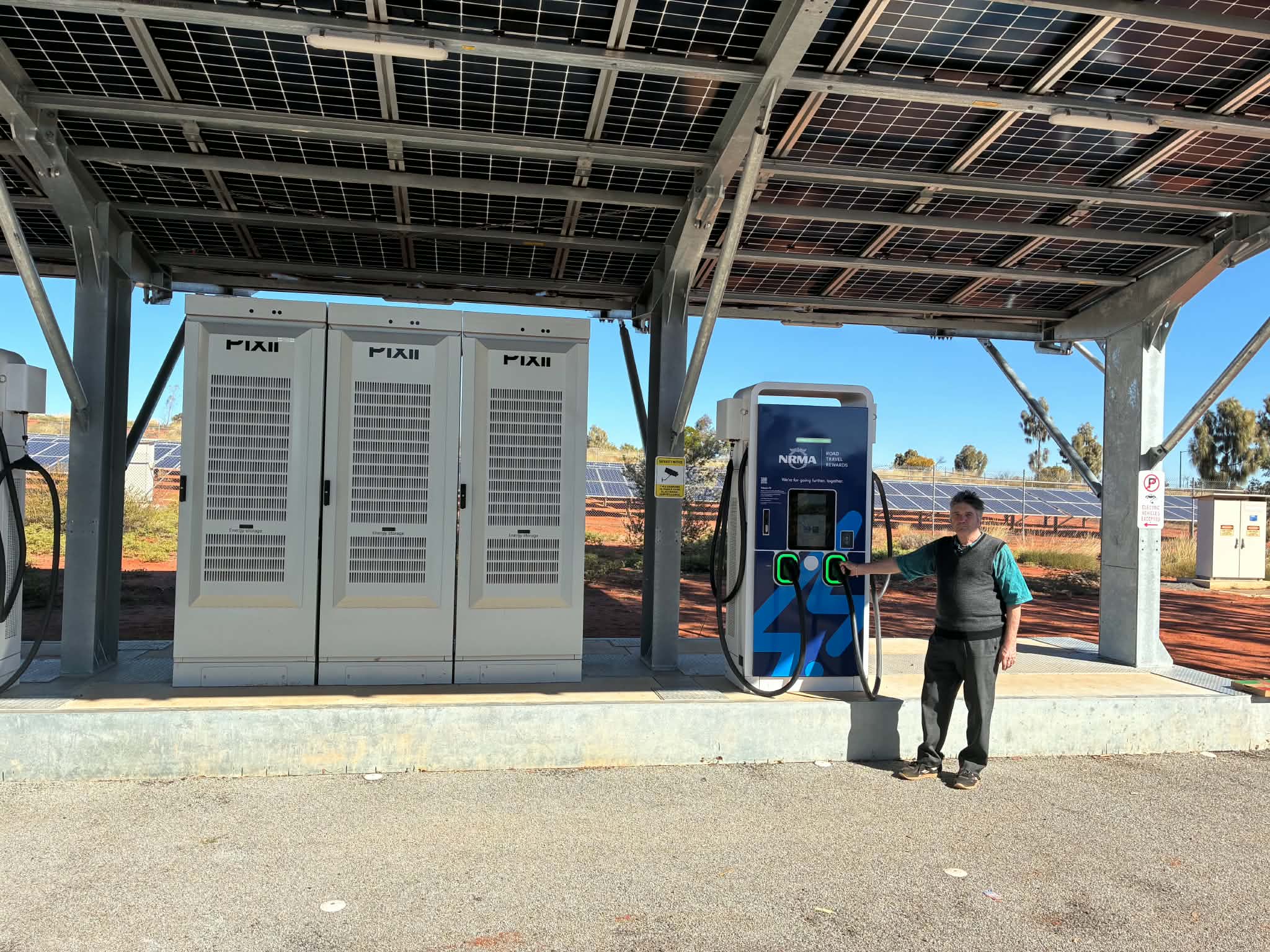
Woolworths has integrated charging stations into the design of its new retail centers, while Coles recently announced a partnership with Evie Networks to install fast-charging stations at 30 initial supermarket sites. This "charge while you shop" model is designed to alleviate range anxiety for apartment dwellers and those without access to home charging. Furthermore, the geographical reach of the charging network has extended into the continent’s "Red Centre." High-speed, solar-powered chargers are now operational at Uluru (Ayers Rock), proving that electric travel is feasible even in the most remote regions of the country.
Socio-Economic Drivers and Geopolitical Context
The surge in Australian EV adoption is not occurring in a vacuum. Social researchers and economists point to a combination of fuel insecurity and geopolitical instability as significant catalysts. Analysts have noted that energy security became a primary concern for Australian households following a period of heightened tensions in the Middle East and fluctuating global oil prices.
Dr. Rebecca Huntley, a prominent social researcher, noted that the fear of petrol shortages and the rising cost of traditional fuels have pushed pragmatic consumers toward electric alternatives. "People started to realize that their mobility was tied to global events beyond their control," Huntley stated. "The desire for energy independence, fueled by rooftop solar and home batteries, has made the electric vehicle a logical extension of the Australian home."
With Australia having one of the highest per-capita rates of rooftop solar installation in the world, the economic incentive to switch to an EV is compelling. For many households, the cost of "fueling" an EV with self-generated solar power is negligible compared to the rising prices of imported petrol and diesel.
Implications and Future Outlook
The July 2026 data suggests that the Australian automotive market has reached a point of no return regarding electrification. The dip in penetration from 36% to 31% is viewed as a statistical fluctuation rather than a trend reversal. The arrival of more affordable models, such as those from Geely and GAC, is expected to democratize EV ownership, moving the technology away from the "premium" bracket and into the reach of average earners.

As the market moves into the second half of 2026, the focus will shift toward the Federal Government’s New Vehicle Efficiency Standards (NVES), which are beginning to exert pressure on manufacturers to lower their fleet-wide emissions. This regulatory environment, combined with improving infrastructure and a steady influx of diverse vehicle models, suggests that Australia is on track to see plug-in vehicles represent nearly half of all new car sales by the end of the decade. The "pub test"—a colloquial Australian measure of mainstream acceptance—indicates that EVs are no longer a novelty but a standard sight in suburban shopping centers and regional hubs alike.
