

In the Pacific Northwest, a quiet revolution is reshaping the way residents in rural and suburban communities navigate their daily lives. Across a vast stretch of western Washington, travelers can now journey hundreds of miles, crossing multiple county lines and traversing rugged coastal terrain, without ever reaching for their wallets. As the national conversation surrounding public infrastructure shifts toward equity and climate resilience, eight counties in the region have effectively eliminated transit fares, creating a interconnected network of zero-fare systems that challenge the traditional economic models of public transportation.
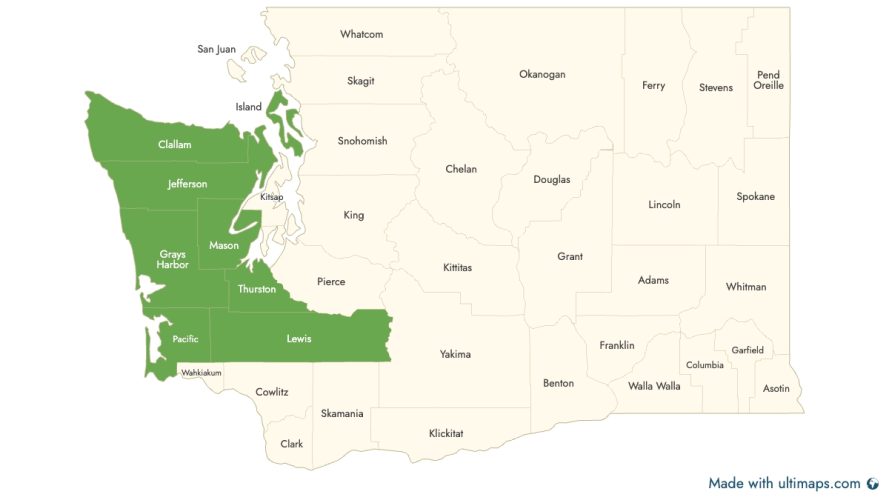
From the dense forests of the Olympic Peninsula to the working-class river towns along the Columbia, the transition to fare-free transit is more than a convenience; it is a strategic response to rising gas prices, a climbing cost of living, and the unique geographical challenges of rural life. While major metropolitan hubs like Seattle continue to utilize fare-based systems, rural agencies in Clallam, Grays Harbor, Island, Jefferson, Lewis, Mason, Pacific, and Thurston counties have discovered that the cost of collecting money often outweighs the revenue generated at the fare box.
The Economic Logic of Zero-Fare Transit
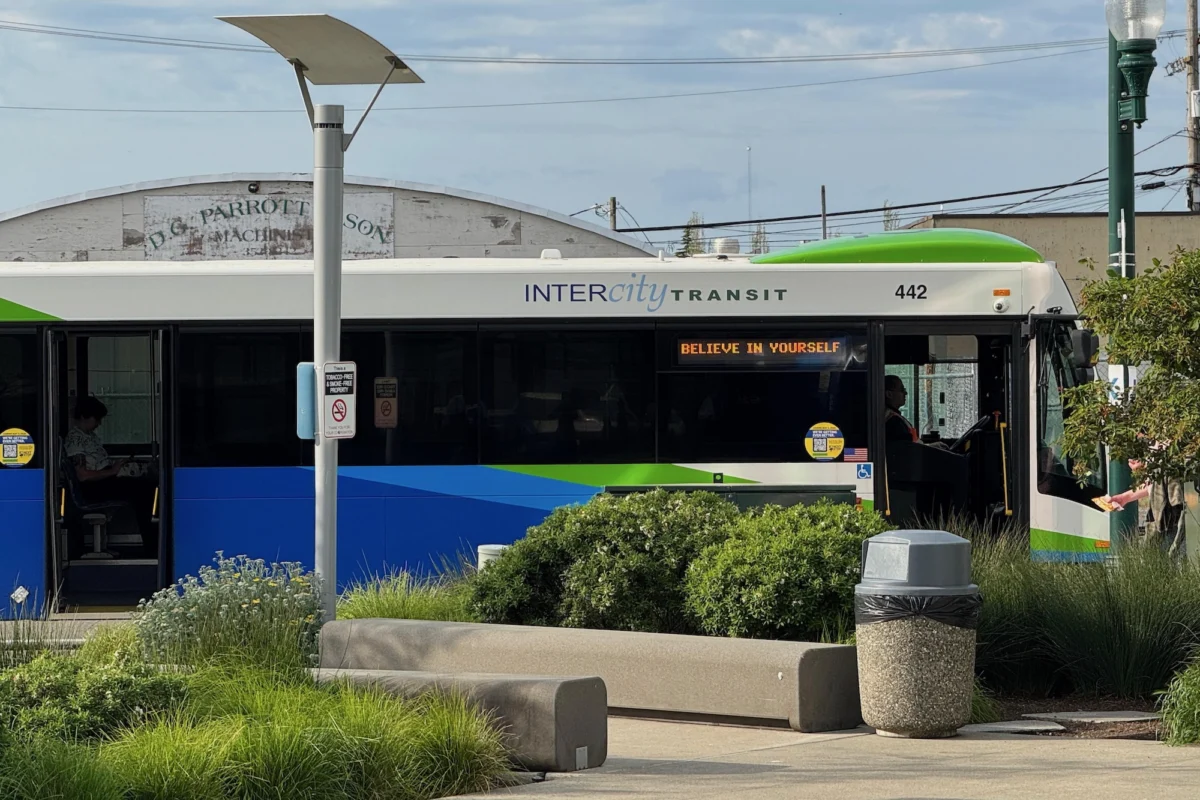
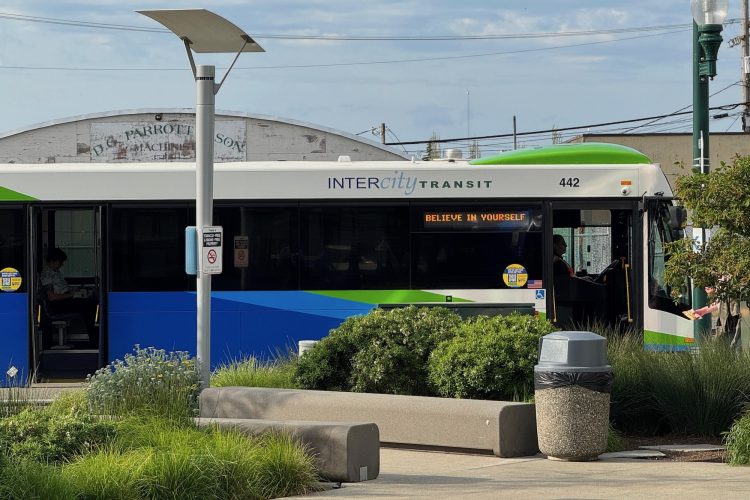
The decision to go fare-free is frequently rooted in a pragmatic assessment of "farebox recovery"—the percentage of operating costs covered by passenger fares. For many rural transit agencies, this rate is remarkably low. In Thurston County, home to the state capital of Olympia, officials with Intercity Transit conducted an exhaustive study in 2018 to determine the efficiency of their collection methods.
The agency found that fares accounted for a mere 2 to 3 percent of their total revenue. Furthermore, the administrative burden of managing a fare system—including the maintenance of aging fare boxes, the security requirements for handling cash, and the projected $7 million cost to implement a modern electronic fare card system—made the pursuit of ticket revenue financially counterproductive. Instead of investing millions in technology to collect pennies, Thurston County residents voted to increase the local sales tax by 0.4 percent, providing a stable funding stream that allowed the agency to eliminate fares entirely in early 2020.
Don Chartock, director of the Public Transportation Division at the Washington State Department of Transportation (WSDOT), notes that this pattern is common in areas with lower population density. "For the rural systems that don’t have a lot of density, it can actually cost more to manage a fare system than what people actually collect," Chartock explained. By removing the financial barrier, these agencies are essentially trading a negligible revenue source for a significant increase in operational efficiency and community access.
A Chronology of Legislative and Local Support
The momentum for fare-free transit in Washington has built steadily over the last decade, bolstered by both local initiatives and landmark state legislation.
- 2018-2020: The Thurston Pioneer: Thurston County’s Intercity Transit became a flagship model for the region. By securing voter approval for a sales tax increase, the agency demonstrated that the public was willing to trade a small tax hike for a robust, free-to-use transit network.
- 2022: Move Ahead Washington: The state legislature passed the "Move Ahead Washington" package, a 16-year, $16.9 billion transportation investment. Crucially, this package dedicated $3 billion toward public transit, funded largely by the state’s Climate Commitment Act (CCA).
- The Youth Incentive: As part of the 2022 funding package, the state offered lucrative grants to transit agencies that agreed to make their services free for everyone under the age of 18. For many agencies, the value of these state grants exceeded what they were currently collecting in fares from all riders combined.
- 2023-Present: The Coastal Expansion: Seizing the opportunity provided by state grants and federal Section 5310 funding—which supports enhanced mobility for seniors and individuals with disabilities—counties like Grays Harbor and Mason expanded their zero-fare policies to include all riders, creating a seamless, fare-free corridor across western Washington.
Bridging the Rural Divide: Social and Healthcare Impacts
The impact of free transit is perhaps most visible in the "transit deserts" of the rural U.S., where the median household income is lower than in urban centers and seniors comprise nearly 20 percent of the population. In these areas, the lack of a personal vehicle can lead to profound social isolation and a lack of access to essential services.
In Grays Harbor County, where the economy was historically built on logging and fishing, the transit system serves as a lifeline for residents traveling to the regional hub of Hoquiam or the state capital. Eric Lint, a communications specialist at Grays Harbor Transit, emphasizes that the agency’s role extends beyond simple commuting. The system provides access to healthcare and education, such as Grays Harbor College, which would otherwise be unreachable for those without reliable cars.
A poignant example of this connectivity occurred in 2024, when a dialysis center in Grays Harbor County was forced to close temporarily for maintenance. The closure left 29 patients—many of whom require life-sustaining treatment multiple times per week—without a local facility. The nearest clinics were 50 miles away in Olympia. In a coordinated effort, Grays Harbor Transit and Mason Transit utilized their fare-free networks and microtransit vans to shuttle patients across county lines, ensuring that no one missed a critical appointment due to transportation costs or logistics.
Improving Safety and Operational Efficiency
Beyond the social benefits, the elimination of fares has had a measurable impact on the daily operations of the bus fleets. Fare disputes have long been cited as a primary driver of conflict between passengers and drivers. According to national transit data, disagreements over boarding fees are a leading cause of operator assaults.
Since removing fares, agencies in western Washington have reported a decrease in these incidents. Robert Andrews, a driver trainer in Thurston County, noted that the transition initially required a shift in mindset for long-term employees who viewed fare collection as a core responsibility. However, the reduction in "boarding friction" has led to faster route times and higher employee retention. "The zero-fare definitely helps on a deeper level because that’s one less stress that you have to worry about," Andrews said.
The Rise of Microtransit: On-Demand Innovation
To address the limitations of fixed-route buses in sparsely populated areas, several Washington counties have introduced "microtransit." This model functions similarly to ride-sharing services like Uber or Lyft but is operated by the public sector and integrated into the fare-free system.
In Grays Harbor, the "HarborFlex" service allows residents in small towns to order on-demand rides in vans or SUVs. This service is particularly vital for seniors who may live miles from the nearest bus stop. By utilizing smaller vehicles and flexible routing, the county can provide "first-mile, last-mile" connectivity that a traditional 40-foot transit bus cannot achieve efficiently. This hybrid approach ensures that the benefits of zero-fare transit reach the most isolated residents of the national forest edges and coastal villages.
Challenges: Funding Volatility and Service Gaps
Despite the success of these programs, the future of fare-free transit in Washington is not guaranteed. The primary funding mechanism—local sales tax—is highly sensitive to economic downturns. If consumer spending drops, the revenue supporting the transit agencies follows suit.
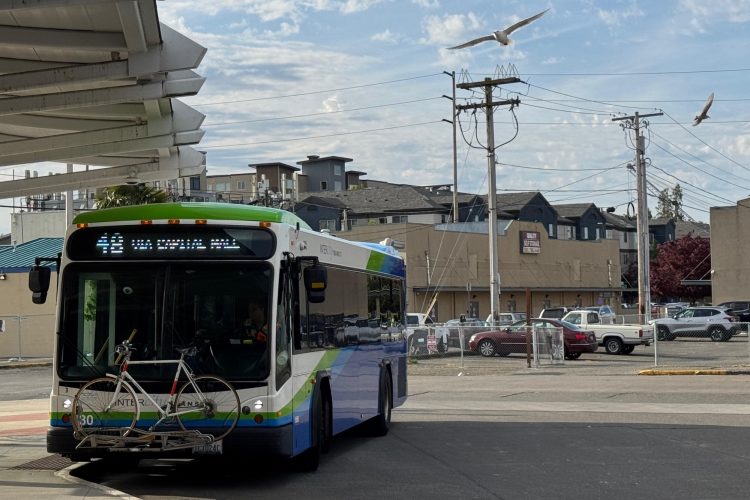
Furthermore, the political landscape remains a factor. In Thurston County, the zero-fare program is currently authorized only through 2028. In Grays Harbor, the board of directors must re-approve the fare policy annually. A shift in the political composition of local boards or a change in state-level climate funding could force agencies to reinstate fares. Grays Harbor Transit, for instance, still maintains boxes of unused transfer tickets and cash-counting machines, a physical reminder that they must be prepared to reverse course if funding disappears.
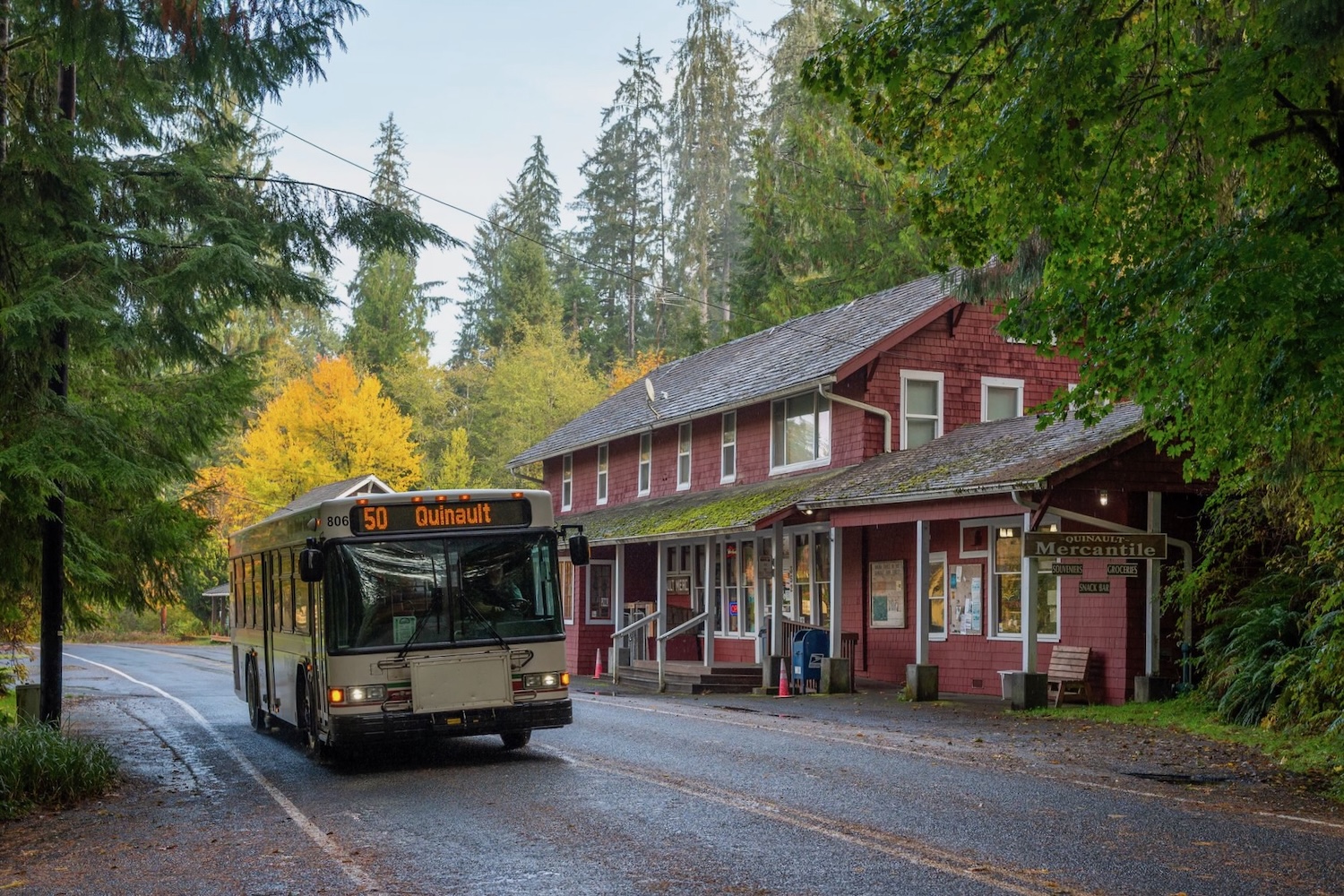
There also remains the challenge of "frequency vs. cost." While the bus may be free, it is only useful if it runs when people need it. In tribal communities like Taholah on the Quinault Indian Reservation, residents note that while they appreciate the free service, the infrequent schedule often fails to align with standard work shifts or medical needs. "There would not be enough revenue in the world to meet all of the transit needs of a rural area," Chartock admitted, highlighting the constant struggle to balance coverage with limited resources.
A Model for the Nation?
As of 2026, ridership per capita in southwest Washington far exceeds the national average for rural regions. This data suggests that when the barrier of cost is removed, rural residents are eager to embrace public transportation. The success of Washington’s "zero-fare decade" provides a compelling case study for other states looking to reduce carbon emissions and support aging populations.

The regional model demonstrates that transit is not merely a service for those who cannot afford cars, but a foundational piece of infrastructure that supports public health, economic stability, and community safety. For residents like Mike Holbein, a chef in Olympia who has used the system for two decades, the shift to zero-fare has transformed a utility into a community asset. "Everything has gone up in cost so much in our daily lives," Holbein noted. "I hope we can continue this forever."
As Washington continues to monitor the impact of its 16-year transportation package, the eyes of urban planners and policy makers across the country remain fixed on these rural coastal counties. They have proven that in the right legislative environment, the "price of a cup of coffee" is a price worth paying to keep a community moving.
