

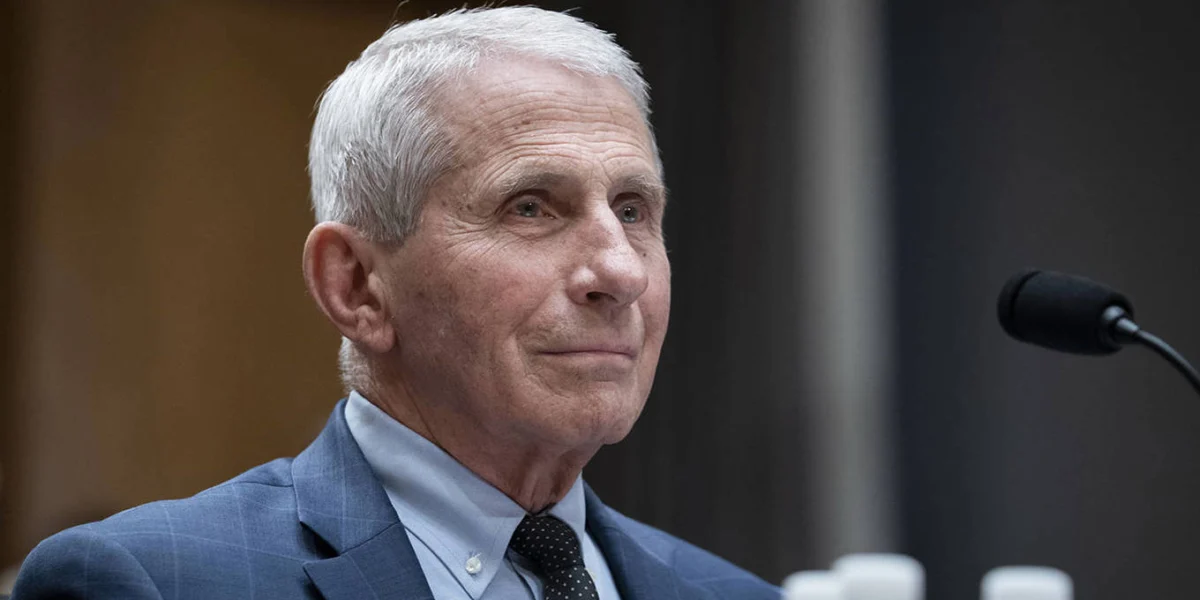
The recent Senate hearing featuring Dr. Anthony Fauci, a figure synonymous with American public health for decades, has ignited a significant debate extending far beyond the confines of a single congressional chamber. While the immediate spectacle involved partisan sparring and pointed accusations, the underlying currents reveal a deeper ideological rift concerning the role of scientific expertise in governance and a broader critique of how public health crises are managed and communicated. The decision by a faction of Republican senators to subject Dr. Fauci, a renowned immunologist with a career spanning over four decades, to intense scrutiny and what many observers deemed gratuitous attacks, signals a more profound disquiet within certain political circles regarding the very foundations of evidence-based policymaking. This event, occurring on August 6, 2026, and reported by Ian Buruma, serves as a focal point for examining the evolving relationship between politics, science, and public trust in the United States.
Background: A Career Dedicated to Public Health
Anthony Fauci’s tenure in public service is unparalleled in its breadth and impact. As the director of the National Institute of Allergy and Infectious Diseases (NIAID) from 1984 to 2022, he navigated some of the most significant public health challenges of the late 20th and early 21st centuries. His early work was pivotal in developing effective treatments for HIV/AIDS, transforming a deadly epidemic into a manageable chronic condition for millions. He earned international recognition for his leadership in this area, laying the groundwork for future pandemic preparedness strategies.
During the COVID-19 pandemic, Dr. Fauci became a household name, serving as the chief medical adviser to both Presidents Trump and Biden. His prominent role in communicating public health guidance, explaining complex scientific concepts to the public, and advising on policy decisions placed him at the forefront of the nation’s response. This visibility, however, also made him a target for criticism and misinformation campaigns, particularly from those who questioned the efficacy of public health measures like masking and vaccination, or who felt the government’s response was overly restrictive.
The Senate Hearing: A Spectacle of Partisan Attack
The hearing before the US Senate Committee on Homeland Security and Governmental Affairs was ostensibly about the origins of COVID-19 and the government’s response. However, the proceedings quickly devolved into a forum for Republican senators to voice their grievances and criticisms against Dr. Fauci and, by extension, the scientific establishment. Senators such as Rand Paul, a vocal critic of Fauci’s during the pandemic, were prominent in their questioning, often framed in accusatory tones.
The nature of the attacks often transcended direct scientific debate. Instead, they frequently focused on perceived inconsistencies in guidance, the economic impact of public health measures, and allegations of political interference or bias. For instance, discussions around the "lab leak" theory of COVID-19’s origins, a subject of ongoing scientific and intelligence community investigation, were often presented by some senators not as an area of legitimate inquiry, but as an indictment of Dr. Fauci’s prior assessments.
Data and Context: Understanding the Scientific and Political Landscape
To understand the significance of these attacks, it is crucial to consider the scientific landscape Dr. Fauci operated within and the political environment that shaped the hearing.
-
Scientific Uncertainty and Evolving Guidance: The COVID-19 pandemic presented an unprecedented scientific challenge. As a novel virus, much was initially unknown about its transmission, severity, and long-term effects. Public health guidance, therefore, necessarily evolved as new data emerged. This iterative process of scientific discovery and adaptation, while standard in scientific practice, was often misconstrued by critics as evidence of incompetence or deception. For example, initial recommendations regarding mask-wearing were based on the understanding of transmission at the time, which later evolved with greater understanding of asymptomatic spread.
-
The Role of Experts in Policymaking: Dr. Fauci’s career embodied the ideal of a public servant who bridges the gap between scientific knowledge and political decision-making. He was tasked with providing expert advice to policymakers, who then had the responsibility to translate that advice into actionable policy, often in the face of competing economic, social, and political considerations. The MAGA Republican critique, however, appears to target not just the advice itself, but the very authority of scientists to inform policy, suggesting a preference for decision-making unburdened by expert consensus.
-
The Rise of Misinformation and Distrust: The pandemic coincided with a significant increase in the spread of misinformation, particularly on social media. Dr. Fauci, as a highly visible public figure associated with official guidance, became a frequent target of these disinformation campaigns. This environment fostered a climate of distrust, making it challenging for public health authorities to communicate effectively and for the public to discern credible information from falsehoods. Data from Pew Research Center, for instance, consistently showed a partisan divide in trust in scientific institutions and experts during this period.
Timeline of Key Events Leading to the Hearing:
- Early 2020: COVID-19 emerges globally, prompting initial public health responses. Dr. Fauci becomes a central figure in the US response.
- 2020-2022: Widespread implementation of public health measures (masking, social distancing, lockdowns) and development of vaccines. Intense public debate and political polarization surrounding these measures.
- Throughout the Pandemic: Dr. Fauci faces persistent criticism from conservative media and political figures, often accusing him of shifting goalposts or overstating the threat.
- Post-Pandemic Era: As the immediate crisis recedes, political scrutiny of the pandemic response intensifies. Congressional committees, particularly those controlled by Republicans, announce plans for oversight hearings.
- August 6, 2026: The Senate Committee on Homeland Security and Governmental Affairs holds a hearing where Dr. Anthony Fauci is questioned by senators.
Reactions and Interpretations: Beyond the Hearing Room
The hearing was not merely an isolated incident; it was a continuation of a broader political strategy and ideological stance.
-
MAGA Republican Stance: For many within the MAGA movement, Dr. Fauci came to symbolize an overreaching, “establishment” scientific bureaucracy that they believe undermined individual liberties and economic freedom. Their decision to bring him before a Senate committee was framed as an act of accountability, a chance to expose what they view as flawed decision-making and a disregard for dissenting opinions. This perspective often emphasizes individual autonomy over collective public health imperatives and expresses skepticism towards large governmental institutions.
-
Scientific Community Response: Many scientists and public health professionals expressed concern and disappointment over the nature of the questioning. They viewed the attacks as unproductive, politically motivated, and potentially damaging to public trust in science. Statements from organizations like the American Medical Association and the Infectious Diseases Society of America often underscored the importance of evidence-based policy and the need for respectful discourse, even when addressing complex scientific issues. They argued that such hearings, when conducted in a spirit of partisan animosity, can deter future scientists from entering public service.
-
Public Opinion: Public opinion on Dr. Fauci and the pandemic response remained divided. While he retained significant support among those who valued his expertise and guidance, he also became a polarizing figure. The hearing likely reinforced existing views rather than swaying public opinion broadly. Polling data from various institutions throughout the pandemic consistently demonstrated a partisan split in attitudes towards public health measures and the experts associated with them.
Analysis and Broader Implications: The Future of Expertise in Politics
The confrontational hearing with Dr. Fauci highlights several critical issues with far-reaching implications:
-
Erosion of Trust in Expertise: The repeated targeting of respected scientific figures can have a corrosive effect on public trust in scientific institutions and expertise. When scientific advice is consistently framed as partisan or politically motivated, it becomes harder for the public to rely on it for informed decision-making, particularly during future crises. This can lead to a populace less willing to accept evidence-based recommendations for public health, environmental protection, or other critical areas.
-
Politicization of Science: The event underscores the increasing politicization of scientific issues. Instead of engaging with scientific findings on their merits, political factions may seek to weaponize them to advance their agendas. This can stifle scientific inquiry and create an environment where political expediency trumps evidence.
-
Challenges for Public Health Communication: For public health agencies and their leaders, the experience of Dr. Fauci demonstrates the immense challenges of communicating effectively in a highly polarized political environment. The need to not only convey scientific information but also to navigate partisan attacks and misinformation campaigns adds a significant layer of complexity to their roles.
-
The Role of Congress: Congressional oversight is a vital function of government. However, when oversight hearings devolve into partisan spectacles designed to “pillory” individuals rather than to genuinely understand and improve policy, they risk undermining the very institutions they are meant to strengthen. The focus on personal attacks rather than substantive policy evaluation can detract from the potential for constructive dialogue and legislative improvement.
In conclusion, the Senate hearing featuring Dr. Anthony Fauci, as reported on August 6, 2026, was more than a simple political confrontation. It served as a potent symbol of a growing ideological conflict over the role of scientific expertise in American governance. The decision by a segment of Republican senators to subject a distinguished public servant to such intense and often personal criticism reflects a broader disdain for the scientists who advise policymakers. This event, set against the backdrop of a pandemic that exposed deep societal divisions, raises critical questions about the future of science in public life and the enduring challenge of fostering trust and reasoned discourse in an increasingly polarized political landscape. The long-term consequences of such exchanges could impact not only public health initiatives but also the very fabric of evidence-based policymaking in the United States.
