

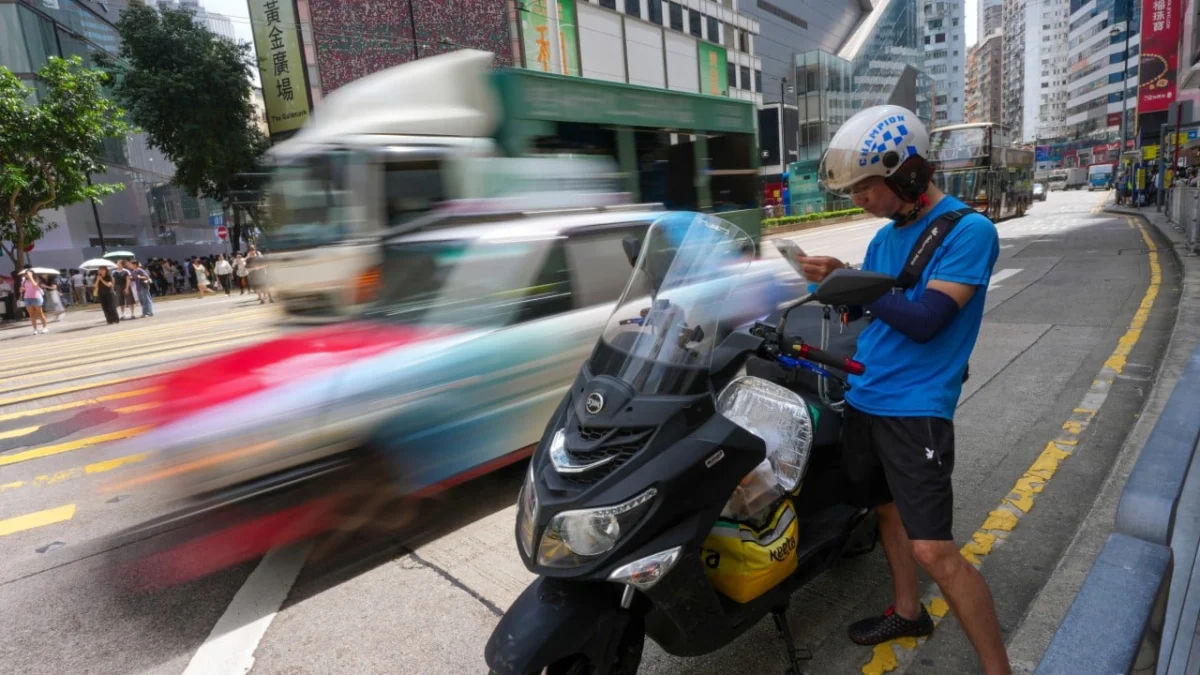
The case of Raj Bhattarai, a delivery rider in his forties, serves as a stark illustration of the precarious nature of Hong Kong’s gig economy. About a year ago, Bhattarai was performing his duties on his motorcycle when he was rear-ended by another vehicle. The physical toll was immediate—a debilitating back injury that forced him into a month of sick leave. However, the financial toll proved to be just as agonizing. As the sole breadwinner for his family, including a young child, Bhattarai saw his monthly income of approximately HK$30,000 (US$3,820) vanish instantly. It took ten months of bureaucratic hurdles and waiting before he received any compensation. When the payout finally arrived, it totaled a mere HK$3,000—just 10 percent of what he would typically earn in a single month.
Bhattarai’s ordeal is not an isolated incident. Across Hong Kong’s bustling streets, thousands of couriers for platforms such as Foodpanda, Deliveroo, and KeeTa navigate heavy traffic and unpredictable weather, often with minimal institutional protection. As the Labour and Welfare Bureau (LWB) moves forward with a landmark proposal to introduce a statutory work injury compensation scheme for gig workers, a heated debate has emerged. Unions and riders are now calling for the legislation to go significantly further than the current draft, specifically demanding that "logged-on" waiting time be classified as protected working hours and that compensation be calculated based on long-term income averages rather than narrow windows of activity.
The Proposed Legislative Framework: A Shift in Labor Policy
The Hong Kong government’s move to regulate gig worker protections marks a significant pivot in labor policy. Traditionally, digital platform workers have been classified as "self-employed" or "independent contractors." This classification has allowed platforms to bypass the mandatory requirements of the Employees’ Compensation Ordinance, which dictates that employers must provide insurance coverage for workplace injuries.
Under the new proposal currently being discussed by the Labour and Welfare Bureau, digital platforms would be required to provide a form of mandatory insurance for their riders. This would ensure that when an accident occurs, there is a clear, statutory path to compensation. However, the crux of the current dispute lies in the definition of "working hours" and the methodology for calculating payouts.
Currently, many platforms provide discretionary insurance, but workers argue these policies are riddled with loopholes. For instance, some policies only cover a rider from the moment they accept a delivery to the moment they drop it off. If a rider is struck by a vehicle while waiting for an order to appear on the app—even if they are positioned in a high-traffic area specifically to receive work—they may find themselves ineligible for a claim.
The "Logged-On" Dilemma: Waiting as Work
One of the most vocal demands from labor unions, including the Hong Kong Federation of Trade Unions (HKFTU) and various delivery worker associations, is the inclusion of "logged-on waiting time" in the definition of work.
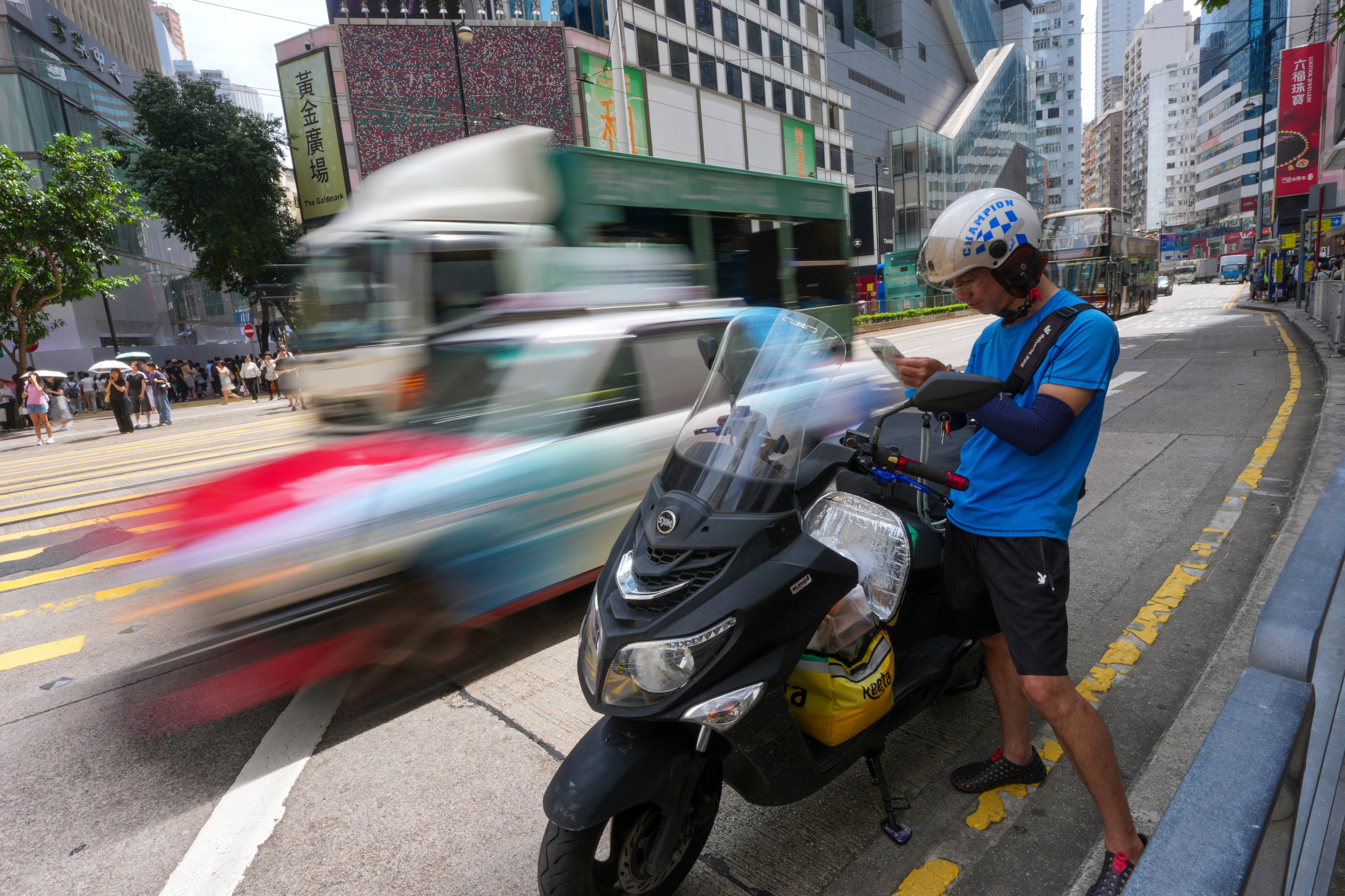
In the gig economy, "waiting" is not leisure. Riders must remain in specific geographic zones, often outdoors in extreme heat or rain, while monitoring their mobile devices for the next notification. Because the algorithms of platforms like KeeTa or Foodpanda often prioritize riders who are active and nearby, the act of waiting is an essential component of the service provided to the platform.
"If a rider is logged into the system, they are at the disposal of the company," a union representative stated during a recent consultation. "They cannot go home; they cannot engage in other personal activities. They are waiting for the company to give them a task. Therefore, any injury sustained during this period should be considered a workplace injury."
The government’s current proposal remains cautious on this front, fearing that a broad definition of working hours could lead to significantly higher insurance premiums, which platforms might then pass on to consumers or deduct from rider fees. However, riders argue that without this inclusion, the protection remains "half-baked," leaving them vulnerable during the hours they are most exposed to the risks of the road.
Chronology of the Gig Economy Crisis in Hong Kong
The push for legislative change has been years in the making, fueled by a series of high-profile accidents and labor strikes:
- 2020–2021: The Pandemic Surge: The COVID-19 pandemic led to an explosion in food delivery demand. As thousands of people lost traditional jobs, they flocked to gig platforms. This period saw a corresponding rise in road accidents involving couriers.
- November 2021: Foodpanda Strikes: Hundreds of Foodpanda riders went on strike over cuts to delivery fees and the lack of insurance transparency. This event forced a public conversation about the "contractor" status of riders.
- 2022: Court Rulings and Consultations: Several legal challenges in small claims courts and labor tribunals began to test the definition of "employee" versus "contractor," with some adjudicators noting the high level of control platforms exert over their workers.
- Early 2024: LWB Proposal: The Labour and Welfare Bureau officially announced it was studying a mandatory insurance model, drawing inspiration from similar frameworks in other jurisdictions.
- August 2026: The Current Standoff: As the Bureau refines the legislative language, the gap between government proposals and union expectations remains a focal point of contention.
Supporting Data: The Financial Gap
The discrepancy between Raj Bhattarai’s HK$30,000 monthly income and his HK$3,000 payout highlights a systemic issue in how "average daily wages" are calculated for gig workers.
In traditional employment, an injured worker is typically entitled to four-fifths of their average earnings during their period of temporary incapacity. For gig workers, however, earnings fluctuate wildly based on peak hours, weather incentives, and the number of orders available.
Unions are advocating for a calculation based on at least a 12-month income average. They argue that using a shorter window—such as the month immediately preceding an accident—can be misleading, especially if the rider was working fewer hours due to illness or vehicle maintenance.
According to industry estimates, there are over 100,000 individuals engaged in platform-based delivery and transport work in Hong Kong. A survey conducted by labor groups found that:
- 70% of riders felt their current insurance coverage was "unclear" or "insufficient."
- 45% of injured riders reported waiting more than six months for any form of insurance response.
- Over 80% supported the inclusion of waiting time in statutory protections.
Stakeholder Reactions and Platform Perspectives
The digital platforms themselves—the "Big Three" of Foodpanda, Deliveroo, and KeeTa—have maintained a careful stance. While they generally support the idea of improved safety for riders, they emphasize the "flexibility" that the current model provides.
In various statements, platform operators have argued that reclassifying riders as employees or drastically expanding the scope of insurance could undermine the very flexibility that attracts workers to the gig economy. They suggest that if waiting time is compensated or insured, they may have to implement stricter shifts or "log-off" riders during slow periods to manage costs, thereby reducing the riders’ ability to work whenever they choose.
On the other side, Legislative Council members have expressed concerns about the social cost of the status quo. "When a rider is injured and has no insurance, the burden falls on the public healthcare system and social welfare nets," noted one lawmaker. "By making platforms responsible for insurance, we are internalizing the true cost of these services rather than subsidizing them through taxpayer-funded welfare."
International Context: How Hong Kong Compares
Hong Kong is not alone in grappling with these issues. The global trend is moving toward "Third Category" worker status—a middle ground between a full employee and an independent contractor.
- Singapore: In 2024, Singapore introduced a landmark law requiring platforms to provide work injury compensation and contribute to the Central Provident Fund (CPF) for delivery workers and private-hire drivers. Crucially, Singapore’s model focuses on ensuring that the level of protection is "at par" with regular employees for work-related injuries.
- United Kingdom: Following a Supreme Court ruling involving Uber, workers are entitled to the national living wage and holiday pay from the moment they log into the app, not just when they have a passenger.
- European Union: The EU’s Platform Work Directive aims to create a legal presumption of employment if certain criteria of control and direction are met, which would automatically trigger comprehensive insurance requirements.
Hong Kong’s proposal is seen as a step toward the Singaporean model, but critics argue it lacks the robustness of the UK or EU approaches regarding the "logged-on" time.
Analysis of Implications and Broader Impact
The final shape of this legislation will have profound implications for Hong Kong’s economy and social fabric. If the government yields to union demands and includes waiting time, it could set a precedent for other sectors of the gig economy, such as freelance graphic designers, tutors, or home-care providers who use digital platforms.
From an economic perspective, higher insurance costs for platforms will likely lead to an increase in delivery fees for consumers. In a city where food delivery has become a daily necessity for many, this could trigger a shift in consumer behavior. However, proponents argue that a marginal increase in the price of a milk tea or a lunch box is a small price to pay for the dignity and safety of the workers delivering them.
Furthermore, the "10-month wait" experienced by Bhattarai highlights a need for a more efficient claims adjudication process. Even with a statutory scheme, if the mechanism for payout is bogged down in bureaucracy, the financial protection remains illusory. Unions are calling for a "fast-track" system for clear-cut road accidents to ensure workers don’t fall into debt while recovering.
Conclusion: A Test of Labor Rights in the Digital Age
As the Labour and Welfare Bureau continues its deliberations, the story of Raj Bhattarai remains a haunting reminder of the stakes involved. For Bhattarai, the HK$3,000 payout was not just a financial insult; it was a sign that his labor and his risks were undervalued by the system he served.
The upcoming legislative session will determine whether Hong Kong chooses to maintain its "pro-business" hands-off approach or if it will evolve to protect a new generation of workers. For the riders on the front lines, the message is clear: insurance that only covers the "ride" and ignores the "rider" is not enough. They are seeking a safety net that recognizes the reality of their work—a reality that includes the dangerous, unpaid, and currently uninsured hours spent waiting on the street for the next notification to chime.
