

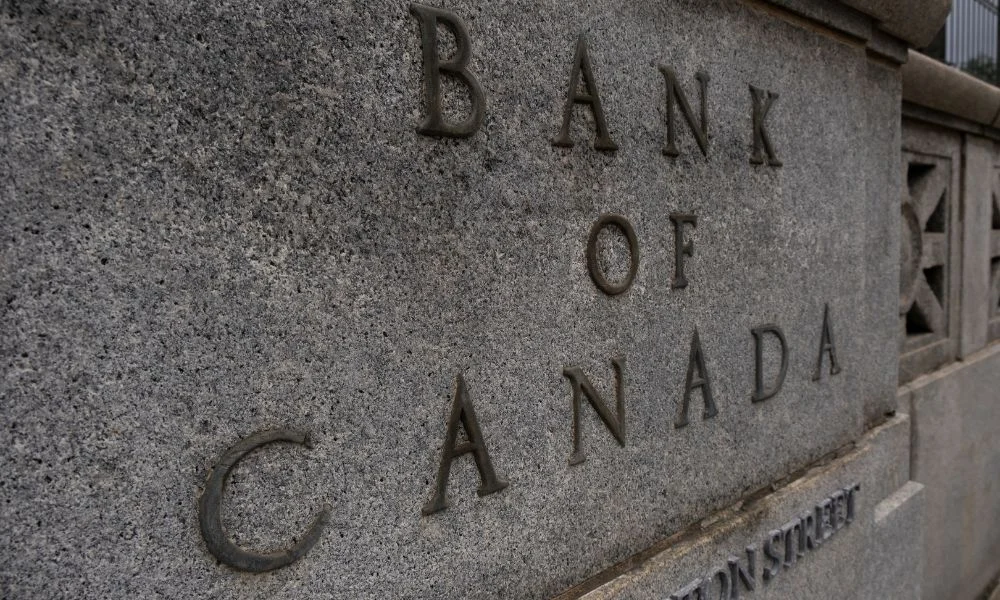
Canada’s economic pulse is set to be revealed on Friday with the release of Statistics Canada’s second-quarter Gross Domestic Product (GDP) estimate. This highly anticipated data will offer a crucial snapshot of the nation’s economic performance, providing insights into the strength of the rebound following recent economic headwinds. The figures are expected to shed light on whether the Bank of Canada’s current monetary policy stance – holding interest rates steady – remains appropriate, even as financial markets continue to ponder the possibility of future rate adjustments.
The Bank of Canada’s own assessment, detailed in the summary of its July deliberations released on Wednesday, indicated a governing council that is more confident about the economy’s second-quarter performance. However, this confidence is tempered by internal division regarding the sustainability of this rebound beyond the immediate term. This nuanced outlook has led many economists to believe the central bank will maintain its current interest rate policy through the remainder of the year, prioritizing patience and careful observation of evolving economic conditions.
Economic Rebound Amidst Lingering Uncertainty
The Bank of Canada’s July meeting minutes painted a picture of a governing council acknowledging a robust rebound in GDP growth during the second quarter. This positive momentum, however, was not universally seen as a harbinger of sustained strength. The summary explicitly noted "a range of views among Governing Council members about the sustainability of the rebound beyond the near term." This internal divergence suggests that while immediate economic indicators may be encouraging, underlying vulnerabilities and potential future challenges are being closely monitored.
TD Securities, in its analysis of the Bank of Canada’s deliberations, characterized the tone as "relatively balanced." The firm highlighted the Bank’s observation that the economy is actively adjusting to recent shocks, which in turn has bolstered confidence in future growth. This adaptation, the Bank suggests, is a testament to the resilience of the Canadian economic landscape. However, TD Securities also pointed to a specific concern within the minutes: "concern over medium-term inflation expectations drifting higher, even as longer-term measures remain well anchored." This suggests a delicate balancing act for policymakers, who must manage immediate growth concerns while remaining vigilant against the resurgence of inflation.
Divergent Views on Monetary Policy Trajectory
The differing perspectives within the Bank of Canada’s Governing Council are a key takeaway from the released minutes. While the immediate focus is on the anticipated second-quarter growth, the long-term outlook for interest rates remains a subject of debate among economic observers and within the market.
RBC Economics, for instance, has projected that the Bank of Canada will maintain its current policy rate well into the following year. Senior economist Claire Fan articulated this view, suggesting that policymakers should adopt a "steady but nimble" approach. Her forecast indicates rates holding at "borderline accommodative levels through 2026, before improving economic conditions prompt moderate rate hikes in 2027." This outlook implies a prolonged period of interest rate stability, with any potential adjustments being gradual and contingent on sustained economic improvement.
Market Signals and Inflationary Pressures
Despite the consensus among many economists and the Bank of Canada’s apparent inclination towards holding rates steady, financial markets are not entirely convinced. Some market participants continue to price in a small but persistent chance of further interest rate tightening. This divergence between the central bank’s messaging and market expectations underscores the inherent uncertainty surrounding the economic future.
Capital Economics North America economist Thomas Ryan commented on the Bank’s stance following the July 15th decision, noting that the central bank’s communication "suggests it has no intention of responding to energy-driven inflation with higher interest rates." However, he also observed that "money markets continue to price in some chance of tightening." This suggests that while the Bank may be signaling a pause, market dynamics are factoring in potential scenarios that could necessitate a shift in policy.
The Bank of Canada itself acknowledged the potential for inflationary pressures to resurface, leaving the door ajar for a policy response if circumstances warrant. The July summary warned that "if oil prices increased and were to stay higher, spillovers to other prices could increase, raising the risk that inflation would broaden." Such a scenario, the Bank noted, "would likely require a monetary policy response." This caveat is particularly relevant given the volatile nature of global energy markets.

The Impact of Energy Prices and Global Geopolitics
The interplay between energy prices and inflation has been a significant factor shaping the Canadian economic landscape. Inflation climbed to 3.2 percent in May, largely driven by an oil price spike. While it subsequently eased to 2.8 percent in June, partly due to cooling geopolitical tensions between the United States and Iran, the episode served as a stark reminder of the sensitivity of Canadian inflation to global energy market fluctuations.
The upcoming release of Statistics Canada’s second-quarter GDP estimate, alongside May GDP figures, will provide crucial data to assess the economy’s resilience. The Bank of Canada has previously pegged the second quarter’s annualized growth at approximately 2.5 percent. The incoming data will either confirm this projection or suggest a different trajectory, influencing future monetary policy considerations.
Adding another layer of complexity to the economic outlook is the recent threat of significant tariffs on a range of Canadian goods by the United States. This development, reported by The Canadian Press, represents a potential "ever-present downside risk to growth" that was already acknowledged by the Bank of Canada. The imposition of such tariffs could disrupt trade flows, impact export-oriented industries, and create broader economic uncertainty, potentially influencing the Bank’s assessment of the sustainability of the current rebound.
Looking Ahead: Data, Decisions, and the Path Forward
The coming days and weeks will be critical for understanding the direction of Canada’s economy and the Bank of Canada’s policy response. The release of the second-quarter GDP data on Friday will offer immediate insights into the nation’s economic output. Following this, the Bank of Canada’s next scheduled interest rate decision is slated for September 2nd.
Most economists, according to The Canadian Press, still anticipate that the Bank will hold its policy rate steady for the remainder of the year. This expectation is based on the current assessment of economic conditions and the Bank’s communicated preference for patience. However, the potential impact of escalating global trade tensions and the persistent influence of energy prices on inflation remain key variables that could necessitate a reassessment of this outlook.
The Bank of Canada’s commitment to monitoring both domestic and international economic developments, while remaining prepared to adjust its monetary policy as needed, will be paramount in navigating the complexities of the current economic environment. The coming data releases and subsequent policy decisions will be closely scrutinized by businesses, consumers, and financial markets alike, all seeking clarity on the path ahead for Canada’s economy. The careful balance between fostering growth and ensuring price stability will continue to define the Bank’s mandate and its strategic approach to monetary policy.
Historical Context and Broader Implications
The current economic juncture for Canada is shaped by a period of significant global disruption, including supply chain challenges, geopolitical instability, and inflationary pressures that have impacted economies worldwide. Following a period of aggressive interest rate hikes by central banks globally in an effort to combat soaring inflation, the focus has now shifted to whether economies can achieve a "soft landing" – a deceleration of inflation without triggering a severe recession.
The Bank of Canada has been navigating this complex terrain, implementing rate hikes from March 2022 until its pause in January 2024. During this period, the policy interest rate was raised from 0.25% to 5.00%, the highest level in over two decades. This aggressive tightening cycle was designed to cool demand and bring inflation back within the Bank’s target range of 1% to 3%. The current pause reflects a belief that the cumulative effects of these hikes are working their way through the economy, and that further tightening may not be necessary unless inflation proves more persistent than anticipated.
The implications of the upcoming GDP figures extend beyond mere economic statistics. They will influence business investment decisions, consumer spending patterns, and the overall confidence in the Canadian economy. A stronger-than-expected GDP report could bolster sentiment and encourage businesses to expand, while weaker data might lead to a more cautious approach. Furthermore, the Bank of Canada’s future policy decisions will have a direct impact on borrowing costs for individuals and businesses, affecting mortgage rates, loan payments, and the overall cost of capital.
The continued monitoring of medium-term inflation expectations is particularly crucial. If these expectations become unanchored and begin to rise significantly, it could create a self-fulfilling prophecy, leading to broader wage-price spirals and making it more difficult for the Bank to bring inflation under control without more drastic measures. The Bank’s communication strategy, therefore, plays a vital role in managing these expectations and guiding economic behavior. The forthcoming data from Statistics Canada will be a key input in this ongoing dialogue between the central bank and the Canadian public.
