

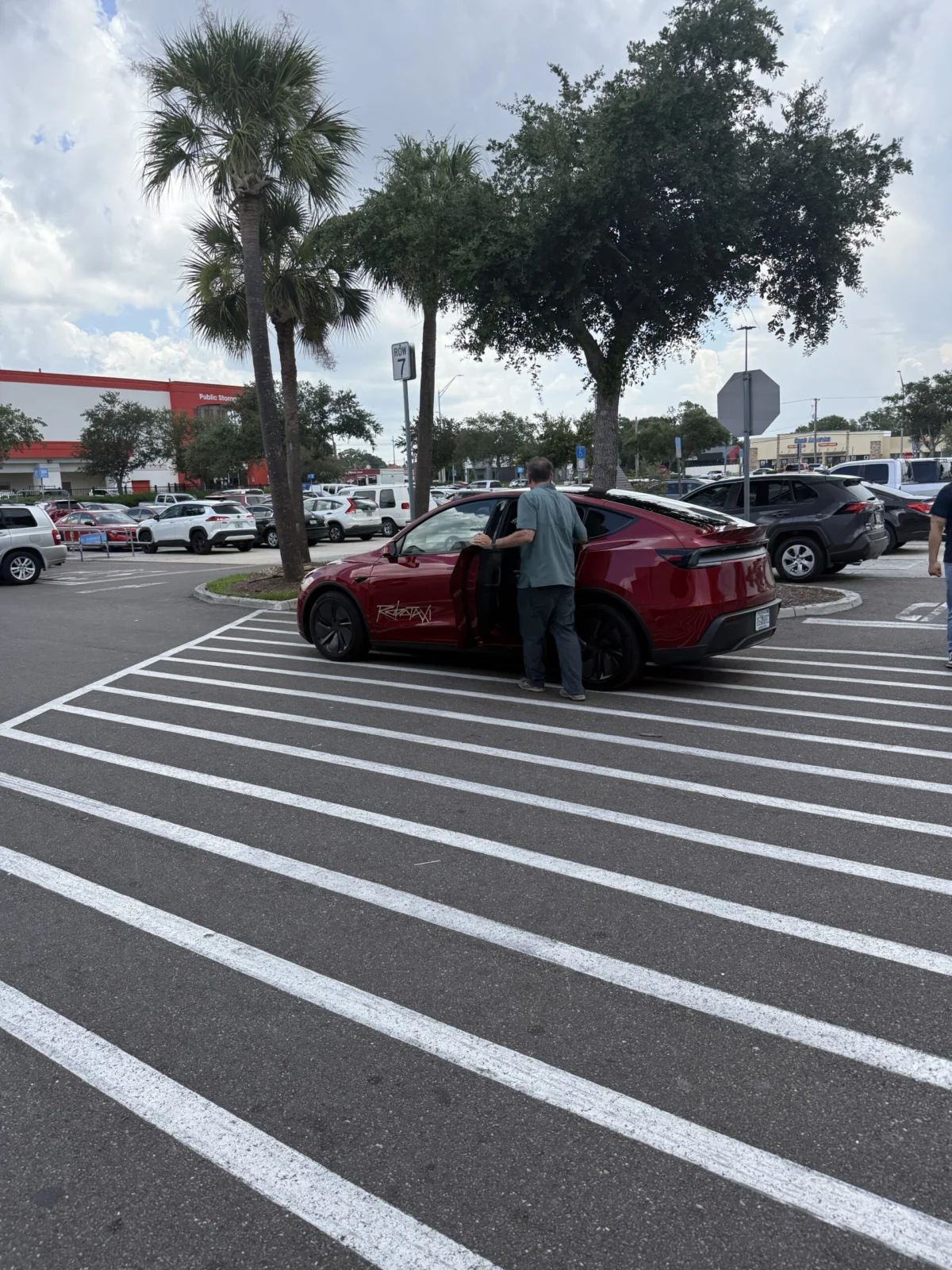
The landscape of urban transportation in Tampa, Florida, is undergoing a transformative shift as the world’s leading autonomous vehicle developers accelerate their real-world deployments. Recent field reports and consumer trials indicate that Tesla’s Robotaxi service has transitioned from a theoretical concept into a functional, albeit supply-constrained, pilot program. Simultaneously, Waymo, the autonomous driving subsidiary of Alphabet Inc., has been spotted testing its next-generation "Ojai" vehicle platform on Tampa’s public roads. These developments mark a significant milestone in the race for Level 4 and Level 5 autonomy, positioning the Gulf Coast city as a primary battleground for the future of the ride-hailing industry.
The Tesla Robotaxi Experience: Operational Realities and Technical Hurdles
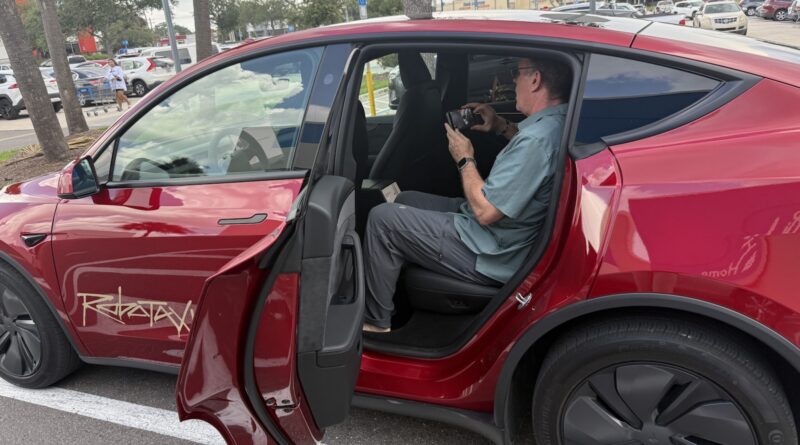
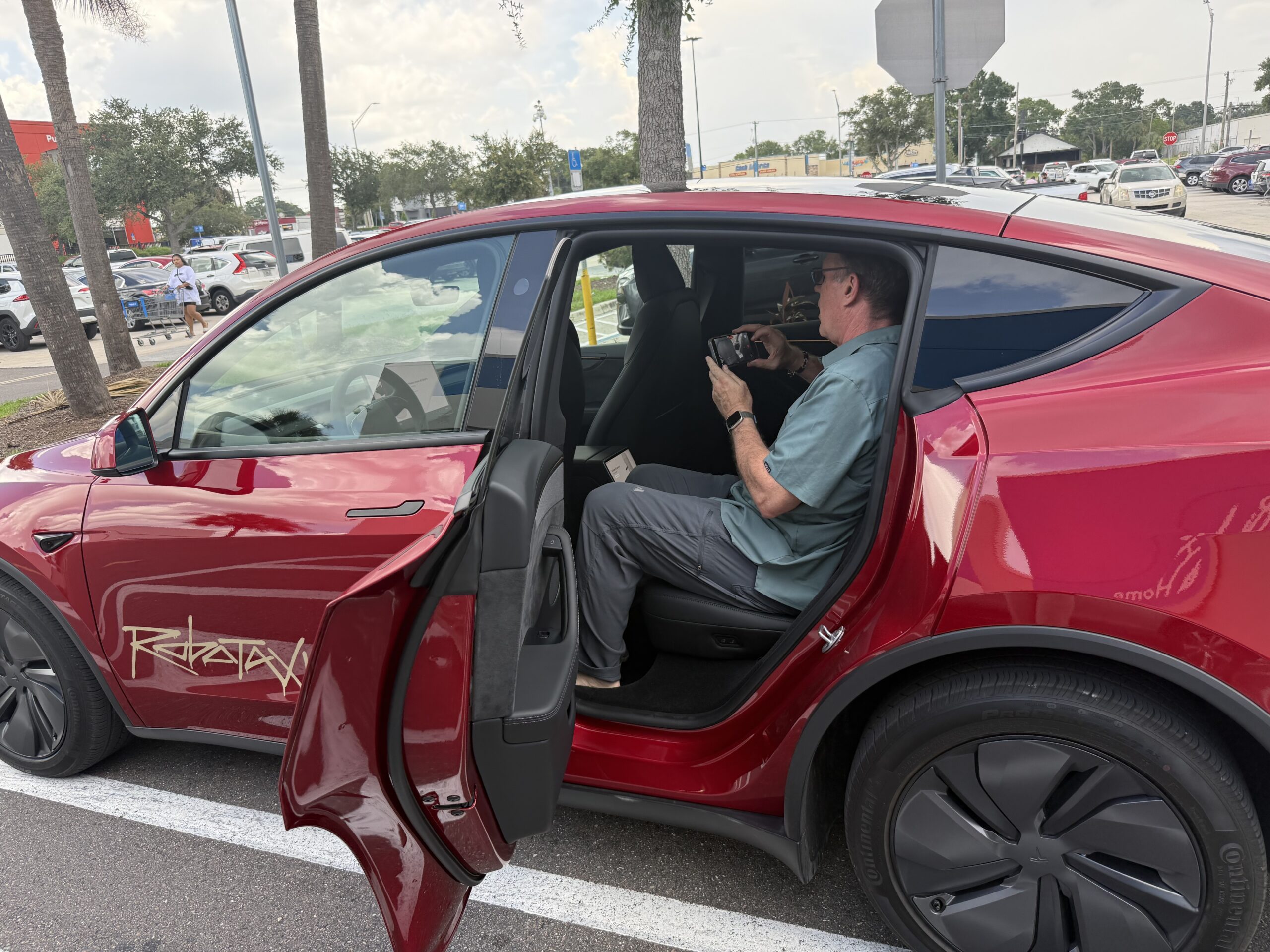
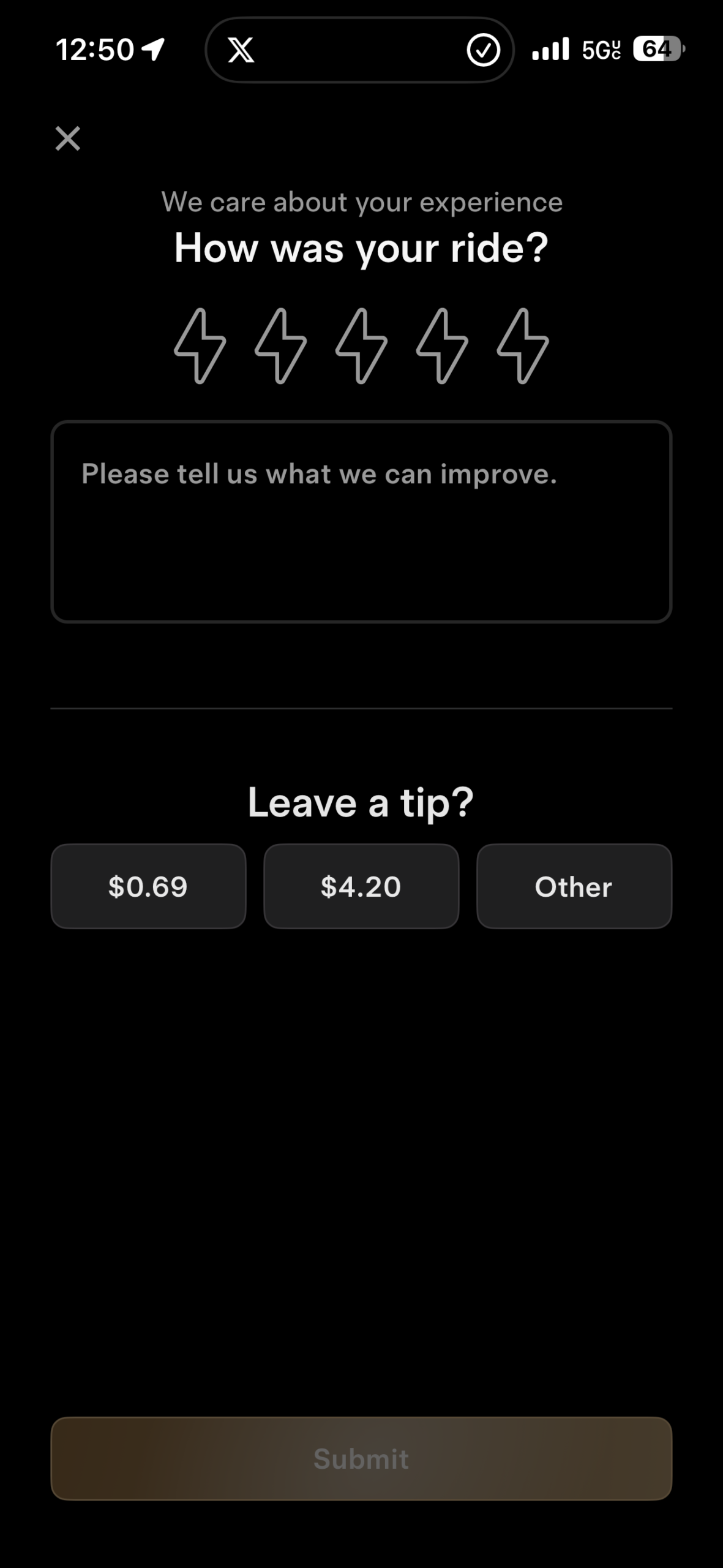
Tesla’s entry into the Tampa market via its dedicated Robotaxi application has met with intense public interest, resulting in a "High Service Demand" environment that reflects both the enthusiasm for the technology and the current limitations of the fleet size. Early testers in July 2026 reported initial difficulties in securing a vehicle during peak hours, a common growing pain for nascent autonomous networks. However, during off-peak periods, such as Sunday afternoons, the service has demonstrated a high degree of reliability and a user interface that mirrors established giants like Uber and Lyft.
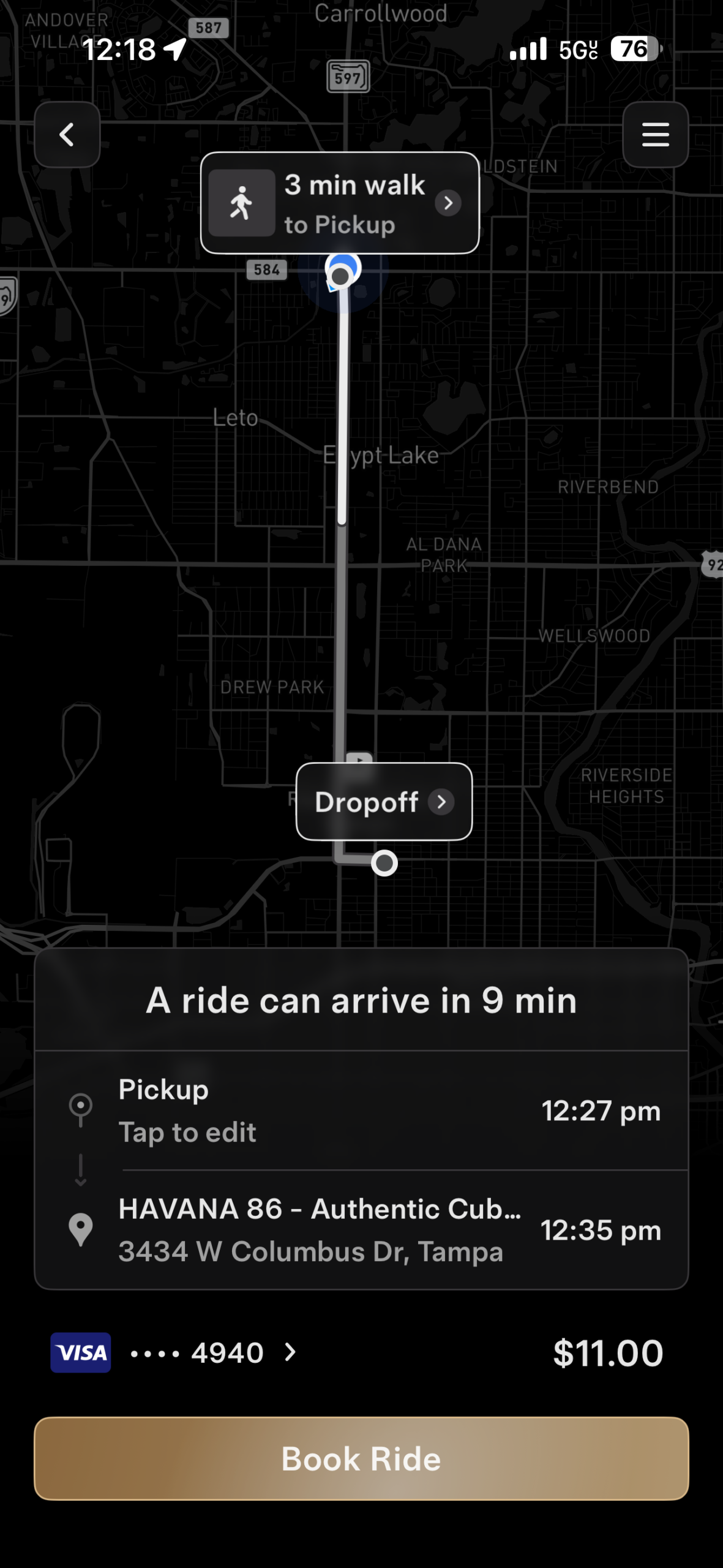
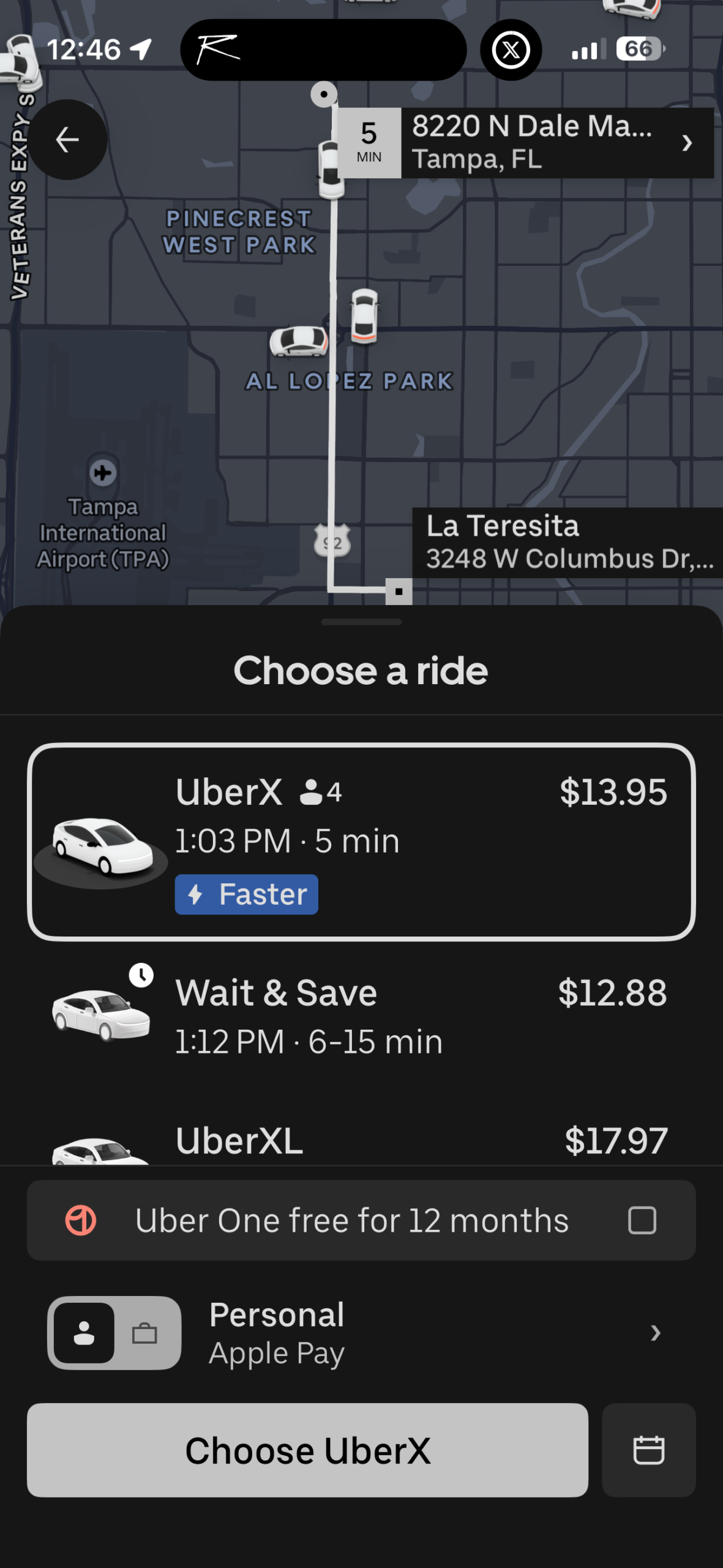
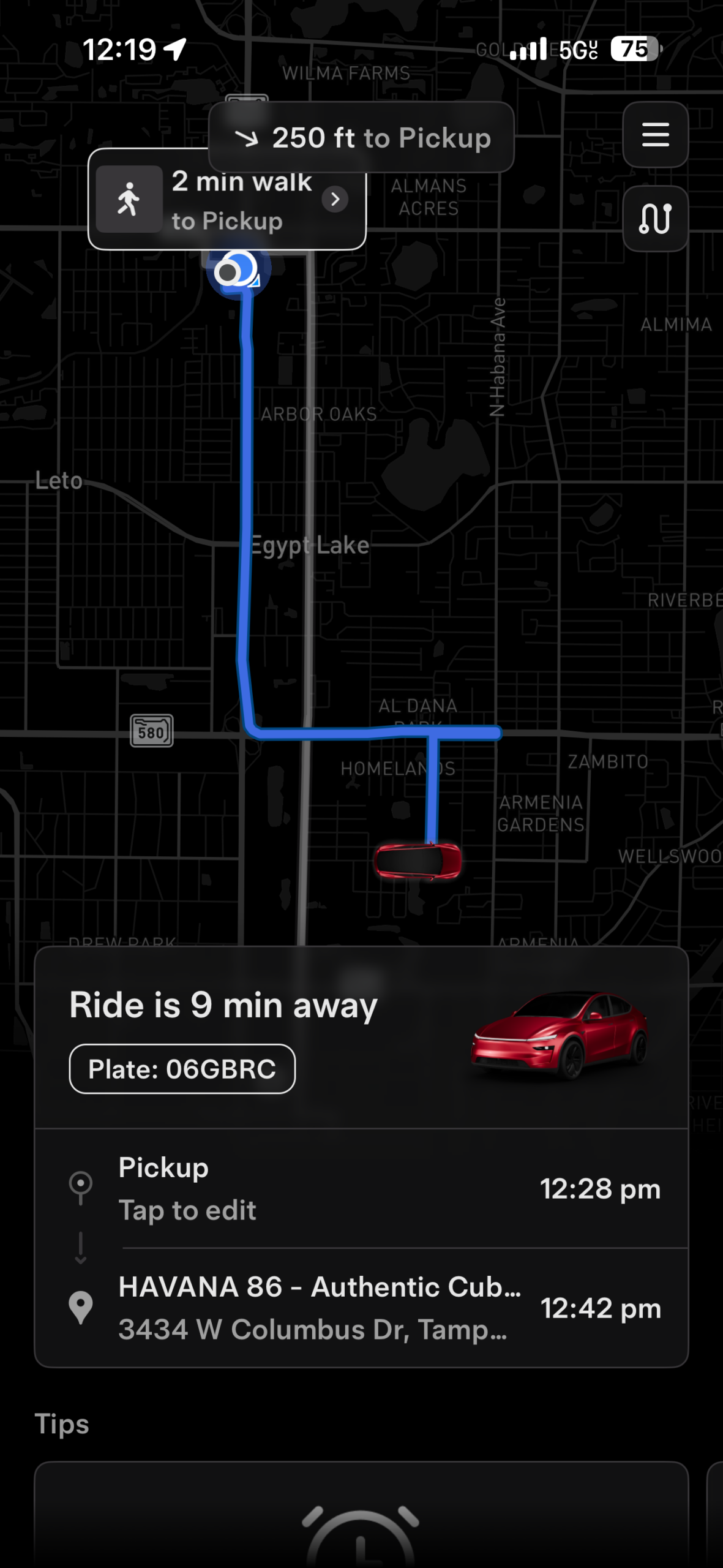
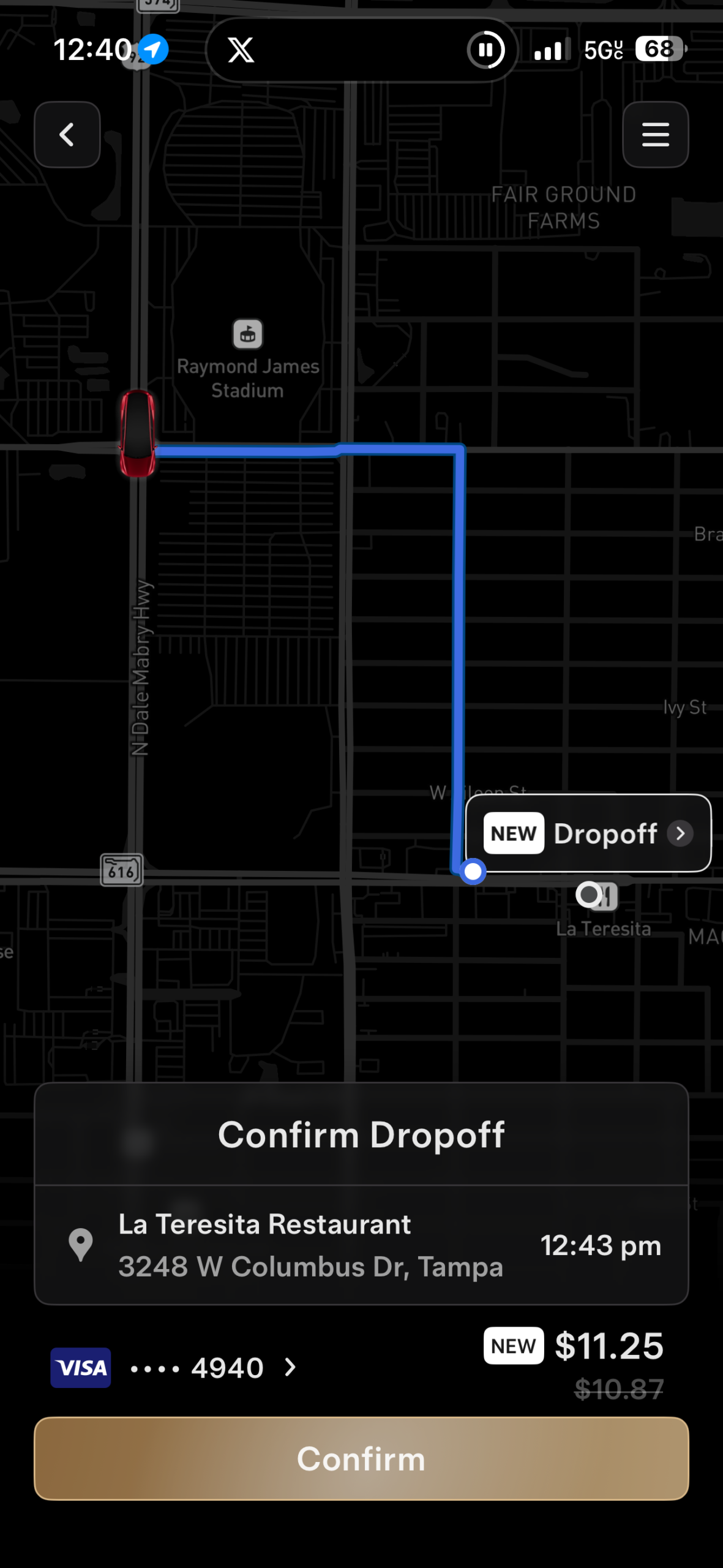
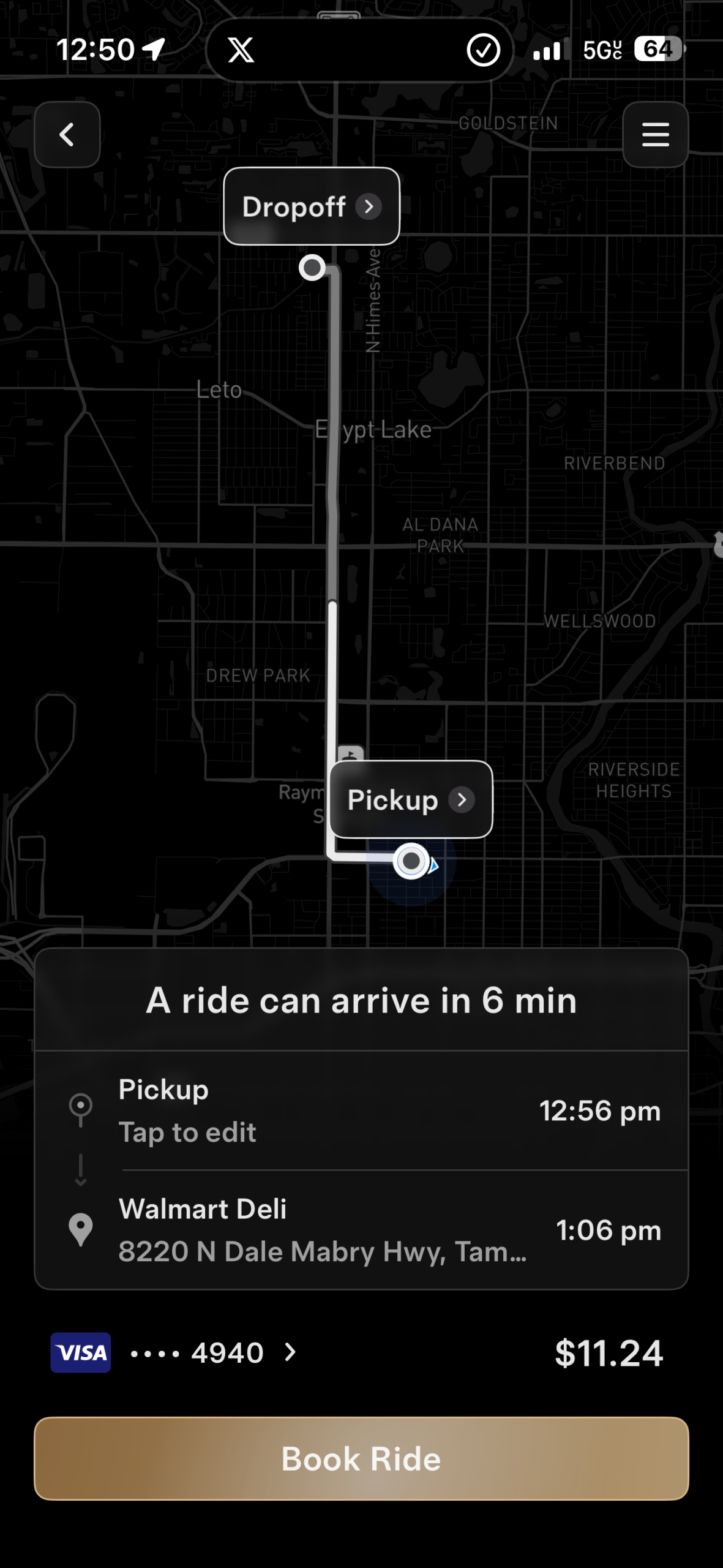
The Tesla Robotaxi app provides a familiar ecosystem for users, offering real-time data including estimated time of arrival (ETA), destination arrival times, and transparent pricing. In direct cost comparisons, Tesla’s autonomous service has shown a tendency to undercut traditional ride-hailing services. For instance, a standard trip that would typically cost approximately $12.94 on UberX was offered at a lower rate through the Tesla platform. This pricing strategy is widely seen as an attempt to leverage the lower operational overhead of an electric, driverless fleet to capture market share from incumbent platforms.

Technical Performance and Edge Case Handling
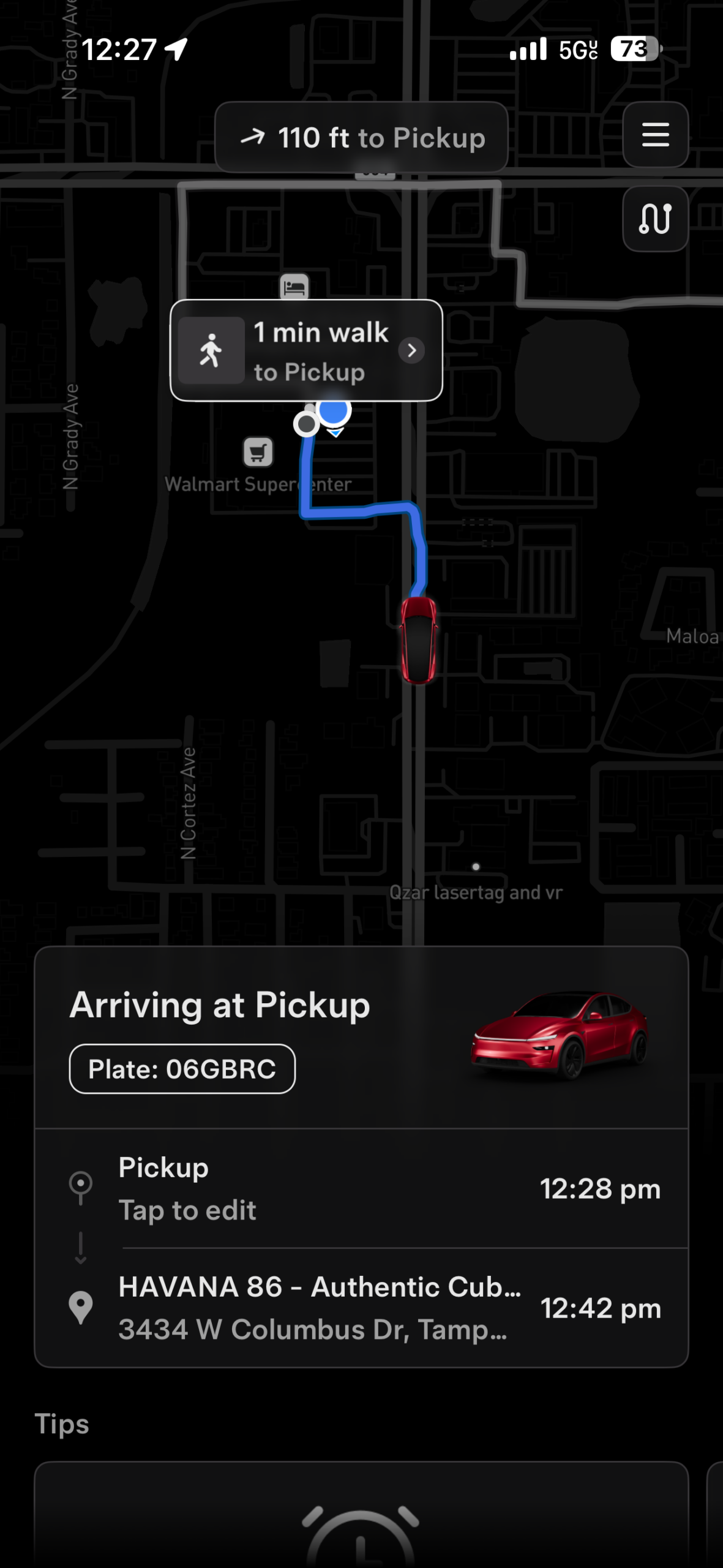
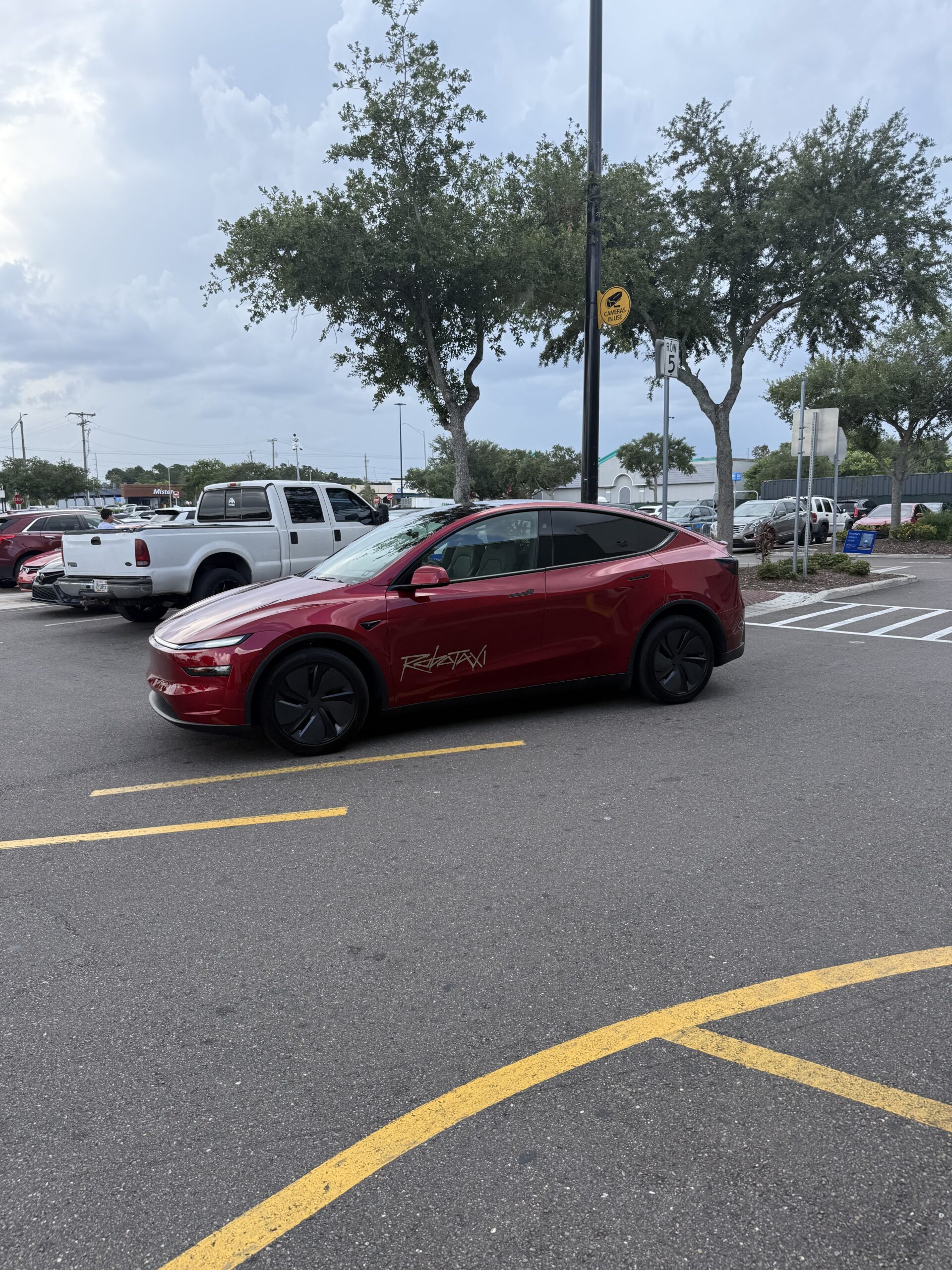
One of the most critical metrics for autonomous vehicle (AV) success is the ability to navigate "edge cases"—unpredictable road conditions that challenge standard algorithms. During recent trials in Tampa, Tesla’s Robotaxi demonstrated advanced spatial awareness and problem-solving capabilities. In one documented instance, a vehicle encountered a closed road near a Walmart pickup point. Rather than stalling or requiring remote human intervention, the onboard AI executed a smooth U-turn and autonomously rerouted to the destination.
This level of performance suggests that Tesla’s "Vision-only" approach, which eschews expensive Lidar sensors in favor of high-resolution cameras and neural networks, is reaching a level of maturity capable of handling complex urban environments. The vehicle’s ability to allow mid-ride destination edits—provided the new location is not directly behind the current trajectory—indicates a sophisticated integration of user-input and real-time path planning.
Waymo’s Strategic Expansion: The Zeekr-Built Ojai Platform
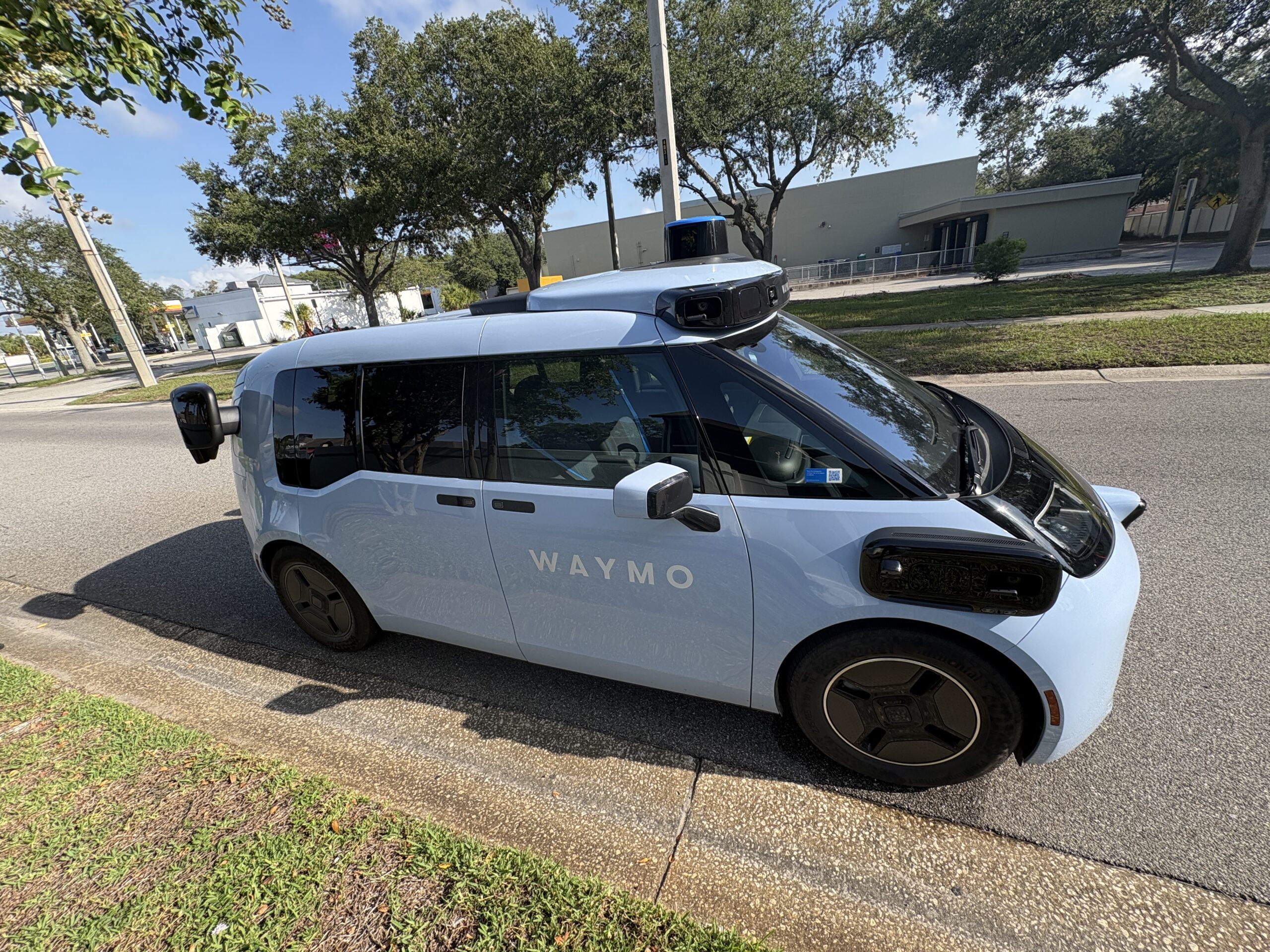
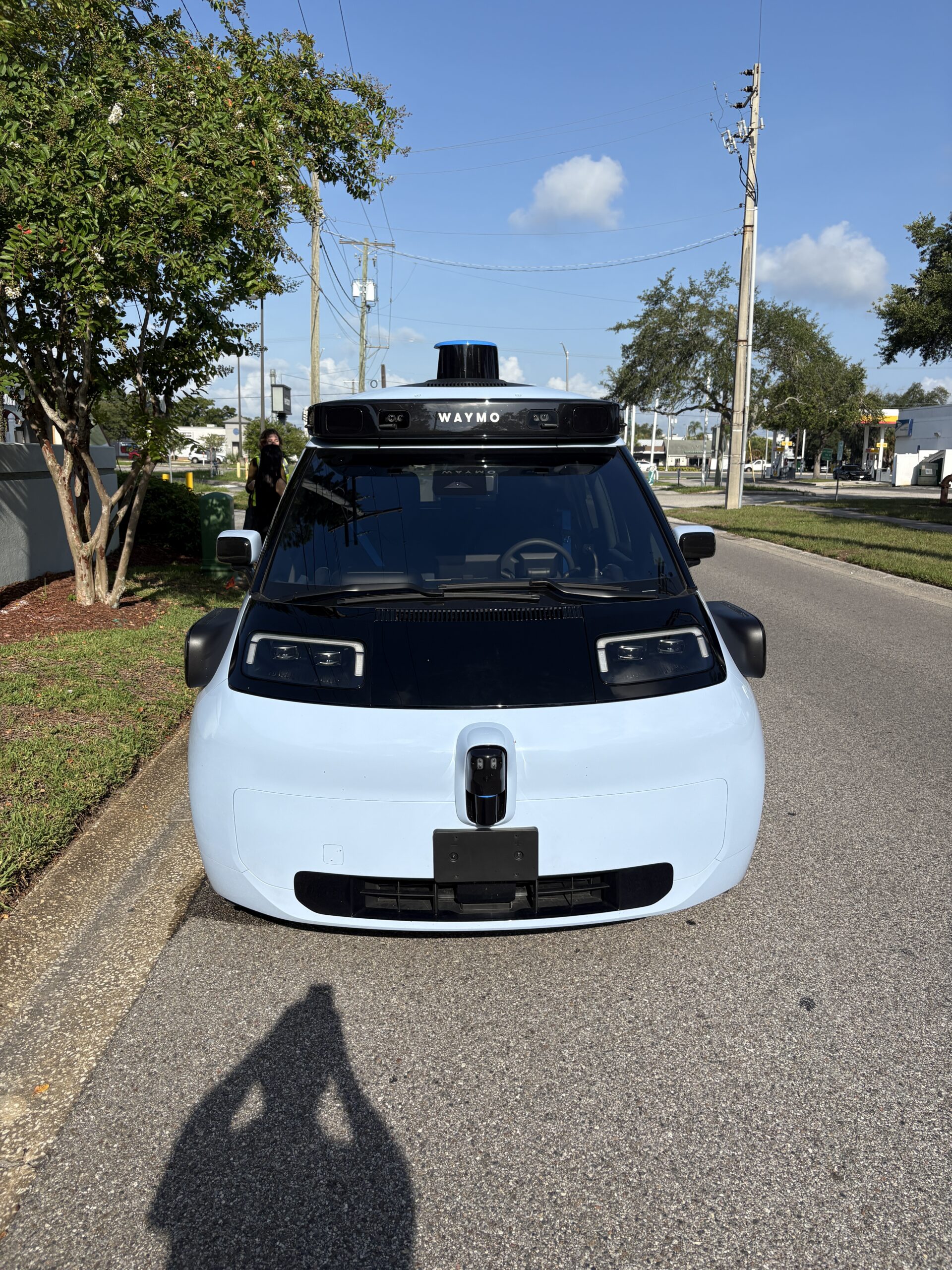
While Tesla focuses on a vision-centric model, Waymo continues to refine its sensor-fusion strategy. Observations in Tampa have confirmed the presence of the Waymo "Ojai," a purpose-built autonomous vehicle manufactured by Zeekr, a premium electric vehicle brand owned by the Chinese conglomerate Geely. The Ojai represents a departure from Waymo’s previous use of modified Jaguar I-PACE SUVs, moving toward a cabin-first design optimized specifically for passenger comfort and autonomous efficiency.
The Ojai features a sleek, minivan-like silhouette with a low step-in height and a spacious interior, devoid of traditional driver controls like steering wheels and pedals in its ultimate configuration. Currently, the Waymo Ojai testing in Tampa remains restricted to company employees. This "closed-loop" testing phase is standard protocol for Waymo before opening the service to the general public, ensuring that the Waymo Driver—the company’s autonomous software—is fully calibrated to the specific geographic and climatic nuances of the Florida region.
Geopolitical and Regulatory Considerations
The partnership between Waymo and Zeekr introduces a layer of geopolitical complexity to the autonomous rollout. As both Republican and Democratic lawmakers in Washington D.C. increase scrutiny on Chinese-manufactured automotive technology, the use of a Geely-owned platform could face regulatory headwinds. Concerns regarding data privacy, software integrity, and the competitive impact on domestic manufacturing remain at the forefront of the national conversation. Whether Waymo can navigate these tensions while maintaining its hardware partnership with Zeekr will be a defining factor in its long-term scaling strategy within the United States.
Comparative Analysis: Two Paths to Autonomy
The concurrent testing of Tesla and Waymo in Tampa highlights the two dominant philosophies in the AV industry:
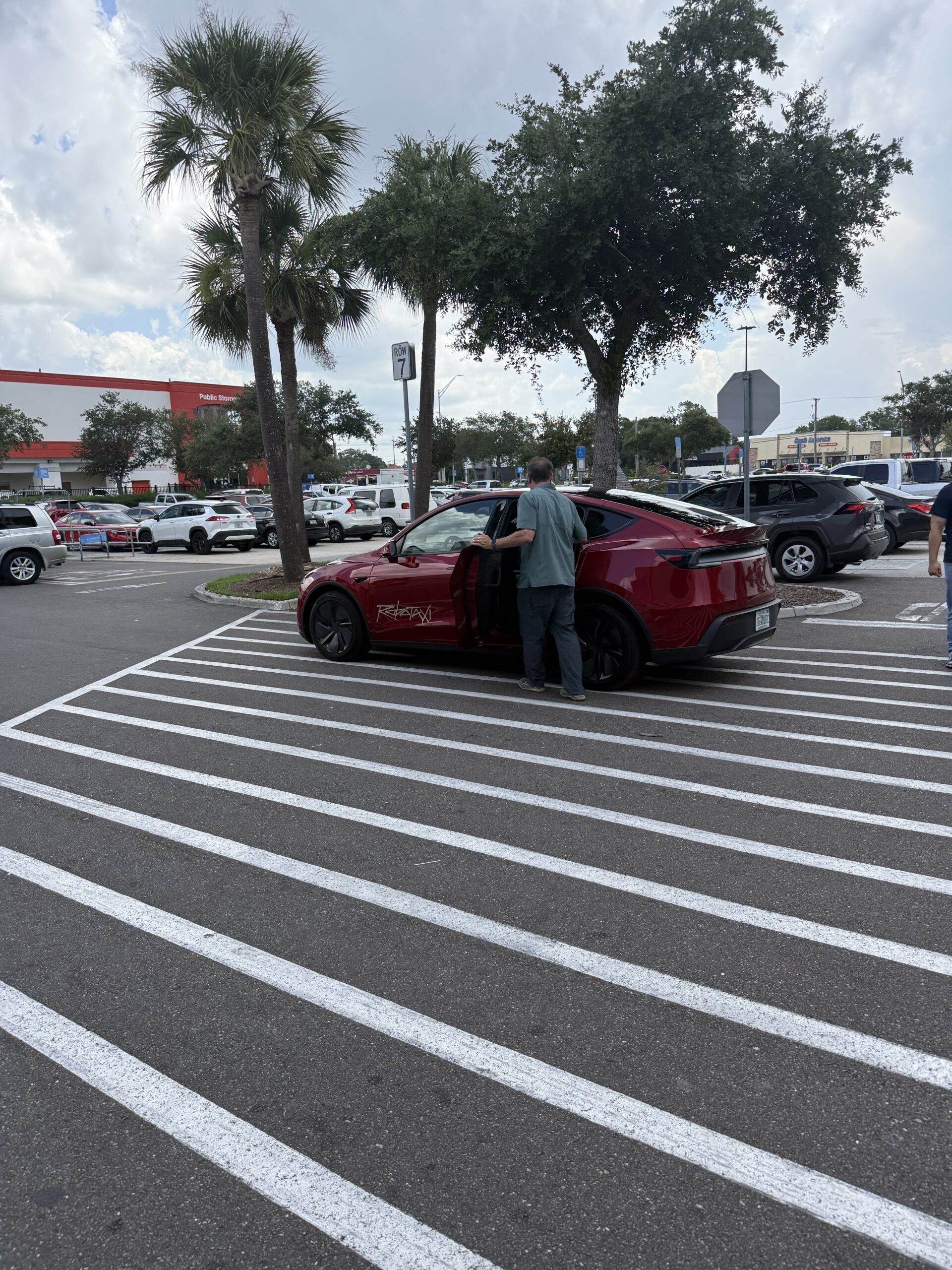
- Tesla’s Vision-Based Scalability: Tesla relies on a massive fleet of consumer vehicles to act as data collectors, feeding a global neural network. This allows for rapid software iteration and a lower hardware cost per vehicle, potentially making the Robotaxi service more affordable for the end-user. However, the reliance on cameras alone remains a point of contention among safety experts who argue for the redundancy provided by Lidar.
- Waymo’s Sensor-Fusion Precision: Waymo utilizes a suite of Lidar, radar, and cameras to create a high-definition, 360-degree map of the vehicle’s surroundings. While this approach is more capital-intensive and harder to scale geographically due to the need for detailed "prior maps," it has generally been regarded as the "gold standard" for safety and reliability in geofenced urban areas.
Economic and Labor Market Implications
The shift toward autonomous ride-hailing in Florida carries significant economic weight. Florida’s House Bill 311, passed years prior, established a permissive regulatory framework that allows fully autonomous vehicles to operate without a human safety driver present. This legislative environment has made the state an attractive laboratory for AV companies.
From a labor perspective, the rise of the Robotaxi threatens the traditional gig-economy model. If Tesla and Waymo can provide rides that are 20% to 30% cheaper than human-driven alternatives, the demand for traditional ride-hailing drivers will likely contract. However, proponents argue that AVs will create new high-tech jobs in fleet maintenance, remote assistance, and urban infrastructure management.
Timeline of Autonomous Development in Tampa
To understand the current state of mobility in Tampa, one must look at the chronology of events leading to the 2026 pilot programs:

- 2019-2021: Florida passes landmark legislation (HB 311 and CS/HB 1289) removing most barriers to AV testing and deployment.
- 2023: Waymo announces plans to expand testing beyond Phoenix, San Francisco, and Los Angeles, citing Tampa and Miami as key target markets.
- 2024: Tesla unveils its "Cybercab" and announces the integration of Robotaxi functionality into the existing Tesla mobile app for select regions.
- 2025: Initial infrastructure upgrades in downtown Tampa, including smart traffic signals and dedicated AV drop-off zones, are completed.
- July 2026: Tesla begins public-facing trials in Tampa; Waymo begins employee-only testing of the Ojai platform.
Official Responses and Safety Oversight
Local officials in Tampa have expressed a mixture of optimism and cautious oversight. The Tampa Hillsborough Expressway Authority (THEA) has been a vocal supporter of connected vehicle technology, having participated in federal pilots for years. In statements regarding the current AV trials, city representatives emphasized that while they welcome innovation, safety remains the paramount priority.
"We are monitoring the data from these pilot programs closely," a spokesperson for the city’s transportation department noted. "The goal is to reduce traffic fatalities and provide more efficient transit options for our residents. We expect all operators to maintain the highest standards of transparency and safety."

Tesla has historically maintained that its Full Self-Driving (FSD) software, which powers the Robotaxi, is statistically safer than a human driver when engaged. Waymo similarly points to its millions of miles of accident-free autonomous driving as evidence of its system’s superiority. Despite these claims, the National Highway Traffic Safety Administration (NHTSA) continues to monitor all AV deployments for potential software regressions or hardware failures.
Broader Impact and the Future of Urban Mobility
The presence of Tesla and Waymo in Tampa is more than just a local news story; it is a preview of a global shift in how humans interact with transportation. As these services scale, the concept of car ownership may begin to erode in favor of "Transportation as a Service" (TaaS). In this model, the cost per mile of travel could drop to levels comparable to public transit, providing increased mobility for the elderly, the disabled, and those in underserved communities.
However, challenges remain. The "High Service Demand" experienced by Tesla users suggests that thousands of vehicles will be needed to meet the needs of a city like Tampa. Furthermore, the limited service areas—often restricted to downtown cores and affluent suburbs—must be expanded to ensure equitable access.

As 2026 progresses, the data gathered from the streets of Tampa will likely influence regulatory decisions across the United States. If the Tesla Robotaxi can prove its reliability without the need for Lidar, and if Waymo can successfully navigate the geopolitical hurdles of its Chinese-made hardware, the "Sunshine City" may go down in history as the place where the driverless future finally became a reality for the average citizen. For now, the residents of Tampa find themselves at the center of a high-stakes technological evolution, where the next ride they call might not have a driver at all.
