

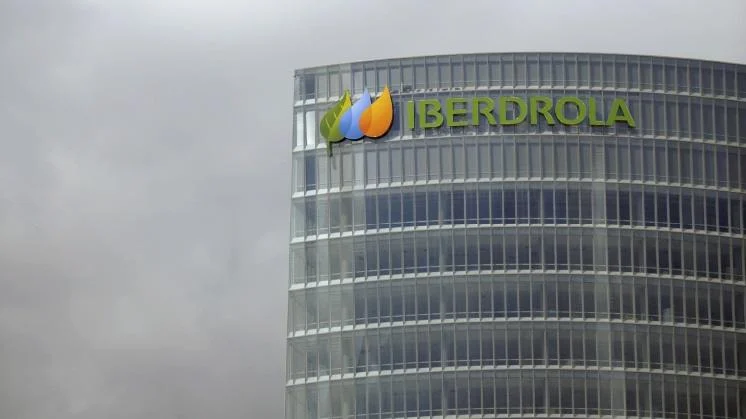
In a move that significantly alters the landscape of Northern European energy infrastructure, the Spanish multinational utility giant Iberdrola has officially entered the Finnish market through the acquisition of an 80% stake in Caruna, the nation’s premier electricity distribution operator. The transaction, which values Caruna at an enterprise valuation of €5 billion, represents a cornerstone of Iberdrola’s broader strategic pivot toward regulated network assets and reinforces its position as a global leader in the energy transition. Under the terms of the agreement, Iberdrola will pay approximately €2 billion for the majority interest, acquiring the stake from institutional investors KKR and the Ontario Teachers’ Pension Plan Board (OTPP).
This landmark acquisition is the latest execution of Iberdrola’s 2024–2028 strategic roadmap, a massive €58 billion investment plan aimed at accelerating the electrification of the global economy. By securing a dominant foothold in Finland, a country characterized by its high credit rating and stable regulatory environment, Iberdrola is diversifying its geographical footprint while capitalizing on the increasing demand for grid modernization driven by renewable energy integration and industrial decarbonization.
The Financial Architecture of the Transaction
The deal is structured as a significant transfer of ownership from private equity and pension funds to a strategic industrial operator. KKR and OTPP, which have jointly held the 80% stake since 2021, will exit their positions upon the deal’s completion. Meanwhile, the remaining 20% of Caruna will continue to be held by the Swedish pension fund AMF and the Finnish employment pension insurer Elo, ensuring a degree of continuity and local institutional involvement.
The €5 billion enterprise value reflects Caruna’s robust infrastructure and its critical role in the Finnish economy. As an "enterprise value," the figure accounts for both the equity value and the net debt of the company, a standard metric for utility acquisitions where high levels of capital expenditure are often financed through long-term debt. Iberdrola’s €2 billion cash outlay for the 80% equity portion suggests a high level of confidence in the company’s future cash flows and its regulated asset base (RAB) growth.
Regulatory approval is the final hurdle for the deal. Both parties expect the transaction to close in the first quarter of 2027, following a thorough review by the Finnish Competition and Consumer Authority (KKV) and other relevant European regulatory bodies.
Caruna: A Critical Asset in the Nordic Grid
Caruna is not merely a utility provider; it is the backbone of Finland’s electrical infrastructure. The company operates a sprawling network of approximately 89,000 kilometers, serving approximately 1.5 million people across South, Southwest, and West Finland, as well as the city of Joensuu and the regions of Koillismaa and Lapland. This represents about 20% of Finland’s total electricity distribution market share.
The company was originally formed in 2014 following the divestment of Finnish state-owned energy company Fortum’s distribution business. Since then, Caruna has been at the forefront of grid reliability and digitalization. Under Iberdrola’s ownership, Caruna is projected to see its earnings and asset base grow by approximately 7% annually. This growth is underpinned by a committed investment program of €200 million to €300 million per year.
These investments are directed toward several key areas:
- Weatherproofing: Transitioning overhead lines to underground cabling to protect the grid from the increasingly volatile Nordic climate.
- Digitalization: Implementing smart meters and advanced grid management systems to handle bidirectional energy flows.
- Capacity Expansion: Strengthening the network to accommodate the surge in electric vehicle (EV) charging stations and heat pump installations in residential sectors.
Strategic Rationale: Why Finland and Why Now?
Iberdrola’s entry into Finland is a calculated move based on the country’s unique position in the European energy market. Finland has set some of the most ambitious climate goals in the world, aiming for carbon neutrality by 2035. Achieving this requires a total transformation of the national energy system, moving away from fossil fuels and toward a grid powered by wind, nuclear, and bioenergy.
Ignacio Galán, Iberdrola’s Executive Chairman, emphasized that the acquisition aligns perfectly with the company’s focus on "essential infrastructure." He noted that Finland offers a "predictable and attractive regulatory framework," which is a crucial factor for long-term utility investments. Unlike merchant power generation, which is subject to volatile market prices, regulated distribution networks provide stable, inflation-linked returns that are attractive to large-scale utility operators.
Furthermore, Finland is becoming a global hub for energy-intensive industries. The expansion of data centers—driven by tech giants seeking the cool climate and reliable energy of the Nordics—presents a massive growth opportunity for Caruna. Similarly, the electrification of the heavy industrial sector, including steel and chemical production, requires a high-capacity, resilient grid that only a company with Iberdrola’s technical and financial scale can reliably maintain.
Chronology of Iberdrola’s Global Expansion
To understand the Caruna acquisition, one must look at Iberdrola’s trajectory over the last two decades. The company has transformed from a domestic Spanish utility into a global powerhouse with significant operations in the United States (Avangrid), the United Kingdom (ScottishPower), Brazil (Neoenergia), and Mexico.
- 2022–2023: Iberdrola begins shifting its focus away from offshore wind development in certain high-cost markets to prioritize "Networks" (transmission and distribution).
- March 2024: The company announces its €58 billion strategic plan, with €21.5 billion earmarked specifically for networks in the U.S., U.K., Brazil, and Spain.
- July 2026: Iberdrola identifies Finland as a key growth pillar, leading to the Caruna announcement.
This chronology demonstrates a consistent move toward markets with high credit ratings (AAA/AA) and transparent regulatory systems. By entering Finland, Iberdrola is effectively de-risking its portfolio while ensuring it remains at the heart of the European Green Deal’s implementation.
Implications for the European Energy Market
The acquisition of Caruna by a Spanish major highlights a growing trend of cross-border consolidation within the European utility sector. As the continent strives for energy independence and security, the need for integrated, high-functioning grids has never been greater.
Industry analysts suggest that Iberdrola’s move may trigger further M&A activity in the Nordic region. Large institutional investors, such as KKR and OTPP, are increasingly looking to recycle capital from mature infrastructure assets into new greenfield projects, such as green hydrogen or battery storage. This creates opportunities for industrial players like Iberdrola, Enel, or Orsted to step in as long-term stewards of the physical grid.

Moreover, the deal underscores the rising importance of "Network Growth" as a primary metric for utility success. In the past, utilities were judged by their generation capacity (megawatts). Today, they are increasingly judged by their "Regulated Asset Base" (RAB) and their ability to facilitate the "Electrification of Everything."
Stakeholder Reactions and Local Impact
While the financial markets have reacted positively to the deal—viewing it as a disciplined use of capital—local stakeholders in Finland are focused on the implications for consumer prices and service quality. Caruna has faced scrutiny in the past regarding distribution fee increases. However, Iberdrola’s commitment to investing hundreds of millions annually into the grid is seen as a necessary step to prevent long-term outages and support the national economy.
Current minority investors AMF and Elo expressed their support for the transition. A spokesperson for Elo noted that having a strategic partner like Iberdrola, which possesses deep operational expertise in global electricity networks, will provide Caruna with the technical resources needed to navigate the complexities of the modern energy transition.
The Finnish government, while not a direct party to the transaction, maintains a keen interest in the security of supply. Electricity distribution is considered a "natural monopoly," and the regulatory oversight provided by the Finnish Energy Authority will remain the primary mechanism for ensuring that Iberdrola’s management of Caruna serves the public interest while allowing for a fair return on investment.
Conclusion: A New Era for Finnish Electrification
The acquisition of Caruna marks the beginning of a new chapter for Finland’s energy sector. As Iberdrola integrates this Nordic jewel into its global portfolio, the focus will shift from the boardroom to the field. The coming years will see a massive rollout of infrastructure projects across the Finnish countryside, from the installation of high-voltage transformers to the deployment of AI-driven grid balancing software.
For Iberdrola, the deal is a statement of intent. It proves that the company is willing to commit billions to markets that offer stability and growth potential. For Finland, it brings the backing of one of the world’s most experienced energy companies at a time when the grid must evolve faster than ever before. As the deal moves toward its 2027 closing date, all eyes will be on how this Spanish-Finnish partnership accelerates the march toward a fully electrified, carbon-neutral Europe.
