


The global agricultural and forestry sectors stand at a critical juncture as the dual crises of climate change and biodiversity loss threaten the stability of the world’s food and raw material supply chains. According to the Intergovernmental Panel on Climate Change (IPCC) Sixth Assessment Report, sustainable land management practices, including regenerative agriculture and responsible forestry, have the potential to contribute over a quarter of the total emissions reductions required to meet the goals of the Paris Agreement. In response to this potential, a coalition of industry leaders, ranging from specialized organic food producers to multinational consumer goods giants, is moving to integrate these practices into the core of their operations.
Regenerative agriculture represents a holistic approach to farming that seeks to go beyond traditional organic standards. It focuses on the restoration of soil health through a suite of practices such as cover-cropping, diverse crop rotation, and no-till farming. By fostering a living ecosystem within the soil—comprised of microbes, fungi, and insects—farmers can enhance the land’s ability to capture atmospheric carbon and store it underground. Parallel to this, responsible forestry initiatives aim to prevent forest conversion, preserve wildlife habitats, and ensure that timber harvesting supports long-term ecological resilience.
The Historical Context: From the Dust Bowl to Modern Restoration
The movement toward regenerative practices is often rooted in historical lessons of land mismanagement. For Lundberg Family Farms, a leading producer of regenerative organic rice, the commitment to soil health dates back nearly a century. In 1937, the company’s founders fled the ecological catastrophe of the Nebraska Dust Bowl, eventually settling in California. They brought with them a fundamental philosophy: "leave the land better than you found it."
This legacy has evolved into a modern agricultural strategy that treats the farm as a complex ecosystem rather than a simple production unit. Gabrielle Katanic, farm operations business manager at Lundberg Family Farms, emphasizes that healthy soil is not merely dirt but a living system. This perspective has led the company to pioneer methods that integrate wildlife preservation directly into the farming cycle.
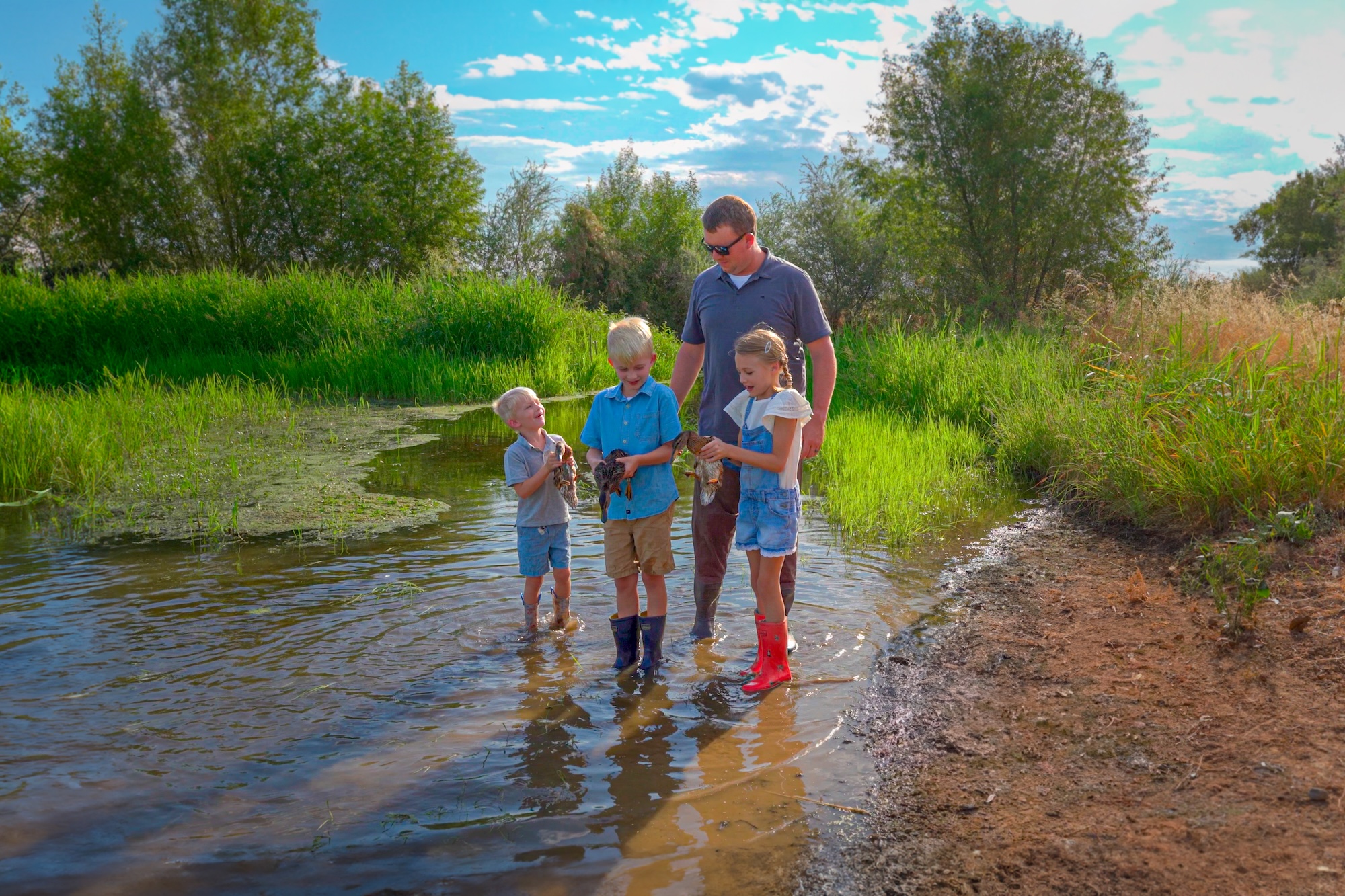
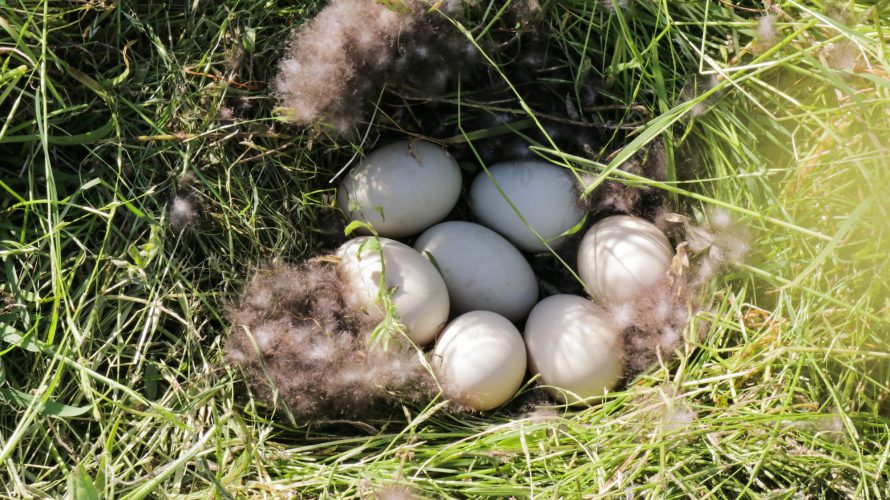
One notable example is the company’s duck rescue initiative. During the preparation of fields for rice planting, farmers often encounter duck nests hidden within winter cover crops. To prevent the destruction of these nests by farm equipment, Lundberg Family Farms established a collaborative network including local hatcheries, the California Department of Fish and Game, the California Waterfowl Association, and various non-governmental organizations (NGOs). Since its inception, this program has saved an estimated 30,000 ducklings, which are raised in hatcheries and released back into the wild. This initiative underscores a core tenet of regenerative agriculture: the necessity of maintaining local biodiversity to ensure the long-term viability of the agricultural landscape.
Collaborative Models in the Food System: Oatly’s Multi-Brand Strategy
While individual farm efforts are vital, scaling these practices across the global food system requires a shift in how companies interact with their supply chains. Oatly, the Swedish oat drink producer, has recognized that asking farmers to adopt regenerative practices for a single crop is often economically unfeasible. Because oats are typically grown in rotation with other commodities like wheat, soy, or corn, a farmer’s entire land management strategy must change for the regenerative benefits to be realized.
To address this, Oatly has championed a collaborative model that involves other consumer brands. Erin Augustine, vice president of global sustainability at Oatly, notes that it is "unfair" for a single company to demand specific practices without considering the broader rotation of crops on a farm. By seeking out other brands that purchase the rest of the crops in a farmer’s rotation, Oatly aims to create a unified standard for regenerative practices that applies to the entire farm.
This vision is being realized through initiatives like the Wilding Project, led by the NGO Mad Agriculture. This project brings together 20 food companies, including major retailers like Whole Foods, to focus on bringing wildlife back to agricultural lands. Furthermore, Oatly is a member of the Trusted Advisor Partnership in Canada. This initiative connects agronomists, scientific researchers, and food brands to provide farmers with the technical training necessary to implement soil health practices effectively. Oatly’s goal is to source 100 percent of its oats from suppliers using regenerative practices by 2050, a move the company estimates will result in a 94 percent reduction in greenhouse gas emissions from its ingredient supply chain.

Forestry and the Corporate Supply Chain: P&G’s Resilience Framework
The principles of regeneration extend from the furrowed field to the forest floor. For Procter & Gamble (P&G), the maker of essential paper products such as Bounty, Puffs, and Charmin, the link between forest health and business continuity is direct. Chris Reeves, a certified forester and director of scientific communications for P&G Paper, explains that the company’s reliance on wood pulp necessitates a vested interest in the resilience of forest ecosystems.
P&G operates under a "Protect, Grow, Restore" framework, which focuses on priority landscapes critical to the future of responsible forestry. This involves partnerships with conservation organizations and small landowners to improve forest management practices. Unlike large industrial timberlands, many of the forests that supply the global paper industry are owned by individuals—nurses, doctors, and truck drivers—who may own small parcels ranging from 40 to 100 acres.
To engage these smallholders, P&G works with the Four States Timberland Association (FSTO) in Arkansas and Louisiana. The FSTO bundles these small parcels together to provide owners with professional forest management plans and access to natural resource experts. This collective approach allows small landowners to achieve third-party certification, which would otherwise be cost-prohibitive for an individual.

The Role of Third-Party Verification and Transparency
A significant challenge in the transition to regenerative and responsible land management is the lack of a single, universally accepted definition of "regenerative." To build credibility and avoid "greenwashing," leading companies are increasingly relying on rigorous third-party certification.
P&G, for instance, maintains a strict policy that 100 percent of the wood pulp it sources must be certified by globally recognized systems such as the Forest Stewardship Council (FSC), the Sustainable Forestry Initiative (SFI), or the Programme for the Endorsement of Forest Certification (PEFC). Currently, 86 percent of the company’s paper product raw materials are FSC certified, with a target of reaching 100 percent by 2030. Achieving this final percentage is considered the most difficult phase, as it requires intensive engagement with the most fragmented parts of the supply chain.
For food brands, certifications like Regenerative Organic Certified (ROC) are beginning to set the bar for what constitutes regenerative farming. These standards ensure that claims of "soil health" or "carbon sequestration" are backed by measurable data and on-site audits. This transparency is essential not only for consumer trust but also for attracting investors who are increasingly focused on Environmental, Social, and Governance (ESG) metrics.

Technical Analysis: Soil as a Carbon Sink
The scientific impetus behind these corporate shifts is the immense capacity of soil to act as a carbon sink. Soil contains more than three times the amount of carbon currently found in the atmosphere. However, decades of intensive industrial farming—characterized by heavy tilling and the overuse of synthetic fertilizers—have depleted soil organic matter, releasing stored carbon into the air.
Regenerative practices reverse this trend. By keeping the soil covered with plants year-round (cover-cropping), farmers maximize photosynthesis, a process where plants draw CO2 from the air to create carbon-based sugars. Some of these sugars are released through the roots to feed soil microbes, which in turn convert the carbon into stable organic matter. This not only mitigates climate change but also improves the soil’s water-holding capacity, making farms more resilient to the droughts and floods exacerbated by a warming planet.
Data from various pilot programs suggests that regeneratively managed land can sequester significantly more carbon than conventionally managed land. While the exact rates of sequestration vary by climate and soil type, the aggregate impact of transitioning millions of acres of farmland and forest to these practices is one of the most viable "natural climate solutions" available today.

Broader Implications and the Future Outlook
The efforts of Lundberg Family Farms, Oatly, and P&G represent a broader shift in the corporate mindset from "do no harm" to "actively restore." This transformation is driven by the realization that the food and fiber systems are uniquely vulnerable to climate change. As Augustine of Oatly notes, the food system is in a "catch-22," where it is both a primary contributor to and a major victim of climatic shifts.
The success of these initiatives will depend on three essential factors:
- Systemic Collaboration: No single company can transform an entire landscape. Success requires pre-competitive collaboration where brands work together to support the same groups of farmers and foresters.
- Economic Viability for Producers: Farmers and landowners must be incentivized to take the initial risks associated with changing their management practices. This includes long-term contracts and technical support.
- Consumer Education: For these practices to scale, consumers must understand the value of regenerative products and be willing to support brands that invest in the health of the planet.
As the global community moves toward the 2030 and 2050 climate targets, the integration of regenerative agriculture and responsible forestry will likely move from a niche specialty to an industry standard. The transition is not merely an environmental imperative but a fundamental restructuring of the global economy to operate within planetary boundaries. The leadership shown by these diverse companies provides a blueprint for how the private sector can leverage its scale to restore the natural systems upon which all human activity depends.
