

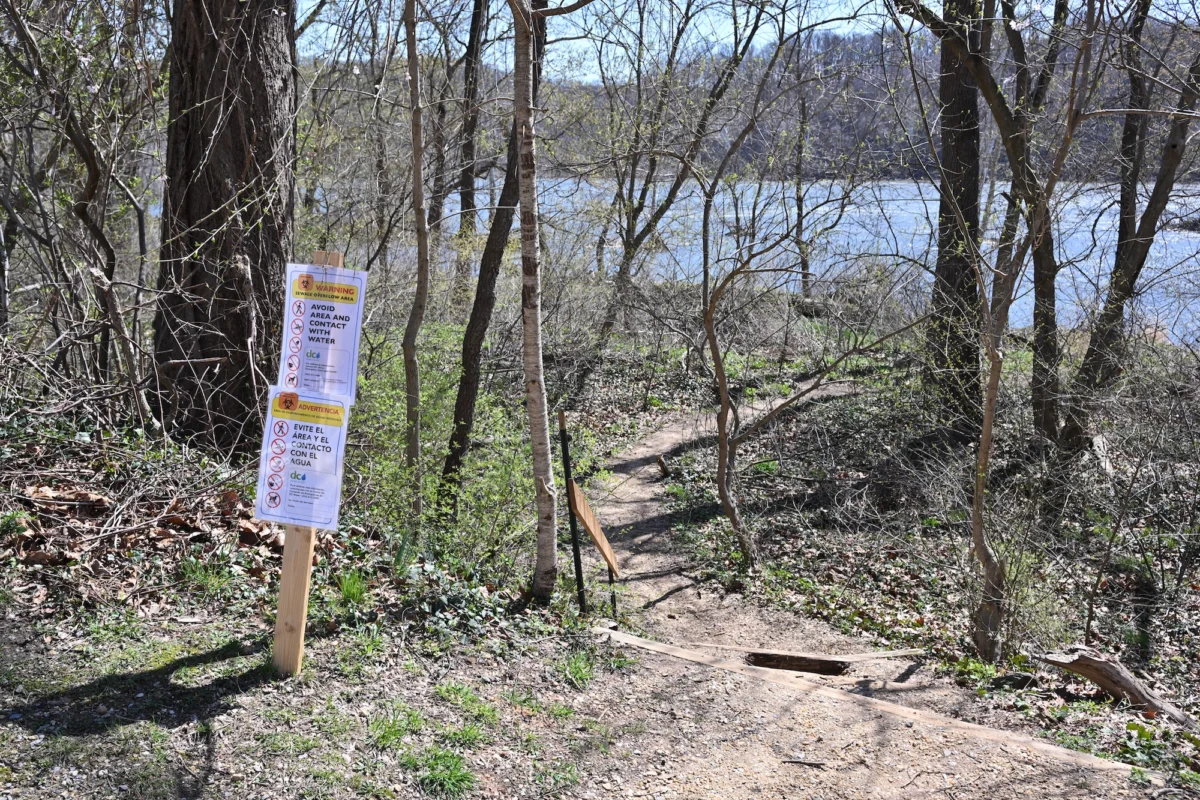
The collapse of a major sewage pipeline in Maryland this past January, which discharged more than 200 million gallons of untreated wastewater into the Potomac River, has become a stark symbol of a burgeoning domestic crisis: the decay of America’s foundational infrastructure. As the United States grapples with the environmental and public health fallout of aging municipal systems, the federal government’s fiscal priorities are under intense scrutiny. While billions of taxpayer dollars are funneled toward an escalating military conflict in Iran and an expansive immigration enforcement campaign, the essential networks that provide clean water and safe waste disposal to millions of Americans are reaching a breaking point.
The Potomac spill was not an isolated incident but rather the most dramatic example in a series of failures that have plagued the nation throughout 2026. From the Hudson River in New York to the coastal waters of Laguna Beach, California, the summer of 2026 has been defined by beach closures, health advisories, and the visible degradation of public waterways. These events have sparked a national conversation about the sustainability of the current funding model for water infrastructure and the long-term consequences of prioritizing foreign intervention over domestic resilience.
A Chronology of Failure: The 2026 Infrastructure Crisis
The current year has seen a rapid succession of wastewater system failures, highlighting the fragility of underground networks that have been neglected for decades. The timeline of major events underscores the geographical breadth of the problem:
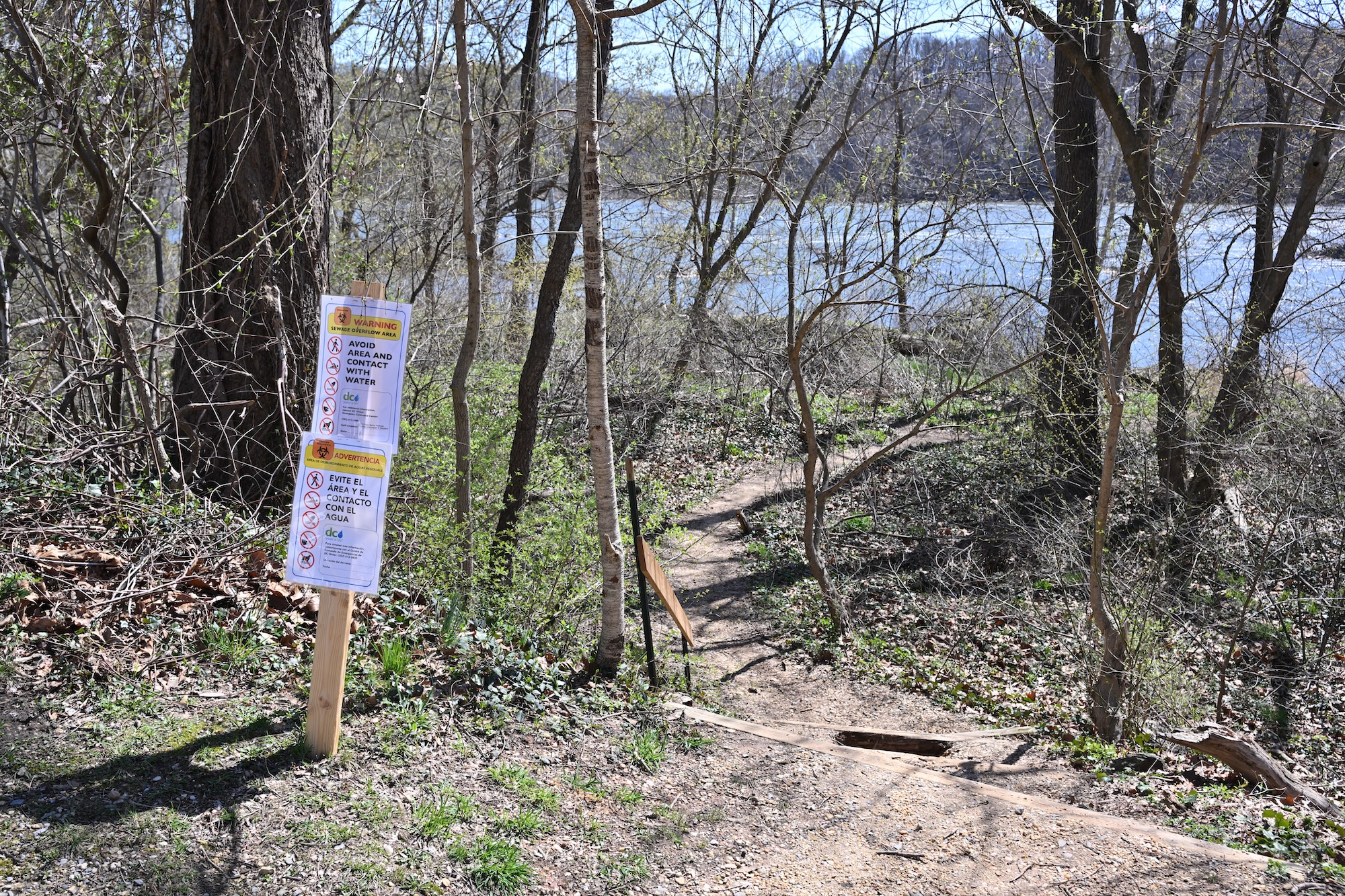
- January 2026: A critical sewage pipeline near Washington, D.C., collapses, leading to the release of 200 million gallons of raw sewage into the Potomac River. The spill forced the closure of recreational trails and prompted emergency health warnings for residents in Maryland and the District of Columbia.
- April 2025 – April 2026: Heavy spring rains overwhelmed retention facilities in the Midwest. In Macomb County, Michigan, a capacity overrun resulted in 1.2 million gallons of untreated wastewater entering local waterways, a recurring issue in the Great Lakes region.
- July 2, 2026: A power system failure at a wastewater facility north of New York City caused an estimated 39 million gallons of untreated discharge to flow into the Hudson River. This occurred just 48 hours before the July 4 holiday, ruining seasonal tourism and local recreation.
- July 2, 2026: Simultaneously, a pump failure in Laguna Beach, California, spilled 2,000 gallons of sewage, forcing the closure of a half-mile stretch of prime coastline.
- July 23, 2026: A major spill into a tributary of the James River in Virginia alarmed residents and led to the shuttering of local parks, further illustrating that neither the East nor West coasts are immune to these failures.
Researchers and environmental engineers confirm that these events are happening with increasing frequency. As climate change brings more intense rainfall events, the strain on systems designed for mid-20th-century conditions is proving insurmountable.
The Economic Burden: A Shift from Grants to Loans
The root of the current crisis can be traced back to a fundamental shift in how the U.S. federal government funds water infrastructure. Following the passage of the Clean Water Act in 1972, the federal government provided direct grants to municipalities, covering more than half the cost of wastewater and sewer system upgrades. This era of robust federal investment allowed for the modernization of many systems that were then state-of-the-art.
However, in 1987, the U.S. Congress transitioned from a grant-based system to the Clean Water State Revolving Fund (CWSRF). This shifted the federal role from a primary funder to a provider of low-interest loans. While the CWSRF has distributed over $160 billion in financial support over the last 35 years, it requires local governments to take on significant debt to address infrastructure needs.
According to data from the Congressional Budget Office, states, cities, and local utilities now shoulder more than 90 percent of the cost of wastewater upgrades and repairs. For many smaller or economically disadvantaged municipalities, this debt-based model is unsustainable. Consequently, many cities delay expensive underground work until a catastrophic failure occurs, as the cost of proactive maintenance often exceeds their total annual budgets.
The U.S. Environmental Protection Agency (EPA) recently updated its estimates, suggesting that more than $625 billion—and potentially up to $1 trillion—will be needed over the next two decades to repair and modernize water, wastewater, and stormwater systems. Without a return to significant federal grant funding, many experts believe the national grid of water treatment will continue to deteriorate.
The Hidden Danger of Combined Sewer Overflows (CSOs)
While large-scale pipe collapses make headlines, a more persistent and systemic threat exists in approximately 700 municipalities across the United States: Combined Sewer Overflows (CSOs). These older systems, largely concentrated in the Northeast and Midwest, use a single pipe to carry both wastewater from homes and runoff from rain or melting snow.
During periods of heavy precipitation, these systems quickly exceed the capacity of treatment plants. To prevent the backup of sewage into homes and businesses, the systems are designed to discharge the excess—a mixture of rainwater and raw sewage—directly into nearby rivers, streams, and oceans.
The cumulative impact of CSOs is staggering. In Philadelphia, an estimated 12.5 billion gallons of untreated sewage enter the city’s waterways annually due to CSO events. In New York City, despite decades of efforts to build retention tanks, the system still discharges approximately 18 billion gallons of wastewater into the harbor and surrounding rivers every year. These discharges introduce harmful bacteria, nitrogen, and industrial chemicals into ecosystems, threatening biodiversity and public health.
Geopolitical Priorities and the Cost of War
The domestic infrastructure crisis is unfolding against a backdrop of significant federal spending on international conflict. Since the commencement of hostilities with Iran under the Trump administration, the financial and human costs have mounted rapidly. U.S. Secretary of War Pete Hegseth recently estimated the cost of the Iran war at $37.5 billion. However, independent analyses and reports from outlets such as NBC News suggest the true figure is closer to $100 billion when accounting for the replacement of destroyed aircraft, repairs to military facilities, and the replenishment of weapons stockpiles.
The human cost is equally significant, with 18 U.S. service members killed since the conflict began. This loss of life, combined with the immense fiscal drain, has led to a "boiling point" in public frustration. A recent poll by The Economist indicates that the war in Iran is the least popular American conflict since polling began, with four in five Americans expecting the war to continue for an extended period.
The diversion of funds is not limited to foreign theaters. Domestically, Congressional Republicans have authorized more than $150 billion for immigration enforcement over the past year. This funding has supported a mass deportation campaign and expanded detention facilities, even as the administration proposes steep cuts to the EPA’s revolving loan programs.
Political Fallout and Public Sentiment
The tension between domestic needs and federal spending has begun to erode the President’s traditional base of support. A poll commissioned by Politico shows that even among MAGA-aligned voters, there is a growing "souring" on the economic impact of the war in Iran. Many voters in the "Rust Belt" and rural areas—regions where water infrastructure is particularly vulnerable—are questioning why billions are available for overseas combat and border enforcement but not for the repair of local sewer lines.
Critics of the administration argue that the withholding of federal water system funding is a strategic choice that prioritizes ideological goals over basic governance. "Regardless of where one stands on social issues or foreign policy, wastewater management is an essential function of a modern industrialized society," one urban planning analyst noted. "It is a non-partisan issue of public health that is being treated as a secondary priority."
Implications for the Future
The long-term implications of continued infrastructure neglect are profound. Beyond the immediate health risks posed by sewage spills—such as exposure to E. coli, hepatitis, and other pathogens—there are significant economic consequences. Contaminated waterways lead to the loss of tourism revenue, lower property values, and increased costs for drinking water treatment.
Furthermore, the failure to invest in 21st-century infrastructure hinders America’s ability to adapt to a changing climate. Modernized systems, featuring "green infrastructure" like permeable pavement and bioswales, are necessary to manage the increased runoff of a warming planet.
As the United States enters the latter half of 2026, the contrast between the high-tech machinery of war and the crumbling pipes beneath American streets has never been more apparent. The "Potomac Spill" may well be remembered as a turning point—a moment when the physical reality of domestic decay finally forced a reckoning with the nation’s fiscal and strategic priorities. Without a significant pivot toward reinvestment in the nation’s core systems, the summer of 2026 may simply be a preview of a more permanent state of environmental and municipal crisis.
