

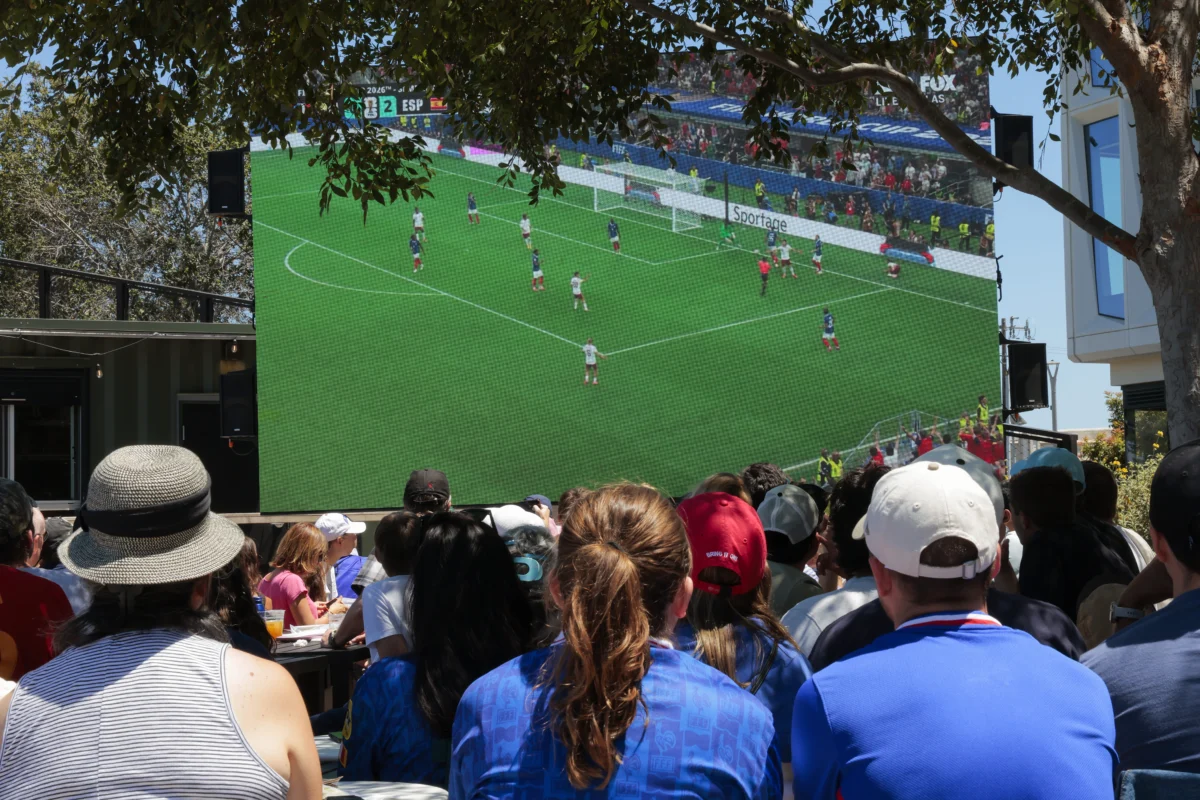
The recent FIFA World Cup, co-hosted by the United States, has undeniably injected a significant boost into the economies of its host cities, particularly through increased tourism and hospitality sector activity. However, a comprehensive report released by the Federal Reserve on Wednesday indicates that this surge in event-specific spending was largely offset by broader economic headwinds, preventing a widespread revitalization of national economic growth. While vibrant watch parties and packed stadiums painted a picture of enthusiastic engagement, the underlying economic data reveals a more nuanced reality, where the tournament’s positive effects were contained rather than broadly disseminated.
Event Highlights and Initial Economic Indicators
The FIFA World Cup, a quadrennial international men’s football championship contested by the senior national teams of the member associations of FIFA, has a proven track record of drawing global attention and significant economic activity. This year’s tournament, with matches spread across multiple U.S. cities, saw a remarkable demand for event access, with median admissions prices for World Cup matches reportedly topping $900, according to data compiled by TicketData. This figure underscores the premium consumers were willing to pay for the experience of witnessing top-tier international football live.
The Federal Reserve’s latest Beige Book, a compilation of anecdotal evidence on economic conditions from its twelve districts, published eight times annually, serves as a crucial barometer of regional economic health. This edition, released on Wednesday, offered a detailed look at how the World Cup influenced various economic sectors. While the event was expected to be a major catalyst for economic expansion, the report suggests its impact was more localized than anticipated.
Regional Economic Performances: A Tale of Two Cities (and Regions)
The Federal Reserve’s regional banks provided distinct insights into the tournament’s economic footprint. The Boston Fed, for instance, noted that while initial hotel bookings related to the World Cup were "softer than expected," these establishments ultimately met their booking forecasts. This adjustment was attributed, in part, to hotels strategically lowering room prices, making accommodation more accessible to a wider range of attendees and mitigating initial hesitations.
The impact on local businesses was also evident. Bars in the Boston area reported a notable uptick in beer sales directly linked to World Cup match viewings. In a testament to the passionate fan base, some establishments in the Massachusetts city reportedly experienced shortages of beer as Scottish fans, a significant contingent known for their fervent support, descended upon the city. This surge in demand highlights the localized economic stimulus generated by the tournament’s presence.
However, the Boston Fed’s coverage area also experienced a mixed bag of tourism trends. The region saw an increase in visitors from Canada compared to the previous summer. Yet, the report cautioned that these numbers remained "far lower than historical averages." This decline disproportionately affected towns in coastal Maine and northern Vermont, suggesting that while the World Cup drew some international visitors, it did not fully compensate for a broader downturn in traditional cross-border tourism to these specific areas.
In New York City, the New York Fed reported "strong" sales at some restaurants and bars that hosted World Cup match-viewing events. This indicates a direct correlation between the tournament and increased consumer spending at hospitality venues. However, the report also pointed to a decline in international visitors, with a particular emphasis on reduced foot traffic from Canada.
The Shadow of Geopolitical and Economic Policies

The decrease in Canadian visitors to the U.S. has been linked to broader geopolitical and economic factors. The Canadian government has reported a decline in its citizens crossing the U.S. border. This trend has been partly attributed to the economic policies enacted by the Trump administration, including its tariff rollouts and perceived threats to national sovereignty. The report suggests that Canadian residents are increasingly opting to spend their money and engage with services and products within their own country, a phenomenon often referred to as "staycationing" or a conscious shift towards domestic consumption.
While New York City’s hotels experienced higher occupancy rates and increased room prices due to the World Cup, the New York Fed also observed a softening in demand at some mid-tier attractions. Furthermore, a department store reported that an increase in foot traffic from tournament attendees did not translate into higher overall sales, suggesting that while people were present, their spending patterns may have been more targeted or constrained.
Broader Economic Slowdown and Consumer Behavior
The San Francisco Fed’s district, which also hosted World Cup matches, reported high tourist volumes in those specific cities. However, in other markets within its purview, the report indicated a pullback in local spending on restaurants, hotels, and entertainment. This divergence suggests that the economic benefits of the World Cup were not evenly distributed, even within the same Federal Reserve district.
Across all regions, the overall sentiment captured by the San Francisco Fed was that the demand for consumer and business services "slowed somewhat on net." This observation points to a larger, more pervasive economic trend that the World Cup, despite its significant draw, was unable to entirely counteract.
The report detailed a consistent pattern of consumer behavior that capped the growth in consumer spending nationwide. Rising oil prices, a persistent concern in recent economic cycles, forced consumers to cut back on other expenditures. Across several regions, the Federal Reserve observed consumers actively seeking cheaper alternatives for goods and services or reducing their discretionary spending to bolster savings. This heightened price sensitivity and cautious approach to spending indicate a consumer base prioritizing essential needs and financial security over non-essential purchases.
Analysis of Implications and Future Outlook
The Federal Reserve’s Beige Book report offers a valuable, albeit sobering, perspective on the economic impact of large-scale international events like the FIFA World Cup. While the tournament undeniably provided a welcome jolt to the hospitality and entertainment sectors in host cities, its ability to stimulate broader economic growth was constrained by a confluence of factors. These include pre-existing economic weaknesses, shifts in international travel patterns influenced by geopolitical tensions, and the persistent impact of rising inflation on consumer purchasing power.
The data suggests that while event-driven tourism can offer localized economic benefits, it is not a panacea for systemic economic challenges. The high cost of event tickets, while lucrative for organizers and potentially for some local businesses, may also have limited the spending capacity of attendees on other goods and services. Furthermore, the reliance on international visitors, as seen with the decline in Canadian tourists, highlights the vulnerability of such events to external economic and political factors.
The report’s findings underscore the importance of a multifaceted approach to economic stimulus. While major sporting events can be valuable components of a tourism strategy, they must be complemented by policies that address underlying economic issues, support domestic consumption, and foster stable international relations. The observed consumer behavior – seeking value, reducing discretionary spending, and prioritizing savings – signals a cautious economic outlook that requires sustained efforts to rebuild confidence and encourage broader spending.
The implications for future large-scale events are significant. Organizers and policymakers may need to consider strategies that not only attract visitors but also ensure that spending is channeled effectively throughout the local economy. Furthermore, understanding and adapting to evolving consumer behaviors and international travel trends will be crucial for maximizing the economic returns of future global events. The FIFA World Cup, while a spectacle of sport and a source of national pride, also served as a potent reminder that even the most anticipated events operate within the complex and often challenging landscape of the global economy. The Federal Reserve’s analysis provides a critical lens through which to evaluate the true economic impact, moving beyond the immediate excitement to understand the lasting and broader effects on the nation’s economic health.
