

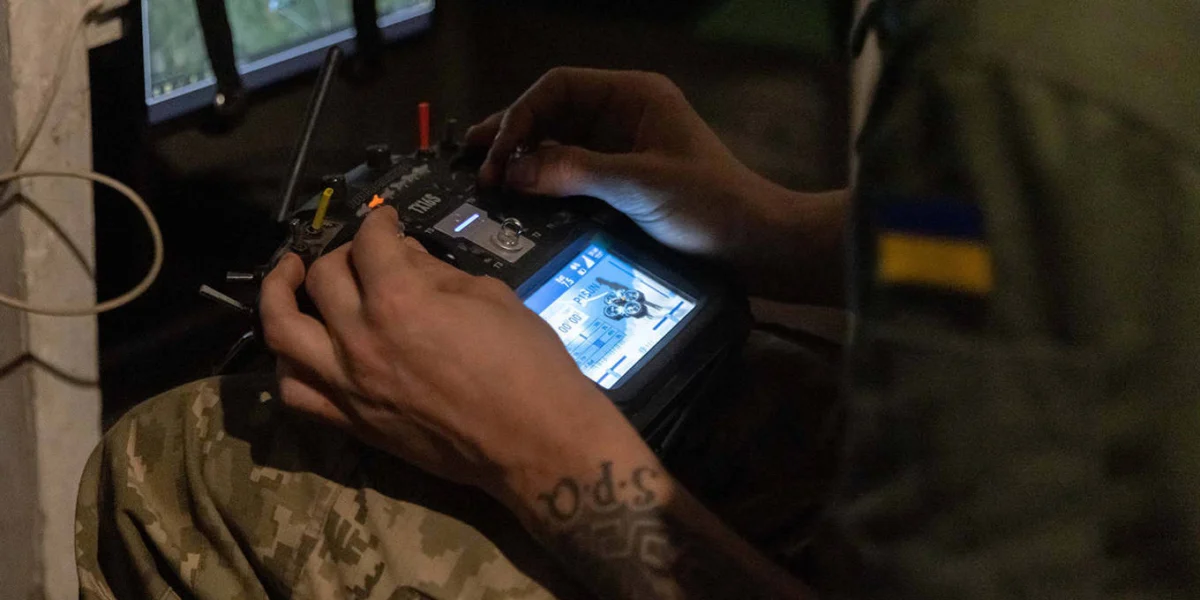
Princeton – The global geopolitical landscape has undergone a seismic shift, as smaller, ostensibly weaker nations increasingly demonstrate the capacity to challenge and expose the limitations of historically dominant powers. This transformation, driven by what some analysts describe as "foolish military interventions" and a miscalculation of economic and political leverage, has profoundly discredited the established order. The ancient wisdom of Thucydides, who chronicled the rise and fall of empires, finds contemporary resonance in a world where Ukraine has exposed the vulnerabilities of Russia, and Iran has similarly revealed the United States to be a "paper tiger" in certain contexts. The once unshakeable foundations of great power influence appear to be crumbling, revealing feet of clay beneath gilded exteriors.
The Shifting Sands of Global Power
For decades, the international system has been largely shaped by the ambitions and actions of a select group of established powers. These nations, possessing significant military might, economic resources, and diplomatic influence, were perceived as the primary arbiters of global destiny. However, a series of recent events suggests that this perception is no longer an accurate reflection of reality. The prolonged and costly engagement in Ukraine has strained Russia’s resources and exposed its strategic overreach, leading to widespread international condemnation and a steady erosion of its global standing. Concurrently, the United States, under the disruptive presidency of Donald Trump, saw its international alliances strained and its diplomatic credibility questioned, diminishing its perceived unipolar dominance.
This erosion of traditional power is not merely a matter of perception. It is underscored by tangible consequences on the world stage. Russia, once a formidable military force, has been bogged down in a protracted conflict, incurring heavy human and material losses. International sanctions have further isolated the nation, impacting its economic stability and technological advancement. While official Russian pronouncements often emphasize resilience and strategic gains, independent analyses from think tanks and intelligence agencies paint a picture of increasing internal strain and diminished external influence. For instance, reports from the International Institute for Strategic Studies (IISS) have detailed the significant depletion of Russian military hardware and the impact of sanctions on its defense industry.
Similarly, the United States, despite its immense economic and military capacity, has faced significant diplomatic setbacks. The withdrawal from Afghanistan, the strained relationships with key allies during the Trump administration, and the domestic political polarization have all contributed to a perception of declining global leadership. While the Biden administration has sought to reassert American influence and mend alliances, the challenges remain formidable. Data from Pew Research Center surveys consistently show a decline in favorable views of the U.S. among publics in various regions, a stark contrast to the post-Cold War era.
The Ukraine Conundrum: A Test of Russian Resolve and Western Unity
The conflict in Ukraine, initiated by Russia’s full-scale invasion in February 2022, has become a defining geopolitical event of the early 21st century. Initially, many observers anticipated a swift Russian victory, based on traditional assessments of military superiority. However, Ukraine’s determined resistance, bolstered by substantial military and financial aid from Western nations, has transformed the conflict into a grinding war of attrition.
Chronology of Key Events (2022-2026):
- February 24, 2022: Russia launches a full-scale invasion of Ukraine.
- March 2022: Ukrainian forces repel Russian advances on Kyiv, demonstrating unexpected resilience.
- April 2022: Russia shifts its focus to eastern and southern Ukraine.
- September 2022: Ukraine launches successful counteroffensives in the Kharkiv and Kherson regions, reclaiming significant territory.
- November 2022: Russian forces withdraw from Kherson city.
- 2023: A protracted period of trench warfare and attritional battles, particularly in the Donbas region. Ukraine receives advanced Western weaponry, including tanks and long-range artillery.
- Early 2024: Russia consolidates its defensive lines and launches localized offensives. Ukraine faces challenges in securing sustained levels of Western aid due to political shifts in some contributing nations.
- Mid-2024: Ukraine, utilizing newly supplied precision-guided munitions and drones, conducts more effective strikes against Russian logistics and command centers.
- Late 2024 – Early 2026: The conflict continues with fluctuating intensity. Russia faces increasing domestic pressure due to casualties and economic strain, while Ukraine grapples with reconstruction needs and maintaining international support.
The sustained Ukrainian resistance has forced a reevaluation of Russia’s military capabilities and strategic planning. Reports from the Stockholm International Peace Research Institute (SIPRI) have highlighted the significant drain on Russia’s defense budget and its reliance on aging Soviet-era equipment, alongside the impact of sanctions on its ability to procure advanced components. The inability of Russia to achieve its initial objectives swiftly has severely undermined its image as a formidable military power, particularly in the eyes of its neighbors and potential adversaries.
Iran’s Strategic Assertiveness: A Challenge to American Influence
The dynamic between Iran and the United States offers another compelling illustration of declining hegemonic power. For decades, the U.S. has sought to contain Iran’s regional influence through economic sanctions, military deterrence, and diplomatic isolation. However, Iran has, through a combination of asymmetric warfare, regional proxy networks, and a determined pursuit of its strategic objectives, demonstrated a remarkable ability to defy American pressure and assert its interests.
Key Developments in Iran-U.S. Relations (Indicative Timeline):
- 1979: Iranian Revolution, establishment of the Islamic Republic, and the U.S. Embassy hostage crisis.
- 1980s: Iran-Iraq War, with U.S. tacit support for Iraq.
- 1990s-2000s: U.S. imposes increasingly stringent sanctions on Iran, targeting its nuclear program and alleged support for terrorism.
- 2015: Joint Comprehensive Plan of Action (JCPOA) – Iran nuclear deal, offering sanctions relief in exchange for limitations on its nuclear program.
- 2018: President Trump withdraws the U.S. from the JCPOA and reimposes severe sanctions.
- 2019-2021: Escalation of tensions, including drone strikes and naval incidents in the Persian Gulf. Iran’s support for regional proxies (Hezbollah, Houthis, militias in Iraq and Syria) becomes more pronounced.
- 2022-2024: Continued nuclear enrichment by Iran, leading to renewed diplomatic efforts and international concerns. Iran’s involvement in supporting Russia’s military efforts in Ukraine through drone and missile supplies further complicates the geopolitical landscape.
- 2025-2026: Iran continues to leverage its regional influence and maintain a robust deterrent capability, demonstrating its resilience against U.S. pressure.
Iran’s ability to sustain its regional posture and its engagement in proxy conflicts, even under intense sanctions, highlights the limitations of American power projection in the Middle East. While the U.S. maintains a significant military presence, its ability to dictate terms or fully neutralize Iranian influence has been consistently challenged. The ongoing development of Iran’s missile and drone capabilities, often shared with allied groups, represents a significant strategic challenge that the U.S. has struggled to fully counter. Data from organizations monitoring regional security, such as the Council on Foreign Relations, frequently point to the persistent threat posed by Iranian-backed militias to U.S. interests and allies in the region.
The Economic Underpinnings of Power: A Shifting Calculus
The traditional understanding of power has been intrinsically linked to economic might. Nations with larger GDPs and more advanced economies were presumed to wield greater influence. However, the recent geopolitical narrative suggests a more nuanced reality. While economic strength remains crucial, its translation into effective geopolitical leverage is no longer automatic.
Russia’s economic reliance on energy exports, while once a source of strength, has become a vulnerability in the face of Western sanctions and the global transition towards renewable energy. The International Energy Agency (IEA) has documented the significant decline in Russian energy exports to Europe and the impact on its national budget. Despite attempts to reorient its energy markets towards Asia, the economic repercussions have been substantial.
The United States, despite its immense economic capacity, has faced challenges in leveraging its wealth for decisive geopolitical outcomes. The cost of prolonged military engagements, coupled with domestic economic pressures and a growing national debt, has constrained its ability to unilaterally impose its will. Furthermore, the rise of economic blocs and the increasing interconnectedness of global supply chains mean that economic coercion can have unintended consequences, impacting not only the target nation but also the aggressor and its allies.
Re-evaluating the Nature of Power in the 21st Century
The current geopolitical climate necessitates a re-evaluation of what constitutes power in the 21st century. While military strength and economic might remain important, they are no longer sufficient determinants of global influence. Factors such as strategic agility, the ability to forge and maintain alliances, effective diplomacy, technological innovation, and even the capacity for sustained resistance by smaller states are increasingly playing a critical role.
The "paper tiger" metaphor, once applied to waning imperial powers, now seems to resonate with a broader range of established nations. The illusion of invincibility has been shattered, replaced by a more complex and multipolar reality. The continued success of Ukraine in defending its sovereignty and the persistent assertiveness of Iran in its regional arena are not isolated incidents; they are indicators of a fundamental shift in the global power balance.
Implications for the Future:
- Rise of Middle Powers: The diminished capacity of traditional great powers may create greater space for middle powers to assert their interests and play more significant regional roles.
- Asymmetric Warfare and Non-State Actors: The effectiveness of asymmetric tactics and the influence of non-state actors, often supported by states like Iran, will likely continue to challenge conventional military dominance.
- Diplomacy and Alliances: The importance of diplomacy, coalition-building, and adaptable alliances will be paramount in navigating a more fluid and unpredictable international environment.
- Economic Resilience: Nations that can build diversified economies and foster technological innovation will be better positioned to withstand external pressures and project influence.
- Information Warfare: The battle for narratives and public opinion will become an increasingly critical component of geopolitical competition, as seen in the ongoing information campaigns surrounding the conflicts in Ukraine and broader regional tensions.
In conclusion, the era of undisputed great power hegemony is demonstrably fading. The miscalculations of outdated power dynamics, fueled by a belief in invincibility, have led to costly and ultimately discrediting interventions. The world is witnessing a recalibration of influence, where the strategic acumen and resilience of smaller nations are proving to be potent forces capable of reshaping the global order. The lessons of history, as observed by thinkers like Thucydides, are being re-learned in real-time, underscoring the enduring truth that power is not static and that even the mightiest can be humbled by unexpected challenges.
