

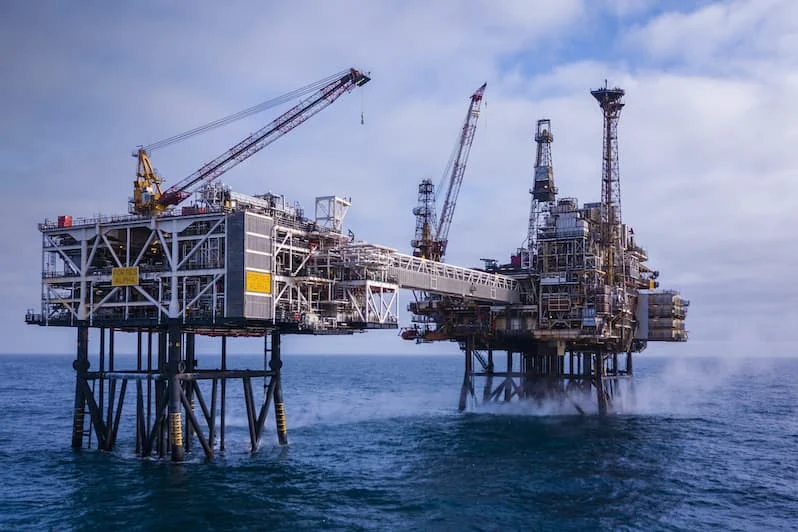
The United Kingdom stands at a critical juncture, poised to make a profound decision regarding the future of its North Sea oil and gas sector. As a potential new government under Prime Minister Keir Starmer’s likely successor, Andy Burnham, prepares to take office, it faces an immediate and complex challenge: whether to sanction further exploration and drilling in the North Sea or to accelerate the nation’s transition to renewable energy sources. This crucial debate is further inflamed by a volatile global energy landscape, marked by significant geopolitical disruptions and a renewed focus on energy security.
Adding a significant layer of complexity to the domestic discourse, former U.S. President Donald Trump has publicly weighed in, attributing Prime Minister Starmer’s recent resignation to what he termed "failed" energy policies. This intervention underscores the international dimension of the U.K.’s energy dilemma. Trump’s comments arrive at a time when the ongoing conflict involving Iran has severely disrupted oil flows through the Strait of Hormuz, a vital global maritime chokepoint for crude oil transportation. The implications of this physical supply squeeze are amplified by the lingering shockwaves from Russia’s full-scale invasion of Ukraine, which had already sent tremors through global energy markets and intensified the U.K.’s existing concerns about energy security and independence.
The urgency of this situation is palpable for many business leaders, who argue that bolstering domestic energy production is paramount to safeguarding the nation’s economic stability and resilience. However, the political landscape remains sharply divided, presenting a significant hurdle for any incoming administration. Within the governing Labour Party, a discernible split exists. While U.K. Finance Minister Rachel Reeves is reportedly privately supportive of new North Sea drilling, Energy Secretary Ed Miliband, a potential contender for the finance minister role in a new government, has consistently advocated for a decisive pivot towards clean energy solutions. This divergence highlights the ideological chasm that any leader must navigate.
The trade union movement also presents a powerful voice in this debate. Two of the U.K.’s largest and most influential trade unions, Unite the Union and GMB, have launched vigorous campaigns in favour of continued drilling. Their primary concern centres on the potential for significant job losses within the North Sea sector should new exploration and production be curtailed. This positions them as strong advocates for maintaining, and potentially expanding, domestic fossil fuel extraction, creating a direct conflict with environmental objectives and the broader clean energy agenda.
Andy Burnham, widely expected to assume the premiership in July if no other Labour Party colleagues mount a leadership challenge, is under immense pressure to articulate a clear and decisive policy stance. The markets are watching closely, and his early decisions will undoubtedly shape investor confidence and the trajectory of the U.K.’s energy future.
Key Projects Under Scrutiny: Rosebank and Jackdaw Fields
At the heart of the U.K.’s energy debate lie two significant potential development projects in Scottish waters: the Rosebank and Jackdaw fields. These fields represent substantial untapped reserves of oil and gas, capable of significantly boosting the U.K.’s domestic supply. However, their development also presents a direct challenge to the nation’s ambitious climate change targets, raising questions about the compatibility of continued fossil fuel extraction with the commitment to net-zero emissions.
The political and economic ramifications of these projects are particularly acute in Scotland. First Minister John Swinney, in a recent interview with CNBC, articulated the delicate balancing act his government, and indeed the U.K. as a whole, must perform. "There is a changing balance that’s got to be struck," Swinney stated. He emphasized the continued necessity of oil and gas for the foreseeable future, noting that "We are going to have to utilize oil and gas for some years to come." Swinney further elaborated on the impact of global events, asserting that "If there is uncertainty about the security of supply, or security of supply is undermined because of exorbitant cost of the effects of the conflict in Iran, these are material factors that have got to be borne in mind."

The Grangemouth Refinery Closure: A Symbol of Transition and its Consequences
The closure of the Grangemouth oil refinery in April 2025 serves as a potent symbol of the U.K.’s energy transition, but also highlights the complex and often challenging consequences of such shifts. Once Scotland’s largest refinery, its closure resulted in the loss of hundreds of jobs, underscoring the economic impact on communities reliant on the fossil fuel industry.
First Minister Swinney pointed to the refinery’s closure as a critical juncture, explaining that it "had been a source of production of jet fuel, so we’re now importing jet fuel because of a closure of a refinery." He further highlighted the vulnerability this creates, stating, "We’ve now got uncertainty over jet fuel because of the conflict in the Middle East, and that will affect the ability of our economy to function." This sentiment underscores the dual pressures of energy security and economic stability that the U.K. is currently grappling with.
Historical Context and Shifting Energy Landscape
The North Sea oil and gas industry has been a cornerstone of the U.K. economy for decades, providing significant revenue and employment. The first oil was discovered in the U.K. sector of the North Sea in 1965, and production began in 1967. Over the years, it has played a crucial role in the nation’s energy self-sufficiency and economic development. However, as global concerns about climate change have escalated and renewable energy technologies have matured, the long-term viability and desirability of continued fossil fuel extraction have come under increasing scrutiny.
The U.K. government has set legally binding targets to achieve net-zero greenhouse gas emissions by 2050. This ambitious goal necessitates a significant reduction in the burning of fossil fuels, including those extracted from the North Sea. The Committee on Climate Change, the U.K.’s independent climate advisory body, has consistently advised that new oil and gas exploration licenses should not be issued if the U.K. is to meet its climate targets.
Supporting Data and Economic Considerations
The economic arguments for continued North Sea production are substantial. The sector directly employs tens of thousands of people and supports many more indirectly through its supply chains. Data from the industry body Offshore Energies UK (OEUK) indicates that the sector contributed billions of pounds to the U.K. economy in recent years and continues to be a significant source of tax revenue.
However, the economic realities are also shifting. The cost of renewable energy technologies, such as offshore wind, has fallen dramatically in recent years, making them increasingly competitive with traditional energy sources. The U.K. is a global leader in offshore wind, with substantial installed capacity and ambitious plans for further expansion. Investing in these technologies offers the potential for long-term energy security, job creation in new green industries, and a reduced reliance on volatile global fossil fuel markets.
The U.K. currently imports a significant portion of its energy needs. While North Sea production contributes to domestic supply, it does not meet the entirety of the nation’s demand. This import reliance makes the U.K. vulnerable to international price fluctuations and geopolitical instability, as evidenced by the current situation in the Strait of Hormuz and the broader impact of the war in Ukraine.
Analysis of Implications: A Tightrope Walk for the Next Government
The decision facing the U.K. government is not merely an economic one; it is deeply intertwined with national security, environmental responsibility, and the country’s international standing.

Energy Security vs. Climate Commitments: The most immediate implication is the tension between the perceived need for energy security through domestic fossil fuel production and the urgent necessity of meeting climate targets. Approving new drilling could bolster short-to-medium term energy supply and potentially lower immediate energy costs, but it directly contradicts the U.K.’s net-zero commitments and could draw international criticism. Conversely, halting all new exploration, while aligned with climate goals, risks exacerbating energy security concerns, particularly in the face of global supply disruptions, and could lead to job losses in traditional industries.
Economic Transition and Just Transition: The U.K. faces the challenge of managing an "energy transition" that is also a "just transition." This means ensuring that workers and communities reliant on the fossil fuel industry are not left behind. Investments in renewable energy and associated supply chains can create new jobs, but a proactive strategy is needed to retrain and support workers from legacy industries. The closure of Grangemouth serves as a stark reminder of the human cost of industrial change if not managed carefully.
Geopolitical Vulnerability: The disruptions in the Strait of Hormuz highlight the U.K.’s continued exposure to global geopolitical risks. While North Sea oil provides some buffer, the nation remains connected to international energy markets. A strategic decision on domestic production will influence the U.K.’s resilience to future shocks and its ability to exert greater control over its energy future.
Investor Confidence and Innovation: The U.K.’s approach to North Sea oil will also send a powerful signal to investors. A clear and consistent policy framework is crucial for attracting investment in both traditional and emerging energy sectors. A pivot towards renewables could unlock significant opportunities for innovation and leadership in green technologies, but requires sustained government support and investment.
International Reputation: As a signatory to the Paris Agreement and a host of COP26, the U.K. has positioned itself as a leader in climate action. Any perceived backtracking on climate commitments, such as approving new fossil fuel projects without a clear justification tied to energy security, could damage its international reputation and influence on global climate negotiations.
The incoming U.K. government will inherit a complex and urgent energy challenge. The decisions made regarding the future of North Sea oil and gas will have profound and lasting consequences for the nation’s economy, environment, and its place in the world. The coming months will be critical in defining the U.K.’s energy trajectory for decades to come.
