

The world of haute horlogerie is abuzz with the unexpected and significant re-emergence of the Rolex Yacht-Master II, a timepiece that has historically polarized enthusiasts and experts alike. Initially launched in 2010, the Yacht-Master II was an ambitious undertaking by Rolex, aiming to cater to the highly specialized needs of competitive sailors with its complex regatta timing function. However, its intricate operational mechanics and substantial design proved to be a barrier for many, leading to its discontinuation in 2024. The surprise revelation of its return at this year’s Watches and Wonders trade show, in both steel and yellow-gold iterations, marks a pivotal moment for the iconic brand and a testament to its commitment to refining even its most challenging creations. This revitalized iteration promises not only a more accessible user experience but also a subtly evolved aesthetic, signaling a potential shift in Rolex’s approach to complication-driven timepieces.
A Legacy of Complexity: The Original Yacht-Master II
The original Rolex Yacht-Master II was, by all accounts, a marvel of engineering. Its primary function was to assist sailors in precisely timing the critical minutes leading up to a yacht race’s start. This period, often referred to as the "starting sequence," involves a series of signals – horns or flags – that mark countdown intervals, typically in one-minute increments. For professional sailors, being able to synchronize their timing with these official signals is paramount, as a fraction of a second can determine the outcome of a race. The Yacht-Master II was designed to integrate this functionality directly onto the wrist.
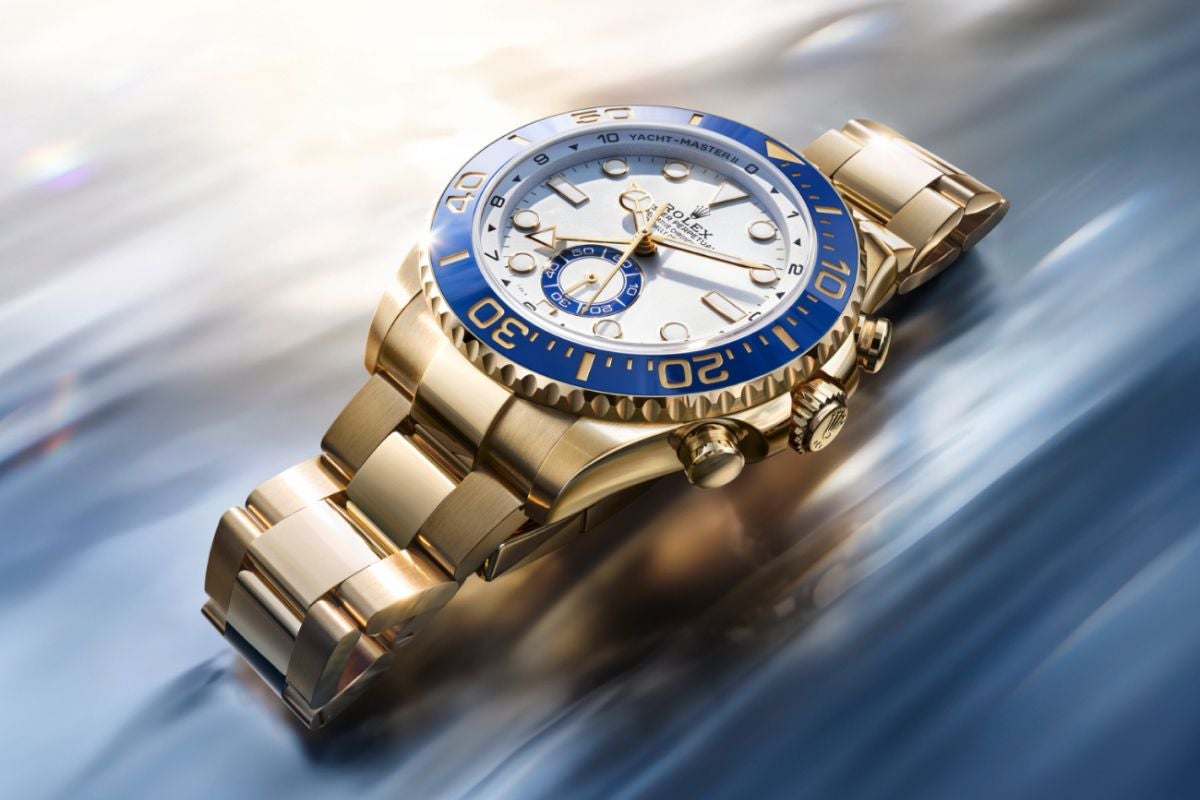
However, the execution of this functionality was notoriously complex. The watch featured a groundbreaking mechanism, the caliber 4160, which allowed for a programmable countdown of up to 10 minutes. To set and operate this countdown, users were required to manipulate the watch’s rotating bezel in conjunction with its pushers in a sequence that many found bewildering. This involved a multi-step process of unlocking the bezel, setting the desired countdown duration, and then engaging the chronograph. The learning curve was steep, and for those not deeply immersed in the intricacies of competitive sailing, the operation could feel arcane.
This complexity, coupled with a robust and somewhat ostentatious design, led to the Yacht-Master II being perceived by some as more of a statement piece than a truly practical tool for the average mariner. While undoubtedly a technical tour de force, its operational demands may have inadvertently alienated a broader audience, including those who might otherwise appreciate the prestige of a Rolex sporting watch. The initial reception highlighted a dichotomy: a watch designed for a niche, yet possessing the brand recognition of a global luxury icon.
The 2024 Redesign: A New Era of Accessibility
The reintroduction of the Yacht-Master II at Watches and Wonders 2024 represents a significant departure from its predecessor, prioritizing user-friendliness without sacrificing its core regatta timing capabilities. The most notable improvement lies in the complete re-engineering of its operational mechanism. Rolex has managed to simplify the interaction with the watch’s functions to such an extent that even those with limited nautical knowledge, or perhaps a general aversion to overly complicated watch interfaces, can readily understand and utilize its features.

The new Yacht-Master II operates primarily through its pushers, a departure from the bezel-and-pusher combination of the original. This streamlined approach makes setting and activating the countdown timer far more intuitive. The mechanism now features a reworked chronograph with a dedicated hand designed to count down minutes against a 10-minute scale. Crucially, the ability to pre-set the duration of this countdown – a feature essential for various racing formats where starting sequences can differ – has been retained and made more accessible.
Beyond the functional enhancements, the aesthetic of the new Yacht-Master II has also undergone a significant transformation. The "clunky" design of the original has been replaced with a more refined and streamlined silhouette. While specific dimensions and material choices for all variants are still emerging, the visible redesign suggests a conscious effort by Rolex to present a more contemporary and elegant timepiece. This subtle yet impactful visual update is expected to broaden its appeal beyond the dedicated sailing community.
The Competitive Landscape: Other Nautical Timepieces
The return of the Rolex Yacht-Master II arrives at a time when the market for high-end nautical-themed watches is robust and diverse. Rolex’s own stable includes the highly sought-after Yacht-Master 42, particularly the all-grey titanium version, which is lauded for its understated elegance and robust functionality, favored by accomplished sailors like Sir Ben Ainslie. This timepiece, while not a regatta timer, represents Rolex’s more broadly appealing approach to marine-inspired watches.

Other prominent brands are also actively competing in this space:
- Panerai: Known for its robust and sizable timepieces, Panerai offers several watches with sailing affiliations, often in partnership with America’s Cup teams like Luna Rossa. While these watches typically exude a strong nautical spirit, they do not currently feature dedicated regatta timers.
- Ulysse Nardin: The brand has introduced a distinctive Diver Chronograph in recycled carbon fiber and titanium, a limited edition collaboration with The Ocean Race. This watch combines innovative materials with a bold aesthetic, catering to those who value sustainability and cutting-edge design in their marine instruments.
- TAG Heuer: The brand has revived its vintage "Skipper" model, offering a modern interpretation of a sought-after classic. This timepiece taps into the rich heritage of chronographs used in sailing and racing.
- Omega: The Seamaster Regatta stands out as a technically sophisticated offering. This digital-analog hybrid in titanium boasts multiple pushers and readouts, representing a highly functional, albeit complex, tool for the most demanding regatta participants.
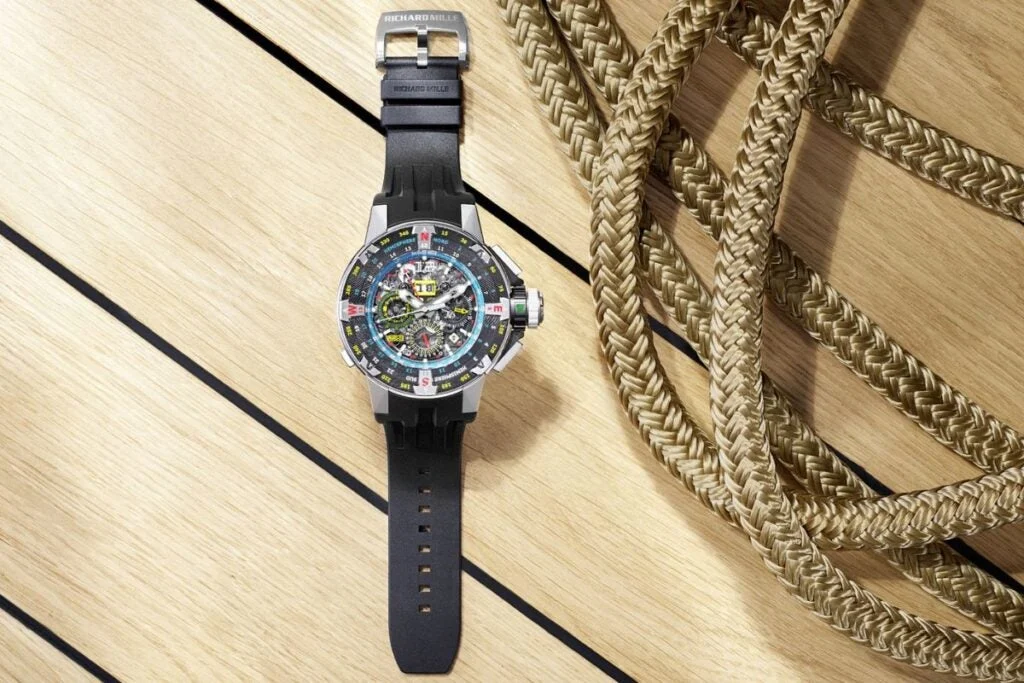
- Richard Mille: For the ultra-high-net-worth individual, Richard Mille’s RM 60-01 Flyback Chronograph Regatta represents the pinnacle of horological complexity and exclusivity. Produced in limited runs between 2014 and 2021, these watches feature intricate countdown functions, skeletonized chronograph movements, and compass bezels. These pieces are exceptionally rare and command prices around £100,000 on the secondary market. Notably, Richard Mille’s CEO, Peter Harrison, is himself an accomplished yachtsman, having skippered the Yacht Club de Monaco to victory in the Admiral’s Cup. This personal connection underscores the brand’s commitment to authentic nautical performance and luxury. A rare RM 60-01 is reportedly surfacing at the brand’s secondary market store, Ninety, on London’s Mount Street, generating significant interest among collectors.
The re-emergence of the Yacht-Master II suggests Rolex is looking to reclaim its unique position within this competitive segment by offering a compelling blend of brand heritage, technical innovation, and, crucially, enhanced usability.
The Significance of the Return: Market Implications and Brand Strategy
The decision to reintroduce the Yacht-Master II, especially after its discontinuation, is a strategic move by Rolex. It indicates a willingness to revisit and refine even its most challenging designs, acknowledging past critiques while leveraging its unparalleled brand equity. The simplified operation is a key factor, suggesting Rolex has listened to market feedback and understands the importance of accessibility in the luxury watch sector.

The new Yacht-Master II is poised to appeal to a wider audience. While the core demographic of serious sailors will undoubtedly be interested, the improved usability may also attract watch collectors and enthusiasts who appreciate complex mechanical movements but are deterred by overly intricate interfaces. The dual availability in steel and yellow gold offers options for different preferences and price points within the luxury market, further broadening its potential customer base.
The re-engineered movement and refined design also signal Rolex’s ongoing commitment to innovation. By demonstrating that even a discontinued and complex model can be successfully redeveloped and improved, Rolex reinforces its image as a brand that consistently pushes the boundaries of watchmaking. This move could also set a precedent for how other brands approach their own complex or previously underperforming complications.
Furthermore, the timing of the Yacht-Master II’s comeback, coinciding with a period of heightened interest in high-performance sporting watches, positions it strategically. As consumers increasingly seek timepieces that are not only luxurious but also functional and capable of accompanying them in their active pursuits, the revitalized Yacht-Master II is well-placed to capture attention. Its narrative of overcoming complexity to achieve greater accessibility makes it a compelling story within the broader luxury watch narrative.

A Look Ahead: The Future of the Regatta Timer
The successful relaunch of the Rolex Yacht-Master II could have far-reaching implications for the future of regatta timers and complex chronographs in general. By proving that intricate functionalities can be made both elegant and user-friendly, Rolex may inspire other manufacturers to re-examine their own specialized timekeeping instruments. The focus on intuitive operation, combined with Rolex’s inherent desirability, suggests that the new Yacht-Master II will likely be a highly coveted timepiece, potentially commanding significant demand on both primary and secondary markets.
The success of this model will undoubtedly be watched closely by industry analysts and collectors. If the re-engineered Yacht-Master II achieves widespread acclaim and commercial success, it could encourage Rolex to explore further refinements of other complex complications within its portfolio. The brand’s ability to balance heritage with innovation, and to adapt to evolving consumer expectations, will be key to its continued dominance in the luxury watch landscape. The return of the Yacht-Master II is not merely the comeback of a single watch; it is a statement about Rolex’s enduring commitment to horological excellence and its strategic vision for the future of luxury timekeeping.
