

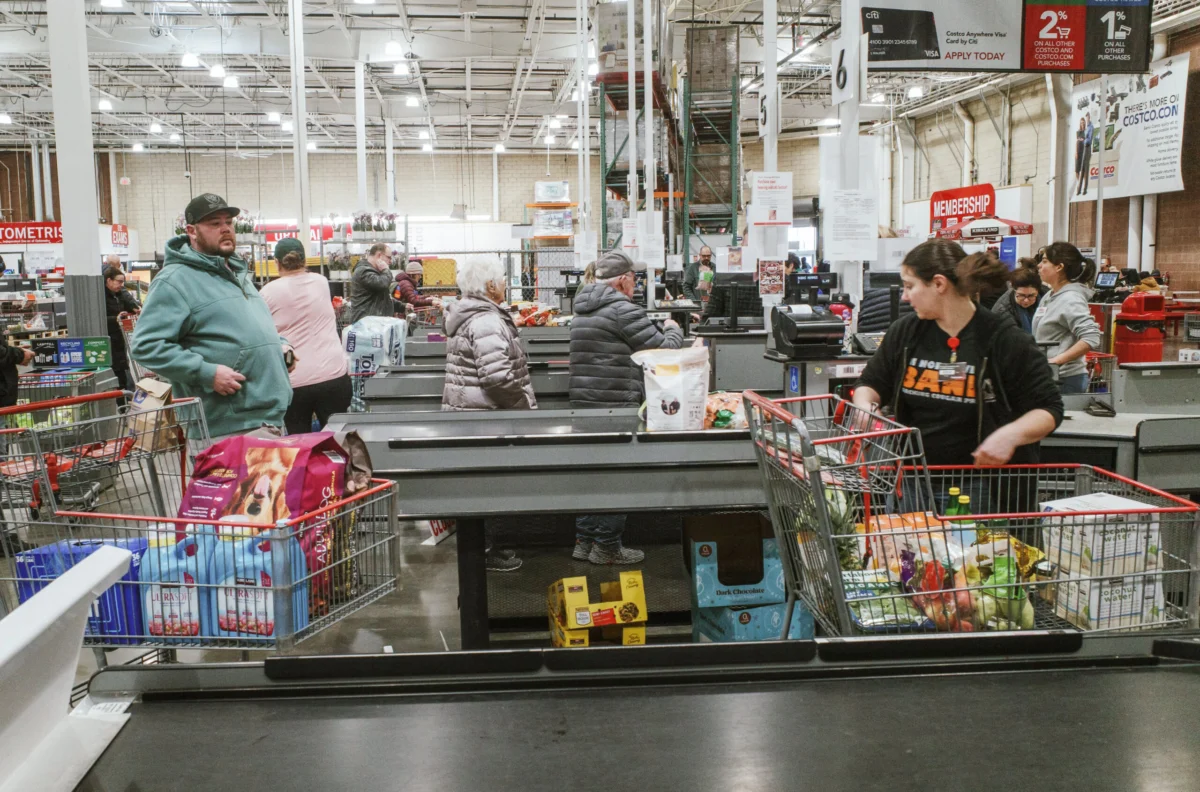
Federal Reserve Chairman Kevin Warsh, in his inaugural news conference on June 17, 2026, succinctly articulated a pressing national concern: "Persistently high prices are a burden for the American people." While the chairman addressed the broad strokes of nationwide inflation, a granular analysis reveals a stark geographical disparity in the cost of living, with certain states offering significant relief from escalating expenses. This regional divergence in affordability has profound implications for both individual households grappling with their budgets and corporations making strategic decisions about expansion and talent acquisition.
The economic landscape of 2026 has been heavily shaped by sustained inflationary pressures, a phenomenon Chairman Warsh and the Federal Reserve have been actively working to mitigate. Following a period of robust economic recovery post-global disruptions and further exacerbated by supply chain bottlenecks, robust consumer demand, and geopolitical events—such as the "Iran war" referenced in Q1 2026 impacting energy prices—the Consumer Price Index (CPI) has remained elevated. For instance, the Midwest region recorded a year-over-year CPI increase of +5% in May 2026, while the South saw a +3.9% rise, and the West a comparatively lower +3.5%. These figures, while indicating a national trend, mask the localized realities where the burden of inflation varies dramatically. Understanding these regional differences is paramount, as a lower cost of living can be a powerful magnet for businesses seeking to optimize operational expenses and attract a stable workforce, often enabling them to offer competitive wages while maintaining healthy margins.
CNBC’s "America’s Top States for Business" Methodology: Evaluating Affordability
For two decades, CNBC’s "America’s Top States for Business" study has served as a benchmark for state-level competitiveness, and the Cost of Living category remains a crucial component. Now in its 20th year, the 2026 study allocates 2% of each state’s total score to this vital metric. The assessment is meticulously constructed, drawing on a comprehensive index of prices for a wide array of goods and services compiled by the Council for Community and Economic Research (C2ER). Beyond everyday essentials, the methodology delves into housing affordability, a significant determinant of household expenditure, by analyzing costs for both homeowners and renters. In a year marked by a national insurance crisis, the study also places significant emphasis on the cost to insure a median-priced home, using the most recent available data to reflect the real financial burden on residents. This holistic approach ensures that the rankings accurately reflect the true economic burden on individuals and businesses within each state.
The national insurance crisis, particularly evident in 2026, is a critical factor influencing cost of living. Across the nation, severe weather events—ranging from devastating tornadoes in the Midwest to intense summer heatwaves and harsh winter conditions—have driven up insurance premiums. For many states, this escalating cost threatens to erode some of their traditional affordability advantages, forcing residents and businesses to contend with an additional financial strain.
While some U.S. states have become notoriously expensive, creating significant financial hurdles for residents and businesses, a select group stands out for its remarkable affordability. These states offer a compelling value proposition, proving that a high quality of life doesn’t always necessitate a high price tag. Below is an in-depth look at America’s cheapest states in 2026, detailing their unique cost advantages and key economic indicators.
The Nation’s Top 10 Most Affordable States in 2026
10. Missouri
2026 Cost of Living score: 34 out of 50 points (Top States grade: B+)
Missouri, often called the "Show-Me State," truly shows its residents some of the nation’s most attractive living costs. Housing, in particular, presents a compelling case for affordability. According to ATTOM Data Solutions, the average rent for a three-bedroom home in Missouri last year was a mere $1,582. This figure represents the fifth-lowest in the country as a percentage of median income, translating to roughly half of what one might expect to pay in a state like New Jersey. Beyond housing, everyday essentials also remain budget-friendly; a head of lettuce in Joplin, for instance, costs 12% less than in New York City, per C2ER data. However, Missouri is not entirely immune to rising costs. The state has been significantly impacted by severe weather events, including a devastating tornado in and around St. Louis last year that claimed at least four lives and inflicted an estimated $1.6 billion in damages. This has driven up insurance premiums, which, already the 13th-highest nationally, are projected by Insurify to rise another 7% in 2026. This underscores a growing challenge for otherwise affordable regions, as climate-related risks translate into tangible financial burdens.
- Consumer Price Index (May, Midwest Region, year-over-year): +5%
- Average rent (3-bedroom home): $1,582
- Average home price (Springfield): $478,702
- Monthly energy bill: $149.83
- Dozen eggs (Q1 2026): $3.22
- Loaf of bread (Q1 2026): $3.39
9. Ohio
2026 Cost of Living score: 35 out of 50 points (Top States grade: A–)
Ohio stands as a testament to how affordability can fuel broader economic success. The Buckeye State not only boasts some of the nation’s lowest living costs but also holds the distinction of being America’s Top State for Business overall in 2026. This synergy between low business costs and a low cost of living creates an attractive environment for both enterprises and their employees. Housing in Ohio is particularly accessible, with Cleveland offering average home prices that are approximately one-third of those found in Boston. Statewide, the average rent for a three-bedroom home, at $1,565, ranks as the fourth-lowest in the country when measured as a percentage of median income. This combination of economic opportunity and affordable living expenses makes Ohio a compelling choice for individuals and families seeking to maximize their purchasing power.
- Consumer Price Index (May, Midwest Region): +5%
- Average rent (3-bedroom home): $1,565
- Average home price (Cleveland): $388,116
- Monthly energy bill: $188.39
- Dozen eggs: $4.29
- Loaf of bread: $3.72
8. Kansas
2026 Cost of Living score: 36 out of 50 points (Top States grade: A–)
In Kansas, the "Sunflower State," residents find that their money truly goes further, allowing their savings to grow. The cost of basic goods often undercuts national averages; for example, a 64-ounce bottle of cooking oil in Salina is about 10% cheaper than in Chicago. Housing costs are notably low, ranking as the third-lowest in the entire country. This affordability, however, is increasingly challenged by external factors. Similar to many of its Midwestern neighbors, Kansas is experiencing a surge in insurance costs, driven by an uptick in severe storms, extreme summer heat, and harsh winter conditions. Homeowners’ premiums were the 10th-highest nationwide last year, with a projected 4% increase for 2026. This trend highlights the growing financial impact of climate variability on states that traditionally offered significant cost advantages.
- Consumer Price Index (May, Midwest Region): +5%
- Average rent (3-bedroom home): $1,538
- Average home price (Salina): $348,000
- Monthly energy bill: $223.04
- Dozen eggs: $3.87
- Loaf of bread: $3.63
7. Iowa
2026 Cost of Living score: 36 out of 50 points (Top States grade: A–)
Iowa offers an exceptional environment for individuals looking to establish a home and build financial security, with plenty of money left over. The Hawkeye State boasts the second-lowest rents in the country as a percentage of median income, trailing only Michigan. For those considering homeownership, Iowa’s housing market is among the most affordable in the nation. However, like many states in the heartland, Iowa is navigating a significant insurance crisis. Six years after a devastating derecho caused over $11 billion in damages across the Midwest, with the eastern parts of Iowa bearing the brunt of the destruction, the long-term impacts on insurance premiums continue to be felt. This situation underscores the delicate balance between inherent affordability and the rising costs associated with increased climate volatility.
- Consumer Price Index (May, Midwest Region): +5%
- Average rent (3-bedroom home): $1,580
- Average home price (Burlington): $331,200
- Monthly energy bill: $205.61
- Dozen eggs: $3.63
- Loaf of bread: $3.63
6. Indiana
2026 Cost of Living score: 36 out of 50 points (Top States grade: A–)
As the "Crossroads of America," Indiana offers more than just convenient transit; it provides substantial savings for its residents. Even amidst the onset of the Iran war in the first quarter of 2026, which significantly impacted global oil markets, gasoline in Richmond, Indiana, remained remarkably affordable at $2.82 a gallon, according to C2ER. Beyond fuel, vehicle maintenance also comes at a fraction of the cost, with a tire balancing service in Kokomo costing roughly half of what one would pay in Conway, Arkansas. This focus on transportation-related savings is particularly pertinent for a state renowned for its logistical importance. The affordability extends to other areas, making Indiana a fiscally attractive place to live and do business, particularly for industries reliant on efficient transport and low operational overhead.
- Consumer Price Index (May, Midwest Region): +5%
- Average rent (3-bedroom home): $1,711
- Average home price (Kokomo): $293,267
- Monthly energy bill: $197.80
- Dozen eggs: $3.92
- Loaf of bread: $3.53
5. Wyoming
2026 Cost of Living score: 37 out of 50 points (Top States grade: A–)
Wyoming, the "Cowboy State," has commendably managed to contain the national insurance crisis, at least for the time being. Homeowners’ premiums in Wyoming are among the lower end nationally, averaging $1,929 per year, ranking 16th-lowest in the country. Crucially, these premiums are not projected to increase at all in 2026, offering a rare stability in a volatile market. While some inflation has been observed in other sectors, particularly food prices, they remain manageable. Rental costs also present a significant bargain; an apartment in Laramie can be rented for approximately one-third of the cost of a comparable unit in Arlington, Virginia. Wyoming’s unique economic structure, often driven by energy and tourism, coupled with its sparse population, contributes to its ability to maintain these cost advantages despite broader national inflationary trends.
- Consumer Price Index (May, West Region): +3.5%
- Average rent (3-bedroom home): $1,791
- Average home price (Laramie): $449,444
- Monthly energy bill: $208.17
- Dozen eggs: $3.28
- Loaf of bread: $4.29
4. South Dakota
2026 Cost of Living score: 38 out of 50 points (Top States grade: A)
The Mount Rushmore State offers monumental savings, particularly in housing. South Dakota homeowners enjoy the fourth-lowest monthly payments in the nation, a statistic derived from ATTOM Data Solutions and U.S. Census figures. Buying a home in Pierre, for instance, costs approximately 25% less than a comparable property in Miami. For those who prefer to rent, rental costs also fall within the bottom 10 nationally. Adding to its financial appeal, Insurify projects that homeowners’ insurance premiums in South Dakota, currently positioned roughly in the middle of the pack nationwide, will see only a modest 1% increase in 2026. This stability in insurance costs, combined with highly affordable housing, makes South Dakota an exceptionally attractive destination for individuals and families seeking economic peace of mind.
- Consumer Price Index (May, Midwest Region): +5%
- Average rent (3-bedroom home): $1,785
- Average home price (Pierre): $474,200
- Monthly energy bill: $175.72
- Dozen eggs: $3.28
- Loaf of bread: $3.82
3. Alabama
2026 Cost of Living score: 38 out of 50 points (Top States grade: A)
Alabama, the "Yellowhammer State," lives up to its name not only through its state bird but also with the attractive prices of yellow produce, like bananas. Residents in Decatur, Alabama, pay 20% less per pound for bananas than consumers in Orange County, California, highlighting significant grocery savings. Whether choosing to own or rent, housing prices across Alabama are remarkably reasonable. Rents are the 10th-lowest in the nation as a percentage of median income, providing substantial financial flexibility for households. Furthermore, the average price of a home in Anniston is roughly half that of a comparable property in Phoenix, Arizona. This pervasive affordability across essential living expenses positions Alabama as a strong contender for those prioritizing economic value in the Southern United States.
- Consumer Price Index (May, South Region): +3.9%
- Average rent (3-bedroom home): $1,542
- Average home price (Anniston): $284,340
- Monthly energy bill: $239.21
- Dozen eggs: $4.72
- Loaf of bread: $3.80
2. North Dakota
2026 Cost of Living score: 41 out of 50 points (Top States grade: A+)
North Dakota, known as the "Peace Garden State" from its International Peace Garden spanning the U.S.–Canada border, offers a serene and financially accessible lifestyle. Established in 1932, the garden symbolizes enduring friendship, a theme echoed in the state’s generous affordability. For those dreaming of a personal garden, North Dakota provides some of the most affordable housing in the nation. A newly constructed, four-bedroom home in Bismarck, offering ample space for gardening and family life, costs less than half of what a comparable house would command in Bozeman, Montana. Beyond housing, everyday consumer goods also present significant savings; a nice pair of casual slacks will cost nearly one-third less here than in Asheville, North Carolina. This widespread affordability makes North Dakota an attractive option for those seeking spacious living and significant savings.
- Consumer Price Index (May, Midwest Region): +5%
- Average rent (3-bedroom home): $1,908
- Average home price (Bismarck): $378,598
- Monthly energy bill: $157.22
- Dozen eggs: $3.27
- Loaf of bread: $3.83
1. America’s Cheapest State in 2026: West Virginia
2026 Cost of Living score: 43 out of 50 points (Top States grade: A+)
West Virginia, the "Mountain State," proudly claims the title of America’s cheapest state in 2026, offering living costs that are truly "almost heaven." A remarkable 81% of West Virginians allocate less than one-third of their monthly income to housing, representing the best figure of any state nationwide. This unparalleled housing affordability is complemented by some of the lowest insurance premiums in the country. The prospect of buying a home in Charleston, for example, is incredibly attractive, costing approximately one-fifth as much as a comparable property in Seattle. Beyond housing, grocery bills also provide substantial relief; a bag of frozen sweet peas costs about 30% less than in Arlington, Virginia. Even the cost of transportation is significantly lower, with filling a gas tank for a trip to the grocery store costing roughly half of what it would in Los Angeles. West Virginia’s consistent and widespread affordability across all major categories makes it an undeniable leader in value for money.
- Consumer Price Index (May, South Region): +3.9%
- Average rent (3-bedroom home): $1,726
- Average home price (Charleston): $274,429
- Monthly energy bill: $190.36
- Dozen eggs: $3.98
- Loaf of bread: $3.68
Broader Implications and Analysis of Affordability
The persistent inflation highlighted by Federal Reserve Chairman Kevin Warsh underscores the critical importance of understanding regional cost disparities. While national policies aim to stabilize the economy, the daily financial realities for American households are heavily influenced by their local cost of living. For individuals, residing in one of these affordable states can dramatically enhance their quality of life, allowing for greater disposable income, increased savings potential, and a stronger foundation for wealth building. This can translate into better access to education, healthcare, and leisure activities, fostering a more secure and prosperous future.
For businesses, these affordable states present significant strategic advantages. Lower operational costs, particularly concerning labor and real estate, can enhance competitiveness and profitability. The ability to attract and retain talent is also greatly bolstered; employees can achieve a higher standard of living on a lower salary, reducing turnover and improving overall workforce satisfaction. This creates a virtuous cycle where businesses thrive, leading to job creation and sustained regional economic development. Furthermore, states with lower cost burdens often possess a unique blend of natural resources, a less saturated market, and supportive local policies that can appeal to niche industries or startups seeking a fertile ground for growth without the prohibitive expenses of major metropolitan hubs.
However, the analysis also reveals emerging challenges. The "insurance crisis," driven by increasingly frequent and severe weather events linked to climate change, poses a growing threat to the long-term affordability of some of these states. As premiums rise to cover escalating risks, a portion of the cost advantage is eroded, potentially shifting the financial landscape in the coming years. Policymakers and residents alike will need to grapple with these environmental and economic realities, exploring mitigation strategies and sustainable development to preserve these states’ affordability.
Looking ahead, the interplay of national economic trends, localized market dynamics, and environmental factors will continue to shape the cost of living across America. As remote work trends stabilize and individuals gain greater flexibility in choosing their residences, the appeal of these affordable states may further intensify. However, increased demand could, in turn, put upward pressure on prices, necessitating careful planning and investment in infrastructure and services to accommodate growth without sacrificing the very affordability that makes them attractive. The ongoing monitoring of these trends, as exemplified by CNBC’s annual study, remains crucial for understanding the evolving economic geography of the United States.
