

In a rare display of bipartisan cooperation in a deeply fractured U.S. Congress, the House of Representatives on Tuesday overwhelmingly passed the "21st Century ROAD to Housing Act," a landmark piece of legislation aimed at tackling America’s escalating housing affordability crisis. The bill, which seeks to reduce costs for prospective homebuyers and curb the influence of large institutional investors in the housing market, received a decisive 358-32 vote, sending it directly to President Donald Trump’s desk for his anticipated signature. The President is scheduled to sign the legislation at the Capitol on Wednesday, preceding a planned meeting with Senate Republicans, according to information released by House Speaker Mike Johnson’s office.
This legislative triumph marks a significant moment for both parties, who have identified housing affordability as a critical concern for voters heading into the 2026 midterm elections. The Senate had previously approved the measure on Monday night with an equally robust 85-5 vote, underscoring the broad consensus on the urgent need to address housing market challenges. The journey to passage was protracted, involving months of debate and various iterations of the bill "ping-ponging" between the two chambers before lawmakers struck a final deal last week.
Addressing the Housing Affordability Crisis: A National Imperative
The "21st Century ROAD to Housing Act" emerges against a backdrop of unprecedented challenges in the American housing market. For years, a confluence of factors has pushed homeownership out of reach for millions of families, particularly first-time buyers and younger generations. Median home prices have soared to record highs, exacerbated by rising mortgage interest rates, making monthly payments increasingly unaffordable. According to the National Association of Realtors, the median existing-home sales price in May 2024 stood at $419,300, a record high and an increase of 5.8% from the previous year. This surge far outpaces wage growth for many Americans, leading to a significant decline in housing affordability indices.
The crisis is multifaceted, rooted in a persistent supply-demand imbalance. Decades of underbuilding, restrictive zoning laws, and cumbersome permitting processes in many localities have severely limited the construction of new housing units. A report from the National Association of Home Builders indicates that regulatory costs account for nearly 25% of the final price of a new single-family home. Furthermore, labor shortages in the construction industry, coupled with volatile material costs, have further hampered efforts to increase housing stock at a pace that can meet demand.
Speaker Mike Johnson, a Republican from Louisiana, lauded the bill’s passage as a pivotal step towards restoring the American Dream. "With final passage of the 21st Century ROAD to Housing Act, Congress is paving a path back to homeownership for American families who have been locked out for far too long," Johnson stated after the vote. He emphasized the legislation’s "transformational" potential to address the affordability problem, reduce regulatory burdens on builders, and crucially, limit institutional investing in the housing market. "This will bring the American Dream back into reach for millions of young and working families," he added, articulating a sentiment widely shared across the political spectrum.
Key Provisions and Expected Impact
The legislation is designed with two primary objectives: boosting housing supply by streamlining regulatory processes and mitigating the impact of large-scale corporate buying on the single-family home market.
-
Reducing Regulatory Barriers: A significant portion of the bill targets the myriad of federal, state, and local regulations that often delay or halt housing developments. While specific details of the regulatory reductions will unfold during implementation, the overarching goal is to incentivize local governments to ease zoning restrictions, expedite permitting, and reduce impact fees that add substantial costs to new construction. Historically, complex land-use regulations, such as minimum lot sizes, height restrictions, and parking requirements, have stifled the creation of diverse housing types, including multi-family units and starter homes. By encouraging reforms at various governmental levels, the act aims to unlock more land for development and accelerate the pace of construction, ultimately increasing housing supply and, in theory, moderating price increases. This approach acknowledges that while federal legislation can set broad directives, many of the most impactful housing policy decisions are made at the local level.
-
Curbing Institutional Investor Influence: Perhaps the most groundbreaking aspect of the bill is its direct intervention into the institutional investor market. The "21st Century ROAD to Housing Act" imposes a cap, limiting the number of single-family homes institutional investors can purchase to 350. This provision directly addresses a growing concern that large investment firms, including private equity funds and real estate investment trusts (REITs), have been aggressively acquiring single-family homes, often paying above asking price in cash, thereby outcompeting individual homebuyers. Data from CoreLogic showed that institutional investors accounted for a significant percentage of single-family home purchases in recent years, particularly in fast-growing markets. For instance, in some metropolitan areas, investor purchases comprised over 25% of all home sales. Critics argue that this trend converts owner-occupied housing stock into rental properties, exacerbates inventory shortages, and inflates prices, making it exceedingly difficult for ordinary families to enter the homeownership market. The 350-home cap is intended to level the playing field, ensuring that more homes remain available for individual buyers and fostering a healthier, more equitable housing market.
The Political Calculus and Bipartisan Momentum
The passage of this bill highlights a convergence of political interests. Both Democrats and Republicans recognize that housing affordability is not merely an economic issue but a potent political one, capable of swaying elections. With the 2026 midterms looming, politicians from both sides are eager to present tangible solutions to a problem that affects nearly every American household.
For Republicans, the emphasis on deregulation aligns with their traditional platform of reducing government interference and fostering free markets, while also addressing a tangible issue impacting their constituents. Speaker Johnson’s statement underscores the narrative of "paving a path back to homeownership" through reducing "red tape." For Democrats, the focus on consumer protection, reining in corporate power, and expanding access to affordable housing aligns with their progressive agenda. By limiting institutional investors, the bill can be framed as a win for working families against large corporations. This dual appeal allowed the bill to garner the necessary votes from across the aisle, showcasing a rare instance where shared priorities overshadowed partisan divides.
President Trump’s decision to sign the bill will also be a strategic move, allowing him to claim a legislative victory on a kitchen-table issue that resonates deeply with voters. His upcoming signing ceremony at the Capitol is expected to be a high-profile event, underscoring the importance the administration places on this issue.
Internal Dissent and the SAVE America Act Controversy
Despite the overwhelming support, the "21st Century ROAD to Housing Act" did face some headwinds, particularly from a faction of conservative hardliners within the House Republican caucus. Their opposition was not rooted in the housing bill’s merits, but rather in its failure to include the "SAVE America Act," a controversial election bill that mandates voter ID at the ballot box and requires proof of citizenship to register for elections.
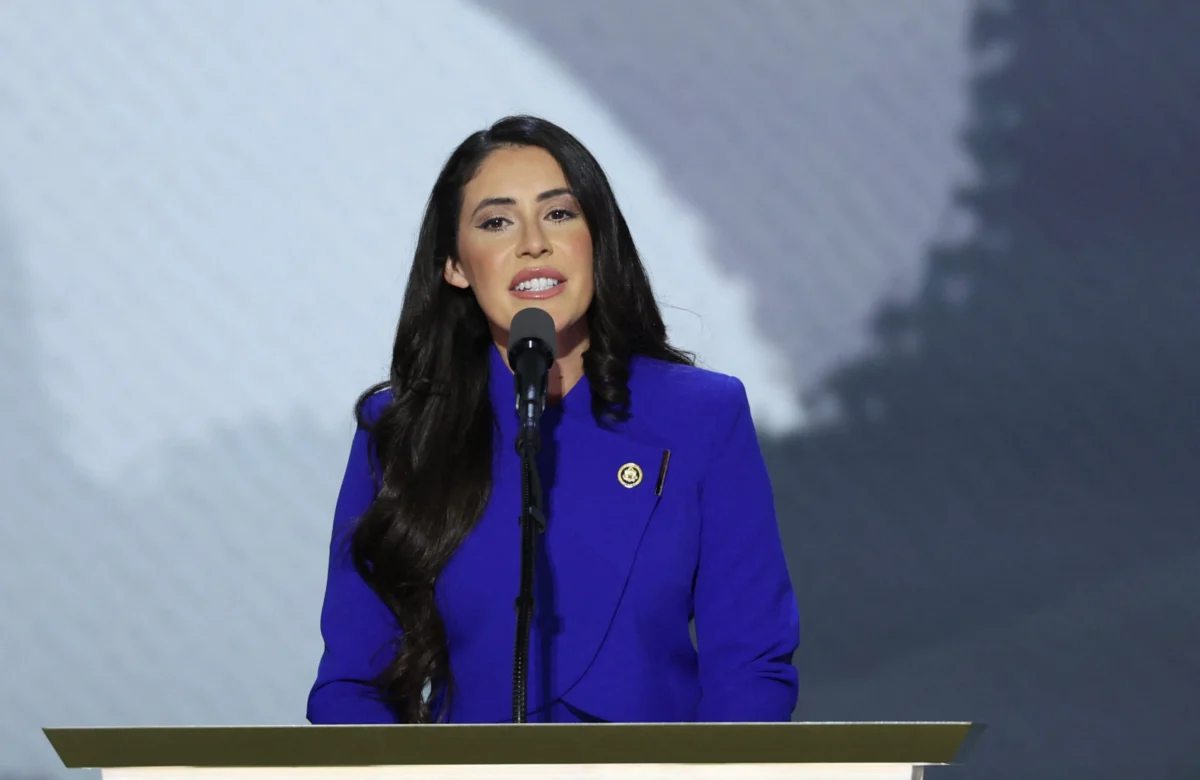
Representative Anna Paulina Luna (R-FL) emerged as a vocal critic of fast-tracking the housing bill without the inclusion of the SAVE America Act. In a series of posts on X (formerly Twitter) on Tuesday, Rep. Luna threatened to "jam up the House floor" if GOP leaders proceeded with a plan to use a procedural tactic known as "suspension of the rules" to expedite the vote. The "suspension" procedure allows for faster consideration of a measure but requires a two-thirds majority for passage, making it a powerful tool for bipartisan bills but also a potential leverage point for a determined minority.
"The House GOP is attempting to move a Senate Bill with NO VOTER ID and NO SAVE AMERICA ACT. I will have to be a NO on rules for this week (and maybe even longer) if they don’t stop the games. I am not the only one. Other House Members are frustrated at the games being played. This is a problem," Luna posted, signaling her intent to disrupt legislative proceedings. She was one of just 32 Republicans who ultimately opposed the housing measure on the floor, highlighting the ongoing tension within the Republican party between its pragmatic and more ideologically driven wings.
The SAVE America Act, which passed the House in February, faces an uphill battle in the Senate, where it lacks the necessary votes to clear the 60-vote filibuster threshold. President Trump has been a strong advocate for the voter-ID bill, urging Congress to approve it. However, the political reality of insufficient Senate support meant its inclusion in the bipartisan housing package would likely have doomed the entire legislative effort. The conservative hardliners’ push, therefore, represented a tactical gambit to force a vote on their priority, even if it meant risking a popular bipartisan bill. Their eventual defeat on the housing bill vote illustrates the limits of such tactics when faced with broad consensus.
Broader Implications and Future Outlook
The passage of the "21st Century ROAD to Housing Act" represents a significant legislative achievement, offering a glimmer of hope for a housing market that has severely tested the financial resilience of millions. However, experts caution that while impactful, the bill is unlikely to be a silver bullet for the complex and deeply entrenched housing crisis.
Economists and housing policy analysts suggest that the effects of the bill, particularly those related to regulatory reform, will be gradual. It will take time for local governments to adapt their zoning and permitting processes, and for new construction to come online. The impact of the 350-home cap on institutional investors is also subject to debate. While it may reduce the sheer volume of homes purchased by these entities, some analysts predict that investors may shift their strategies, perhaps focusing on multi-family developments or smaller-scale investments that fall below the cap. Others argue that the cap, while a symbolic victory, might not be substantial enough to dramatically alter market dynamics given the vast scale of institutional capital.
Nevertheless, the legislation sends a strong signal to the market and to local jurisdictions about the federal government’s commitment to prioritizing individual homebuyers. It could catalyze further state and local reforms, creating a ripple effect that gradually improves housing supply and affordability over the long term.
Beyond the immediate economic impacts, the bill’s passage carries significant political weight. It demonstrates that even in a highly polarized political environment, Congress can still deliver on issues of broad public concern when sufficient political will exists. This bipartisan success could serve as a template for future legislative efforts, offering a potential path forward for addressing other pressing national challenges. As President Trump prepares to affix his signature, the nation will be watching closely to see if the "21st Century ROAD to Housing Act" truly paves the way back to the American Dream for those who have found it increasingly elusive.
