

India’s consumer price inflation accelerated to 4.38% in June, a notable increase from the 3.93% recorded in May, as a confluence of escalating geopolitical tensions between the U.S. and Iran, coupled with a wavering monsoon season, pushed up food and fuel prices. This uptick in inflation has surpassed the expectations of many economists, who had anticipated a more modest rise to 4.30%, according to a Reuters poll, signaling growing cost pressures for households and businesses across the nation.
Food and Transport Costs Drive Inflationary Pressures
The Central Statistical Office (CSO) under the Ministry of Statistics and Programme Implementation released data indicating that the year-on-year inflation rate for food items, as measured by the All India Consumer Food Price Index (CFPI), stood at 5.32% in June. This marks a significant jump from previous months and contributes substantially to the overall inflation figures. In parallel, transport inflation saw a substantial surge, climbing to 4.3% in June, a marked acceleration from the 1.75% increase observed in May. This rise in transportation costs is directly linked to the escalating global fuel prices, which in turn impact the cost of transporting goods and services across the country, further amplifying inflationary pressures on consumers.
Reserve Bank of India’s Inflation Outlook and Monetary Policy
The Reserve Bank of India (RBI), in its recent monetary policy review, opted to maintain its key interest rates unchanged. However, the central bank explicitly signaled its concern over the anticipated rise in inflation and a potential moderation in economic growth for the financial year ending March 2027. The RBI’s projections paint a concerning picture, forecasting inflation to climb to 5.1% in the coming fiscal year. This upward revision is primarily attributed to the anticipated increase in fuel prices, a direct consequence of global energy market volatility, and the persistent risk of crop shortages stemming from weather-related disruptions, including the looming threat of El Niño. The RBI has pegged core inflation, which excludes volatile food and fuel components, at 4.7% for the same period, indicating a broader inflationary trend beyond immediate price shocks.
Geopolitical Flashpoints and Their Impact on India’s Energy Security
The fragile ceasefire between the United States and Iran, which had offered a brief respite in June, was shattered last week as hostilities between the two nations reignited. This renewed conflict has sent ripples through global energy markets, with oil prices experiencing a significant surge. The contest for control over the Strait of Hormuz, a critical chokepoint for global energy supplies, has intensified, raising concerns about the security and stability of oil tanker routes.
India, as the world’s fastest-growing major economy, finds itself particularly vulnerable to the supply disruptions stemming from this geopolitical imbroglio. The South Asian nation is heavily reliant on imports for its energy needs, importing nearly 85% of its fuel requirements. Furthermore, a substantial portion of its crude oil, liquefied natural gas (LNG), and liquefied petroleum gas (LPG) supplies transit through the Strait of Hormuz. Approximately 50% of India’s crude oil imports, 60% of its LNG, and almost all of its LPG supplies depend on this vital waterway. Any sustained disruption or escalation of conflict in the region poses a direct threat to India’s energy security and economic stability, inevitably translating into higher domestic fuel prices and, consequently, broader inflation.
The Double Whammy: El Niño and Monsoon Uncertainty
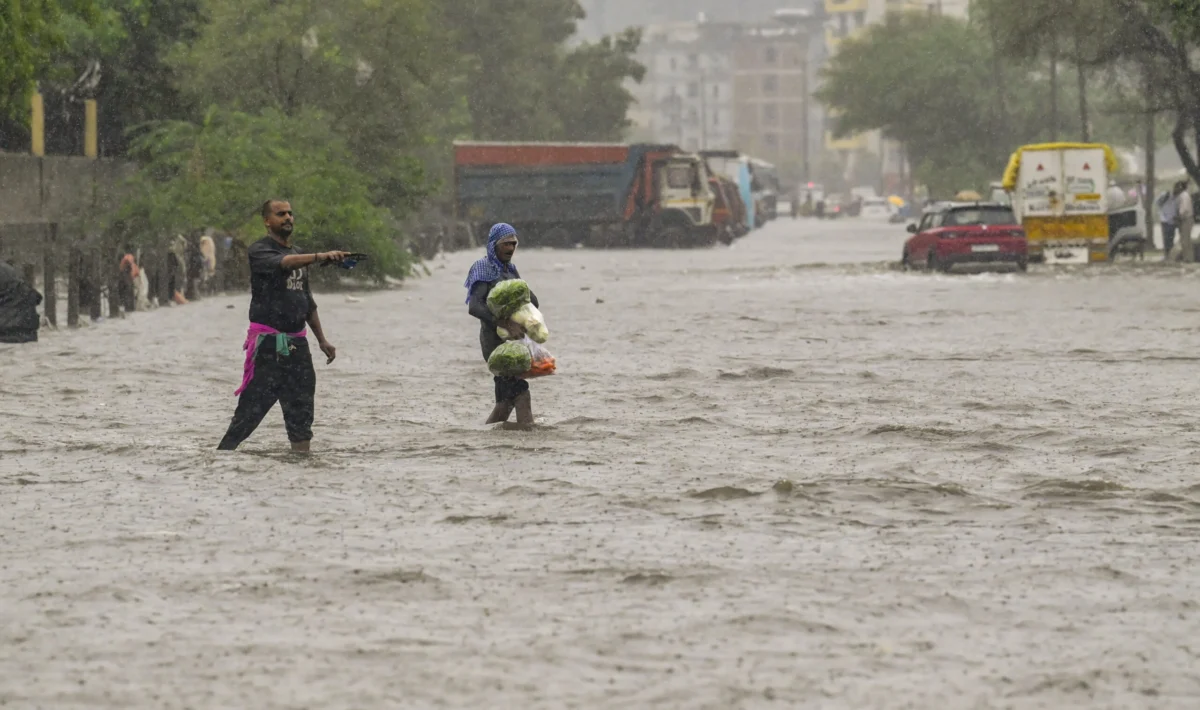
Adding to the nation’s economic challenges is the looming threat of the El Niño phenomenon. Despite recent heavy rainfall leading to widespread flooding in many parts of the country over the past two weeks, India continues to face the prospect of a deficient monsoon season this year. This meteorological uncertainty presents a significant risk to the agricultural sector, which remains the backbone of the Indian economy and a crucial determinant of food prices.
A recent report by Crisil, a leading Indian research and rating firm owned by S&P Global, highlighted the volatile nature of the current weather patterns. "Following a parched June, the monsoon advanced rapidly, reducing the all-India rainfall deficit from 40% to 15% as of July 8," the report stated. However, this apparent recovery is tempered by forecasts from the India Meteorological Department (IMD), which predicts July rainfall to be approximately 6% below the long-period average.
The inherent unpredictability of these rainfall swings, characterized by periods of scarcity followed by excessive downpours, can be as detrimental to agriculture as a consistently weak monsoon. These fluctuations directly influence farmers’ sowing decisions, impact crop health, and ultimately affect rural incomes. A compromised agricultural output can lead to food shortages, driving up prices and exacerbating inflationary pressures, particularly on essential food commodities.
Broader Economic Implications and Policy Responses
The combined impact of rising global energy prices, potential disruptions to energy supply chains, and the uncertainty surrounding the monsoon season creates a complex economic landscape for India. The increase in inflation, particularly in food and fuel, directly erodes the purchasing power of consumers, potentially dampening demand and slowing down economic growth.
The RBI’s focus on core inflation, while a standard monetary policy approach, may face significant challenges if the current trends of elevated energy and food prices persist. Prolonged higher input costs for businesses, coupled with increased transportation expenses, could gradually seep into core inflation, making it more entrenched and difficult to manage. This could necessitate a re-evaluation of monetary policy stances in the future, potentially leading to interest rate hikes to curb inflation, which in turn could stifle economic expansion.
Historical Context and Precedent
India’s vulnerability to global oil price fluctuations is a well-established phenomenon. The country has historically grappled with managing its current account deficit, which widens significantly during periods of high oil import bills. The geopolitical tensions in the Middle East, a region vital for India’s energy imports, have in the past led to significant economic headwinds. The current escalation, occurring against the backdrop of a fragile global economic recovery, presents a particularly challenging scenario.
Similarly, the impact of monsoon variability on India’s economy is a recurring theme. The agricultural sector’s dependence on timely and adequate rainfall means that any deviation from the norm can have far-reaching consequences. El Niño events, in particular, have been associated with sub-par monsoons in India, leading to droughts and impacting crop yields. The government’s efforts to mitigate these risks through initiatives like crop insurance and water management strategies are crucial, but the scale of the challenge often requires a robust and coordinated response.
Expert Analysis and Future Outlook
Economists and market analysts are closely monitoring the evolving situation. The current inflation surge, driven by both external supply-side shocks and domestic weather-related factors, presents a delicate balancing act for policymakers. The government faces the dual challenge of managing inflation without jeopardizing the country’s economic growth trajectory.
"The recent inflation data underscores the interconnectedness of global events and domestic economic stability," commented Dr. Rakesh Sharma, a senior economist at the National Council of Applied Economic Research. "The rise in global oil prices, exacerbated by geopolitical instability, directly impacts India’s import bill and domestic prices. Simultaneously, the erratic monsoon patterns threaten agricultural output, a key driver of food prices and rural incomes. The RBI’s challenge is to navigate these complex pressures, ensuring price stability while supporting sustainable growth."
The coming months will be critical in determining the trajectory of India’s inflation and economic performance. The government’s policy responses, the evolution of the U.S.-Iran conflict, and the actual rainfall patterns throughout the monsoon season will all play a significant role in shaping the economic outlook for the remainder of the fiscal year and beyond. The ability of India to successfully manage these multifaceted challenges will be a testament to its economic resilience and policy effectiveness in the face of global and domestic uncertainties.
