

By Arvind Subramanian
July 13, 2026
WASHINGTON, DC – In the grand tapestry of economic history, the remarkable ascent of China over the past half-century is undeniable, marked by unprecedented improvements in the quality of life for its vast population. However, the true extent of China’s global economic influence, particularly its sustained policy of mercantilism, has been profoundly underestimated by contemporary analysts who remain fixated on the United States as the primary driver of global economic narratives. Future historians, however, will likely recognize Chinese mercantilism as a more consequential force than any other single economic shock or policy choice of the last fifty years. This assertion stems from a comprehensive examination of China’s trade practices, industrial policies, and their ripple effects across international markets, challenging conventional understandings of global economic power dynamics.
The Core Tenets of Chinese Mercantilism
At its heart, Chinese mercantilism, a strategy that has evolved significantly since the Deng Xiaoping era initiated reforms in 1978, centers on fostering domestic economic growth through a deliberate and sustained effort to promote exports and manage imports. This approach, distinct from the more laissez-faire economic models often championed in the West, involves a multifaceted strategy:
- Export-Led Growth: For decades, China actively pursued policies aimed at maximizing its export volumes. This included currency manipulation to make its goods cheaper on the international market, substantial export subsidies, and the establishment of Special Economic Zones (SEZs) that offered tax incentives and streamlined regulations for manufacturing and export operations.
- Industrial Policy and State Intervention: The Chinese government has played a central, guiding role in directing economic development. This has manifested in targeted investments in strategic industries, the nurturing of national champions, and the provision of significant financial and regulatory support to sectors deemed critical for national economic advancement.
- Capital Controls and Managed Exchange Rates: China has historically maintained strict capital controls and managed its currency, the Renminbi (RMB), to prevent rapid appreciation that could undermine its export competitiveness. While the RMB has seen some liberalization, the underlying principle of maintaining export advantage has remained a key consideration.
- Technology Acquisition and Indigenous Innovation: A crucial, and often contentious, aspect of China’s strategy has been its pursuit of advanced technologies, through both legitimate means like foreign direct investment (FDI) and, in some instances, allegations of intellectual property theft and forced technology transfer. This has been coupled with a concerted push for indigenous innovation to move up the value chain.
A Chronology of Global Economic Impact
The roots of China’s current economic standing can be traced back to the late 1970s and early 1980s.
- 1978: Deng Xiaoping launches the "Reform and Opening Up" policy, initiating a gradual shift from a centrally planned economy to a more market-oriented system. Special Economic Zones are established in coastal areas like Shenzhen, offering preferential policies to attract foreign investment and boost exports.
- 1990s: China’s manufacturing sector begins to expand rapidly, fueled by low labor costs and the influx of foreign investment. Its share of global exports starts to climb significantly.
- 2001: China joins the World Trade Organization (WTO), a watershed moment that dramatically integrated it into the global trading system. This accession provided further impetus to its export-oriented growth, as it gained greater access to international markets.
- 2005-2010s: The global financial crisis of 2008 highlights China’s growing importance as a global economic engine. Its stimulus measures helped cushion the global downturn, while its manufacturing dominance became even more pronounced. During this period, concerns about trade imbalances and unfair trade practices, particularly from the United States and the European Union, began to intensify.
- 2010s-Present: China transitions from being purely an "export factory" to a more sophisticated economic power, focusing on domestic consumption, technological advancement, and global investment through initiatives like the Belt and Road Initiative (BRI). While still a major exporter, its economic strategy has diversified, though mercantilist undertones remain in its industrial policies and strategic sector development.
Supporting Data: The Scale of Transformation
The quantitative evidence supporting the thesis of Chinese mercantilism’s global impact is staggering.
- Export Dominance: As of 2023, China is the world’s largest exporter of goods, accounting for approximately 14.3% of global merchandise exports, according to UN Comtrade data. This share has steadily grown over the past two decades, significantly outpacing other major economies. For context, in 2001, the year of its WTO accession, China’s share was around 3.9%.
- Trade Surpluses: China has consistently maintained substantial trade surpluses with major developed economies. For instance, the U.S. trade deficit with China has been a persistent issue, averaging hundreds of billions of dollars annually for over a decade, peaking at $366 billion in 2018. This persistent surplus reflects the success of its export-oriented strategy and its competitive manufacturing base.
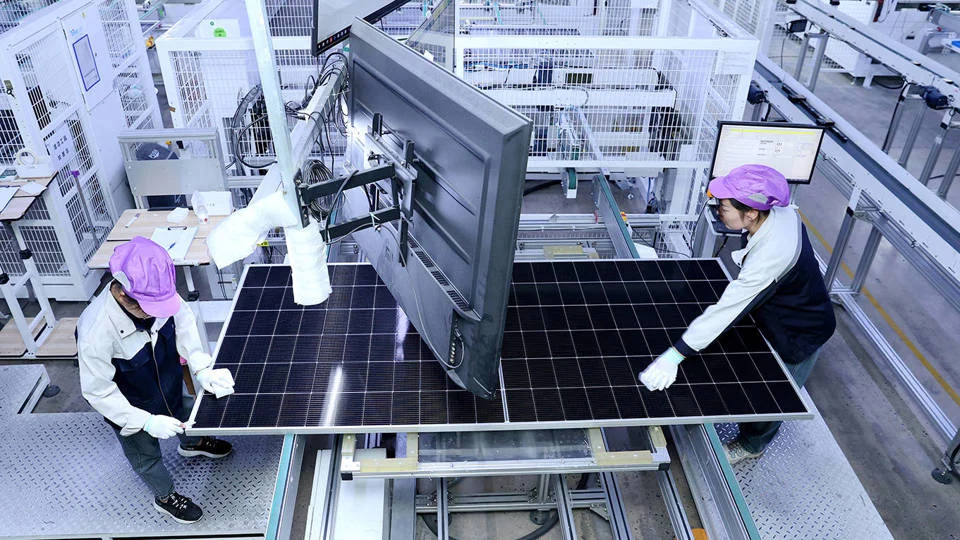
- Manufacturing Capacity: China accounts for roughly 30% of global manufacturing output. This dominance extends across a vast array of sectors, from electronics and textiles to machinery and chemicals, making global supply chains heavily reliant on Chinese production.
- Foreign Direct Investment (FDI): While a major recipient of FDI, China has also become a significant global investor. Its outbound FDI, particularly through initiatives like the BRI, has reshaped infrastructure and economic landscapes in numerous developing countries, often tied to the export of Chinese goods and services.
Official Responses and International Repercussions
The sustained implementation of mercantilist policies by China has not gone unnoticed. International bodies and trading partners have voiced concerns and taken actions.
- United States: Successive U.S. administrations have characterized China’s trade practices as unfair, citing issues like intellectual property theft, forced technology transfer, and state subsidies. This led to the imposition of tariffs on hundreds of billions of dollars worth of Chinese goods beginning in 2018, sparking a trade war that continues to shape global trade relations. A statement from a senior U.S. trade representative in 2023 highlighted concerns, "China’s state-directed economic model, which includes significant industrial subsidies and market access barriers, creates an uneven playing field for American businesses and workers."
- European Union: The EU has also expressed concerns about China’s trade practices, particularly regarding market access, intellectual property rights, and the distortive effects of state-owned enterprises. The EU has implemented its own trade defense measures and actively advocates for a rules-based international trading system that addresses these imbalances. A spokesperson for the European Commission stated in early 2024, "We are committed to ensuring fair competition and addressing practices that distort global markets. China’s role as a global economic power comes with responsibilities to uphold international trade norms."
- World Trade Organization (WTO): While China is a member, its adherence to WTO principles has been a subject of ongoing debate. Developing countries have sometimes benefited from China’s outward investment, while developed nations have frequently raised grievances within the WTO framework regarding China’s industrial policies and subsidies.
Broader Impact and Implications
The long-term implications of China’s mercantilist strategy are profound and continue to unfold:
- Global Supply Chain Restructuring: The concentration of manufacturing in China has made global supply chains highly efficient but also vulnerable. Geopolitical tensions and the desire for resilience are now driving efforts to diversify and "friend-shore" production, a trend that could reshape global trade patterns and manufacturing hubs.
- Technological Competition: China’s ambition to become a global leader in key technologies, from artificial intelligence to semiconductors, has intensified international competition. The debate over technology transfer and intellectual property protection is central to this dynamic, with significant implications for innovation and economic security.
- Shifting Global Economic Power: China’s rise has undeniably altered the global economic landscape, challenging the post-World War II order dominated by the United States. Its economic influence now extends beyond trade to investment, finance, and geopolitical influence, prompting a re-evaluation of global governance structures.
- Domestic Economic Models: The success of China’s state-directed, mercantilist approach has led some developing nations to reconsider their own economic development strategies, potentially leading to a greater embrace of industrial policy and state intervention, diverging from purely market-liberalization models.
In conclusion, while the narrative often focuses on the United States as the architect of the post-war global economic order, it is becoming increasingly evident that China’s deliberate and sustained mercantilist policies have been a more potent and transformative force in shaping the global economy over the past half-century. The sheer scale of its export dominance, its pervasive industrial policies, and its growing global investment footprint represent a fundamental shift in economic power that will continue to define international relations and economic development for decades to come. Future analyses will undoubtedly highlight this sustained, strategic approach as the defining economic phenomenon of the late 20th and early 21st centuries.
