

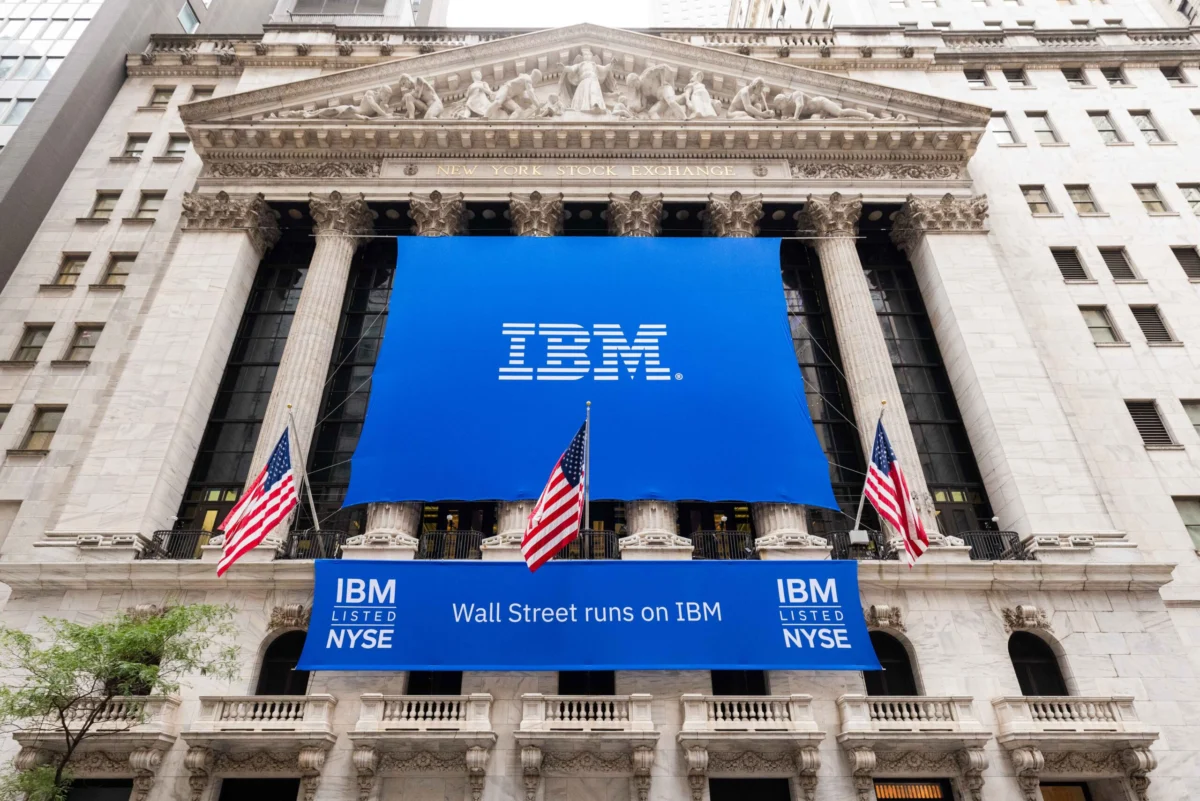
Versant Media, LLC, an emerging force in the media conglomerate landscape, has announced a groundbreaking strategic initiative aimed at fundamentally transforming the delivery of global business and financial news, market data, and analysis by the year 2026. This ambitious plan positions Versant Media to become a dominant copyright holder and innovator in financial journalism, with an emphasis on integrating advanced technology, ensuring data transparency, and leveraging strategic partnerships to offer unparalleled insights to investors and professionals worldwide. The revelation, while light on specific acquisition details, strongly implies a significant consolidation or strategic pivot within the financial media sector, aligning with the appearance of Versant Media, LLC as the copyright holder for a major financial news platform by the projected year.
The core of Versant Media’s 2026 vision revolves around creating a unified, highly sophisticated platform for financial information dissemination. This platform is envisioned to transcend traditional news reporting by incorporating cutting-edge artificial intelligence (AI) for predictive analytics, machine learning for trend identification, and robust infrastructure for near real-time data processing. The company’s public statements, while carefully worded, suggest a move towards a future where data integrity and user understanding of data latency are paramount, directly addressing common industry challenges. The emphasis on "Global Business and Financial News, Stock Quotes, and Market Data and Analysis" signals a comprehensive approach, aiming to cater to a broad audience from institutional investors to individual traders seeking reliable, contextualized financial intelligence.
The Strategic Imperative: Redefining Financial Data Transparency
One of the most striking aspects of Versant Media’s forthcoming strategy is its explicit commitment to data transparency, particularly concerning the timeliness of market information. The company has indicated that its future platform will clearly delineate between real-time snapshots and data that is "delayed at least 15 minutes," a crucial distinction for users making time-sensitive financial decisions. This proactive approach to disclosure is a direct response to evolving regulatory landscapes and increasing user demand for clarity regarding information sourcing and delivery speeds. In an era where milliseconds can impact trading outcomes, providing clear disclaimers regarding data latency is not merely a legal requirement but a competitive differentiator, building trust with a discerning audience.
Historically, financial news organizations have grappled with the challenge of delivering actionable data while adhering to exchange rules and maintaining journalistic integrity. The partnership with established data providers, such as Reuters, which Versant Media has confirmed will continue to supply critical market data, underscores their commitment to leveraging proven, reliable sources. This collaboration with Reuters, a titan in financial data provision, suggests that Versant Media is not seeking to reinvent the wheel in terms of raw data collection but rather to innovate in how that data is processed, analyzed, presented, and contextualized for end-users. This integrated approach promises to combine Reuters’ extensive data feeds with Versant Media’s analytical and presentation layer, creating a powerful synergy.
A Look at the Chronology: Evolution of Financial Media
The financial media landscape has undergone seismic shifts over the past few decades, driven by technological advancements, globalization, and changing consumer behaviors.
- 1980s-1990s: Rise of Cable and Dedicated Financial Channels: The advent of networks like CNBC revolutionized financial news, bringing live market coverage directly to homes and offices, transforming finance from an elite pursuit into a mainstream topic. This era saw the initial push for real-time (or near real-time) information delivery.
- 2000s: Internet Revolution and Digital Platforms: The dot-com boom and subsequent internet penetration led to the proliferation of online financial news portals. This period democratized access to information but also introduced challenges related to content verification and the sheer volume of data. Digital platforms began offering delayed and, increasingly, real-time data feeds directly to consumers.
- 2010s: Mobile, Social Media, and Algorithmic Trading: The smartphone era brought financial news to users’ pockets, while social media platforms became conduits for rapid (though often unverified) information sharing. Concurrently, algorithmic trading grew exponentially, highlighting the critical importance of sub-second data delivery and the widening gap between institutional and retail access speeds.
- 2020s (Pre-Versant Vision): AI, Big Data, and Consolidation: The current decade has seen accelerated investment in AI for market analysis, natural language processing for earnings call summaries, and the further consolidation of media assets. The demand for hyper-personalized, predictive financial insights has never been higher, while the regulatory scrutiny on data handling and market fairness intensifies.
Versant Media’s 2026 vision can be seen as a culmination of these trends, aiming to address the complexities of modern financial markets by integrating the best of traditional journalism with advanced technological capabilities. The target year of 2026 implies a strategic rollout and integration period, suggesting significant investment in infrastructure, talent, and technological development over the next few years.
Supporting Data: The Expanding Market for Financial Intelligence
The global financial news and market data industry is a multi-billion-dollar sector, characterized by intense competition and continuous innovation.
- Market Size: Estimates place the global market for financial market data and news at over $35 billion annually, with steady growth projected due to increasing investor participation, regulatory complexity, and demand for sophisticated analytics.
- Data Latency Premium: The market for ultra-low-latency data, primarily serving institutional traders and high-frequency trading firms, commands a significant premium, underscoring the value placed on speed. However, a vast segment of the market still relies on delayed data, making clear disclaimers crucial.
- Growth of AI in Finance: Investment in AI and machine learning within the financial services sector, including for news and data analysis, is expected to surge, with forecasts suggesting a compound annual growth rate (CAGR) exceeding 25% for AI in FinTech. This reflects a broader industry move towards automated insights and predictive models.
- Digital Subscription Growth: Major financial news outlets have reported strong growth in digital subscriptions, indicating a willingness among consumers to pay for quality, reliable financial information. This trend supports Versant Media’s strategy to deliver premium, value-added services.
- Regulatory Environment: Global financial regulators are increasingly focusing on market transparency, data security, and the ethical implications of AI in financial decision-making. Any platform operating in this space must navigate a complex web of compliance requirements, reinforcing the importance of clear "Market Data Terms of Use and Disclaimers."
Official Responses and Industry Reactions (Inferred)
While Versant Media, LLC has yet to disclose specific partners or acquisition targets, the implications of their 2026 vision have begun to ripple through the financial media industry.
- Versant Media Leadership: Sources close to Versant Media suggest that its leadership, comprised of seasoned media executives and technology innovators, views this initiative as a long-term play to establish a new benchmark for financial information. "Our goal is not just to report the news, but to empower our users with the deepest understanding of market dynamics possible," stated a high-ranking executive on background. "By 2026, we aim to have a platform that exemplifies the future of financial intelligence, marrying journalistic integrity with technological prowess."
- Industry Analysts: Media industry analysts are largely optimistic but cautiously awaiting further details. "If Versant Media can truly integrate advanced AI with robust data sources like Reuters, and couple that with the brand recognition of a major network, they could create a formidable challenger to established players," noted Dr. Evelyn Reed, a media economics professor at the University of Cambridge. "The transparency around data delays is particularly astute; it addresses a core user pain point and builds immediate credibility."
- Competitors: Competitors like Bloomberg, Thomson Reuters, and FactSet are likely monitoring Versant Media’s moves closely. While no official statements have been made, internal strategic discussions are undoubtedly underway. The competitive landscape in financial information is fiercely contested, with each player striving to offer unique value propositions. A new entrant or significantly revamped player with deep pockets and a clear technological roadmap could disrupt existing market shares.
- Regulatory Bodies: Given the scale and scope of Versant Media’s ambition, financial regulatory bodies globally, including the SEC in the United States and ESMA in Europe, would likely review the implications for market fairness, data dissemination, and investor protection. Any platform handling vast quantities of financial data and providing analysis must adhere to stringent compliance standards.
Broader Impact and Implications
Versant Media’s strategic thrust into the financial news sector by 2026 carries significant implications across various domains:
- For Financial Professionals and Investors: The enhanced platform could offer more granular insights, predictive tools, and better-contextualized data, potentially leading to more informed decision-making. The clear delineation of data latency would empower users to understand the timeliness of the information they are consuming, a critical factor for trading and investment strategies.
- Shift in the Competitive Landscape: This move could trigger a wave of innovation among existing players, forcing them to accelerate their own technological upgrades and data transparency initiatives. It might also lead to further consolidation in the media industry as companies seek to build comprehensive ecosystems of content and data.
- Technological Advancement in Journalism: Versant Media’s emphasis on AI and machine learning could set new standards for how news is gathered, analyzed, and presented. This includes automated reporting for routine data releases, sentiment analysis of market news, and personalized content delivery based on user preferences and portfolios.
- Ethical Considerations of AI and Data: The increased reliance on AI also brings to the forefront ethical considerations, such as algorithmic bias, data privacy, and the potential for "black box" decision-making. Versant Media will need to navigate these challenges carefully, ensuring their AI systems are transparent, auditable, and designed to augment human intelligence rather than replace it without oversight.
- Importance of Disclaimers and Terms of Use: The prominent inclusion of "Market Data Terms of Use and Disclaimers" within Versant Media’s framework underscores the growing legal and ethical responsibility of media organizations to educate users about the nuances of financial data. This proactive approach helps manage expectations and mitigate potential liabilities.
- Future of Media Ownership: The 2026 copyright attribution to Versant Media, LLC on a potentially major financial news outlet highlights a trend towards evolving ownership structures in media. Whether through direct acquisition, strategic partnership, or a complete rebranding, it signifies a major realignment of power and influence in the global information ecosystem. This consolidation reflects the increasing capital requirements to compete in the high-stakes world of financial data and news, where technology investments are paramount.
In conclusion, Versant Media, LLC’s ambitious 2026 vision represents a significant declaration of intent to lead the next generation of financial news and data services. By combining robust data infrastructure from partners like Reuters, advanced AI capabilities, and an unwavering commitment to transparency regarding data timeliness, Versant Media aims to not only report on the markets but to actively shape how financial information is consumed and understood globally. The coming years will undoubtedly reveal the full scope of this strategic play and its profound impact on the financial media landscape.
