

While public attention is frequently captured by high-profile electoral cycles and legislative battles in Washington, the administrative rulemaking process serves as a quieter but equally vital conduit for public influence. Under the American system of governance, federal agencies are required to seek and consider input from citizens, scientists, and local communities before finalizing projects that impact the environment or public resources. The new proposal from the Department of the Interior (DOI) targets this specific mechanism, raising concerns that the voices of those most affected by energy development—including Indigenous communities, rural landowners, and conservationists—will be effectively silenced.
The Legal and Historical Foundation of Public Comment
The right of the American public to participate in the federal rulemaking process is not merely a courtesy; it is a legal requirement codified in the Administrative Procedure Act (APA) of 1946. The APA was designed to ensure that federal agencies do not act in an "arbitrary or capricious" manner. It mandates a process of "notice and comment," which requires agencies to publish proposed rules in the Federal Register and provide a meaningful opportunity for the public to submit written data, views, or arguments.
Historically, the 90-day comment period has been viewed as the gold standard for complex environmental and industrial projects. This duration allows stakeholders to review technical documents, conduct independent scientific assessments, and organize community responses. By proposing to compress this window into 10 days, the DOI is essentially requiring the public to respond to hundreds of pages of technical leasing data in less than two business weeks. Legal experts suggest that such a short timeframe may conflict with the "meaningful opportunity" requirement of the APA, potentially opening the door for extensive litigation.
Furthermore, the National Environmental Policy Act (NEPA) of 1970 reinforces these participation rights by requiring federal agencies to assess the environmental effects of their proposed actions prior to making decisions. Public comments are a critical component of NEPA reviews, often bringing to light localized environmental risks or cultural heritage concerns that agency staff might otherwise overlook.
Case Study in Public Influence: The Keystone XL Pipeline
The significance of the public comment period is perhaps best illustrated by the decade-long saga of the Keystone XL oil pipeline. Originally proposed in 2008, the project was intended to transport 830,000 barrels of crude oil per day from the Canadian oil sands to refineries on the U.S. Gulf Coast. While the project saw significant support from the energy sector and various political factions, it became a focal point for the modern environmental movement.
During the required federal comment periods, the State Department received an unprecedented volume of feedback. In one instance alone, more than 120,000 submissions were recorded, representing a diverse coalition of climate activists, Indigenous tribes, and Midwestern farmers. These comments did more than just register dissent; they forced the government to conduct deeper analyses into the pipeline’s impact on the Ogallala Aquifer and the carbon intensity of tar sands extraction.
The eventual abandonment of the Keystone XL project serves as a testament to the power of the public voice when given the time and space to organize. However, the current administration has sought to bypass these hurdles. In a move that mirrors the current DOI proposal, President Trump previously fast-tracked the Bridger project, which aims to pipe Canadian tar sands oil to a terminal in Wyoming, demonstrating a preference for executive speed over public deliberation.
A Systemic Trend of Reducing Transparency
The DOI’s move to shorten comment periods for oil and gas leasing is not an isolated event but rather part of a documented trend across multiple federal agencies. Recently, the Bureau of Land Management (BLM) rescinded several Biden-era requirements that mandated more stringent community input and scientific review for public land use. These rescinded rules had emphasized the need to account for climate change impacts and biodiversity loss when planning industrial activities.
Similarly, the U.S. Department of Agriculture (USDA) has come under fire for a new rule that would eliminate public comment requirements for a wide range of projects within national forests. This has led to a lawsuit from the Sierra Club and the Center for Biological Diversity, who argue that the rule change violates federal law and puts sensitive ecosystems at risk without public oversight.
The cumulative effect of these changes is a significant narrowing of the "public square" in administrative governance. When federal projects—ranging from logging in the Pacific Northwest to drilling in the Permian Basin—are insulated from public scrutiny, the risk of environmental degradation and social conflict increases.
Official Justifications and Economic Arguments
In defense of the proposed changes, the Department of the Interior has framed the move as a necessary step toward "modernizing" and "streamlining" federal onshore oil and gas policy. In official statements, the DOI argued that the current procedures are "outdated" and create "unnecessary administrative barriers" that have slowed the pace of domestic energy development.

The administration’s perspective is rooted in the "energy independence" doctrine, which posits that reducing the regulatory burden on fossil fuel companies is essential for national security and economic growth. By shortening the comment period, the DOI aims to provide energy companies with more certainty and faster turnaround times for lease sales. Proponents of the rule argue that the 90-day period is often used by "professional obstructionists" to delay projects through repetitive or frivolous comments, thereby driving up costs for developers and consumers.
From an economic standpoint, the federal government manages approximately 640 million acres of land, and revenues from oil and gas leasing contribute billions of dollars to the U.S. Treasury and state governments. The administration contends that a more efficient leasing process will maximize these returns.
Opposition and Scientific Concerns
The pushback against the DOI proposal has been swift and multi-faceted. Scientific advocacy organizations, such as the Union of Concerned Scientists (UCS), have highlighted that administrative decisions regarding public lands must be based on the best available data. Alexa Dietrich, research director at UCS, noted that by ignoring public comment requirements, the administration is effectively "attacking democracy" by removing the voice of the people from the process of governance.
Environmental groups argue that the 10-day window is a logistical impossibility for most citizens. Analyzing the environmental impact of a new oil lease requires an understanding of hydrology, geology, and local ecology. For many Indigenous communities, whose ancestral lands are often the subject of these leases, the shortened timeframe does not allow for the necessary tribal consultations or internal reviews required to protect sacred sites and water resources.
The National Wildlife Federation and The Wilderness Society have also voiced concerns, noting that public lands belong to all Americans, not just the industries that seek to profit from them. They argue that the "streamlining" described by the DOI is actually a "sidestepping" of the government’s fiduciary duty to manage public resources in the public interest.
Regional Reactions: The North Dakota Billboard Campaign
The conflict is playing out with particular intensity in Western states where federal land ownership is high. In North Dakota, a new coalition known as the ND Public Lands Coalition—comprising the North Dakota Wildlife Federation, the Dakota Resource Council, and the Sierra Club—has launched a public awareness campaign to protest the rule changes.
The coalition plans to install billboards across the state to inform citizens of their rights and to urge them to participate in the remaining 60-day comment period for the DOI’s proposed rule itself. Dave Brandt, a board member for the North Dakota Wildlife Federation, emphasized that while energy development is a part of the state’s economy, it must be done responsibly. The coalition’s message is clear: public resources should not be managed solely for the benefit of a handful of wealthy corporations at the expense of the public’s right to oversee their own land.
Broader Implications and the Future of Administrative Law
The outcome of this regulatory battle will have implications far beyond the oil and gas industry. If the 10-day comment period becomes the new standard for federal projects, it sets a precedent that could be applied to other sectors, including mining, telecommunications infrastructure (such as data centers), and large-scale renewable energy projects.
Furthermore, this shift reflects a deeper tension in American administrative law. On one side is the "Unitary Executive" theory, which favors centralized control and the removal of "red tape" to facilitate presidential policy. On the other side is the "Collaborative Governance" model, which views public participation and inter-agency checks and balances as essential safeguards against corruption and environmental harm.
As the August 24 deadline for public comments on the DOI proposal approaches, the Federal Register has become a digital battlefield. Thousands of submissions have already been logged, ranging from brief statements of protest to lengthy legal briefs from environmental law clinics. Regardless of the final decision, the controversy has underscored a fundamental truth of American democracy: voting every four years is only one part of the civic process. The ability to speak directly to the agencies that manage the nation’s air, water, and land remains a cornerstone of public power—one that is currently under unprecedented pressure.
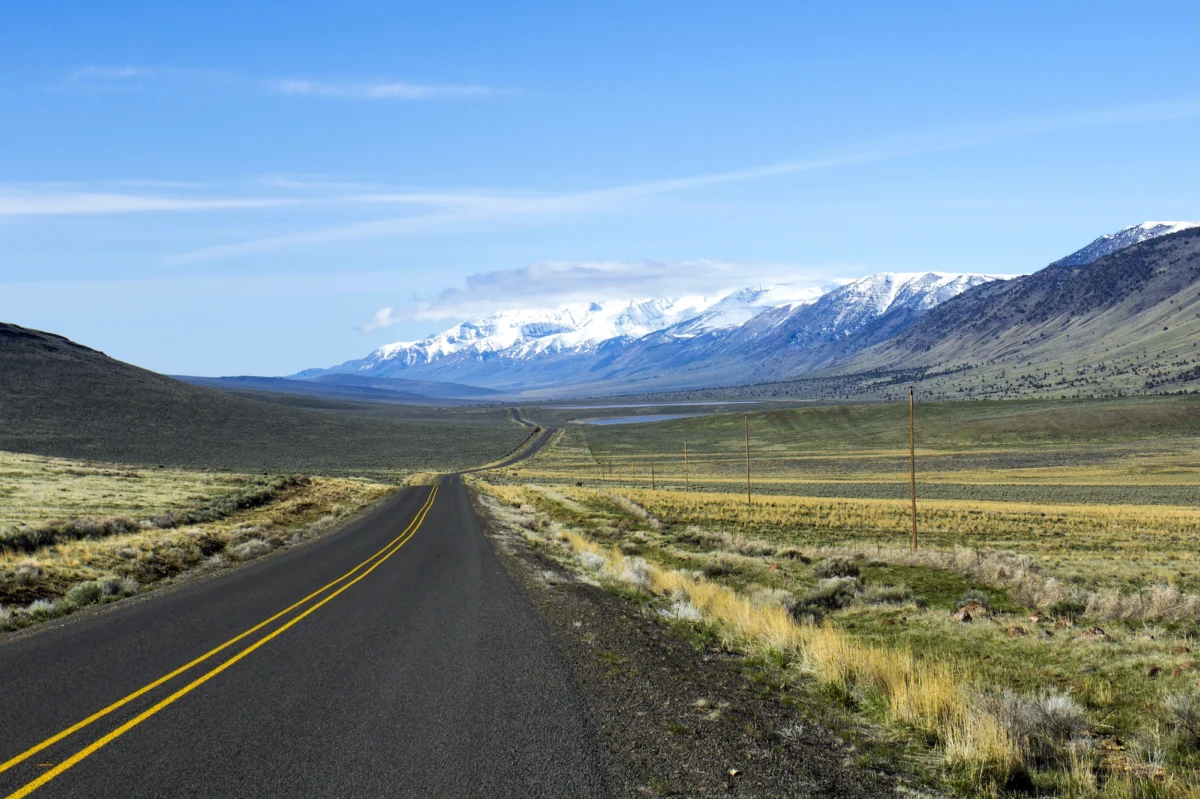
In the coming months, the federal court system is likely to become the final arbiter of these rules. If the DOI moves forward with the 10-day window, lawsuits will undoubtedly challenge the legality of the change under the Administrative Procedure Act. The resulting rulings could redefine the limits of executive power and the mandatory depth of public engagement for decades to come. For now, the Steens Mountain Wilderness in Oregon and the vast public tracts of the American West remain at the center of a struggle to define who, exactly, has a say in the future of the American landscape.
