

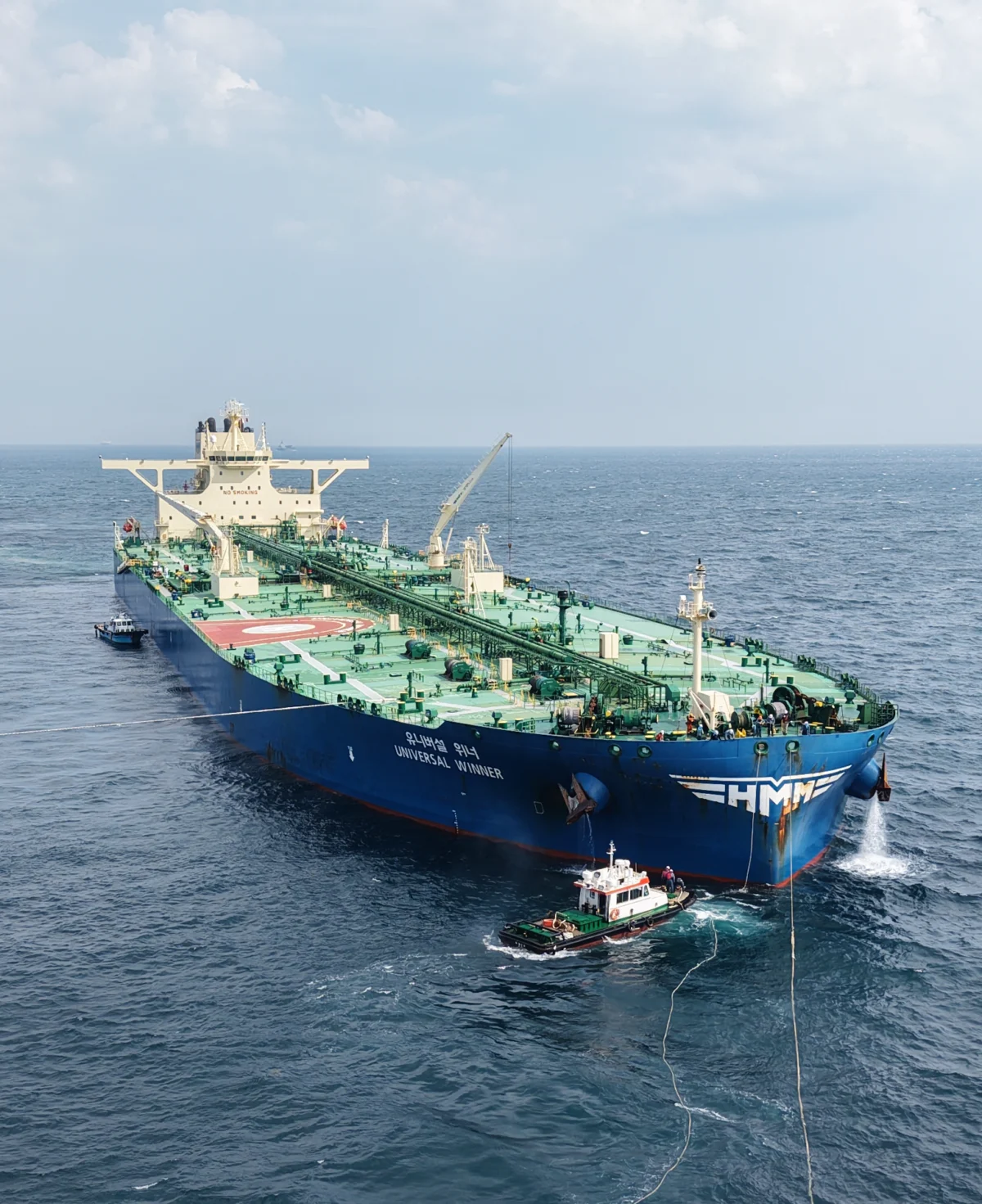
The International Energy Agency (IEA) has issued a stark warning that the recent resurgence of fighting between the United States and Iran poses a grave threat to the global energy supply, risking an extension of the current energy crisis and scuppering hopes for a swift recovery in energy markets. This alarming pronouncement comes as a fragile lull in hostilities appears to be creating an opening for intensified backroom diplomacy aimed at reviving a fragile ceasefire and preventing a wider, more catastrophic conflict.
Escalating Tensions Threaten Global Stability
The delicate balance of peace in the Middle East has once again been shattered, with the renewed clashes between US and Iranian forces triggering widespread international concern. The latest round of fighting, which erupted this week, was reportedly sparked by "rival interpretations of provisions governing the Strait of Hormuz" within the US-Iran Memorandum of Understanding (MoU) signed just last month. This critical maritime chokepoint, through which roughly a fifth of the world’s oil and liquefied natural gas (LNG) exports typically flow, has become a focal point of contention and a primary casualty of the renewed hostilities.
The IEA’s warning on Friday underscored the severe economic ramifications, noting that the risk of a prolonged energy crisis is now more acute than ever. The agency had previously projected a significant rebalancing of global oil supply and demand by 2027, contingent upon sustained de-escalation and the full, unimpeded operation of the Strait of Hormuz. However, with shipping through the strait once more grinding to a halt, that optimistic outlook is under severe strain. The United Nations has also voiced profound alarm, cautioning that these renewed clashes risk unraveling crucial diplomatic progress and could unleash catastrophic consequences for the region and the global economy should they escalate into a full-scale war.
A Volatile Timeline: From Ceasefire to Renewed Conflict
Understanding the current predicament requires tracing the recent trajectory of US-Iran relations, marked by periods of intense conflict interspersed with fragile attempts at de-escalation.
The Genesis of Conflict (April 2026): The current cycle of conflict initiated in April 2026 when a series of US and Israeli strikes targeted various sites within Iran. These actions were reportedly in response to escalating regional proxy activities and perceived threats to US interests and allies. The initial hostilities led to a significant disruption of oil flows through the Strait of Hormuz, causing an immediate spike in global energy prices and exacerbating an already challenging global economic environment. Prior to the conflict, the waterway was facilitating approximately 14 million barrels per day (bpd) of crude oil flows, making its effective closure a significant blow to global supply.
The June 17 Memorandum of Understanding: Following weeks of intense backchannel negotiations and international mediation efforts, a significant breakthrough appeared to occur on June 17, 2026, with the signing of a US-Iran Memorandum of Understanding. This landmark agreement was widely heralded as a crucial step towards de-escalation, designed to establish a ceasefire, facilitate prisoner exchanges, and, crucially for global energy markets, ensure the safe and free passage of commercial shipping through the Strait of Hormuz. The initial success of the MoU was tangible: the IEA reported a subsequent rise in global oil supply by 4.1 million bpd in June, a direct consequence of the strait’s reopening. This provided a much-needed reprieve, though supply still remained approximately 9.4 million bpd below pre-war levels, highlighting the depth of the initial disruption. The IEA’s forecast for a 4.62 million bpd surplus in global supply by 2027 was predicated on the assumption that this agreement would hold and the strait would return to full operation, contrasting sharply with an 860,000 bpd deficit projected for 2026 under continued conflict.
The Recent Flare-Up (Early July 2026): Hopes for sustained peace were dashed this week as the delicate framework of the MoU collapsed. The precise catalyst for the renewed fighting stemmed from what both sides termed "rival interpretations" of the agreement’s provisions concerning the Strait of Hormuz. While specific details remain under wraps, it is understood that disagreements arose over transit protocols, escort requirements, or specific naval activities within the international waters of the strait. The collapse of the MoU quickly led to a fresh wave of hostilities. Iran reportedly launched strikes against southern areas, while US forces retaliated, though US officials denied carrying out some of the reported attacks. Further reports indicated that Iranian attacks targeted several oil-producing states in the region, including Bahrain, Kuwait, and Jordan, broadening the scope of the conflict and raising fears of regional contagion. These actions immediately triggered the re-closure of the Strait of Hormuz to commercial shipping, effectively reinstating the supply bottleneck that had plagued markets in April.
A Diplomatic Opening Amidst Lull (Thursday/Friday): Despite the alarming resumption of fighting, a discernible lull in direct military action from US and Iranian forces emerged on Thursday and Friday. This pause, according to various sources, is not merely a cessation of hostilities but a deliberate window for intensified diplomatic efforts. Reports from US sources, including CNN, suggested that Washington’s strategy involved a calibrated approach of conducting strikes and then pausing to avoid escalation and allow diplomatic channels to function. This tactical approach aims to exert pressure while simultaneously signaling a continued commitment to negotiation. Unnamed US officials reportedly told CNN that the US military remains fully prepared to launch new attacks if necessary, underlining the precarious balance between military readiness and diplomatic overtures.
The Economic Fallout: Oil Markets Under Strain
The re-escalation of tensions and the subsequent closure of the Strait of Hormuz have sent shockwaves through global energy markets, reviving fears of a deepening crisis.
The Strategic Chokepoint: Strait of Hormuz: The Strait of Hormuz is not merely a shipping lane; it is a geopolitical and economic linchpin. Its narrow waters are indispensable for the global energy supply chain, acting as the primary conduit for crude oil and LNG exports from the Persian Gulf. Its closure, even partial or temporary, has immediate and profound implications for energy prices, supply security, and ultimately, global economic stability. The IEA’s previous data showed that its effective closure had cut as much as 14 million bpd of crude oil flows, an unprecedented disruption.
Impact on Oil Supply and Demand: The immediate consequence of the renewed fighting and the halting of shipping through Hormuz has been a reversal of the positive trends observed after the MoU. Global oil demand, which had shown signs of recovery, is now on track to fall this year for the first time since 2020, as the conflict continues to disrupt production and exports across the Middle East. The fuel shortage and increase in prices, particularly during the initial conflict, severely impacted the global economy, leading to inflationary pressures and hindering post-pandemic recovery efforts. The IEA’s optimistic forecast for 2027, which predicted a substantial global supply surplus, was entirely conditional on the full and sustained operation of the strait. With this assumption now undermined, the agency’s outlook for a rebalancing of global oil supply and demand next year comes under severe strain, potentially pushing the world back into a significant deficit scenario.
Resilient but Wary Oil Prices: Interestingly, despite the significant disruption, oil prices have held broadly steady in the immediate aftermath of the renewed fighting. Brent crude stood at $76.37 a barrel in early Friday trading, showing little change from Thursday’s close, though it was up more than $4 from a week earlier. Analysts attribute this relative calm to market confidence that the situation, though volatile, will eventually stabilize through diplomatic means. However, this optimism is tempered by the reality of tightening inventories, which point to further upward pressure on prices in the coming weeks if the conflict persists or escalates. The market appears to be pricing in a swift resolution, but any prolonged impasse or further military action could trigger a sharp and sustained price surge, destabilizing economies worldwide.
International Calls for De-escalation and Sustained Diplomacy
The international community has responded with urgent calls for restraint and a renewed commitment to diplomatic solutions, recognizing the immense risks posed by continued hostilities.
United Nations’ Grave Concerns: The United Nations has been at the forefront of these appeals, reiterating its profound alarm over the renewed clashes. The UN Secretary-General issued a statement warning that the unraveling of diplomatic progress could lead to catastrophic consequences for the region and the global economy. The organization emphasized the imperative of upholding international law and protecting civilian lives, urging all parties to return to the negotiating table without preconditions.
US Commitment to Talks: Despite engaging in military actions, the United States has consistently affirmed its commitment to diplomatic engagement with Tehran. Unnamed US officials reportedly told Al Jazeera that Washington remains committed to negotiations and that technical talks for a lasting peace deal will continue. This dual-track approach—military pressure combined with diplomatic outreach—reflects a complex strategy aimed at compelling Iran to de-escalate while leaving open avenues for a negotiated settlement. However, the caveat from CNN’s sources that the US military remains "fully prepared to launch new attacks if necessary" underscores the high-stakes nature of the current situation and the potential for rapid escalation.
Regional Mediation Efforts: Crucially, regional powers have stepped up their mediation efforts to bridge the divide between Washington and Tehran. Sources in the Middle East confirmed to CNN that Pakistan and Qatar are actively working behind the scenes to bring the US and Iran back to the negotiating table. Both nations possess unique diplomatic leverage and historical ties with both sides, making them critical facilitators in this delicate process. Their efforts are focused on re-establishing channels of communication and identifying common ground for a renewed ceasefire and a more robust diplomatic framework.
Gulf States’ Unified Stance: Oil-producing states in the region, many of which have also been targeted by Iranian attacks this week, have collectively called for restraint and de-escalation. Egypt and the Gulf Cooperation Council (GCC) member states held phone calls on Friday, issuing a joint plea to all parties to contain regional tensions and prevent a wider conflict. This chorus of condemnation followed Iranian strikes on Bahrain, Kuwait, and Jordan, which further inflamed an already volatile situation. The GCC and its individual member states have repeatedly pressed Washington and Tehran to preserve the diplomatic gains made under last month’s agreement, even as both sides engaged in tit-for-tat exchanges. Their concern is not only for regional stability but also for the unhindered flow of oil, which is vital to their economies and global energy security.
Broader Implications and the Path Forward
The current crisis transcends the immediate military and economic ramifications, posing significant long-term challenges for geopolitical stability and global governance.
Geopolitical Instability: The US-Iran conflict casts a long shadow over an already volatile Middle East. The involvement of regional allies and the potential for proxy conflicts to spiral out of control raise the specter of a wider regional conflagration. Such an escalation could draw in other global powers, further complicating international relations and diverting resources from pressing global challenges. The stability of key maritime routes, international trade, and regional security architectures all hang in the balance.
Global Economic Repercussions: Beyond the immediate impact on energy prices, a prolonged conflict or the sustained closure of the Strait of Hormuz would have severe repercussions for the global economy. Increased energy costs fuel inflation, reduce consumer purchasing power, and dampen industrial output. Supply chains, already strained by recent global events, would face renewed disruption, potentially leading to shortages and further price hikes across various sectors. The IEA’s forecast for global oil demand to fall this year for the first time since 2020 underscores the direct link between geopolitical instability and economic performance.
The IEA’s Conditional Outlook: The IEA’s outlook for a rebalancing of global oil supply and demand in 2027 remains precariously perched on the assumption that a ceasefire holds and that Hormuz traffic gradually reopens. Should this fundamental assumption fail to materialize, the agency’s projections would require significant downward revision, signaling a likely continuation of high energy prices and supply deficits. This highlights the critical importance of sustained diplomatic success not just for regional peace, but for the fundamental health of the global economy.
The Imperative of Dialogue: In this climate of heightened tension and renewed conflict, the imperative for dialogue and de-escalation has never been more urgent. While military readiness is a factor, all parties, including the US and Iran, acknowledge that a lasting resolution can only be achieved through diplomatic means. The efforts of Pakistan, Qatar, and other regional and international actors to mediate and facilitate communication channels are vital. The immediate focus must be on reinstating the ceasefire, clarifying the provisions of the MoU regarding the Strait of Hormuz, and establishing a robust verification mechanism to prevent future "rival interpretations" from igniting further conflict. The world watches anxiously as these delicate diplomatic maneuvers unfold, hoping that the current lull in fighting can indeed pave the way for a more enduring and sustainable peace.
