

The landscape of Australian aviation and renewable energy infrastructure reached a significant milestone with the announcement of a comprehensive partnership between CleanPeak Energy and Western Sydney International (Nancy-Bird Walton) Airport (WSI). This strategic collaboration is set to establish WSI as a global leader in sustainable aviation, ensuring that the airport is powered by 100% renewable electricity from its first day of passenger operations. Through a long-term Electricity Supply Agreement (ESA) spanning seven years, CleanPeak Energy will invest more than $50 million in on-site energy infrastructure, creating a sophisticated, integrated system designed to meet the rigorous demands of a 24/7 international transport hub.
The Foundation of a Renewable Aviation Hub
Western Sydney International Airport, a greenfield development located in the heart of Sydney’s growing western suburbs, was conceived with a mandate for sustainability. Unlike older airports that must undergo costly and complex retrofitting to reduce their carbon footprints, WSI has the advantage of integrating "green" technology into its core design. The partnership with CleanPeak Energy represents the operational realization of this vision.
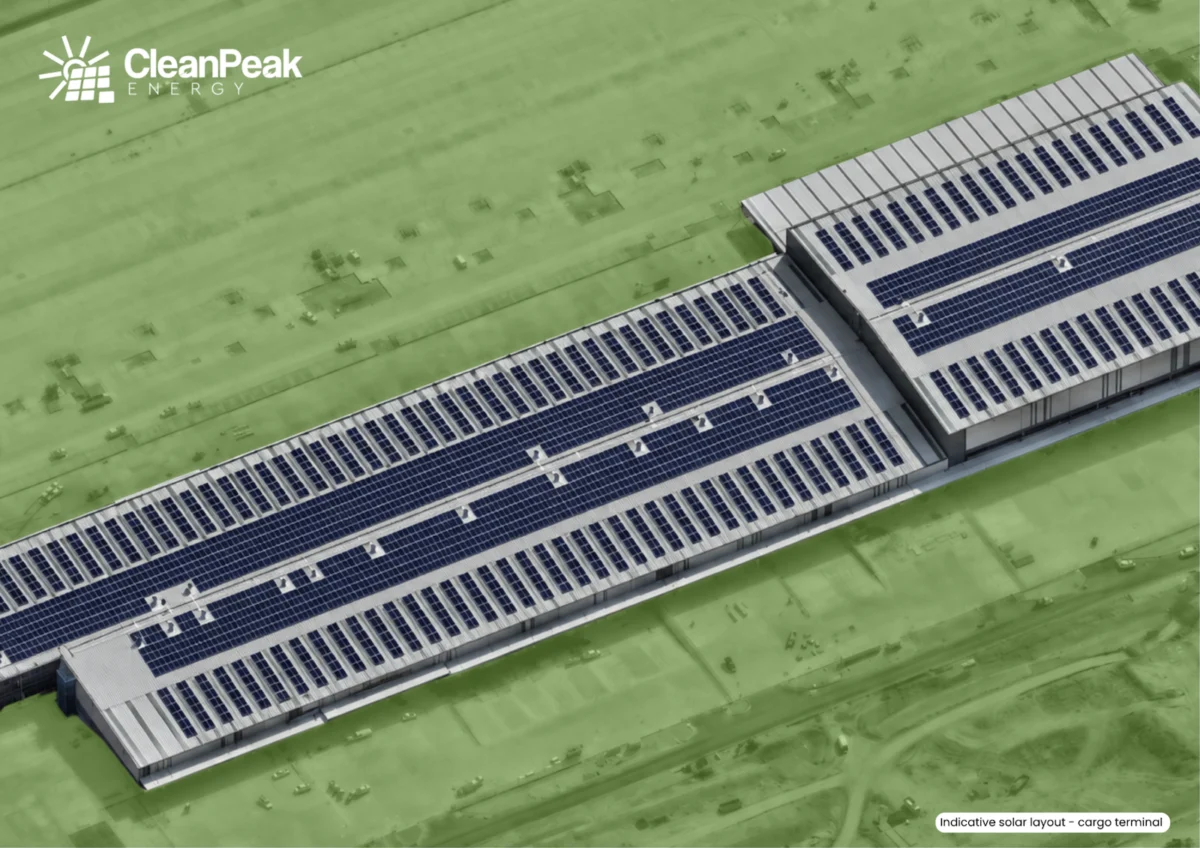
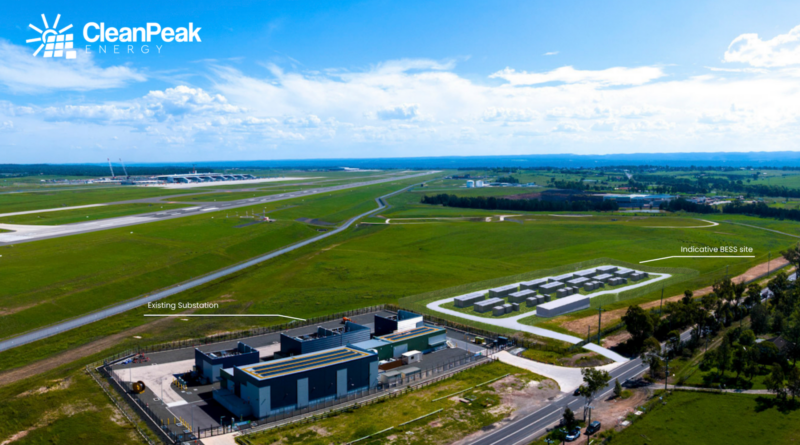
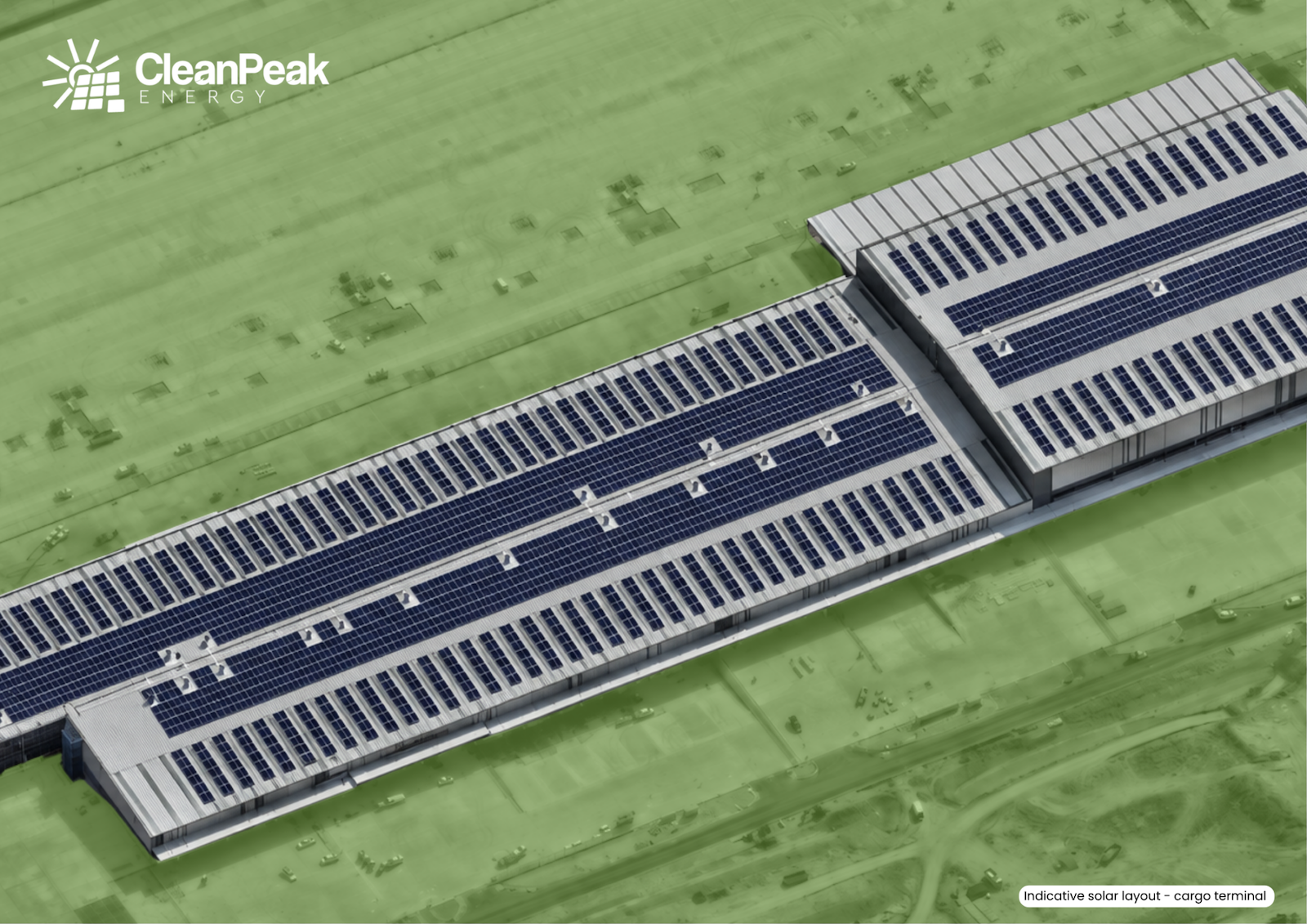
CleanPeak Energy’s commitment involves the development and operation of 9 MWp of new rooftop solar arrays and a massive 120 MWh Battery Energy Storage System (BESS). When combined with the airport’s existing 4.5 MWp rooftop solar capacity, the total on-site generation will exceed 18 GWh of renewable electricity annually. This on-site production is a critical component of the airport’s energy strategy, providing a localized source of power that reduces reliance on the external grid and enhances energy security.
The scale of the investment—exceeding $50 million—underscores the complexity of powering a modern airport. Beyond the terminals, the energy system must support baggage handling systems, electric airside equipment such as pushback tractors, and the vast array of lighting and navigation systems required for safe flight operations. By designing the system as an integrated whole, CleanPeak and WSI are demonstrating that large-scale, critical infrastructure can transition to net-zero without compromising on reliability or performance.
Technical Specifications and the Role of Battery Storage
Central to the success of this 100% renewable commitment is the 120 MWh Battery Energy Storage System. In the context of renewable energy, intermittency remains a primary challenge; solar panels only generate power during daylight hours, yet an international airport must function around the clock. The BESS acts as a massive energy reservoir, capturing excess solar energy generated during peak sunlight hours and discharging it during the evening or periods of low generation.
This 120 MWh capacity is among the largest dedicated behind-the-meter batteries for a single commercial precinct in Australia. It allows the airport to "load shift," ensuring that the 100% renewable promise remains true even at 2:00 AM. Furthermore, CleanPeak Energy will manage the airport’s embedded network distribution system. This means that CleanPeak is not merely a supplier but the active manager of the electrical grid within the airport precinct, ensuring that all tenants, from retail outlets to airline lounges and freight operators, receive seamless, reliable power.
A Phased Growth Strategy: Meeting Future Demand
The energy requirements of Western Sydney International Airport are projected to follow a steep upward trajectory as the facility scales up its operations. Currently, the airport’s electricity requirements sit at approximately 40 GWh annually. However, as passenger traffic increases and the surrounding business park develops, this demand is expected to triple to approximately 120 GWh within the next four to five years.
To meet this growing demand, CleanPeak Energy has developed a scalable supply model. While on-site solar and storage provide the foundation, the remaining balance of the 100% renewable electricity will be sourced from CleanPeak’s broader portfolio of solar farms across New South Wales. As the airport grows, CleanPeak intends to continue adding new solar assets to its development portfolio, ensuring that the "100% renewable" status is maintained even as WSI becomes one of the busiest airports in the country.
Once the airport reaches full operational capacity, the integrated energy solution is expected to avoid approximately 64,000 tonnes of CO2-equivalent emissions per annum. To put this in perspective, this environmental benefit is comparable to removing 22,500 passenger vehicles from Australian roads or providing enough clean energy to power more than 16,800 average Australian households for an entire year.
Chronology of the Partnership and Operations
The path to this partnership was paved by years of planning and construction at the Badgerys Creek site.
- 2017–2023: Initial construction phases of WSI focused on earthworks and terminal foundations, with sustainability frameworks established early in the procurement process.
- Late 2024–2025: Competitive tendering for energy services, seeking a partner capable of managing a complex microgrid and meeting strict net-zero targets.
- May 1, 2026: CleanPeak Energy officially commenced the supply of renewable electricity to the airport site, marking the beginning of the operational phase of the agreement.
- 2026 and Beyond: Commissioning of the 9 MWp solar expansion and the 120 MWh BESS. These assets are being integrated into the airport’s existing electrical infrastructure to prepare for the start of commercial passenger flights.
Leadership Perspectives on the Green Transition
The leadership of both organizations has emphasized that this project serves as a blueprint for the future of the "Aerotropolis"—the planned urban environment surrounding the airport.
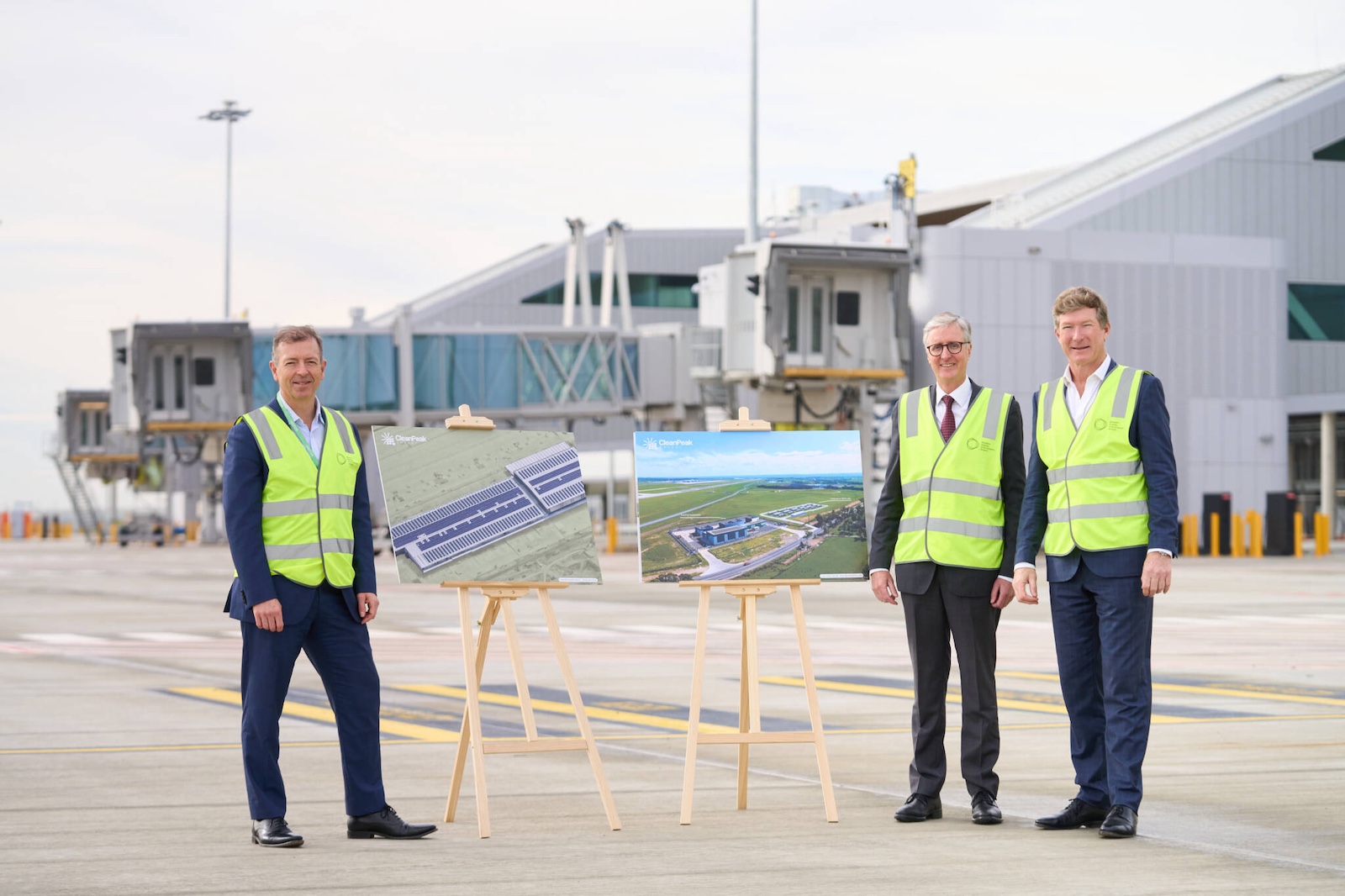
Philip Graham, CEO of CleanPeak Energy, highlighted the integration of the system as its most innovative feature. "This project is about unlocking what’s possible when large-scale energy infrastructure is designed, financed, and operated as an integrated energy system to power critical assets like airports without compromising performance," Graham stated. He noted that CleanPeak’s role as an investor and operator allows for the optimization of local infrastructure in a way that conventional energy retailers cannot match.
Simon Hickey, CEO of Western Sydney International Airport, reinforced the airport’s commitment to its "net zero" ambitions. "Embedding sustainability into the airport’s design and construction had set it up for success and helped ensure WSI will soon be powered by 100% renewable electricity," Hickey said. He described the collaboration as a landmark commitment to achieving net zero Scope 1 and Scope 2 carbon emissions, showcasing how major infrastructure can lead the low-carbon transition.
Broader Implications for the Aviation Industry
The aviation sector is often cited as one of the most difficult industries to decarbonize. While much of the focus is on Sustainable Aviation Fuel (SAF) and hydrogen-powered aircraft, the "ground side" of aviation operations offers immediate opportunities for significant carbon reductions. The WSI-CleanPeak partnership addresses the energy-intensive nature of terminal operations, ground support equipment, and precinct cooling/heating.
Furthermore, the "embedded network" model managed by CleanPeak provides a template for other industrial precincts. By controlling the distribution, storage, and generation within a private network, the airport can insulate itself from the volatility of the wholesale electricity market while ensuring that every kilowatt-hour consumed by its tenants meets ESG (Environmental, Social, and Governance) standards.
This project also contributes to the regional economy of Western Sydney. The $50 million investment by CleanPeak creates jobs in the renewable energy sector and supports the growth of the Western Sydney Aerotropolis as a "green" investment destination. Businesses looking to relocate to the airport’s connected business park can now market their operations as being powered by 100% renewable energy, a significant advantage in an era where corporate supply chains are under intense scrutiny for their carbon footprints.
Analysis of Reliability and Infrastructure Integration
From a technical standpoint, the integration of 13.5 MWp of total solar (4.5 existing + 9 new) and 120 MWh of storage creates a robust microgrid environment. For a piece of national infrastructure like WSI, "reliability" is not a luxury but a requirement. The system must be resilient against grid outages and extreme weather events.
CleanPeak’s approach of "active management" involves sophisticated software that predicts weather patterns, manages battery state-of-charge, and optimizes the dispatch of electricity. This ensures that the airport can maintain a flat energy cost profile, avoiding the price spikes often seen during peak demand periods on the New South Wales grid.
As Australia continues its transition away from coal-fired power, the success of the WSI energy model will likely encourage other major facilities—such as seaports, hospitals, and manufacturing hubs—to adopt similar integrated renewable solutions. The project proves that with the right partnership and sufficient investment in storage, the goal of 24/7 renewable power for heavy industry is not only possible but economically viable.

Conclusion
The partnership between CleanPeak Energy and Western Sydney International Airport stands as a testament to the potential of integrated renewable energy systems. By combining massive solar generation with world-class battery storage and a forward-thinking management model, WSI is poised to become a beacon of sustainability in the global aviation industry. As the airport prepares for its first passengers, the infrastructure is already in place to ensure that every flight handled, every bag moved, and every light turned on is supported by the clean, renewable power of the Australian sun.
