

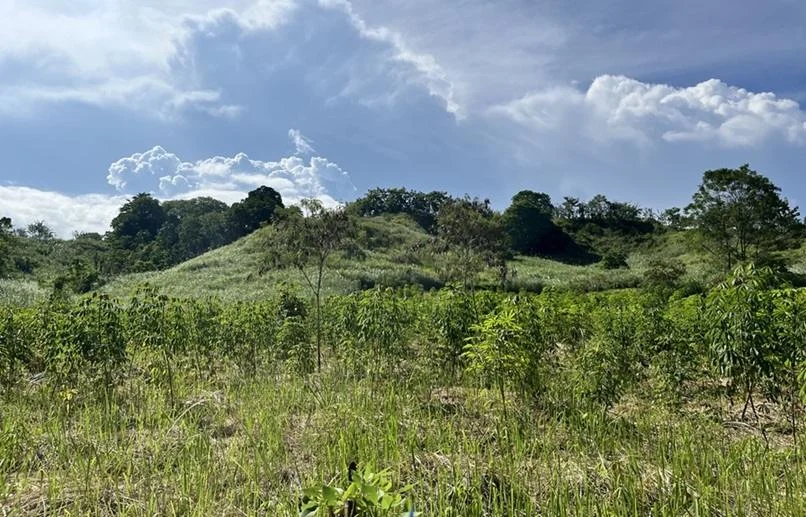
Singapore-based nature-based solutions developer Thryve.Earth has secured a landmark series of long-term offtake agreements with global technology and consulting giants Google, McKinsey & Company, and Tencent. This collaboration aims to remove more than 635,000 tonnes of carbon dioxide from the atmosphere through a massive agroforestry initiative in Sulawesi, Indonesia. The project, which involves the restoration of 6,000 hectares of degraded land, represents a significant milestone in the voluntary carbon market, signaling a shift toward high-integrity, nature-based removal credits backed by some of the world’s most influential corporations.
The transaction highlights a growing corporate appetite for carbon removal over traditional carbon avoidance. For Google, the agreement stands as its largest carbon removal commitment to date. For Tencent, the deal marks its inaugural nature-based offtake commitment outside of its home market of China. These agreements are structured as 10-year offtake contracts, providing Thryve.Earth with the long-term price and volume certainty required to secure the necessary financing to scale complex ecological restoration projects.
Project Scope and the Sulawesi Ecosystem
The restoration efforts are centered in Sulawesi, an Indonesian island renowned for its unique biodiversity and carbon-dense tropical rainforests. Despite its ecological importance, the region has faced decades of degradation driven by shifting agricultural practices, soil erosion, and the proliferation of invasive species and fire-prone grasses. These factors have transformed once-lush forests into unproductive, degraded grasslands that offer little in terms of carbon sequestration or community livelihood.
Thryve.Earth, founded in 2022, specializes in developing nature-based solutions (NbS) across South and Southeast Asia. Their approach in Sulawesi moves away from monoculture plantations, instead utilizing a sophisticated mixed-crop farming system known as agroforestry. This multi-layered "food forest" model is designed to mimic the structure of a natural rainforest while providing economic value.
The project’s agricultural architecture consists of three distinct layers:
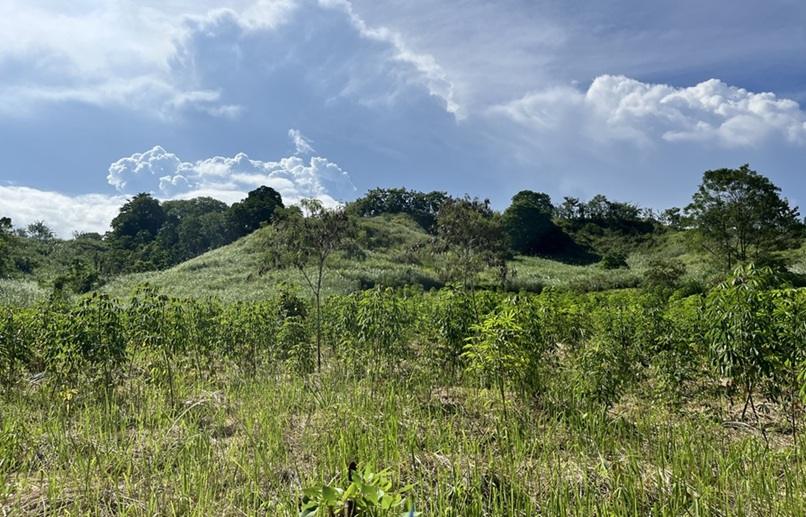
- Upper Canopy: Consisting of sugar palms and native timber trees, providing the primary structure and long-term carbon storage.
- Middle Layer: Featuring a variety of fruit and cash crops, including papayas, avocados, coffee, and bananas.
- Ground Level: Utilizing annual crops such as chili and corn to provide immediate food security and income for local participants.
By integrating these layers, the project aims to maximize carbon sequestration per hectare while simultaneously restoring soil health and enhancing the local water cycle.
The Role of the Symbiosis Coalition
A significant portion of the deal—specifically 335,000 tonnes of the carbon removal offtake—was facilitated through the Symbiosis Coalition. This coalition was originally launched by tech giants Google, Meta, Microsoft, and Salesforce with the ambitious goal of contracting 20 million tons of nature-based carbon removal by 2030. McKinsey & Company’s participation alongside Google in this specific Sulawesi deal underscores the coalition’s role as a primary engine for driving demand in the high-integrity carbon market.
The Symbiosis Coalition focuses on "additionality" and "permanence," ensuring that the carbon being removed would not have happened without the project and that it remains stored for the long term. This project represents the coalition’s third major carbon removal project and its very first venture into the agroforestry sector. The inclusion of agroforestry is a strategic expansion, as it addresses the "human element" of conservation by aligning climate goals with local economic development.
Julia Strong, Executive Director of the Symbiosis Coalition, emphasized that the success of such projects depends on their ability to integrate community benefits as a core driver rather than a secondary byproduct. According to Strong, the long-term offtake signals sent by Symbiosis members are essential for unlocking the capital required for projects that are operationally intensive and ecologically complex.
Tencent’s International Expansion into Nature-Based Solutions
Tencent’s commitment to purchase 300,000 tonnes of carbon removal credits is a pivotal moment for the Chinese conglomerate’s sustainability strategy. While Tencent has been active in domestic carbon markets within China, this Sulawesi project represents its first major foray into international nature-based solutions.
This move aligns with Tencent’s broader goal of achieving carbon neutrality across its operations and supply chain by 2030. By diversifying its portfolio to include international removals, Tencent is positioning itself as a leader in the global transition toward a net-zero economy. The deal also reflects a broader trend of Asian corporations looking toward Southeast Asia’s vast "blue" and "green" carbon potential to meet their climate obligations.

Economic and Social Implications for Sulawesi
Beyond the climate metrics, the Thryve.Earth project is positioned as a socio-economic catalyst for local communities. The restoration of 6,000 hectares of land is expected to create a steady stream of employment opportunities. These roles range from nursery management and sapling planting to the ongoing maintenance of the agroforestry plots and the clearing of invasive species.
Furthermore, the "mixed crop" model ensures that local farmers are not dependent on a single commodity. By growing chili, corn, coffee, and fruits alongside timber, farmers gain a diversified income stream that is more resilient to market fluctuations and climate-induced crop failures. Thryve.Earth has stated that the project will focus on rigorous field protocols and verifiable monitoring for every hectare, ensuring that the social benefits are as measurable as the carbon sequestered.
Ron Steinherz, Co-Founder and COO of Thryve.Earth, noted that turning degraded grassland back into productive forest is primarily an "operational challenge." By combining high-quality saplings with advanced monitoring technology, the company aims to provide its corporate partners with the transparency required to justify large-scale investments in nature.
Analysis: The Evolution of the Voluntary Carbon Market
This deal comes at a critical juncture for the voluntary carbon market (VCM). In recent years, the market has faced intense scrutiny regarding the quality of "avoided deforestation" credits (REDD+), with critics arguing that many projects overstate their impact. Consequently, corporate buyers have begun pivoting toward "carbon removal" projects—such as reforestation, agroforestry, and Direct Air Capture (DAC)—where the sequestration of CO2 is more easily quantified and verified.
The Thryve.Earth deal illustrates several key trends:
- The Rise of Offtake Agreements: Large corporations are no longer just buying credits on the spot market; they are acting as "anchor tenants" for new projects. By signing 10-year deals, they provide the bankable revenue streams necessary for developers to secure project financing.
- Technological Integration: The use of "verifiable monitoring" mentioned by Steinherz suggests a reliance on satellite imagery, LiDAR, and AI to track tree growth and carbon density in real-time, addressing historical concerns about "phantom" credits.
- The Nexus of Nature and Agriculture: The Sulawesi project proves that climate action can coexist with food production. This is particularly relevant in Indonesia, where land-use competition between agriculture and conservation is a primary driver of deforestation.
Context: Indonesia’s Strategic Role in Global Climate Action
Indonesia is home to the world’s third-largest tropical forest area and possesses immense potential for carbon sequestration. The Indonesian government has set an ambitious "Forestry and Other Land Use (FOLU) Net Sink 2030" target, aiming for the forestry sector to become a net carbon sink by the end of the decade.

To achieve this, the country has introduced new regulations to formalize carbon trading and ensure that a portion of the benefits remains within the country. Projects like Thryve.Earth’s are essential to meeting these national targets while attracting foreign direct investment. However, developers must navigate a complex regulatory landscape, including land tenure rights and the Indonesian government’s evolving carbon pricing policies.
Future Outlook and Scalability
The success of the Sulawesi agroforestry project will likely serve as a blueprint for future nature-based solutions in the region. As Google, McKinsey, and Tencent begin to receive their first tranches of carbon credits from this project, other multinational corporations are expected to follow suit.
The demand for high-quality carbon removals is projected to grow exponentially as companies approach their 2030 and 2040 net-zero deadlines. While technological removals like Direct Air Capture remain expensive (often exceeding $500 per tonne), nature-based removals through agroforestry offer a more cost-effective and immediate solution that provides additional "co-benefits" such as biodiversity protection and poverty alleviation.
For Thryve.Earth, the challenge now shifts to execution. Restoring 6,000 hectares of degraded land requires massive logistics, from managing nurseries to ensuring the survival rates of saplings in a changing climate. However, with the financial backing of three of the world’s most powerful corporate entities, the project is well-positioned to demonstrate that nature-based carbon removal can be delivered at a scale that matters for the planet.
