

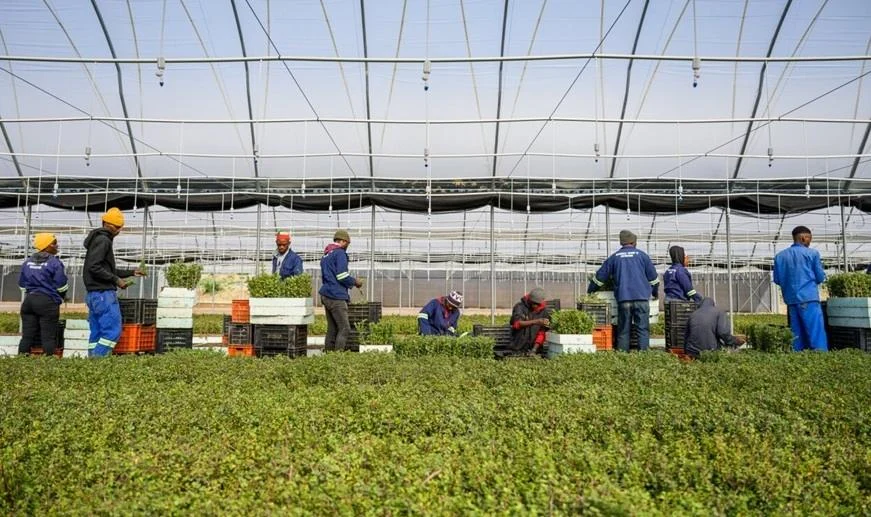
The project focuses on the large-scale cultivation of the spekboom shrub (Portulacaria afra), a plant indigenous to the semi-arid regions of South Africa. Under the terms of the deal, approximately 180 million spekboom shrubs will be planted across more than 50,000 hectares of land that has suffered from decades of overgrazing and environmental degradation. By committing to an off-take agreement spanning more than a decade, Amazon provides the financial certainty required to scale the operation from its current pilot phase to a massive industrial-scale restoration effort.
The Science of Spekboom: A Natural Carbon Sink
The selection of the spekboom shrub is not incidental; the plant is frequently described by ecologists as a "miracle plant" for its extraordinary carbon sequestration capabilities. Despite being a succulent, research indicates that spekboom can capture carbon at rates comparable to those of young tropical forests. This efficiency stems from its ability to switch between different photosynthetic pathways. In favorable conditions, it uses C3 photosynthesis, but during periods of drought or heat, it switches to Crassulacean Acid Metabolism (CAM), allowing it to continue growing and storing carbon while conserving water.
Beyond its carbon-capturing prowess, the spekboom plays a critical role in ecosystem engineering. The plant’s dense canopy and leaf litter help to restore soil moisture and improve ground health. By shielding the soil from the intense South African sun and reducing runoff during infrequent but heavy rains, the shrubs create a microclimate that facilitates the return of other native flora and fauna. This holistic approach to restoration ensures that the project delivers more than just carbon credits; it fosters a functional, self-sustaining ecosystem in a region that has been increasingly threatened by desertification.
Financial Innovation and the World Bank Partnership
Amazon’s commitment has served as a cornerstone for broader financial innovation in the climate space. Specifically, the deal enabled the World Bank to launch its "Spekboom Outcome Bond," a $120 million financial instrument designed to fund large-scale ecological restoration.
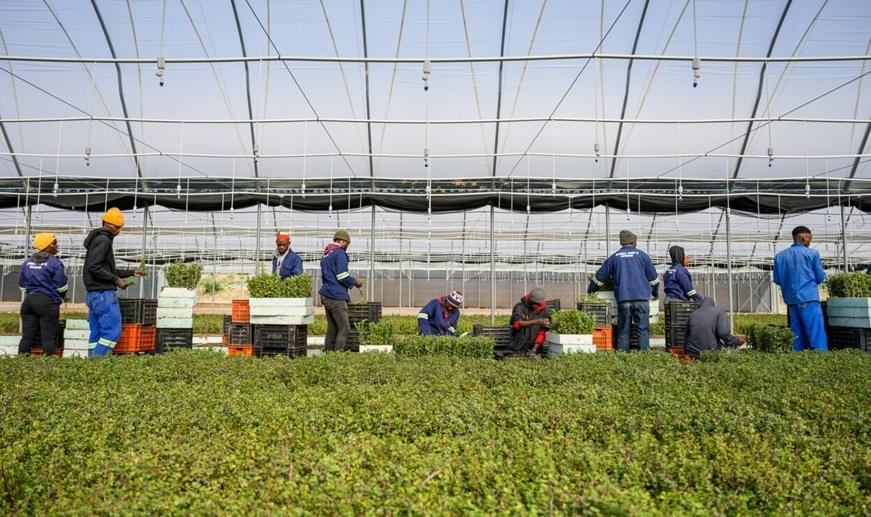
In traditional carbon credit markets, project developers often struggle with "upfront capital" risks—the high cost of planting and maintaining land before any carbon credits can be verified and sold. The Spekboom Outcome Bond addresses this by involving private investors who provide the initial capital. These investors receive returns based on the successful generation of carbon credits.
Amazon’s role as a guaranteed "off-taker"—a buyer committed to purchasing the credits once they are produced—was the critical component that gave investors the confidence to participate. By guaranteeing a market for 1.95 million tons of removals, Amazon has effectively de-risked the project for the World Bank and its private-sector partners. This model is being watched closely by global financial institutions as a potential blueprint for scaling nature-based solutions in developing economies.
Socio-Economic Impact and Local Community Development
The project is structured to deliver substantial social and economic benefits to the Eastern Cape and surrounding regions of South Africa, areas that have historically faced high levels of unemployment and limited industrial investment. Amazon and the project developers estimate that the initiative will generate approximately 11,000 jobs. These roles range from nursery management and planting to long-term land stewardship and scientific monitoring.
Furthermore, the project is expected to inject more than $500 million into the local economy over its lifespan. This capital flow is distributed through several channels:
- Direct Wages: Providing steady income for thousands of local workers.
- Procurement: Sourcing materials, equipment, and services from local South African businesses.
- Landowner Payments: Compensating local communities and private landowners for the use of their land in restoration efforts.
- Community Investment: Funding for local infrastructure, education, and health initiatives as part of the project’s social responsibility mandate.
Kara Hurst, Amazon’s Chief Sustainability Officer, emphasized the dual-purpose nature of the investment, stating that the project serves as a model for how nature-based solutions can simultaneously enable climate action and drive significant economic development in emerging markets.

Chronology of Amazon’s Carbon Sourcing Strategy
The South African spekboom deal is a pivotal step in a strategy that Amazon has been refining for several years. To understand the significance of this deal, it is necessary to look at the timeline of Amazon’s climate initiatives:
- 2019: The Climate Pledge: Amazon co-founded The Climate Pledge, committing to reach net-zero carbon across its operations by 2040, ten years ahead of the Paris Agreement.
- 2021-2023: Early Nature Investments: The company began investing in various reforestation and "blue carbon" (ocean-based) projects, though many were smaller in scale or focused on research and development.
- 2025: Launch of the Carbon Credit Investment Service: Amazon launched a proprietary service designed to help companies within its massive value chain access high-quality carbon credits. This service was created to address the "integrity gap" in the voluntary carbon market by vetting projects for additionality and permanence.
- Early 2026: Expansion to Suppliers: The service was expanded to include UK-based and European suppliers, allowing small and medium-sized enterprises (SMEs) that sell through Amazon to utilize Amazon’s bulk-purchasing power to offset their own emissions.
- July 2026: The Spekboom Deal: The announcement of the 2-million-ton deal marks the largest single nature-based removal commitment for the company to date, signaling a shift toward massive, multi-decade restoration projects.
Broader Implications for the Global Carbon Market
The scale of this agreement comes at a time when the voluntary carbon market (VCM) is undergoing intense scrutiny. Critics have often questioned the "additionality" of nature-based credits—whether the carbon sequestration would have happened anyway without the investment—and the "permanence" of the removals, given the risks of wildfires or land-use changes.
Amazon’s deal addresses these concerns through several mechanisms. First, the use of spekboom in a semi-arid environment is a highly specific ecological intervention that would not occur at this scale without external funding. Second, the involvement of the World Bank adds a layer of rigorous third-party auditing and verification. Third, by focusing on a 50,000-hectare restoration, the project achieves a level of "landscape-scale" impact that is more resilient to localized environmental shocks than smaller, fragmented plots.
For the wider corporate world, this deal highlights a shift in how major tech firms approach their "Net Zero" goals. Rather than simply buying existing credits from a spot market, companies are increasingly becoming "project enablers." By signing long-term off-take agreements, they are providing the foundational capital necessary to build the carbon removal industry from the ground up.
Strategic Integration with Amazon’s Value Chain
The credits generated by the South African project will not only be used to offset Amazon’s direct operational footprint but will also be made available through its carbon credit service. This is a strategic move to help Amazon’s thousands of suppliers and "last-mile" delivery partners reach their own sustainability targets.

As global regulations regarding Scope 3 emissions (emissions produced in a company’s value chain) become stricter, Amazon is positioning itself as a central hub for climate solutions. By securing a massive supply of high-quality, nature-based removals, Amazon can offer its partners a vetted pathway to carbon neutrality, thereby de-carbonizing the entire Amazon ecosystem.
The project is slated for rapid expansion. With 30 million plants already in the ground across 10,000 hectares, the new investment will see an additional 150 million plants added by the end of 2028. This aggressive timeline reflects the urgency of the climate crisis and the growing corporate demand for tangible, verifiable carbon removal solutions that provide measurable benefits to both the planet and the people who inhabit it.
As the 180 million spekboom shrubs take root in the South African soil, they represent more than just a line item on a corporate sustainability report. They symbolize a growing trend where global commerce, international finance, and local ecological restoration converge to create a new model for environmental stewardship in the 21st century.
