


The global energy landscape is currently navigating a period of unprecedented volatility, characterized by fluctuating commodity prices, geopolitical instability, and an urgent mandate to decarbonize industrial grids. Amidst this turmoil, Quebec-based Innergex Renewable Energy Inc. has emerged as a beacon of stability and growth, clinching the top spot on the Corporate Knights Best 50 index for the second time. This achievement comes at a transformative juncture for the Longueuil-based firm, following its landmark privatization in July 2025 and a strategic pivot toward multi-modal renewable technologies. By diversifying its geographical footprint and energy outputs, Innergex has positioned itself as a primary beneficiary of the global transition toward sustainable infrastructure, leveraging a unique financial model backed by long-term institutional capital.
The recognition by Corporate Knights is particularly significant this year due to a revamped scoring methodology. The index now places a heavier weight on sustainable revenue, sustainable investment, and the compound annual growth rate (CAGR) of that revenue. For Innergex, which previously held the number one position in 2023, the return to the top of the list validates a business model that prioritizes long-term asset ownership over short-term speculative gains. As the company expands its reach beyond its traditional Quebecois roots, it is redefining how independent power producers (IPPs) operate in a competitive, high-interest-rate environment.
The Landmark Privatization and the Role of Patient Capital
The defining moment for Innergex’s recent trajectory was its July 2025 acquisition by La Caisse de dépôt et placement du Québec (CDPQ), the province’s influential pension fund manager. In a deal valued at nearly $10 billion, CDPQ paid $2 billion to consolidate its control, purchasing shares previously held by Hydro-Québec and other minority stakeholders. This move effectively took Innergex private, shielding it from the quarterly pressures of public equity markets and allowing it to focus on the multi-year development cycles inherent in large-scale energy projects.
The privatization was not a solo effort. CDPQ orchestrated a consortium of investors to ensure a robust and diversified capital base. Up to 20% of the investment was allocated to other long-term partners, including Investissement Québec, which contributed $500 million. Other key participants included Desjardins Global Asset Management, the union-based fund manager Fondaction Asset Management, and a group of 14 Swiss institutional investors. This influx of "patient capital" is what CEO Jean Trudel describes as the company’s greatest competitive advantage.
"Building energy projects, whether it’s hydro, wind, or solar, is a long-time investment," Trudel noted. "Gaining access to so much patient capital is critical for a company like Innergex. The slow-return capital deployed by La Caisse is essential for making these kinds of projects work."
This financial structure allows Innergex to defend against market shocks, such as supply chain disruptions or sudden shifts in interest rates, which have plagued other renewable developers. By operating as a private entity with deep-pocketed backers, the company can bid on massive, decades-long infrastructure projects that require significant upfront capital expenditure before generating their first kilowatt-hour of revenue.
A Chronology of Strategic Growth and Diversification
Innergex’s evolution from a niche hydroelectric developer to a global multi-technology power producer has been marked by several key milestones over the last decade:
- Early 1990s – 2010s: The company established itself as a leader in run-of-river hydroelectricity in Quebec and British Columbia, building a reputation for environmentally sensitive engineering.
- 2018 – 2022: Innergex began aggressive international expansion, entering the French wind market and the Chilean solar and hydro markets. It also made significant inroads into the United States, targeting states with aggressive Renewable Portfolio Standards (RPS).
- 2023: The company achieved its first number-one ranking on the Corporate Knights Best 50, signaling its emergence as a global ESG leader.
- 2024: Faced with rising interest rates and a cooling public market for "green stocks," the company began exploring privatization options to secure its development pipeline.
- July 2025: The $10 billion privatization deal with CDPQ is finalized, marking the start of a new chapter as a private infrastructure giant.
- Late 2025: The Hale Kuawehi solar and battery storage plant in Hawaii begins operations, showcasing the company’s ability to integrate storage with generation.
Currently, Innergex manages an operational portfolio of 4,424 megawatts (MW) of clean energy. However, its future growth is anchored in a massive development pipeline, with approximately 12,000 MW of projects in the "ready-to-bid" stage. This pipeline is essential for meeting the decarbonization targets of the four primary markets in which it operates: Canada, the United States, France, and Chile.
Diversifying Beyond Hydro: The Shift to Solar and Storage
While hydroelectricity remains the bedrock of Innergex’s portfolio, the company has pivoted toward wind, solar, and battery energy storage systems (BESS) to meet modern grid demands. This diversification is not merely about increasing capacity; it is about grid stability. As intermittent sources like wind and solar become more prevalent, the ability to store energy becomes the "holy grail" of the renewables sector.
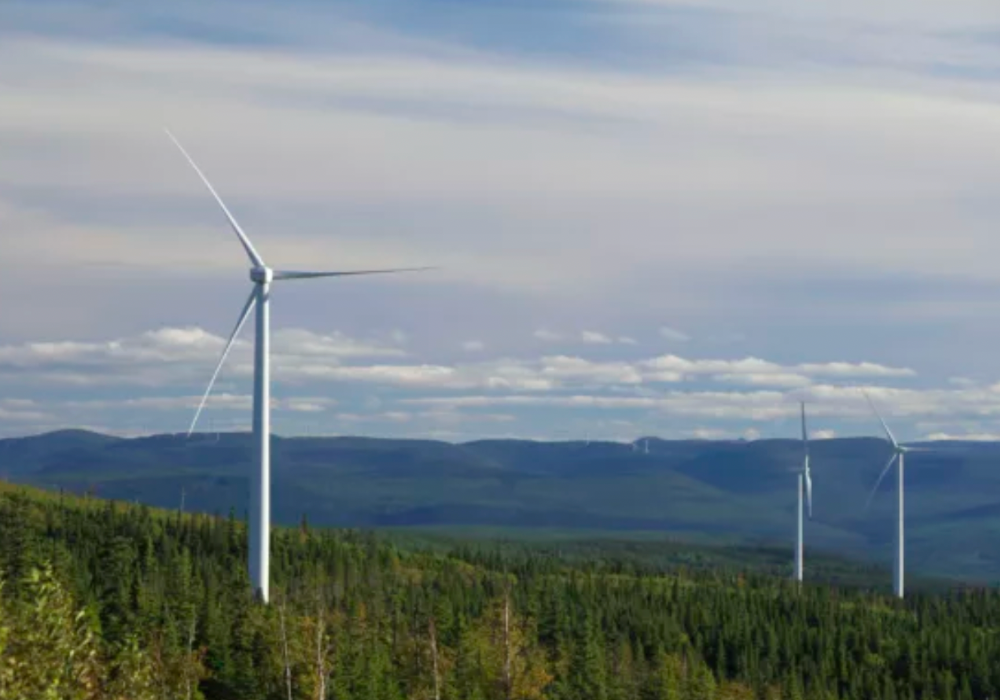
The Hale Kuawehi project in Hawaii serves as a prime example of this strategy. By integrating 30 MW of solar photovoltaic capacity with four hours of battery storage, Innergex demonstrated how renewables can provide "firm" power that mimics the reliability of traditional baseload plants. Although Innergex sold this specific project post-completion, it remains heavily involved in the storage sector. In France, the company is collaborating with the Réseau de Transport d’Électricité (RTE) to balance the national grid using its Tonnerre nine megawatt-hour battery energy storage system.
Conversely, the company has shown a willingness to exit sectors that do not align with its core competencies. Trudel confirmed that Innergex has decided to exit the geothermal energy arena. Despite the benefits of geothermal as a reliable energy source, Trudel likened the sector to the mining industry due to the high risks associated with subterranean drilling and resource exploration. By divesting from geothermal, Innergex is concentrating its technical expertise on surface-level technologies—wind, solar, and hydro—where the risks are more predictable and the scaling potential is higher.
Decarbonizing Heavy Industry: The Chilean Model
One of Innergex’s most promising growth avenues lies in the private Power Purchase Agreement (PPA) market, particularly in Chile. The country’s massive mining sector, led by giants such as BHP and Codelco, is under intense pressure to lower its carbon footprint. These companies are no longer just looking for the cheapest electricity; they are looking for "green certificates" that prove their operations are powered by 100% renewable sources.
Innergex has successfully positioned itself as a partner for these industrial players. "It’s very valuable for an industry to be able to say it’s 100% renewable," Trudel explained. By providing a mix of solar and wind power, supplemented by storage, Innergex can offer mining operations a consistent energy supply that meets both their operational needs and their ESG (Environmental, Social, and Governance) targets. This business-to-business model reduces Innergex’s reliance on government-subsidized feed-in tariffs and creates a more resilient revenue stream.
Implications for the Quebec Energy Landscape
Domestically, Innergex remains a vital player in Quebec’s energy transition. The province, which has historically enjoyed a surplus of hydroelectricity, is now facing a looming supply crunch as it seeks to electrify its economy and attract green industries. Hydro-Québec has recently shifted its strategy to focus on expanding solar energy generation across the province, announcing its first solar farm tender call for 60 projects in April.
Innergex’s experience in international solar markets makes it a frontrunner for these domestic contracts. Furthermore, the privatization by CDPQ has sparked speculation regarding the consolidation of Quebec’s renewable sector. Rumors have circulated about a potential merger between Innergex and Boralex, another Quebec-based renewable energy powerhouse in which CDPQ holds a significant stake.
However, Jean Trudel has been quick to dismiss these claims. "We have no anticipation of being merged," he stated. He emphasized that CDPQ’s mission is to stimulate the Quebec economy and protect local businesses, and that supporting two distinct champions in the same sector is not contradictory. By maintaining two separate entities, Quebec preserves a competitive environment and a broader diversity of technical expertise within its borders.
Future Outlook and Global Impact
The success of Innergex reflects a broader shift in the global energy market. As the world moves toward the 2030 and 2050 climate milestones, the demand for renewable infrastructure is expected to grow exponentially. However, the "easy" phase of the energy transition—characterized by low interest rates and simple government subsidies—is over. The next phase will require sophisticated companies that can manage complex, multi-technology projects and navigate intricate regulatory environments.
The Corporate Knights ranking places Innergex at the top of this new class of energy companies. With its 12,000 MW pipeline and the backing of institutional investors who view energy as a core infrastructure asset rather than a speculative trade, the company is built for endurance.
The broader implications of Innergex’s model are clear: the future of renewable energy belongs to those who can secure "patient capital" and integrate generation with storage. As Trudel concluded, the demand is strong, the company’s positioning is optimal, and the financial foundation is more robust than ever. For Innergex, the path forward is not just about producing power; it is about providing the stable, sustainable foundation upon which the modern global economy will be built.
