

The U.S. Department of the Interior has recently unveiled a series of proposed regulatory changes that could fundamentally alter the relationship between the American public and the management of federal lands. While much of the national discourse remains focused on high-profile legislative battles and the mechanics of the electoral process, a quieter but equally significant shift is occurring within the administrative state. The new proposal specifically seeks to limit the window for public commentary on new oil and gas leases on federal land, a move that critics argue is part of a broader strategy to diminish the influence of civil society on government decision-making.
Under the American form of government, the "notice and comment" process is a cornerstone of administrative law, codified primarily in the Administrative Procedure Act (APA) of 1946. This process requires federal agencies to keep the public informed of their proposed rules and to provide an opportunity for interested persons to submit written data, views, or arguments. The Department of the Interior’s latest initiative, however, proposes to shorten this critical period from the traditional 90 days to a mere 10 days for onshore oil and gas leasing activities. This drastic reduction has sparked a fierce debate over the balance between governmental efficiency and democratic transparency.
The Constitutional and Legal Framework of Public Participation
To understand the significance of these proposed changes, one must look at the historical weight of public participation in U.S. policy. The right to petition the government for a redress of grievances is a First Amendment protection, and the APA was designed to ensure that the executive branch does not operate in a vacuum. Public comments serve as a check on "agency capture"—a phenomenon where a regulatory body becomes an advocate for the industry it is supposed to oversee.
The comment period is often the only time when local residents, scientists, and advocacy groups can present evidence regarding the environmental or social impacts of a project. For instance, in the case of federal land management, comments often include data on local water tables, wildlife migration patterns, or cultural heritage sites that might have been overlooked in an initial agency assessment. By compressing this window to 10 days, the Department of the Interior effectively limits the ability of these groups to compile and submit comprehensive, evidence-based feedback.
A Chronology of Regulatory Shifting
The current push to streamline leasing procedures follows a period of intense regulatory oscillation between successive administrations. During the Biden administration, the Bureau of Land Management (BLM) introduced the "Public Lands Rule," which sought to put conservation on equal footing with extraction. This rule emphasized more stringent requirements for community input and mandated the review of scientific evidence and long-term environmental impacts before leases could be granted.
However, the current administration has moved rapidly to reverse these priorities. The timeline of recent actions illustrates a concerted effort to accelerate industrial development:
- Early 2024: The administration begins reviewing Biden-era conservation mandates, signaling a return to "energy dominance" policies.
- May 2026: The National Science Foundation abruptly moves to dismantle a key ocean observation system, a decision that is later reversed following a bipartisan outcry and intense public pressure.
- June 2026: The Bureau of Land Management officially rescinds the "Public Lands Rule," removing requirements for extensive community input on land use.
- Late June 2026: The Department of the Interior publishes the proposed rule to shorten the oil and gas leasing comment period to 10 days.
- August 24, 2026: The scheduled closing date for the public to comment on the proposal to shorten the comment period itself.
This chronology highlights a trend toward "streamlining" that proponents call modernization and critics call a systematic silencing of the public.
The Economic and Environmental Stakes
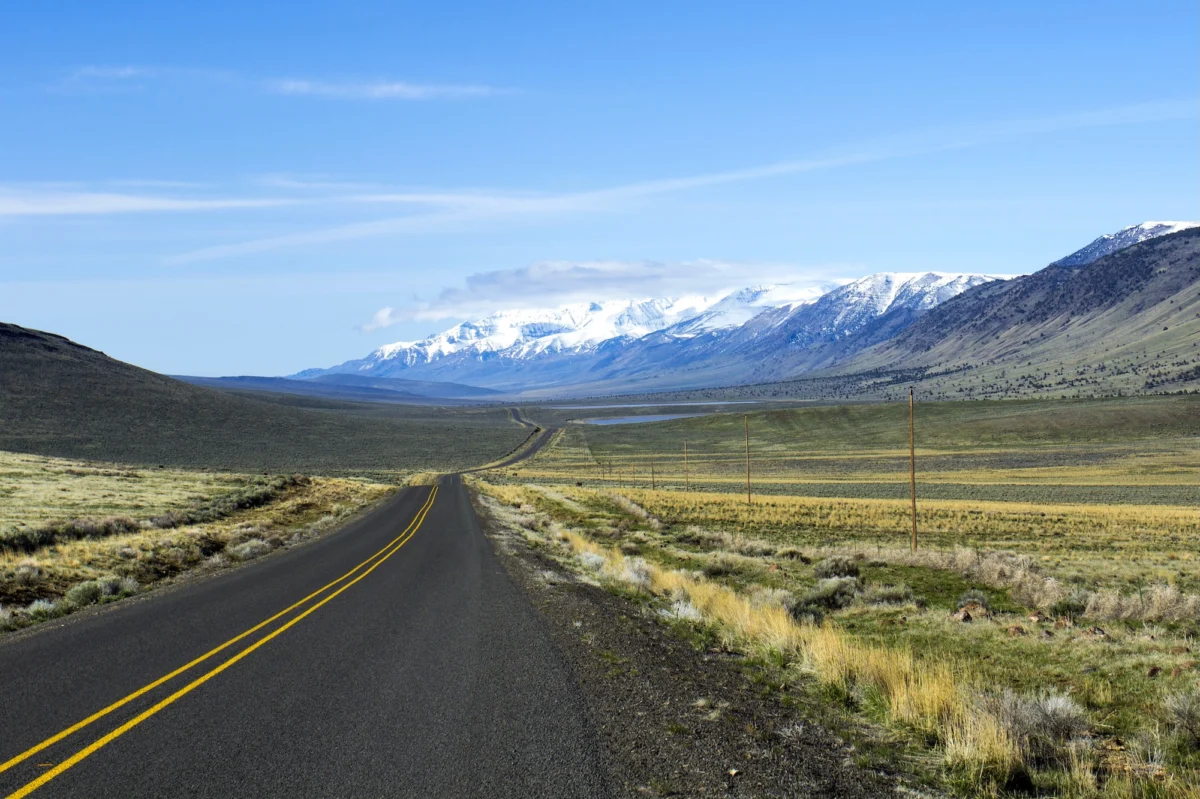
The scale of the land in question is vast. Approximately 28 percent of the United States—nearly 640 million acres—is owned by the federal government. This includes iconic landscapes like Oregon’s Steens Mountain Wilderness, which spans more than 170,000 acres and serves as a vital habitat for sage-grouse and a destination for outdoor recreation.
The Bureau of Land Management manages roughly 245 million of these acres. Historically, these lands have been managed under a "multiple-use" mandate, which includes grazing, timber harvesting, recreation, and conservation alongside energy development. According to the Department of the Interior, the proposed changes are necessary to "eliminate unnecessary administrative barriers" and "modernize federal onshore oil and gas policy." The department argues that outdated procedures have slowed development, hindering economic growth and energy security.

Conversely, data from environmental advocacy groups suggests that public lands already contribute significantly to the national energy supply. They argue that the "bottleneck" is not the public comment period, but rather the sheer volume of leases that oil and gas companies hold but have yet to develop. Critics point out that the 10-day window is insufficient for volunteer-led community organizations to even read a complex environmental impact statement, let alone respond to it.
Case Studies: The Power of the Public Voice
The administration’s move to curb comments is likely a response to the historical effectiveness of public opposition. Two major cases serve as primary examples:
The Keystone XL Pipeline
The proposed Keystone XL pipeline, intended to transport crude oil from Canadian tar sands to Texas refineries, became a symbol of the modern environmental movement. During its decade-long review process, the State Department was flooded with more than 120,000 public comments. These submissions included technical critiques from geologists, legal arguments from Indigenous communities, and logistical concerns from farmers along the route. This massive volume of input created a record that made it legally and politically difficult to fast-track the project, eventually leading to its cancellation.
The Bridger Project and Fast-Tracking
In contrast, the administration has recently fast-tracked the Bridger project, which aims to pipe tar sands oil from Canada to a terminal in Wyoming. By utilizing expedited review processes, the project has bypassed much of the traditional friction associated with large-scale energy infrastructure. This success from an industry perspective has seemingly emboldened the Department of the Interior to apply similar "efficiency" measures to all onshore leasing.
Reactions from Stakeholders
The proposed 10-day rule has drawn sharp criticism from a broad coalition of scientists, conservationists, and legal experts. Alexa Dietrich, research director at the Union of Concerned Scientists, noted that the administration is "eliminating an important part of our democratic participation where people still get to have a voice throughout the process of governance."
Legal challenges are already underway. The Sierra Club and the Center for Biological Diversity have filed lawsuits against the U.S. Department of Agriculture over a separate but similar rule that would eliminate public comments from most projects in national forests. These organizations argue that the government is violating the APA by failing to provide a "meaningful" opportunity for comment.
On the ground, local coalitions are forming to fight the changes. In North Dakota, the newly established ND Public Lands Coalition—comprising the North Dakota Wildlife Federation, Dakota Resource Council, and the state chapter of the Sierra Club—has launched a public awareness campaign. Dave Brandt, a board member for the North Dakota Wildlife Federation, emphasized the need for responsibility: "Let’s do this responsibly, and not just try and make it so that a handful of people are making themselves extremely rich off the great resources of our public lands."
Analysis of Implications
The shift toward a 10-day comment period represents a significant departure from the norms of administrative transparency. If finalized, the implications could be far-reaching:
- Increased Litigation: When the public is shut out of the administrative process, they often turn to the courts. Reducing the comment period may lead to a surge in lawsuits alleging that agencies reached "arbitrary and capricious" decisions because they failed to consider relevant evidence that would have been provided during a longer comment window.
- Erosion of Trust: Public comment periods serve as a safety valve for civil unrest. When citizens feel they have a legitimate venue to voice concerns, they are more likely to respect the eventual outcome. Removing that venue may lead to more direct action and protests at development sites.
- Scientific Deficit: Agency staff often rely on external experts to provide specialized data. A 10-day window makes it nearly impossible for academic institutions or independent researchers to peer-review agency findings, potentially leading to policy based on incomplete or biased data.
As the August 24 deadline for the current comment period approaches, advocacy groups are urging the public to use the very system that is under threat to voice their opposition. The Federal Register remains open for submissions, and the volume of responses may well determine whether the "voice of the public" remains a fixture of American policy or becomes a relic of its past. The outcome of this regulatory battle will likely set the tone for federal land management and administrative transparency for years to come.
