

The framework for assessing global systemic risk has undergone a fundamental transformation in recent years, evolving from a focus on isolated economic indicators to a holistic understanding of how the natural world serves as the primary infrastructure for human society. This shift reflects a growing recognition that the stability of the global economy is inextricably linked to the health of the Earth’s ecosystems. According to the World Economic Forum’s Global Risk Report 2026, the hierarchy of threats facing the international community is now dominated by environmental factors, with extreme weather events, biodiversity loss, ecosystem collapse, and critical changes to Earth systems occupying three of the top five positions. This assessment serves as an urgent call to action for both the public and private sectors, signaling that future resilience depends on the immediate protection and restoration of the foundational biological systems that underpin modern life.
In response to these escalating risks, nature-based solutions (NBS) have emerged as the most effective and scalable tools for climate mitigation. While technological innovations in carbon capture continue to develop, they currently lack the scale and efficiency of forests, wetlands, and prairies. These wild ecosystems are not only superior at sequestering carbon but also provide essential co-benefits, including the filtration of air and water, the stabilization of soils, and the preservation of global biodiversity. Current scientific consensus suggests that nature-based climate solutions—focused on the protection, sustainable management, and restoration of ecosystems—can provide more than one-third of the total climate mitigation required through 2030 to meet the ambitious goals of the Paris Agreement.
The Evolution of Corporate Environmental Strategy
Recognizing this potential, major philanthropic organizations have begun to pivot their investment strategies to prioritize ecological restoration. The Everpure Foundation, established over a decade ago by the data management firm Everpure, recently underwent a significant strategic redesign. In 2025, the foundation committed 60 percent of its annual strategic grants budget specifically to nature-based solutions and community-led transitions to low-carbon energy, such as solar and wind power. This move represents a shift away from traditional corporate social responsibility (CSR) models toward a more targeted approach that addresses the root causes of climate vulnerability.
Julie Lata, Executive Director of the Everpure Foundation, emphasizes that this vision is grounded in the reality of ecological interdependence. "The natural world is our most powerful partner in fighting climate change," Lata stated. "By funding nature-based projects, we aren’t just investing in the planet’s future—we’re bringing ecosystems back to life and building stronger, healthier communities for everyone." This strategy is currently being implemented through flagship partnerships with organizations like The Nature Conservancy (TNC) and the Czech nonprofit Sázíme Stromy, which are executing large-scale restoration projects in diverse geographical contexts.
Restoring the Carbon Vaults: The Minnesota Peatlands Project
One of the most critical frontiers in the fight against climate change is the protection of peatlands, a type of ancient wetland that serves as the planet’s most efficient terrestrial carbon sink. While peatlands cover only 3 percent of the Earth’s surface, they store a staggering 33 percent of global soil carbon—twice as much as all the world’s forests combined. Furthermore, they hold approximately 10 percent of the world’s global freshwater, acting as natural filtration systems and flood regulators.
In the United States, Minnesota serves as the "peatland capital" of the contiguous 48 states, housing more than 6 million acres of these carbon-dense landscapes. However, the history of these lands is marked by significant ecological degradation. In the early 20th century, a sixth of Minnesota’s peatlands were ditched and drained in a misguided attempt to convert them into agricultural land. When peatlands are drained, the waterlogged plant matter—which has accumulated over millennia—dries out and decomposes, releasing centuries of stored carbon back into the atmosphere as carbon dioxide.
The Nature Conservancy, a 2025 Everpure Foundation grantee, has been at the forefront of reversing this damage. Research supported by TNC revealed that Minnesota’s previously drained peatlands continue to emit around 38,000 metric tons of carbon annually. Carl McGuinness, Natural Climate Solutions Director for TNC, notes that the potential for positive impact is enormous. "Restoring and re-wetting farmed and partially-drained peatlands could mitigate more than 1 million metric tons of carbon per year," McGuinness explains. "That is the equivalent of removing 233,000 gasoline-powered cars from the road annually."

A Chronology of Restoration and Collaboration
The effort to restore Minnesota’s peatlands has followed a structured timeline of scientific assessment and capacity building. Since 2021, TNC has coordinated with state agencies and universities to map the most critical sites for restoration. This collaboration led to the creation of the "Playbook for Minnesota Peatlands," a strategic guide for state-wide restoration efforts, and the development of the Potentially Restorable Peatlands mapping tool by the Minnesota Board of Water and Soil Resources.
This foundational work paved the way for a massive influx of federal support. In 2024, Minnesota qualified for $20 million from the U.S. Environmental Protection Agency’s (EPA) Climate Pollution Reduction Grants Program. Of this funding, $4 million was specifically allocated to Tribal nations, who have long recognized peatlands as vital sources of food, clean water, and wildlife habitat. As of January 2026, nearly 20 restoration projects are underway at high-potential sites across the state. These projects involve plugging man-made ditches to raise the water table, re-wetting the soil, and planting native vegetation to restart the carbon-sequestration process.
The impact of this work extends far beyond the borders of the Great Lakes region. The data and methodologies developed in Minnesota are being shared across TNC’s global network, informing peatland restoration projects in Indonesia, Ecuador, Mongolia, Patagonia, and New Zealand.
Rewilding the Czech Countryside: From Monoculture to Diversity
While the Minnesota project focuses on massive carbon sinks, the nonprofit Sázíme Stromy (We Plant Trees) is demonstrating how nature-based solutions can revitalize rural landscapes and communities in the Czech Republic. The environmental challenges in this region are deeply rooted in the political and agricultural history of the 20th century. During the period of communist rule from the 1940s through the 1980s, the Czechoslovakian government forcibly converted diverse family farmlands into massive monoculture plots. Trees and hedgerows were removed to accommodate heavy machinery, leading to a landscape that was efficient for short-term production but devastating for long-term ecological health.

The move to monoculture accelerated soil erosion, drove water pollution, and caused a collapse in local biodiversity. "These fields are almost dead because of the large machinery," says Martina Pavelkova, founder of Sázíme Stromy. The loss of trees also meant the loss of traditional paths between villages, forcing residents to rely on motor vehicles for even short journeys and further isolating rural communities.
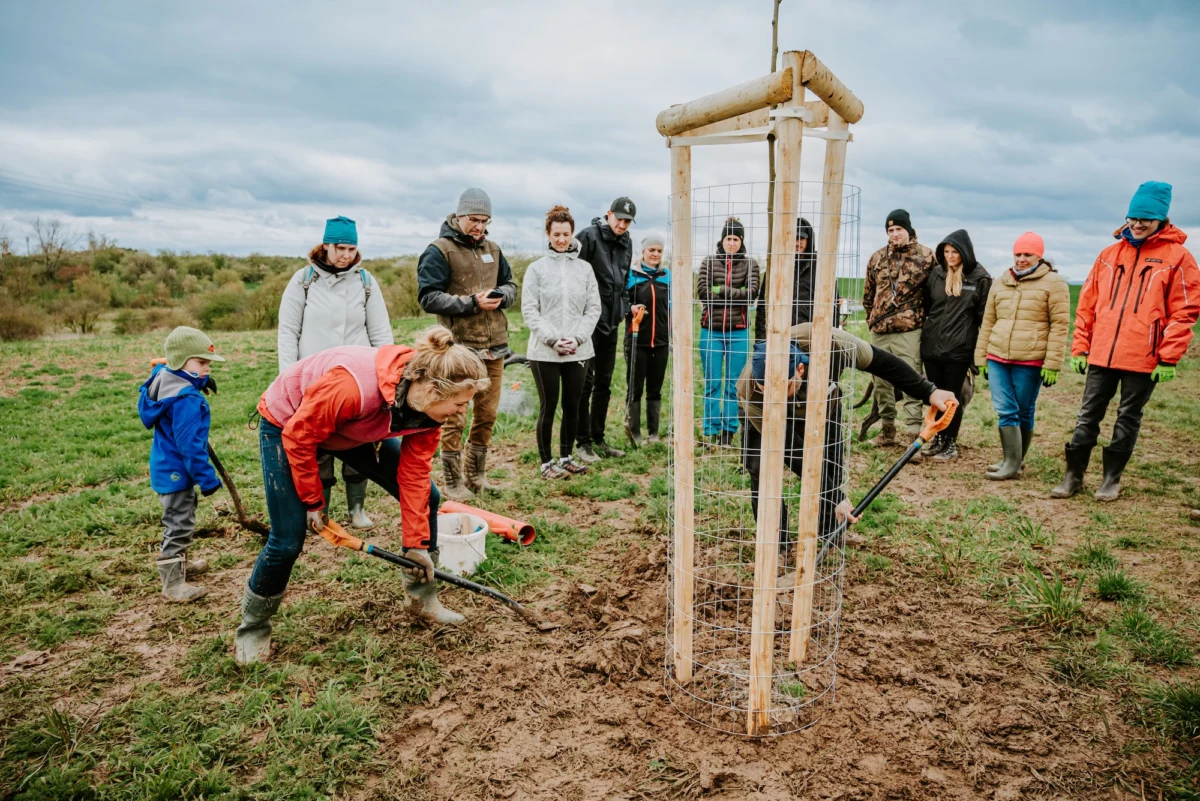
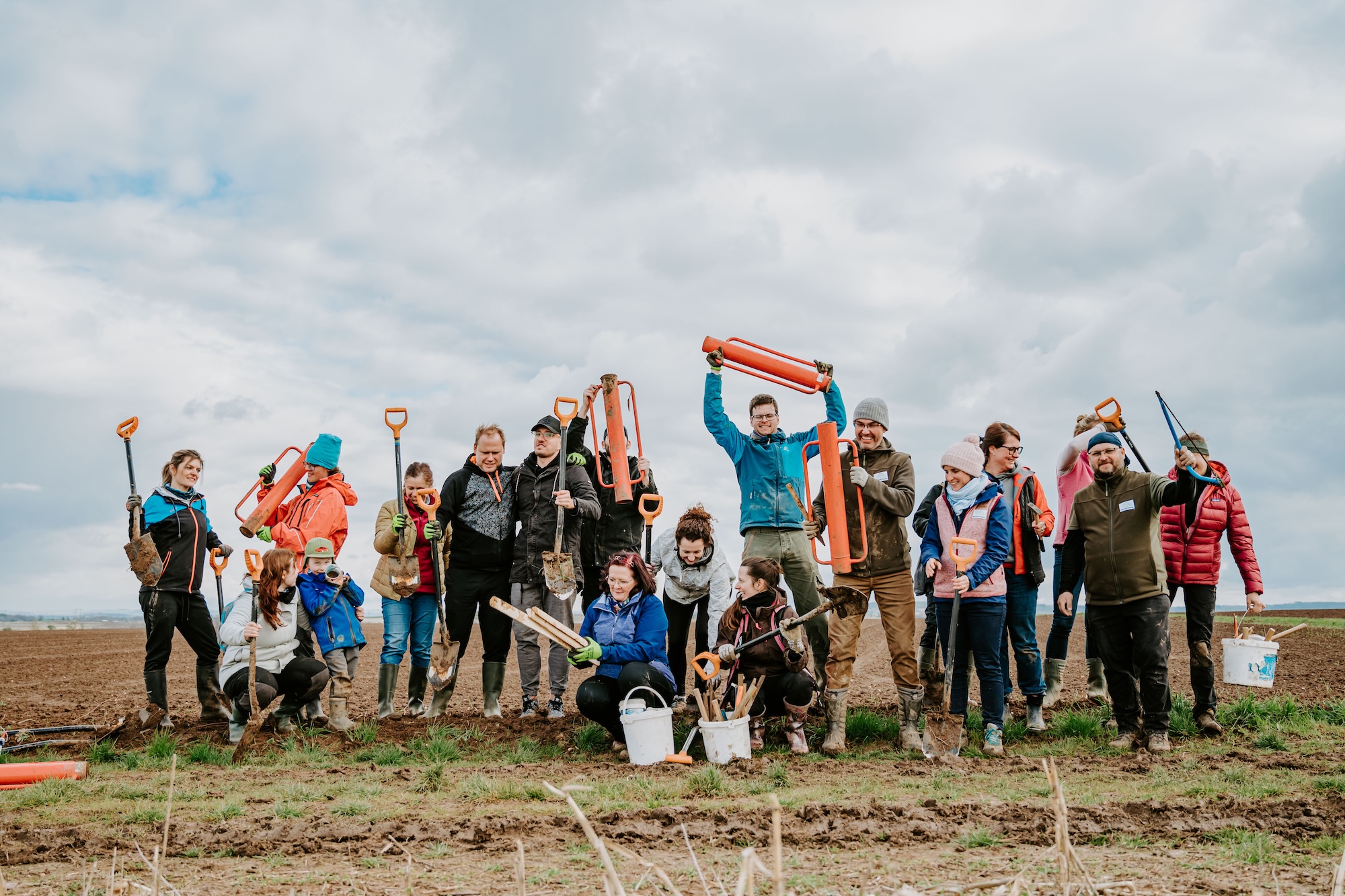
Sázíme Stromy has spent the last six years working to reverse this trend. The organization has planted nearly 40,000 native trees and fruit trees, focusing on restoring the "alleys" and paths that once connected the Czech countryside. This rewilding effort provides immediate environmental benefits, such as temperature control through shade, windbreak protection for soil, and the creation of habitats for birds and pollinators.
Community Resilience and the Human Connection
The Czech project highlights a crucial aspect of nature-based solutions: the social dimension. By planting trees along traditional paths, Sázíme Stromy is literally "renewing" the connections between villages, encouraging walking and cycling, and improving the quality of life for local residents. The organization’s model relies on a unique partnership between corporate donors, municipal governments, and local volunteers.
When a new alley is planted, employees from donating companies—including Everpure—work alongside local villagers and municipal representatives. The municipalities sign 10-year agreements to care for the trees, ensuring their survival and growth. "We believe that if people connect, it is best for the healthy growth of the trees," Pavelkova explains. This community-led approach ensures that the environmental benefits of the project are matched by a renewed sense of local stewardship and social cohesion.

Broader Implications and the Future of Nature-Based Solutions
The success of these initiatives in Minnesota and the Czech Republic provides a blueprint for how corporate-NGO partnerships can drive meaningful climate action. The shift toward nature-based solutions represents a move toward "nature-positive" economics, where the restoration of natural capital is viewed as a prerequisite for sustainable growth.
From a financial perspective, nature-based solutions often provide a higher return on investment than technological fixes when considering the value of ecosystem services—such as water purification and flood prevention—that they provide for free. Furthermore, by involving local and Indigenous communities, these projects ensure that climate mitigation efforts are equitable and culturally relevant.
As the global community moves toward the 2030 targets set by the Paris Agreement, the role of foundational ecosystems will only become more prominent. The work being done by The Nature Conservancy, Sázíme Stromy, and the Everpure Foundation demonstrates that protecting the planet’s natural assets is not merely an act of conservation; it is a strategic investment in the very systems that sustain human life. By integrating scientific research, corporate funding, and local knowledge, these organizations are transforming the abstract goals of climate mitigation into tangible, living landscapes that offer a more resilient future for all.
