

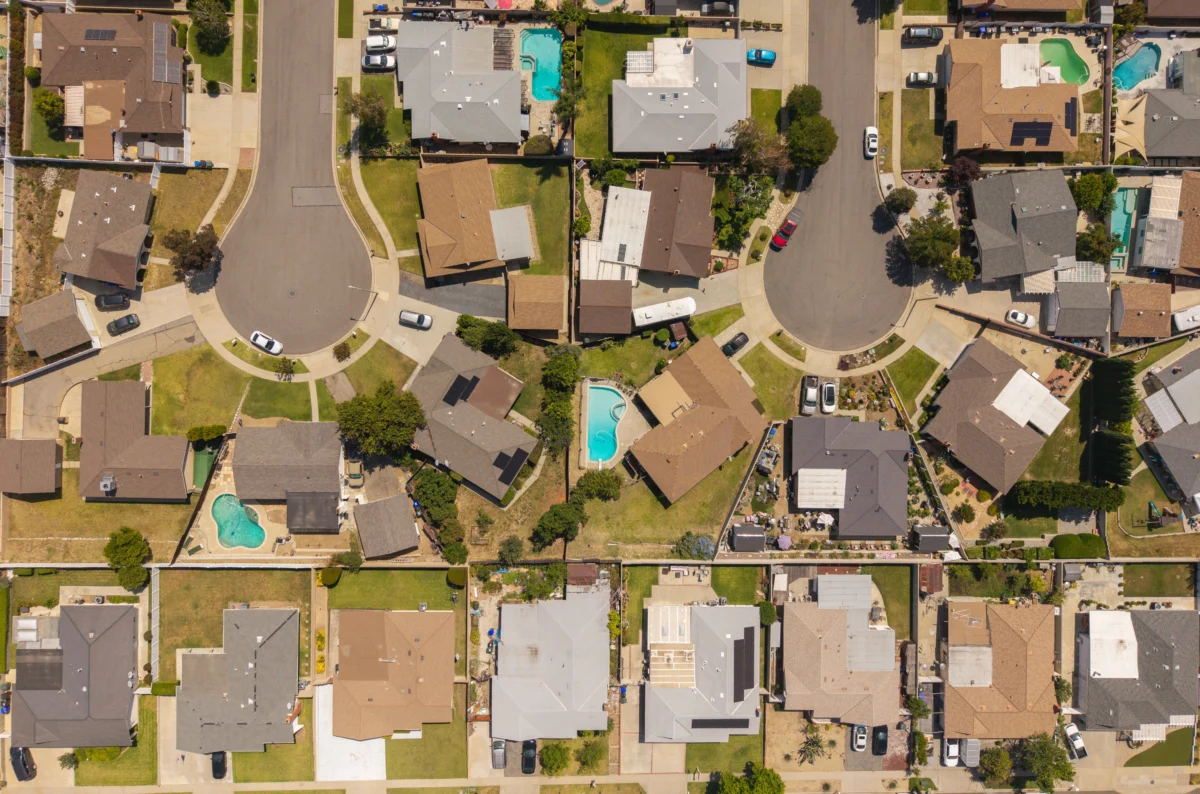
Frustration among home sellers reached a critical juncture in April, with a significant portion of listings being withdrawn from the market, even as the traditionally robust spring selling season was underway. Data from real estate brokerage Redfin revealed that a striking 5.8% of all home listings nationwide were pulled off the market during April. This figure ties with December of the previous year for the highest share of delisted homes since March 2020, a period marked by the initial shock and subsequent freeze of the housing market at the onset of the global pandemic. The increase in delistings in April represented a notable 3.8% rise compared to March, signaling a clear shift in market sentiment and seller expectations. This trend underscores a broader recalibration within the U.S. housing sector, driven by a confluence of macroeconomic factors including persistently high mortgage rates, elevated energy costs, and a discernible decline in consumer confidence, all of which have collectively dampened housing demand and eroded the pricing power that sellers had enjoyed for several years.
A Market in Flux: The Erosion of Seller Dominance
The current environment represents a stark contrast to the frenzied, seller-dominated market that characterized much of 2020, 2021, and early 2022. During that unprecedented period, fueled by historically low interest rates, a sudden embrace of remote work, and a scramble for more living space, properties frequently sold above asking price, often within days of listing, and with minimal contingencies. Bidding wars were commonplace, and sellers held virtually all the leverage. However, the economic landscape has undergone a profound transformation, ushering in an era where buyers are regaining some of their negotiating power. The primary catalyst for this shift has been the aggressive monetary policy tightening by the Federal Reserve, initiated in early 2022, aimed at combating surging inflation. These successive interest rate hikes have directly translated into higher mortgage rates, significantly increasing the cost of homeownership and consequently diminishing affordability for prospective buyers.
The average rate for a 30-year fixed-rate mortgage, a benchmark for the housing market, had briefly dipped into the 5% range at the end of February, offering a glimmer of hope for a more accessible market. However, this reprieve was short-lived. Rates subsequently surged sharply, influenced by a combination of ongoing inflationary pressures, the Federal Reserve’s continued hawkish stance, and broader geopolitical instability that impacted global energy markets and supply chains. This rapid escalation in borrowing costs has forced many potential buyers to reconsider their purchasing power, leading to a noticeable slowdown in transaction volumes and a reluctance to meet sellers’ ambitious price expectations.
Patricia Ammann, a Redfin agent, articulated this dynamic, stating, "Buyers know they have negotiating power, often offering under the asking price and completing inspections, but some sellers just won’t budge." This standoff creates a bottleneck in the market, where sellers, accustomed to the peak market conditions, are unwilling to lower their prices to align with the new reality of buyer affordability and sentiment. For many sellers, pulling a listing off the market becomes a strategic decision, or a reluctant necessity, as they weigh the prospect of accepting a lower-than-desired offer against the financial and emotional burden of carrying a vacant or unsold property.
Geographic Hotspots of Delisting Activity
While the trend of delisting is observed nationwide, certain metropolitan areas have experienced a particularly pronounced surge in listings being withdrawn. Atlanta, Georgia, led the nation in April, with approximately one in ten homes (10%) being pulled off the market. This high percentage suggests that the rapid appreciation and robust market activity Atlanta experienced in recent years may have led to elevated seller expectations that are now clashing with the current demand environment. Following Atlanta, other major urban centers with significant delisting rates included San Jose, California, with roughly 9% of listings withdrawn. The high-cost, technology-centric market of San Jose, which saw explosive growth during the pandemic, is likely feeling the dual pinch of higher interest rates and a more cautious outlook in the tech sector.
Los Angeles, California, registered a 7.8% delisting rate, tied with Dallas, Texas, which also saw 7.8% of its listings pulled. Seattle, Washington, another major tech hub, rounded out the top five with 7.7% of homes delisted. These figures highlight a common thread: many of these cities were at the forefront of the housing boom, characterized by rapid price growth and intense competition. Sellers in these markets might be among the most resistant to price adjustments, leading to more frequent delistings when offers fail to meet their desired thresholds. The regional disparities underscore how local economic conditions, employment trends (particularly in rate-sensitive industries), and the specific supply-demand balance can amplify or mitigate national housing trends.
A Brief Chronology of Market Shifts
To fully appreciate the current state of the housing market, it is essential to contextualize it within a timeline of recent events:
- Pre-2020 (Stable Growth): The U.S. housing market generally experienced steady, moderate appreciation, recovering from the 2008 financial crisis. Interest rates were relatively stable and low by historical standards.
- March 2020 (Pandemic Shock): The initial onset of the COVID-19 pandemic caused widespread economic uncertainty. The housing market, like many sectors, experienced a brief freeze as lockdowns began and transactions stalled, leading to a temporary surge in delistings.
- Mid-2020 to Early 2022 (The Boom): Driven by record-low mortgage rates (which dipped below 3% for 30-year fixed loans), a surge in remote work, and a desire for more space, housing demand exploded. Inventory plummeted, leading to fierce competition, bidding wars, and unprecedented price appreciation across the country. This was a quintessential seller’s market.
- Late 2021 (Inflation Emerges): Signs of persistent inflation began to appear, prompting the Federal Reserve to signal an end to its accommodative monetary policies and a potential shift towards interest rate hikes.
- March 2022 Onwards (Rate Hikes & Cooling): The Federal Reserve began its aggressive campaign of interest rate increases to combat inflation. Mortgage rates surged rapidly, climbing from historical lows to well over 6% and, at times, nearing 7%. This dramatic increase in borrowing costs significantly eroded buyer affordability and cooled demand.
- Late 2022 (Market Adjustment): The market started to adjust. Price growth slowed considerably, and some areas even saw modest price declines. Homes began to sit on the market longer, and inventory slowly started to recover from its lows.
- Early 2023 (Rate Volatility): Mortgage rates saw some fluctuation, briefly dipping in late 2022 and early 2023, touching the 5% range in February. This offered a brief window of improved affordability, but geopolitical events and continued inflation concerns quickly pushed rates back up.
- April 2023 (Current Scenario): The market now reflects the cumulative impact of these shifts: higher rates, cautious buyers, and frustrated sellers. The increase in delistings in April is a direct consequence of this evolving dynamic, as sellers struggle to align their expectations with current market realities.
Underlying Economic Drivers and Affordability Challenges

The primary driver behind the current market cooling and the increase in delistings is the dramatic shift in interest rates. The average 30-year fixed-rate mortgage, which hovered around 3% for much of the pandemic boom, has consistently remained above 6% for many months, occasionally flirting with 7%. For a median-priced home, this translates into hundreds, if not over a thousand, dollars more in monthly mortgage payments compared to just a year or two prior. For instance, a $400,000 mortgage at 3% incurs a principal and interest payment of approximately $1,686 per month. The same mortgage at 6.5% jumps to about $2,529 per month—an increase of over $840, or nearly 50%. This stark reality has rendered homeownership unaffordable for a significant segment of the population, especially first-time buyers who are also contending with broader inflationary pressures on their daily expenses.
Beyond mortgage rates, elevated gas prices and broader inflation, as measured by the Consumer Price Index (CPI), continue to erode household purchasing power. When a larger portion of disposable income is allocated to essential goods and services, less is available for a down payment or higher monthly housing costs. This contributes to weaker consumer confidence, a critical metric for big-ticket purchases like homes. The University of Michigan’s Consumer Sentiment Index, for example, has remained historically low, reflecting widespread concerns about inflation and economic uncertainty. When consumers feel less secure about their financial future, they are naturally more hesitant to commit to a major long-term investment like a home.
The Balancing Act: Prices, Inventory, and Relistings
Despite the market slowdown, home prices have shown a complex trend. While the rapid, double-digit annual price appreciation of the pandemic era has largely abated, prices are still, on average, higher than they were a year ago. Moreover, some recent data has indicated a slight strengthening in prices in certain markets, suggesting a degree of resilience or stabilization rather than a full-blown correction. Selma Hepp, chief economist at Cotality, noted, "Markets that depend more heavily on traditional mortgage financing and rate-sensitive buyers are seeing prices stay relatively flat." She added that "Overall, fewer markets posted year-over-year price declines in April than in prior months, pointing to continued stabilization across the housing market." This suggests that while the pace of appreciation has slowed dramatically, a widespread collapse in home values is not currently materializing, perhaps due to still-constrained inventory levels in many areas and a relatively strong labor market.
Inventory, or the total number of homes available for sale, plays a crucial role in market dynamics. The National Association of Realtors (NAR) reported a slight rise in signed contracts on existing homes, known as pending sales, up 1.4% from March to April. This modest uptick is attributed, in part, to an increase in available inventory, which was up nearly 6% from March. An increase in inventory, even a modest one, typically provides buyers with more choices and reduces the urgency to make aggressive offers, thereby shifting the market balance away from sellers. As new listings continue to come onto the market and existing ones take longer to sell, homes are "sitting" for extended periods. This prolonged market time can be a significant factor for sellers who, facing carrying costs and the emotional toll of an unsold home, may decide to pull their listings.
Interestingly, the report also highlighted a trend of relistings. Approximately 2.5% of homes on the market in April were relistings, a share tied with the prior two months for the highest since mid-2020. This indicates that some homeowners who had previously pulled their properties off the market, perhaps in late 2022, attempted to re-enter the market in spring 2023, hoping to capitalize on the traditionally busier season, despite the prevailing higher mortgage rates. These sellers are likely testing the waters, hoping for an improved buyer pool or a softening of buyer demands, only to encounter the same challenges that led them to delist initially. The prevalence of relistings underscores the ongoing tension between seller expectations and current market realities.
Broader Impact and Future Outlook
The current slowdown in the housing market, characterized by increased delistings and a shift in negotiating power, has broader implications for the U.S. economy. The housing sector is a significant contributor to economic activity, influencing everything from construction and renovation to furniture sales and moving services. A sustained cooling could impact related industries and potentially lead to a slowdown in overall economic growth, though a severe downturn is not the consensus forecast among most economists.
For prospective homebuyers, particularly first-time buyers, the current environment presents a mixed bag. While increased inventory and reduced competition offer more choice and negotiation leverage, the high mortgage rates remain a formidable barrier to entry. The dream of homeownership remains elusive for many, even as home price appreciation moderates.
Looking ahead, the trajectory of the housing market will largely depend on the Federal Reserve’s monetary policy decisions and the path of inflation. If inflation continues to cool, the Fed may ease its aggressive stance, potentially leading to a stabilization or even a modest decline in mortgage rates. Conversely, persistent inflation could necessitate further rate hikes, placing additional pressure on the housing market. Regional variations are also likely to persist, with some markets demonstrating greater resilience due to strong job growth or limited supply, while others may experience more significant adjustments.
The increase in delisted homes in April is more than just a statistic; it is a vivid illustration of a market in transition. Sellers are grappling with the reality that the unprecedented boom years are over, while buyers are navigating a landscape of higher costs and newfound cautious optimism. The housing market is undoubtedly in a period of recalibration, finding a new equilibrium between supply, demand, and affordability, a process that is likely to continue unfolding throughout the remainder of the year.
