

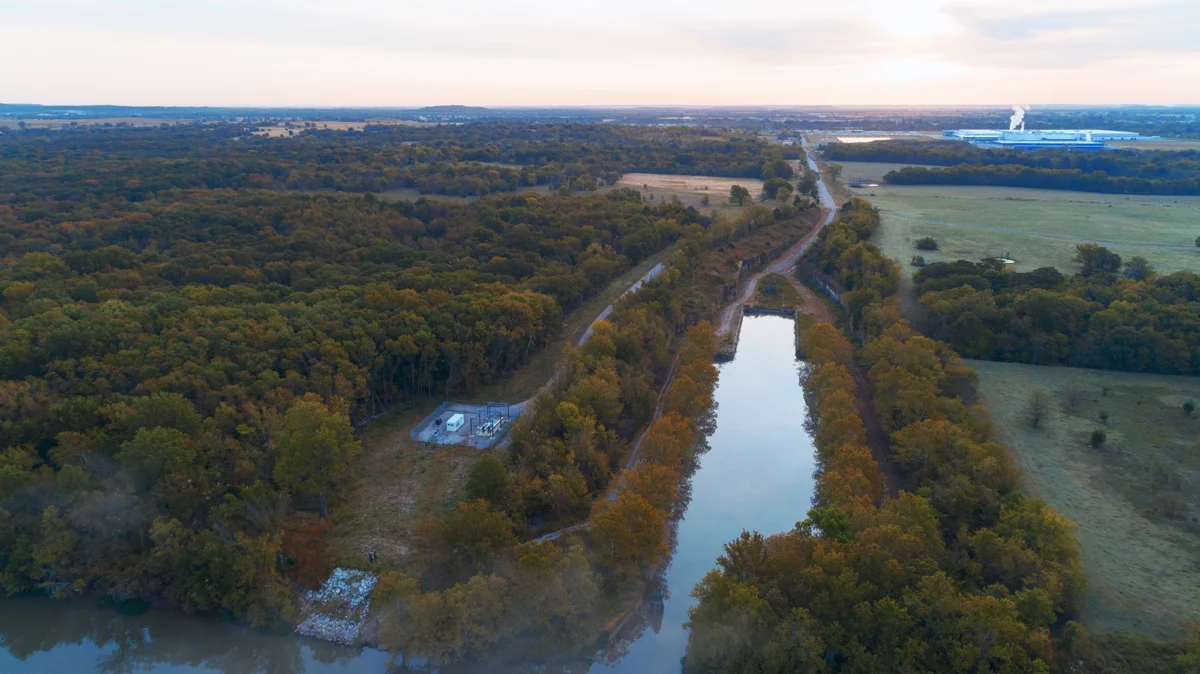
The landscape of American industrial manufacturing is currently witnessing a profound collision between federal economic ambitions and local environmental preservation efforts in the rural heartland of Oklahoma. At the center of this burgeoning conflict is a proposed $4 billion aluminum smelter slated for construction at the Tulsa Port of Inola. This project represents the first attempt to build a primary aluminum production facility in the United States in nearly five decades, a milestone that has drawn both fervent support from high-level political figures and intense scrutiny from the residents of the small town of Inola. As the project progresses from its preliminary planning stages into a heated legal and political battleground, the situation serves as a microcosm for the challenges facing the modern "reshoring" movement, where the desire for domestic industrial independence clashes with 21st-century environmental standards and local community sovereignty.
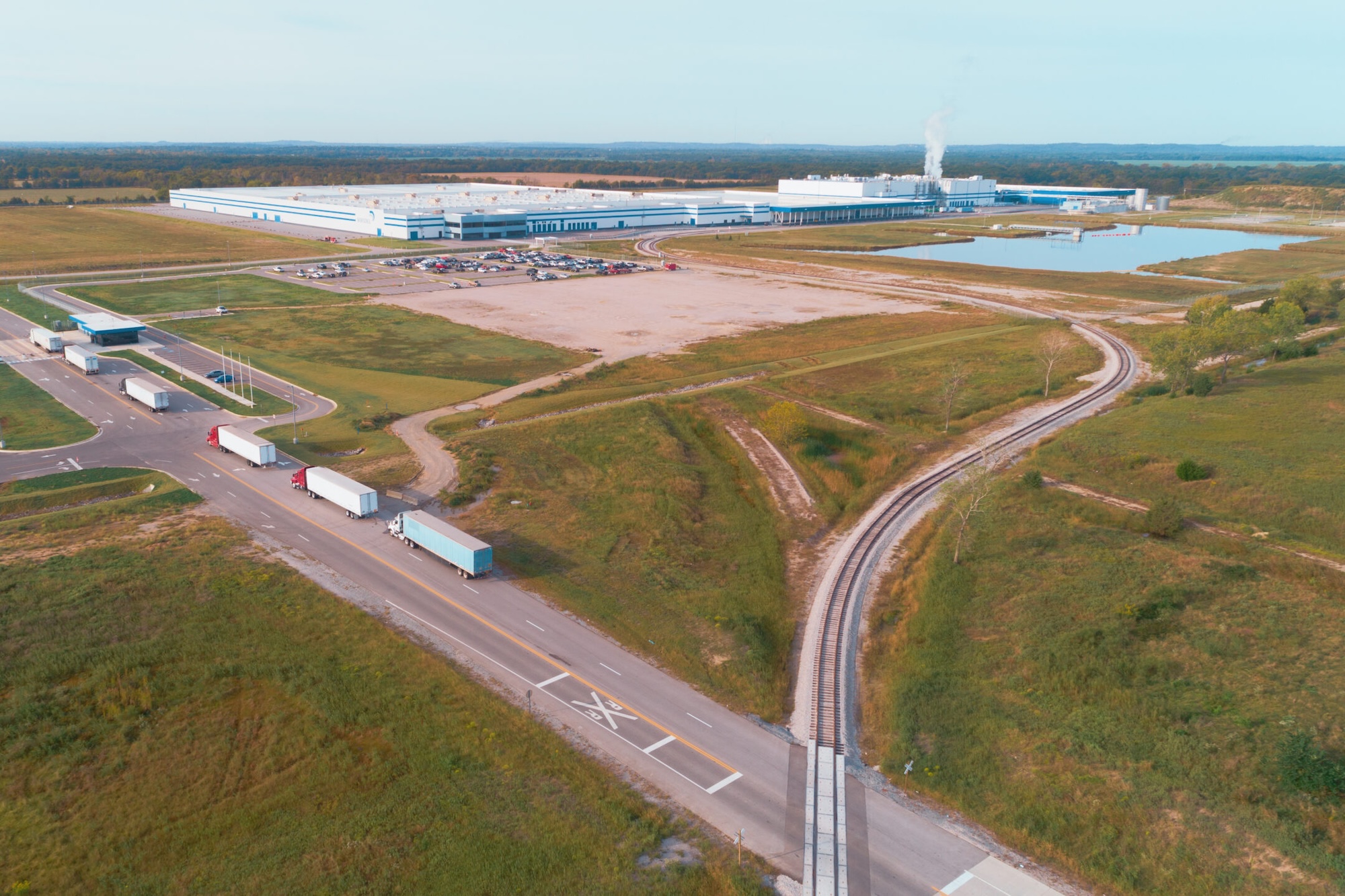
The Oklahoma Primary Aluminum plant, if completed as currently envisioned, would be a massive industrial undertaking located on the McClellan-Kerr Arkansas River Navigation System. The facility is expected to produce upwards of 826,000 tons of primary aluminum annually, a figure that would more than double the current total output of the entire United States aluminum industry. While the economic promises—including thousands of construction and permanent jobs—have garnered the endorsement of state leadership, the project has become a lightning rod for controversy. This resistance is fueled by a combination of environmental health fears, concerns over foreign sovereign ownership, and a perceived lack of transparency regarding the plant’s impact on the local ecosystem and public infrastructure.
The Project Partners and Industrial Ambition
The genesis of the project lies in a partnership between two major global entities: Emirates Global Aluminium (EGA) and Century Aluminum. EGA, a firm owned by the government of the United Arab Emirates, initially proposed the facility in early 2025. The involvement of a state-owned enterprise from the UAE was initially framed by supporters, including Oklahoma Governor Kevin Stitt, as a strategic alliance that would bring world-class technology and significant capital to the state. However, the project’s profile shifted significantly in January 2026 when Chicago-based Century Aluminum, which is majority-owned by the Swiss multinational Glencore, joined the venture with a 40 percent stake.
Century Aluminum’s entry into the project coincided with a significant expansion of the plant’s proposed capacity. Initially projected to produce 661,000 tons per year, the revised plans jumped to 826,000 tons. While the companies maintain that the facility will utilize "state-of-the-art" technology to minimize its carbon footprint and pollutant output, the track record of the participating firms has become a point of contention. Century Aluminum has faced previous scrutiny regarding air pollution violations at its other facilities, leading many local observers to question whether the promised "most advanced" technology will be sufficient to protect the surrounding environment.
A Chronology of Mounting Tension
The timeline of the Inola smelter project reflects a rapid escalation from an economic development announcement to a multi-front legal conflict.
Spring 2025: Emirates Global Aluminium announces plans for the Oklahoma Primary Aluminum plant. Governor Kevin Stitt praises the deal, emphasizing job creation and Oklahoma’s role in the national manufacturing resurgence.
May 2025: During a high-profile visit to the United Arab Emirates, President Donald Trump champions the project, framing it as a centerpiece of his administration’s efforts to rebuild the American industrial base through international partnerships.
October 2025: A survey conducted by the trade organization Industrious Labs reveals a complex public sentiment. While 60 percent of Oklahomans surveyed approve of the economic prospects, 75 percent express significant environmental concerns regarding heavy industry.
January 2026: Century Aluminum joins the project. The proposed capacity is increased, and the estimated cost rises to $4 billion.
February 2026: Inola residents begin attending City Council meetings to voice opposition. Concerns center on the lack of environmental impact studies and the proximity of the site to residential areas and schools.
March 2026: Public opposition formalizes. A community meeting draws 75 attendees, and the "Stop the Inola Smelter" Facebook group gains traction. A Change.org petition against the project eventually garners over 3,400 signatures.
June 2026: Oklahoma Attorney General Gentner Drummond files a petition in Rogers County District Court to block the project, citing public nuisance concerns and the risks of foreign sovereign influence.
Environmental and Public Health Risks
The primary driver of local opposition is the potential for toxic emissions, specifically hydrogen fluoride (HF). Primary aluminum smelting is an energy-intensive process that involves the electrolytic reduction of alumina. This process historically releases various fluorides into the atmosphere. Research conducted by local residents, such as Inola local Thomas Harrington, has highlighted discrepancies between the project’s public relations messaging and its regulatory filings.
Analysis of public records suggests that the plant could be permitted to release hydrogen fluoride at levels nearly double those of top-performing modern smelters in countries like Norway. According to the U.S. Centers for Disease Control and Prevention (CDC), hydrogen fluoride is a highly corrosive gas. Even at low levels, it can cause severe irritation to the eyes and respiratory tract. At higher concentrations, it can lead to pulmonary edema (fluid buildup in the lungs) and fatal cardiac arrhythmias.
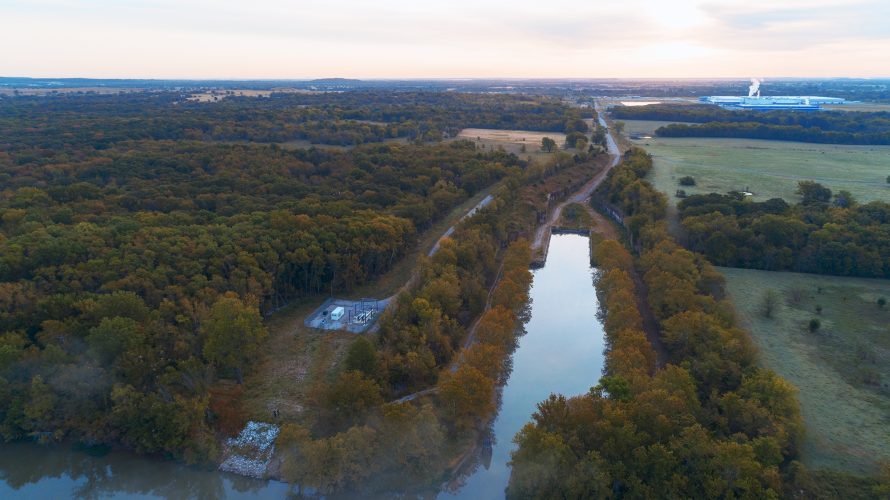
Furthermore, the environmental impact extends to the local agricultural sector. Hydrogen fluoride is known to be toxic to plant life; livestock that graze on contaminated foliage can suffer from fluorosis, a condition that weakens bones and teeth, potentially devastating Oklahoma’s cattle industry. The proposed site occupies 350 acres along the Verdigris River, placing it within three miles of Inola’s residential core, schools, and active farms, heightening the stakes for the local community.
The Political and Legal Battlefield
The controversy has taken on a sharp political edge, intersecting with the Oklahoma gubernatorial race and national foreign policy. Attorney General Gentner Drummond’s decision to sue to block the project has been interpreted by some as a direct challenge to the political influence of President Donald Trump, who endorsed Drummond’s opponent, Mike Mazzei, in the Republican primary.
Drummond’s legal petition is notable for its focus on national sovereignty and the "anticipatory public nuisance" the plant might create. He argued that the controlling interest of a "foreign sovereign" monarchical government over such a critical piece of American infrastructure poses a risk to the state. While critics have labeled these arguments as xenophobic, they resonate with a segment of the electorate concerned about foreign ownership of American land and resources.
Beyond the rhetoric of sovereignty, the lawsuit highlights the significant public investment involved. The project is set to receive approximately $255 million in state incentives, complemented by a federal Department of Energy grant of up to $500 million. Opponents argue that taxpayers should not be subsidizing a project that carries such high environmental and health risks, especially when the profits may flow to overseas entities.
Local Governance and Community Response
In response to the mounting pressure, the Inola City Council has begun to take a more cautious approach. In early June 2026, the council considered a six-month moratorium on all developments within the industrial park. While the initial motion was deemed too broad for immediate passage, the council agreed to review a more specific proposal by the end of the month.
To bridge the gap between industrial developers and the citizenry, the council established the Inola Community Accountability Review and Engagement (ICARE) committee. This body is intended to provide residents with a formal mechanism to review plans, voice concerns, and hold developers accountable for environmental and safety promises. This move reflects a growing trend in rural America where communities are no longer willing to accept heavy industry at any cost, demanding instead a seat at the table during the planning phases of major projects.
Broader Implications for National Security and Trade
The struggle in Inola unfolds against a backdrop of declining domestic aluminum production. The U.S. has seen its number of operational smelters drop from 24 at the start of the 21st century to just six by 2025. This decline has made the U.S. heavily dependent on imports, primarily from Canada, to supply industries ranging from aerospace and defense to automotive manufacturing and construction.
However, trade relations with Canada have become increasingly strained due to isolationist trade policies and the imposition of tariffs. This volatility has created a strategic vacuum that the Oklahoma Primary Aluminum plant was intended to fill. Proponents argue that domestic production is a matter of national security, ensuring that the U.S. military has a reliable source of high-grade aluminum for aircraft like the F-35 and for critical infrastructure.
The paradox of the Inola project is that while it aims to strengthen national security and industrial independence, it does so through a partnership with a foreign sovereign entity and at a potential cost to the local environment. The outcome of the legal challenge and the local moratorium efforts will likely set a precedent for how future "mega-projects" are handled in the United States. It highlights a shift in the American industrial landscape: while the mid-20th century was defined by the rapid, often unchecked expansion of manufacturing, the 21st century is being defined by a rigorous debate over the "social license" required for heavy industry to operate in proximity to modern communities.
As the Rogers County District Court prepares to hear the Attorney General’s petition and the ICARE committee begins its work, the eyes of the industrial world remain fixed on Inola. The resolution of this conflict will determine not only the future of aluminum production in the United States but also the degree to which local communities can successfully resist the mandates of global capital and high-level political interests in favor of protecting their health and heritage.
