

In the high-altitude desert of south-central Colorado, a quiet transformation is unfolding across the vast, windswept acreage of the San Luis Valley. Known primarily as the second-largest potato-growing region in the United States, the valley is currently facing an existential threat from chronic water scarcity and a rapidly declining snowpack. In response, a grassroots movement led by local farmers and conservationists is championing an unlikely hero: rye. Through the Rye Resurgence Project, agricultural stakeholders are proving that the transition to drought-tolerant crops is not merely an environmental necessity but a viable economic strategy for the future of rural America.
The Alpine Desert Crisis: A Landscape Under Pressure
The San Luis Valley is a unique geographical anomaly. Sitting at an elevation of over 7,500 feet, it is classified as an alpine desert, receiving an average of only seven inches of rainfall annually. Historically, the region has relied on a combination of surface water from the Rio Grande and a complex system of underground aquifers to sustain its multi-billion-dollar agricultural industry. However, the 21st century has brought increasingly dire conditions.
In early 2024, data from the San Luis Valley Water Conservation District revealed a startling reality: the regional snowpack, which serves as the primary source of groundwater recharge, sat at just 13 percent of its historical average. This deficit follows decades of over-extraction and a warming climate that has shortened the winter season. For the fifth-generation farming families who call the valley home, the traditional reliance on water-intensive rotational crops like alfalfa and barley has become increasingly untenable.
The Genesis of the Rye Resurgence Project
The movement toward rye began with Sarah Jones of Jones Farm Organics. A San Diego native who moved to the valley in 2017 to join her husband Michael’s multi-generational family farm, Jones initially sought to diversify the farm’s portfolio. While the farm remained anchored in organic potato production, the need for a sustainable "cover crop"—a crop planted primarily to manage soil erosion and fertility—was paramount.
The family initially experimented with heritage wheat varieties such as Turkey Red and Red Fife, but these grains struggled to thrive under the valley’s harsh conditions. The breakthrough came when Jones looked to the past. Her father-in-law, Rob Jones, had been planting rye as a cover crop since the 1980s. While it was effective at holding the soil together during the valley’s notorious spring windstorms, it was rarely harvested for profit.

In the spring of 2023, a massive dust storm served as a catalyst for change. The intensity of the storm underscored the vulnerability of bare soil in the high desert. Recognizing that rye could serve as both a protective cover and a marketable commodity, Jones partnered with Heather Dutton, the manager of the San Luis Valley Water Conservation District. Together, they launched the Rye Resurgence Project, utilizing state grants to incentivize local farmers to switch from thirstier crops to rye.
The Agronomic Case for Rye: Data and Conservation
The primary driver behind the Rye Resurgence Project is the grain’s remarkable water efficiency. In a region where every acre-inch of water is contested, the data presents a compelling argument for a shift in crop selection.
Traditional rotational crops in the San Luis Valley require significant irrigation:

- Alfalfa: Typically requires 24 to 26 inches of water per acre.
- Barley: Typically requires 18 to 20 inches of water per acre.
- Rye: Requires only 10 to 12 inches of water per acre.
By switching a standard 120-acre field from alfalfa to rye, a farmer can save over 1,500 acre-inches of water in a single growing season. Beyond water savings, rye offers significant benefits for soil health. Its deep, fibrous root systems improve soil structure and carbon sequestration, while its hardy nature allows it to grow through the winter, providing ground cover during the months when the valley is most susceptible to wind-driven topsoil loss.
Overcoming the "Reputation Gap"
Despite its environmental benefits, rye has historically faced a branding problem in the United States. "We had to do some rye reputation rehabilitation," Sarah Jones noted during the project’s rollout. A common misconception among American consumers is that rye inherently tastes like caraway seeds, a flavor profile derived from the seeds frequently added to commercial rye bread rather than the grain itself.
In reality, rye is a versatile, neutral-to-earthy grain with significant nutritional advantages. It possesses a lower gluten content and higher fiber density than modern wheat varieties, making it an attractive option for health-conscious consumers. To build a market for the crop, the Rye Resurgence Project focused on creating a "closed-loop" local economy, connecting farmers directly with millers, bakers, and distillers.

The Role of Local Infrastructure: Mountain Mama Milling
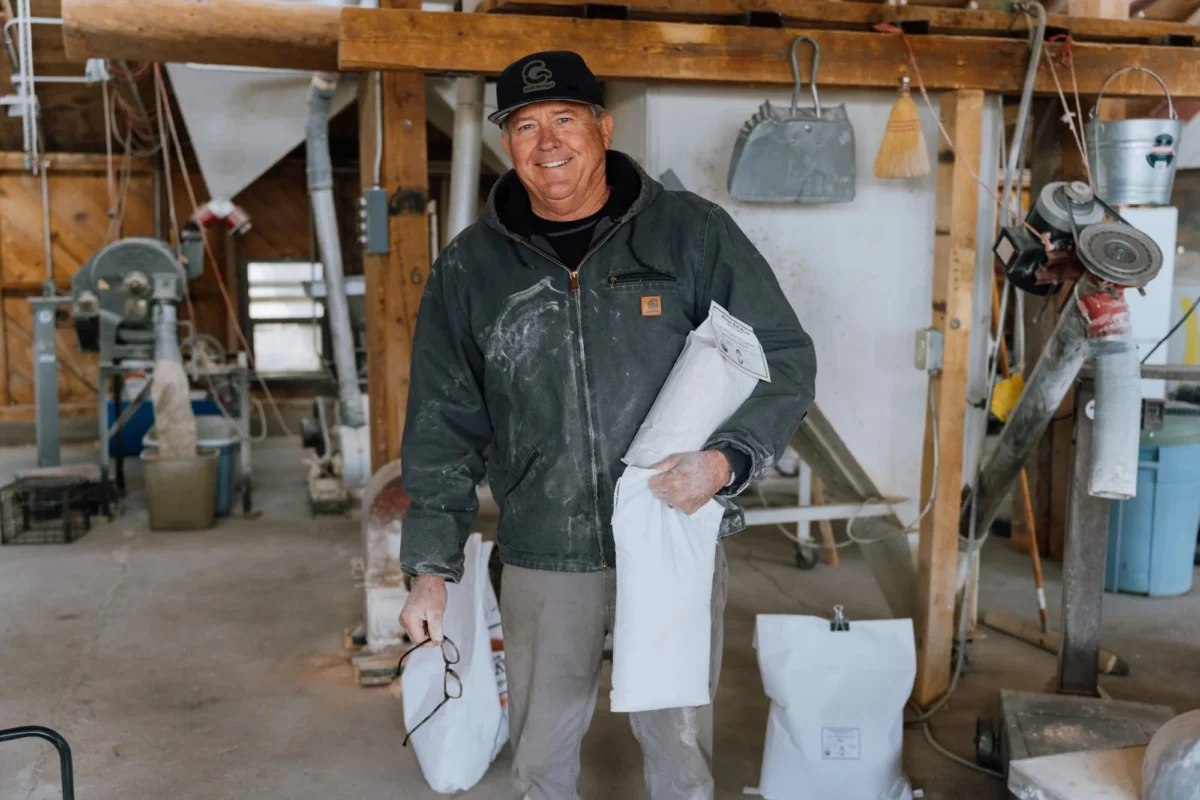
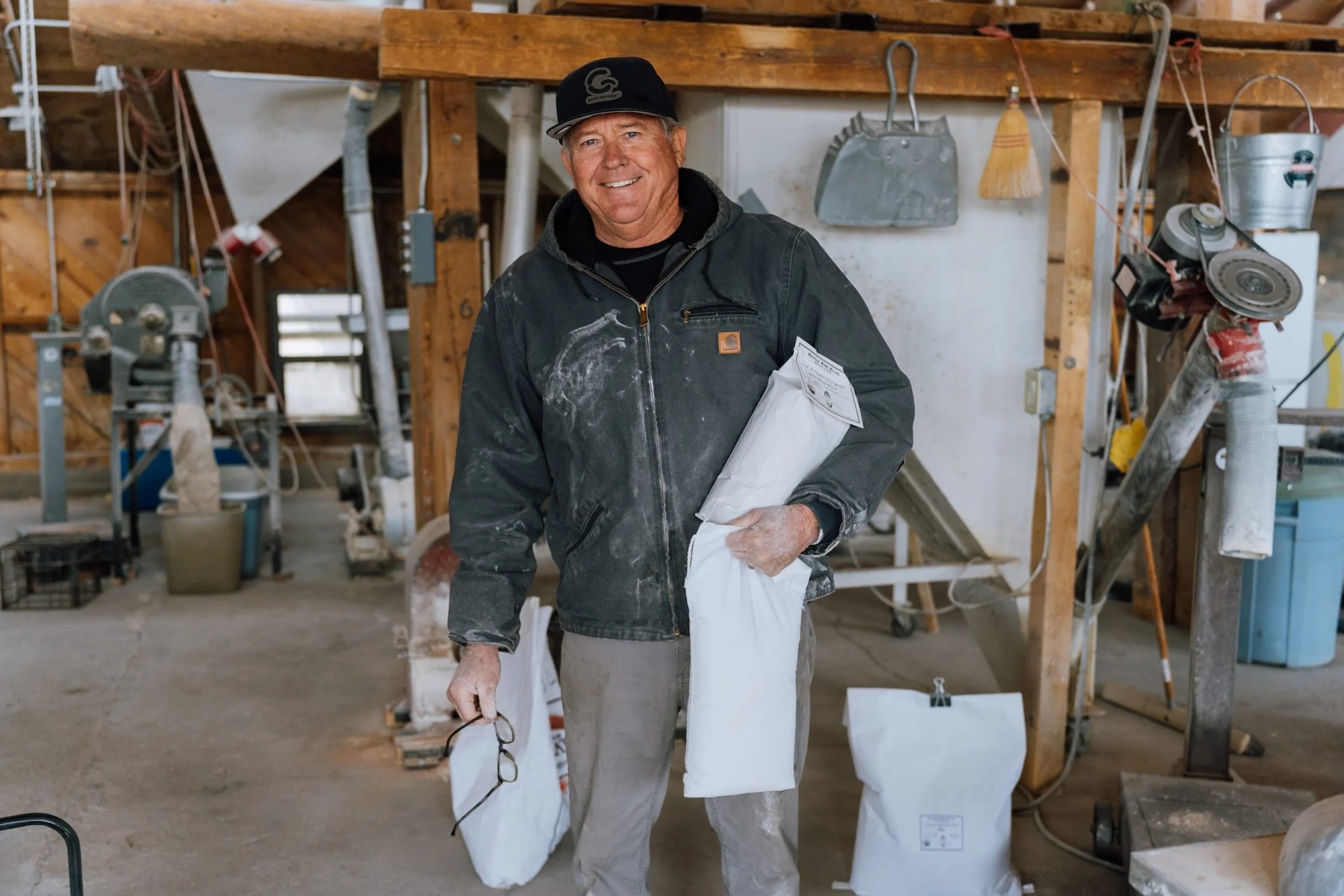
A critical link in this new supply chain is Kris Gosar, owner of Mountain Mama Milling in Monte Vista. Gosar represents a disappearing breed of American agriculturalists: the local miller. Following decades of industrial consolidation, the U.S. milling industry is now dominated by just 21 companies that control over 96 percent of the nation’s milling capacity. These large-scale operations typically focus on high-heat roller milling, which strips grains of their bran and germ to produce shelf-stable white flour, often at the expense of nutritional value.
Gosar’s operation utilizes stone-grinding techniques, which mill the entire grain at lower temperatures, preserving the vitamins, minerals, and healthy fats. By purchasing rye directly from Jones Farm Organics and other local producers, Gosar provides a vital processing hub that keeps the economic value of the crop within the San Luis Valley. His mill serves as a counterweight to the "commodity trap," where farmers are forced to sell their raw goods to distant markets at fluctuating global prices.
From Field to Table: The Culinary Impact
The final stage of the rye resurgence occurs in the ovens of local artisans like Jessica Larriva, owner of Tumbleweed Bread. After learning her craft in Portland, Oregon, Larriva returned to the San Luis Valley and eventually opened a cafe in downtown Monte Vista. Larriva has integrated rye into a wide array of products, from sourdough loaves to shortbread cookies, proving that the grain has a place in modern gastronomy.

To ensure that high-quality, whole-grain products remain accessible to the broader community, Larriva also launched "Tomorrow’s Bread," a nonprofit initiative that donates whole-grain loaves to local food pantries. This program highlights the social dimension of the Rye Resurgence Project: it is not just about saving water, but about improving the nutritional security of rural populations.
Measuring Success: Economic and Environmental Metrics
Since its inception in 2023, the Rye Resurgence Project has exceeded its initial benchmarks. The project’s original goal was to recruit 10 farms to plant 1,200 acres of rye. According to Heather Dutton, the current scale has reached between 3,000 and 5,000 acres annually.
Key performance indicators for the project include:

- Total Volume Sold: Over 771,409 pounds of rye have been moved through the new supply chain.
- Average Price: Farmers are receiving an average of $0.62 per pound, a competitive rate that provides a stable income compared to the volatility of the hay or barley markets.
- Partner Network: The project now counts over 100 partners across Colorado, including craft breweries and boutique bakeries in Denver and Boulder.
Future Implications and the Search for "The Next Rye"
The success of the rye initiative has provided a blueprint for climate-adaptive agriculture that other regions may soon follow. As the Colorado River Basin continues to face historic shortages, the "San Luis Valley model" of pairing water-saving crops with local processing infrastructure is gaining attention from agricultural economists.
However, the organizers of the project acknowledge that rye is only one piece of the puzzle. Dutton and Jones are already investigating other low-water crops that could complement rye in a sustainable rotation. Quinoa and millet are currently the leading contenders, as both are naturally adapted to arid conditions and high altitudes.
The challenge, as Dutton notes, remains one of marketing and consumer education. While "Rye Resurgence" provided a catchy and effective brand, the project team is now tasked with making other forgotten grains equally "cool" to the average consumer.

Conclusion: A Sustainable Path Forward
The Rye Resurgence Project stands as a testament to the power of local collaboration in the face of global environmental challenges. By aligning the interests of water conservators, fifth-generation farmers, and small-business owners, the San Luis Valley is crafting a resilient future that honors its agricultural heritage while adapting to the realities of a drying West.
As the 2024 growing season progresses, the green shoots of rye emerging from the valley floor represent more than just a crop; they represent a fundamental shift in how we value water, soil, and the communities that feed the nation. The lessons learned in this high-altitude desert may well determine the survival of rural agriculture across the American West in the decades to come.
