

The framework for assessing global risk has undergone a fundamental transformation in the mid-2020s, shifting toward a holistic understanding of how natural ecosystems serve as the indispensable foundation for economic and social stability. As international bodies and corporate entities grapple with the accelerating pace of climate change, the focus has increasingly turned toward nature-based solutions—strategies that leverage the inherent power of the natural world to sequester carbon, protect biodiversity, and bolster community resilience. This shift is highlighted by the World Economic Forum (WEF) Global Risk Report 2026, which identifies three of the top five global risks as climate-related: extreme weather events, biodiversity loss and ecosystem collapse, and critical changes to Earth systems. In response to these systemic threats, organizations like the Everpure Foundation are spearheading a new era of strategic environmental philanthropy, focusing on high-impact projects ranging from the peatlands of the American Midwest to the rural landscapes of Central Europe.
The Strategic Shift in Global Risk Assessment
The WEF’s 2026 assessment serves as a stark reminder that future global resiliency is inextricably linked to the protection and restoration of foundational ecosystems. For decades, climate mitigation was often viewed through the lens of technological innovation alone. However, current scientific consensus emphasizes that forests, wetlands, and prairies are significantly more efficient at capturing carbon at scale than any existing man-made technology. Beyond carbon sequestration, these ecosystems maintain air and water quality, support soil health, and preserve the biodiversity necessary for food security.
Research indicates that nature-based climate solutions can provide over one-third of the climate mitigation required through 2030 to meet the ambitious goals of the Paris Agreement. Recognizing this, the Everpure Foundation—the philanthropic arm of the data management leader Everpure—has realigned its mission to prioritize ecosystem restoration. Founded over a decade ago, the foundation has recently redesigned its environmental grantmaking program, committing 60 percent of its annual strategic grants budget to nature-based solutions and community-led transitions to low-carbon energy sources such as solar and wind.
Restoration of the Peatland Capital: The Minnesota Initiative
One of the most critical frontiers in the fight against climate change is the restoration of peatlands. Although they cover only 3 percent of the Earth’s surface, peatlands store an estimated 33 percent of global soil carbon—twice as much as all the world’s forests combined. Furthermore, they hold roughly 10 percent of the planet’s global freshwater. In North America, the state of Minnesota stands as the "peatland capital" of the contiguous United States, home to more than 6 million acres of these ancient wetlands.
The Historical Context of Peatland Degradation
The current state of Minnesota’s peatlands is the result of a century-long environmental struggle. In the early 20th century, approximately one-sixth of the state’s peatlands were ditched and drained to clear land for agriculture and development. This process had devastating long-term consequences. When peatlands are drained, the waterlogged plant matter—which has accumulated over millennia—begins to dry out and decompose. This decomposition releases centuries of stored carbon back into the atmosphere as carbon dioxide.
According to research supported by The Nature Conservancy (TNC), a 2025 Everpure Foundation grantee, these previously drained peatlands in Minnesota continue to contribute approximately 38,000 metric tons of carbon emissions annually. However, this legacy of environmental damage also presents a massive opportunity for mitigation.
Mapping and Restoration Chronology
Since 2021, TNC has coordinated with Minnesota state agencies and academic institutions to map and restore these vital areas. Key milestones in this chronology include:

- 2021–2023: Development of the "Playbook for Minnesota Peatlands," a strategic guide for state-led restoration efforts.
- 2024: The Minnesota Board of Water and Soil Resources (BWSR) received a $20 million grant from the U.S. Environmental Protection Agency’s (EPA) Climate Pollution Reduction Grants Program. Of this, $4 million was specifically allocated to tribal nations for peatland restoration.
- 2025: Launch of the Potentially Restorable Peatlands mapping tool, which utilizes advanced data to identify high-feasibility sites for re-wetting.
- 2026: As of January, nearly 20 restoration projects are active at high-potential sites across Minnesota.
Restoration work involves plugging drainage ditches, re-wetting the landscape to halt decomposition, and planting native vegetation. TNC estimates that restoring Minnesota’s farmed and partially drained peatlands could mitigate more than 1 million metric tons of carbon annually—the equivalent of removing 233,000 gasoline-powered vehicles from the road each year.
Rewilding the Czech Countryside: A Community-Led Approach
While the Minnesota project focuses on vast wetland systems, the Everpure Foundation’s support for the Czech nonprofit Sázíme Stromy (We Plant Trees) addresses the environmental and social scars left by decades of industrial monoculture in Central Europe.
The Impact of Industrial Monoculture
From the 1940s through the 1980s, under communist rule, the former Czechoslovakia underwent a radical agricultural transformation. Small, family-owned farms were consolidated into massive monoculture plots to facilitate the use of heavy machinery. This required the felling of thousands of trees and the destruction of diverse hedgerows. While this increased short-term agricultural efficiency, it led to catastrophic soil erosion, water pollution, and a significant decline in biodiversity.
Martina Pavelkova, founder of Sázíme Stromy, notes that these fields became "almost dead" due to the lack of ecological diversity. Furthermore, the removal of trees and paths between villages forced a reliance on motor vehicles, isolating rural communities and removing the natural cooling effects provided by shade.

The Rewilding Model
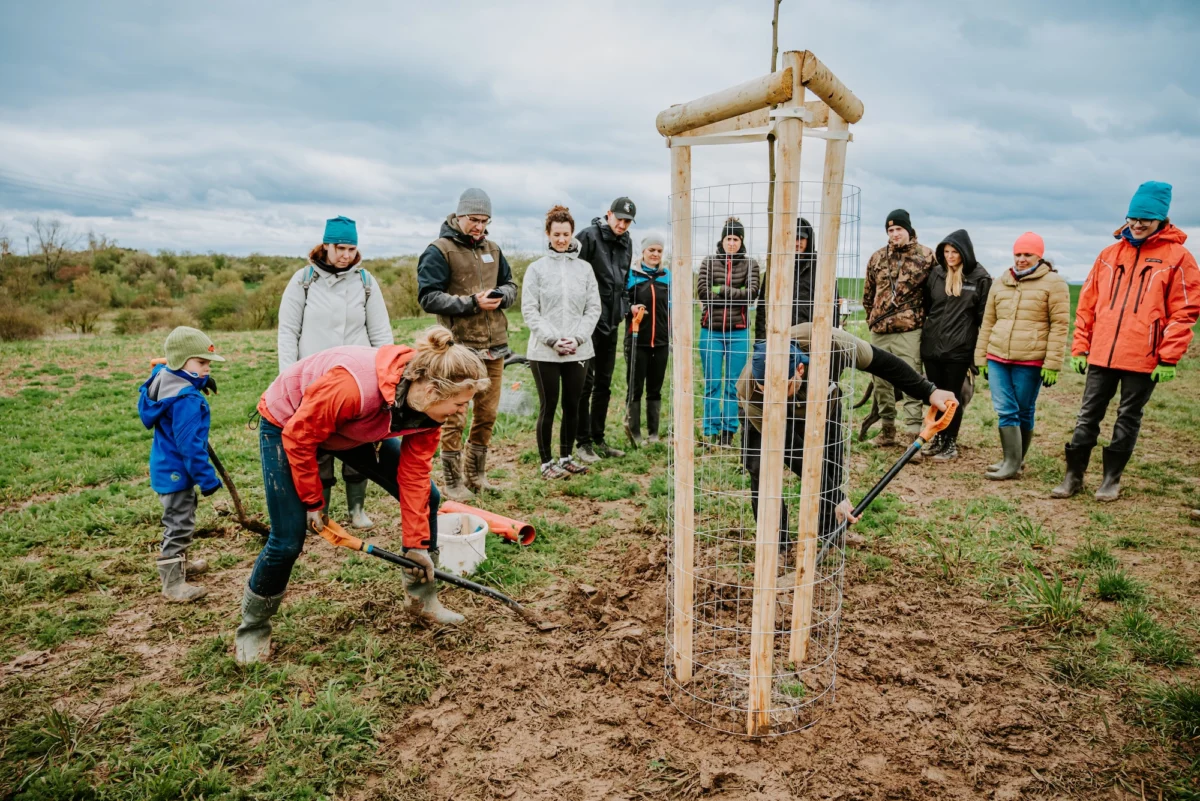
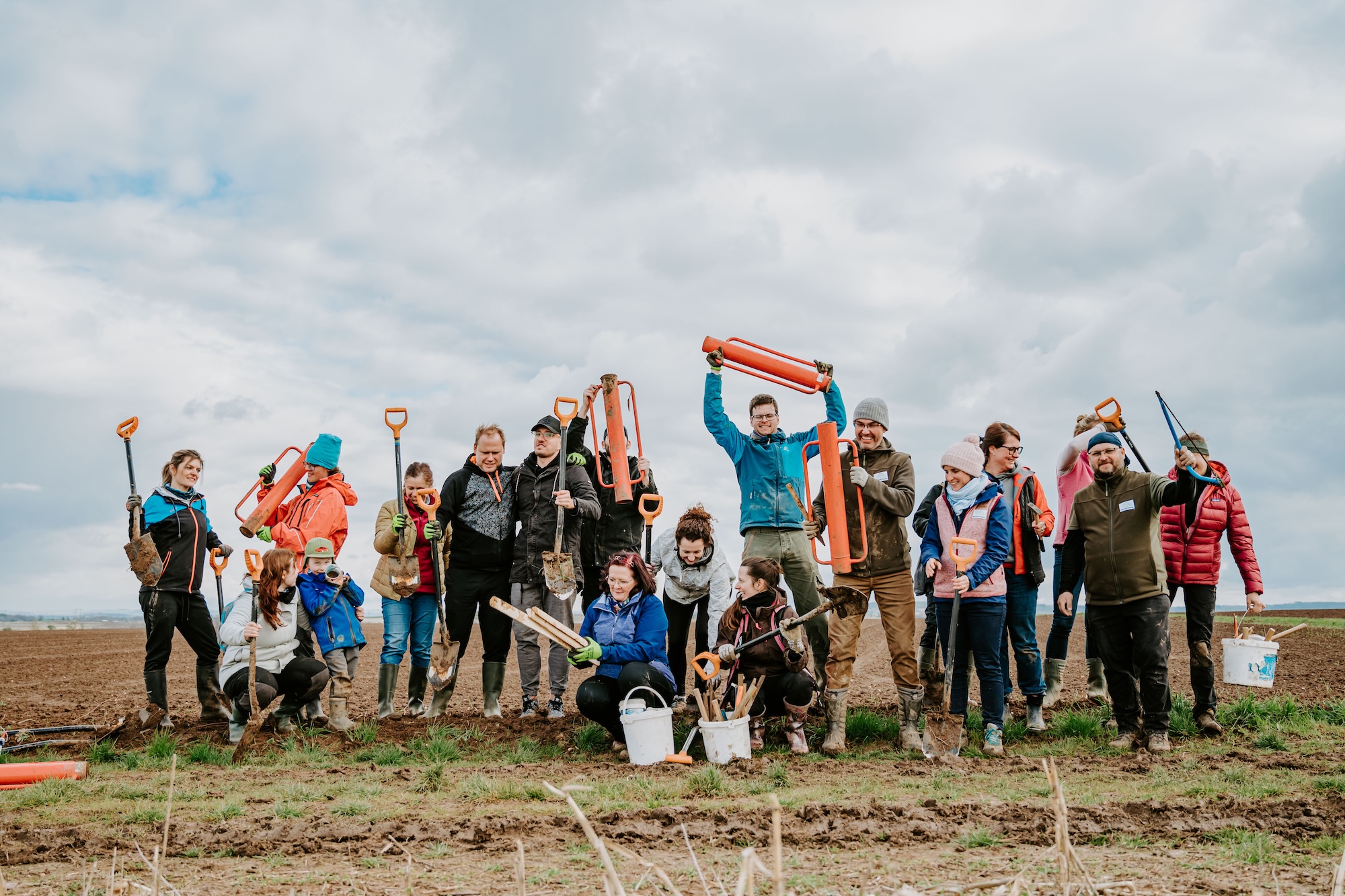
Sázíme Stromy has developed a unique model that combines environmental restoration with social cohesion. Over the past six years, the organization has planted nearly 40,000 native and fruit trees across the Czech Republic. The process involves:
- Corporate and Philanthropic Funding: Donors like the Everpure Foundation provide the capital for saplings and equipment.
- Municipal Partnership: Municipalities receive the trees as a gift and sign 10-year maintenance agreements.
- Volunteer Engagement: Local residents, municipal representatives, and corporate volunteers (including Everpure employees) participate in the planting and ongoing care of the trees.
The benefits of this initiative are multi-faceted. Beyond sequestering carbon, the new tree alleys provide shade, cool the landscape, and protect soil from wind and water erosion. They also serve as vital corridors for birds and insects, restoring biodiversity to once-sterile agricultural zones. Perhaps most importantly, the project "renews" historical paths between villages, encouraging walking and cycling and rebuilding the social fabric of rural areas.
Broader Implications and Official Responses
The dual focus on North American wetlands and European rural landscapes illustrates a broader trend in corporate social responsibility (CSR): the move toward systemic, community-led environmental investment. Julie Lata, Executive Director of the Everpure Foundation, emphasizes that nature is a "powerful partner" in climate action. By funding projects that are durable and relevant to local communities, the foundation ensures that environmental gains are maintained by those who live on the land.
The Role of Indigenous Leadership
In Minnesota, the involvement of tribal nations has been a cornerstone of the project’s success. Tribal communities have long recognized peatlands as essential sources of food, clean water, and medicinal plants. The formation of the Tribal Peatland Working Group ensures that traditional ecological knowledge is integrated with modern scientific mapping, creating a more robust framework for restoration.

Global Scalability
Carl McGuinness, Natural Climate Solutions Director for TNC, highlights that the lessons learned in Minnesota are being shared through a global network of peatland projects. From Indonesia to Patagonia and New Zealand, the methodologies developed for mapping and re-wetting are being adapted to protect some of the world’s most significant carbon sinks.
Conclusion: The Path Forward for Nature-Based Solutions
As the 2030 deadline for the Paris Agreement targets approaches, the integration of nature-based solutions into global economic strategy is no longer optional. The work of the Everpure Foundation and its partners demonstrates that climate mitigation is most effective when it is holistic—addressing carbon emissions while simultaneously restoring biodiversity and supporting human well-being.
The transition from the "industrial monoculture" of the past to the "restorative ecology" of the future requires significant capital, scientific expertise, and local engagement. By investing in the foundational systems of the Earth—the peatlands that breathe and the trees that shade—philanthropic and corporate leaders are not merely offsetting damage; they are actively rebuilding the resilience of the global ecosystem for generations to come. The success of these initiatives in Minnesota and the Czech Republic provides a scalable blueprint for how humanity can reconcile its economic activities with the limits and requirements of the natural world.
