

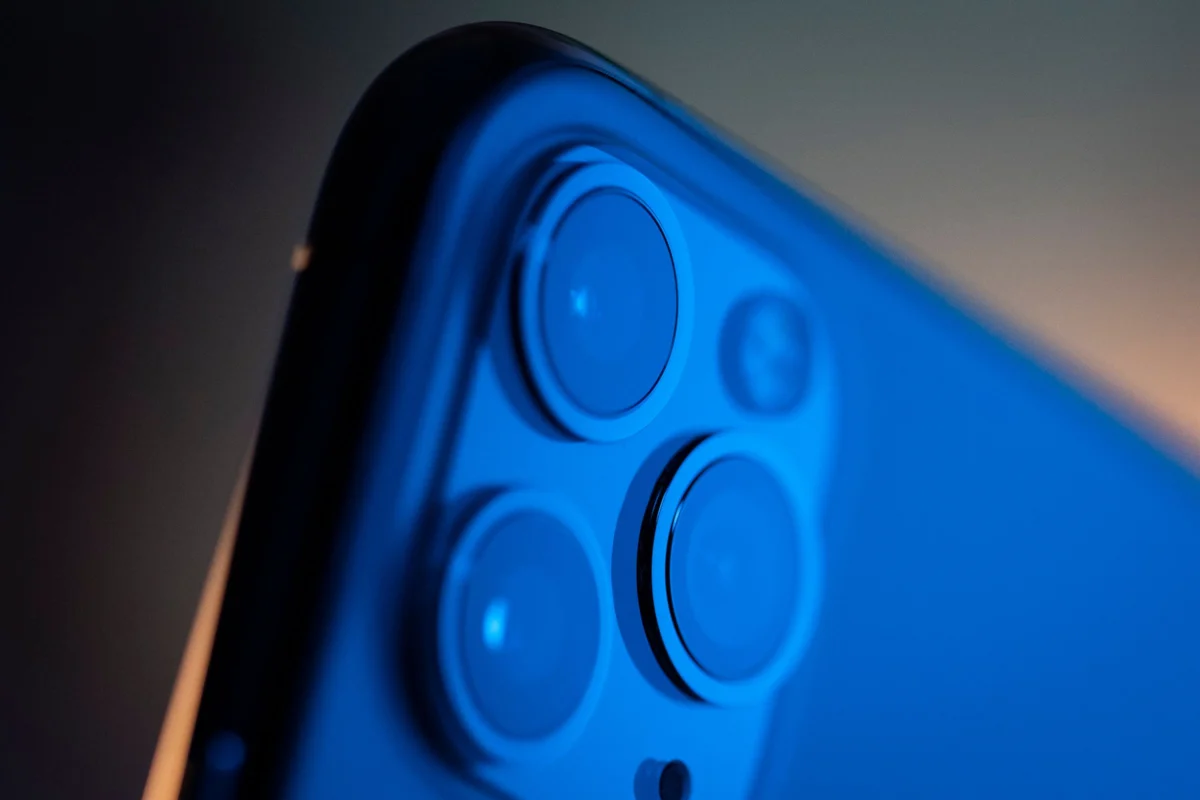
Apple’s annual Worldwide Developers Conference (WWDC) has long served as the stage for the company to unveil the future of its ecosystem, but this year’s presentation of iOS 27 carried a specific message for those not yet ready to trade in their current devices. During the developer keynote, Apple executives detailed a suite of platform stability and performance enhancements designed to breathe new life into aging hardware. The company’s claim is bold: older devices, reaching as far back as the iPhone 11 released in 2019, will experience a measurable increase in responsiveness and efficiency once the new operating system launches later this year.
This strategic focus on legacy hardware represents a cornerstone of Apple’s long-term market retention strategy. By optimizing the foundational layers of the operating system, Apple aims to ensure that the user experience remains consistent even as hardware ages, a move that distinguishes the company from many of its competitors in the mobile space.
Quantifiable Performance Gains Across Generations
The performance improvements touted for iOS 27 are not merely anecdotal; Apple provided specific metrics derived from internal testing on various iPhone models. These optimizations target the "micro-moments" of smartphone usage—actions that take fractions of a second but define the perceived speed of a device.
According to Apple’s technical data, app launches on the iPhone 11 Pro Max—a device now entering its sixth year of service—are up to 30 percent faster under iOS 27 compared to previous iterations. This improvement is particularly notable given the increasing complexity and resource demands of modern mobile applications. Furthermore, the company reported that for users of the iPhone 15, the transition from capturing a photo to viewing it in the photo library has been accelerated by up to 70 percent.
Connectivity and data management also received significant attention. AirDrop file transfers, a staple of the Apple ecosystem, are reportedly up to 80 percent faster when tested on the iPhone 16 Plus. While the newest hardware naturally benefits most from these updates, the cumulative effect of these optimizations across the entire supported lineup suggests a comprehensive overhaul of how iOS handles data throughput and background processing.
The Role of the CPU Scheduler and System Architecture
At the heart of these performance gains lies a sophisticated reorganization of the iPhone’s internal logic. Specifically, Apple’s engineering teams have focused on the CPU scheduler. In any operating system, the scheduler acts as a digital traffic controller, determining which applications and background services receive processing power at any given millisecond.
In iOS 27, Apple has migrated advanced scheduling algorithms—previously reserved for its most modern silicon—down to older chips like the A13 Bionic. This optimization ensures that the "foreground task"—the app currently being used—is prioritized with extreme precision. By managing the traffic flow of system services more efficiently, the CPU can ramp up its performance more quickly when needed and enter a low-power state more effectively when idle.
Beyond the CPU, Apple has rebuilt the underlying architecture for core system functions including Spotlight search, the Photos app, and Mail. The goal of this rebuild is to reduce the latency between a user’s query and the system’s response. For users with massive photo libraries or thousands of archived emails, this means search results should appear nearly instantaneously, reducing the "indexing" lag that often plagues older devices.
Longevity as a Market Differentiator
The decision to support the iPhone 11 into 2025 and beyond is a calculated business move that emphasizes brand value over immediate hardware sales. Francisco Jeronimo, Vice President for Data and Analytics at research firm IDC, notes that consumer behavior is shifting toward longer upgrade cycles. As the price of flagship smartphones continues to climb, consumers increasingly view these devices as long-term investments.
"This is a big differentiator between iOS and Android," Jeronimo stated. "Because consumers now know that if they buy an iOS device, it will last longer, and it will retain value at the end when they decide to upgrade."
Historically, the Android ecosystem has struggled with fragmentation and shorter support windows. While industry leaders like Google and Samsung have recently begun promising seven years of security and OS updates for their flagship models, a significant portion of the mid-range and budget Android market still loses software support after two or three years. Apple’s ability to provide a unified, high-performance experience across a six-year hardware span creates a secondary market for used iPhones that remains incredibly robust, further bolstering the brand’s premium status.

The Services Revenue Factor
Apple’s commitment to older hardware is also inextricably linked to its burgeoning Services division. In April, Apple reported that its services business—which includes the App Store, iCloud, Apple Music, Apple TV+, and Fitness+—hit an all-time revenue record of $31 billion for the quarter.
To maintain this revenue stream, Apple needs its "installed base" of users to remain active within the ecosystem. A user holding an iPhone 11 who finds the device still runs smoothly is far more likely to continue subscribing to iCloud+ or Apple One than a user whose device has become sluggish and frustrated. By extending the life of the hardware, Apple ensures that the gateway to its high-margin services remains open.
"No one will criticize them if they weren’t able to support the iPhone 11," Jeronimo observed. "But they clearly want to support all their devices because they know that means a lot in terms of brand value."
The Hardware Ceiling: Apple Intelligence
Despite the performance boosts coming to older models, iOS 27 introduces a clear divide in functionality. The most anticipated feature of the new update, "Apple Intelligence," represents a hardware-gated evolution of the platform. This suite of AI-driven tools—including a fundamentally redesigned Siri with on-screen awareness and deep app integration—requires the specialized Neural Engine found only in the iPhone 15 Pro, 15 Pro Max, and the upcoming iPhone 16 series.
Older devices like the iPhone 11 through the standard iPhone 15 will not be able to process these local AI tasks. While they will benefit from the "snappiness" of the new CPU scheduler and the improved search speeds, they will remain excluded from the generative AI features that Apple is positioning as the future of mobile computing.
This creates a two-tier experience:
- Legacy Support: Older devices receive stability, speed, and security updates, maintaining their utility as reliable communication and media tools.
- The AI Frontier: Newer devices act as the proving ground for Apple’s most ambitious software innovations.
For many users, the performance optimizations in iOS 27 will delay the need for an upgrade. However, for those seeking the "Siri AI experience" or advanced image manipulation tools, the hardware requirements of Apple Intelligence serve as the ultimate incentive to move to the latest silicon.
Chronology and Release Timeline
The rollout of iOS 27 follows Apple’s traditional release cadence, providing multiple stages for testing and refinement before the general public receives the update:
- June: Following the WWDC keynote, the developer beta of iOS 27 was made available for registered Apple developers to begin testing app compatibility and performance.
- July: A public beta is scheduled for release, allowing enthusiasts to install the software and provide feedback via the Feedback Assistant app.
- September: The final, stable version of iOS 27 is expected to launch globally, coinciding with the shipping dates of the new iPhone 16 hardware.
Throughout this period, Apple is expected to fine-tune the CPU scheduling algorithms mentioned in the keynote. Early reports from the developer beta suggest that while battery life is often inconsistent in early builds, the promised "responsiveness" is already visible in system animations and multitasking transitions on older handsets.
Strategic Implications and Environmental Impact
Beyond the financial and technical aspects, Apple’s focus on longevity carries significant environmental implications. By extending the functional life of a device from three years to six or seven, Apple effectively reduces the per-year carbon footprint of the hardware. This aligns with the company’s "Apple 2030" goal of becoming carbon neutral across its entire business and product life cycle.
In conclusion, iOS 27 represents a dual-track strategy. It rewards the loyalty of long-term users by ensuring their aging iPhones remain fast and functional, thereby protecting the brand’s reputation for quality and sustaining services revenue. Simultaneously, it draws a firm line in the sand regarding artificial intelligence, signaling that while the past is supported, the future requires the computational power of modern Apple silicon. For the owner of an iPhone 11, the message is clear: your phone isn’t obsolete yet, but the horizon of what a smartphone can do is moving rapidly beyond the reach of 2019 hardware.
