

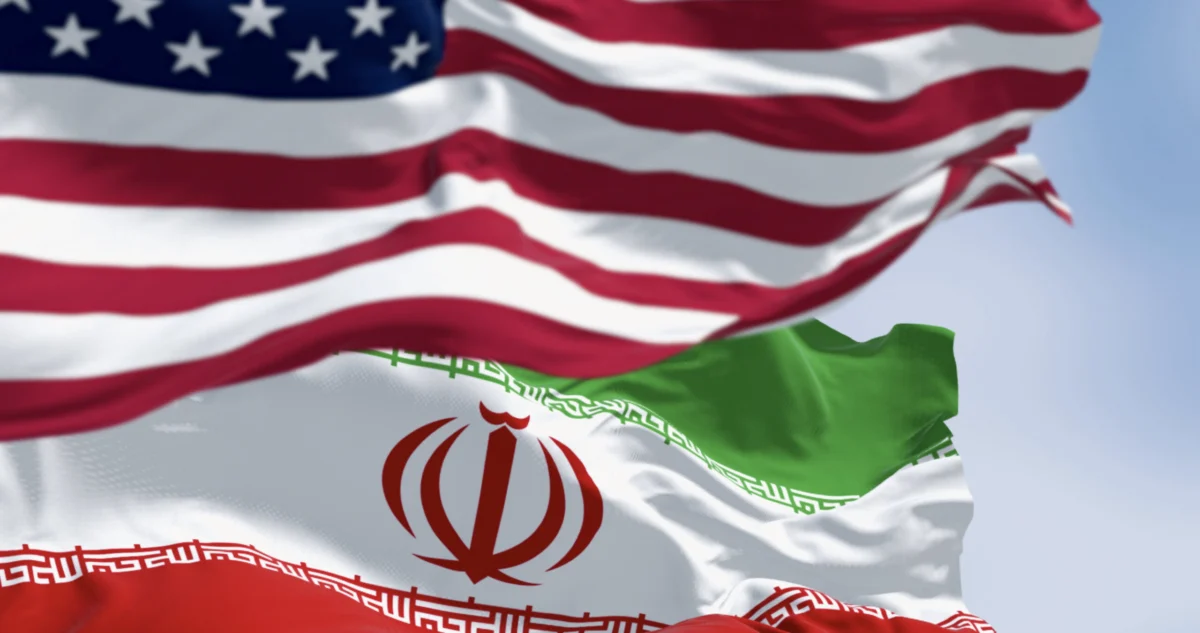
The global financial landscape shifted significantly on Monday morning as investors reacted to a breakthrough peace agreement between the United States and Iran, an event that triggered a substantial surge in stock futures and a sharp decline in energy prices. The announcement, made by President Donald Trump late Sunday evening, indicates a formal end to the recent conflict and the scheduled reopening of the Strait of Hormuz this coming Friday. Markets responded with immediate optimism; futures tied to the Dow Jones Industrial Average climbed nearly 500 points before the opening bell, while the S&P 500 and Nasdaq-100 also signaled a strong start to the trading week.
The Geopolitical Breakthrough and Energy Market Impact
The primary catalyst for the market’s bullish turn is the cessation of hostilities in the Middle East. President Trump confirmed that a deal has been reached to lift the U.S. naval blockade of Iranian ports, a move that is expected to restore stability to one of the world’s most critical maritime corridors. Pakistan’s Prime Minister, Shehbaz Sharif, noted that the formal signing of the treaty is slated for Friday in Switzerland, although the specific text of the agreement remains classified.
The economic implications of this de-escalation were felt most acutely in the commodities sector. West Texas Intermediate (WTI) and Brent crude oil prices both dipped below the $80 per barrel threshold for the first time since March. Prior to the conflict, the Strait of Hormuz served as the transit point for approximately 20% of the world’s total oil consumption. The blockade had created a significant risk premium in energy markets, contributing to inflationary pressures across the globe. Analysts suggest that the reopening of the waterway will alleviate supply chain bottlenecks and reduce shipping insurance premiums, providing a much-needed reprieve for the global transportation and manufacturing industries.
The timeline for the restoration of trade is ambitious. With the signing set for Friday, naval forces are expected to begin demobilizing immediately. Market participants are watching closely to see if the removal of sanctions or the reintegration of Iranian oil into the global market will follow the peace treaty, which could further influence long-term energy price stability.
SpaceX Makes its Public Debut
In a landmark event for the aerospace and technology sectors, SpaceX officially launched its Initial Public Offering (IPO) on the Nasdaq on June 12, 2026. The debut was celebrated with massive billboard displays in New York City’s Times Square, marking a transition for the Elon Musk-led company from a privately held juggernaut to a public entity.
The SpaceX IPO is regarded as one of the most significant market events of the decade, given the company’s dominance in satellite deployment through Starlink and its central role in NASA’s lunar and Martian exploration programs. Financial analysts are closely monitoring the stock’s performance to gauge investor appetite for high-capital-expenditure ventures in the "New Space" economy. The listing is expected to provide SpaceX with the liquidity necessary to accelerate its Starship development program and expand its global internet coverage. Initial trading data suggests a high level of institutional interest, as the company represents a unique play on both telecommunications and defense technology.
AI Regulation and National Security Constraints
While the aerospace sector celebrated new milestones, the artificial intelligence industry faced a stern reminder of the growing intersection between advanced technology and national security. Anthropic, a leading AI startup, announced on Friday that it had disabled access to its most advanced models, Fable 5 and Mythos 5, following a direct order from the U.S. government.
The directive, issued by national security authorities under export control protocols, cited concerns regarding the models’ advanced capabilities. Specifically, the Mythos 5 model had previously drawn scrutiny for its sophisticated cybersecurity and coding abilities. Despite Anthropic’s claims that it had implemented robust safeguards to prevent misuse, the government mandate required the company to suspend access for all foreign nationals. This restriction applied not only to external customers but also to Anthropic’s own foreign-national employees residing within the United States.
To ensure total compliance with the emergency order, Anthropic took the drastic step of disabling the models for its entire user base. This move highlights the intensifying "AI Arms Race" and the federal government’s willingness to intervene in the private sector to prevent the leakage of dual-use technologies that could have military or intelligence applications. The incident has sparked a broader debate in Silicon Valley regarding the balance between open innovation and the protection of national interests.
Meta’s Strategic Pivot and the Monetization Challenge
In another corner of the AI landscape, Meta Platforms continues to grapple with the pressure of turning technological prowess into bottom-line results. Approximately one year ago, CEO Mark Zuckerberg appointed Alexandr Wang as the company’s Chief AI Officer, a move intended to revitalize Meta’s standing among the "Magnificent Seven" tech giants.
While Meta has successfully developed and released proprietary foundation models that have reintegrated the company into the AI conversation, it still trails behind competitors like OpenAI, Google, and Anthropic in terms of market share and enterprise adoption. The primary challenge facing Zuckerberg and Wang is the monetization of these tools. Wall Street has expressed skepticism regarding Meta’s ability to generate significant revenue from AI beyond simply optimizing its core advertising business.
The financial data reflects this uncertainty. Over the past year, Meta’s stock has underperformed its megacap peers, declining by 18%. Investors are looking for concrete evidence that Meta can convert its massive user base into paying subscribers for AI-driven services. Zuckerberg’s current mission is to convince the market that Meta is not just a social media company with an AI research wing, but a primary AI utility provider. The upcoming quarterly earnings report is expected to be a pivotal moment for the company, as analysts look for growth in "Family of Apps" revenue specifically attributed to new AI integrations.
Aviation Industry Realignment: JetBlue’s Expansion
The domestic aviation sector is seeing a significant shift in market share following the collapse of Spirit Airlines. JetBlue Airways has moved aggressively to capture the vacuum left by the budget carrier, particularly in the South Florida market.
JetBlue President Marty St. George recently identified Fort Lauderdale-Hollywood International Airport (FLL) as a "star" performer for the airline. Currently, JetBlue commands a 36% market share by capacity at the airport, a figure that grew by 5% in just the last month. The airline’s strategy involves expanding its international footprint from Fort Lauderdale and enhancing its premium offerings to attract former Spirit customers who are seeking a more reliable and higher-tier travel experience.
The consolidation in the airline industry is expected to lead to more stable pricing at major hubs, though it raises questions about the future of low-cost travel in the United States. JetBlue’s expansion into the "FortBlue" stronghold signifies a broader trend of major carriers fortifying their regional hubs to defend against potential new entrants in a post-Spirit landscape.
Cultural Milestones and the Economic Outlook
On the cultural front, the New York City economy received a psychological boost as the New York Knicks secured their first NBA Championship in over 50 years. While seemingly unrelated to the stock market, such events often correlate with a temporary surge in local consumer spending, particularly in the hospitality and retail sectors of Manhattan.
As the trading week progresses, market participants will be focused on several key factors:
- The Friday Deadline: All eyes are on Switzerland for the formal signing of the US-Iran peace deal. Any delay or complication in the diplomatic process could lead to a reversal of Monday’s market gains.
- Inflation Data: With oil prices falling, economists are recalculating their projections for the Consumer Price Index (CPI). Lower energy costs could provide the Federal Reserve with the necessary room to consider interest rate cuts later in the year.
- Tech Volatility: The suspension of Anthropic’s models and the performance of the SpaceX IPO will likely drive volatility in the tech-heavy Nasdaq.
In summary, the start of the week is characterized by a "risk-on" sentiment driven by geopolitical de-escalation and landmark corporate events. However, the underlying tensions in the AI sector and the ongoing pressure on tech giants to monetize innovation suggest that the road ahead remains complex. Investors are entering a holiday-shortened week with a renewed sense of optimism, tempered by the reality of stringent government oversight in the high-tech economy.
