

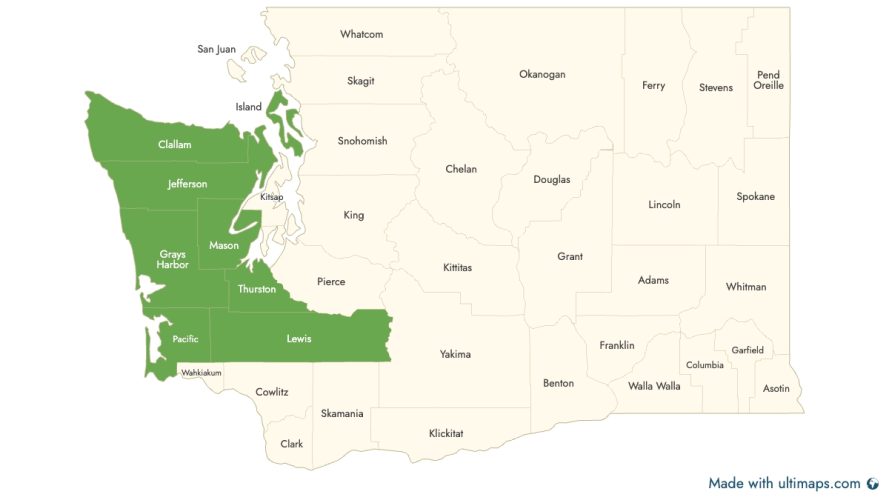
Across the rugged landscape of Western Washington, a quiet revolution in public mobility is fundamentally altering how residents navigate the distance between rural outposts and urban centers. In a region where the cost of living and fuel prices have placed an increasing strain on household budgets, a growing coalition of counties has opted to eliminate transit fares entirely. This shift, driven by a combination of legislative foresight, local tax initiatives, and a pragmatic assessment of administrative costs, has made it possible to travel hundreds of miles across the state for little more than the cost of a few transfers. Today, eight Western Washington counties—Clallam, Grays Harbor, Island, Jefferson, Lewis, Mason, Pacific, and Thurston—operate zero-fare transit systems, creating a contiguous corridor of accessible transportation that serves as a national model for rural connectivity.
The Economic Paradox of Fare Collection
For many years, the standard operating procedure for transit agencies involved a "farebox recovery" model, where a portion of the operating budget was expected to be generated through passenger tickets. However, in rural and mid-sized municipalities, this model often proved more burdensome than beneficial. Don Chartock, the director of the Public Transportation Division at the Washington State Department of Transportation (WSDOT), notes that in areas with low population density, the infrastructure required to collect, secure, and account for fares often outweighs the actual revenue generated.
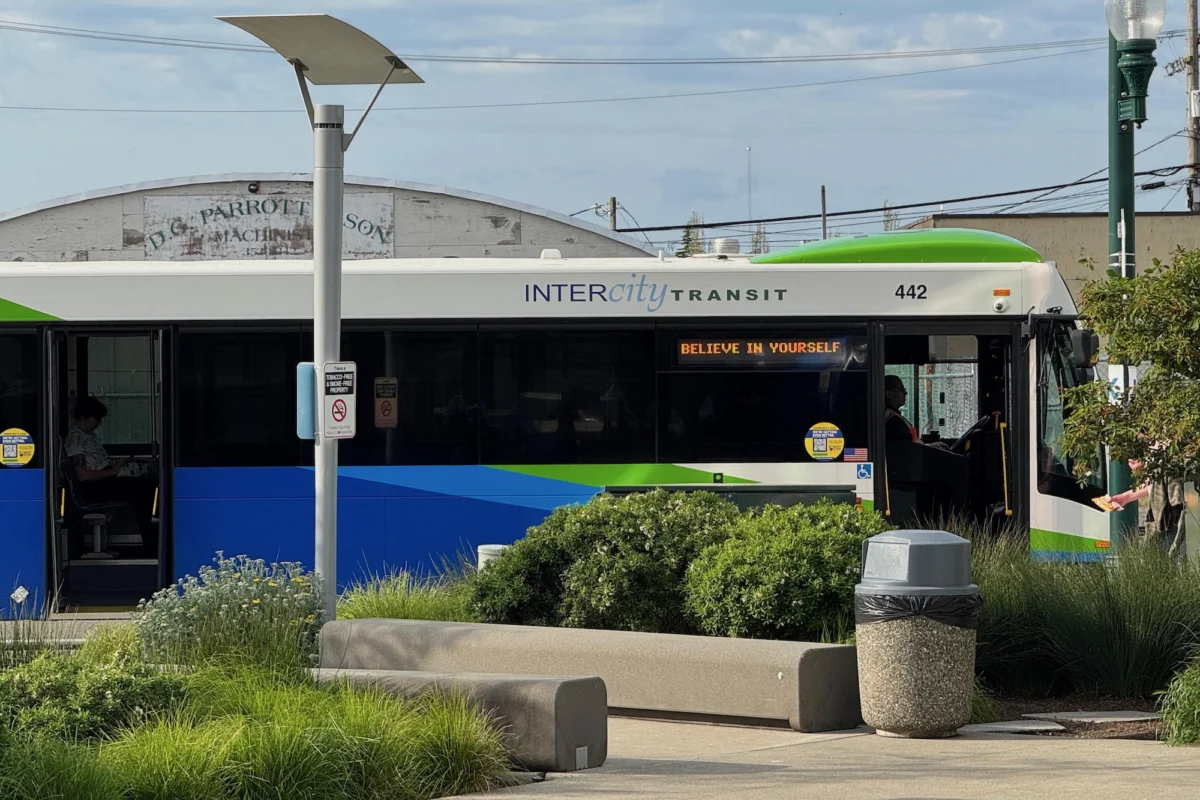
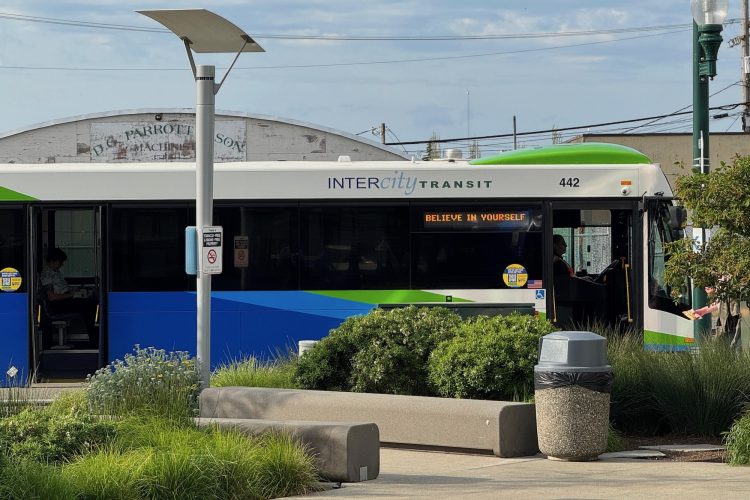
Thurston County, home to the state capital of Olympia and the Intercity Transit agency, serves as the most prominent example of this economic realization. In 2018, the county’s residents voted to approve a 0.4 percent sales tax increase specifically earmarked for public transportation improvements. When officials began researching how to modernize their fare collection system—a project estimated to cost $7 million—they discovered a startling statistic: farebox recovery accounted for only 2 to 3 percent of the agency’s total revenue.
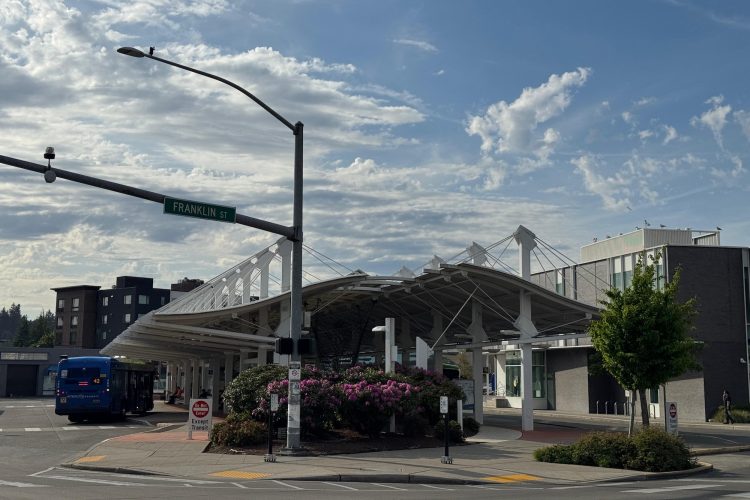
Nick Demerice, the communications and outreach officer for Intercity Transit, explained that the agency faced a choice between spending millions to update a system that yielded negligible returns or eliminating fares altogether to streamline operations. By choosing the latter, Intercity Transit transitioned to a zero-fare model at the start of 2020. This move effectively turned the Olympia Transit Center into a fare-free hub, allowing seamless connections for riders arriving from neighboring rural counties like Mason and Grays Harbor.
Legislative Catalysts: Move Ahead Washington
The expansion of zero-fare programs received a significant boost from state-level policy in 2022 with the passage of the "Move Ahead Washington" funding package. This 16-year, $16.9 billion transportation investment dedicated roughly $3 billion toward public transit, with a specific focus on climate change mitigation and equity. A key provision of this legislation offered substantial grants to transit agencies on the condition that they provide free rides to all passengers under the age of 18.
For agencies like Grays Harbor Transit, which serves a coastal population defined by its maritime and timber history, these state grants provided the final piece of the financial puzzle. Eric Lint, a communications specialist at Grays Harbor Transit, noted that because their farebox recovery was already modest, the influx of state funds was roughly equivalent to what they were previously collecting from passengers. By leveraging these state grants alongside Federal Transit Administration (FTA) Section 5310 funds—which support enhanced mobility for seniors and individuals with disabilities—Grays Harbor was able to extend the zero-fare policy to all riders, regardless of age.
A Chronology of the Zero-Fare Shift
The transition to zero-fare transit in Western Washington did not happen overnight but rather through a decade of incremental policy shifts:
- 2010–2017: Early adoption in smaller counties like Island County, which has historically operated without fares, proving the viability of the model in isolated or island communities.
- 2018: Thurston County voters approve Proposition 1, a sales tax increase that provides the fiscal foundation for Intercity Transit’s expansion.
- 2020: Intercity Transit (Thurston County) officially launches its zero-fare program in January, just before the global pandemic underscores the importance of public transit for essential workers.
- 2022: The Washington State Legislature passes "Move Ahead Washington," incentivizing youth-free fares across the state and providing the budgetary surplus needed for rural counties to eliminate all fares.
- 2023–2024: Counties like Grays Harbor and Lewis County solidify their zero-fare status, integrating microtransit and on-demand services into the free-to-ride framework.
Operational Safety and Employee Retention
Beyond the financial and social benefits, transit officials have observed a marked improvement in the daily operations of the bus systems. Fare disputes have long been cited as a primary catalyst for conflict between passengers and drivers. According to national transit data, disagreements over payment are among the leading causes of operator assaults.
By removing the "barrier of the farebox," agencies have reported a decrease in on-board tension. Robert Andrews, a veteran bus driver who now trains operators in Thurston County, observed that while the transition required a shift in mindset for long-term employees, the reduction in daily stress has been palpable. "It’s one less friction point," Andrews noted. This environment has contributed to higher employee retention rates at a time when many transit agencies across the United States are struggling with severe driver shortages.
Furthermore, boarding times have decreased significantly. In a traditional system, the "dwell time" at each stop increases as passengers fumble for exact change or wait for fare cards to process. In a zero-fare system, passengers board through all available doors, allowing buses to maintain tighter schedules and improve overall system reliability.
Microtransit and Addressing the "Last Mile" Challenge
In the most rural corridors of Western Washington, traditional fixed-route bus service is often impractical. To address this, counties like Grays Harbor have introduced "microtransit" solutions—on-demand, app-based ride services that function similarly to commercial ride-sharing but are integrated into the public transit network.
The "HarborFlex" system in Grays Harbor County utilizes vans and SUVs to provide point-to-point transportation within specific rural zones. Like the larger buses, these services are fare-free. This has proven vital for the region’s aging population, who use the service for essential trips to grocery stores, medical appointments, and community centers.
The efficacy of this interconnected network was tested in 2024 when a dialysis center in Grays Harbor County was forced to close for maintenance. For 29 patients, the closure was a life-threatening crisis, as the nearest alternative clinics were 50 miles away in Olympia. Through a coordinated effort, Grays Harbor Transit and Mason Transit utilized their flexible fleets to transport these patients across county lines daily, ensuring no one missed a life-sustaining treatment. This level of inter-agency cooperation was facilitated by the lack of bureaucratic hurdles associated with fare transfers and payment coordination.
Socioeconomic Impacts and Demographic Necessity
The demographic profile of rural Western Washington highlights the necessity of these programs. The median household income in these rural areas is consistently lower than in the Seattle metropolitan area, and the percentage of seniors is significantly higher, often approaching 20 percent of the population. In counties where basic services like healthcare and education are not within walking distance, the lack of a personal vehicle can lead to profound social isolation and economic stagnation.
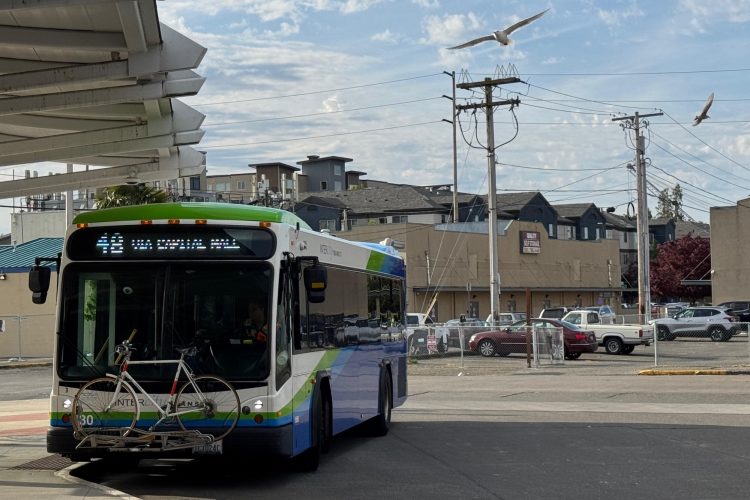
Ridership data suggests that the zero-fare policy is having the intended effect. According to the National Transit Database, ridership per capita in Southwest Washington exceeds the national average for rural regions. This correlates with a 2026 global review of research on free transit, which found that the elimination of fares not only increases ridership but also encourages social connectivity and physical activity among marginalized populations.
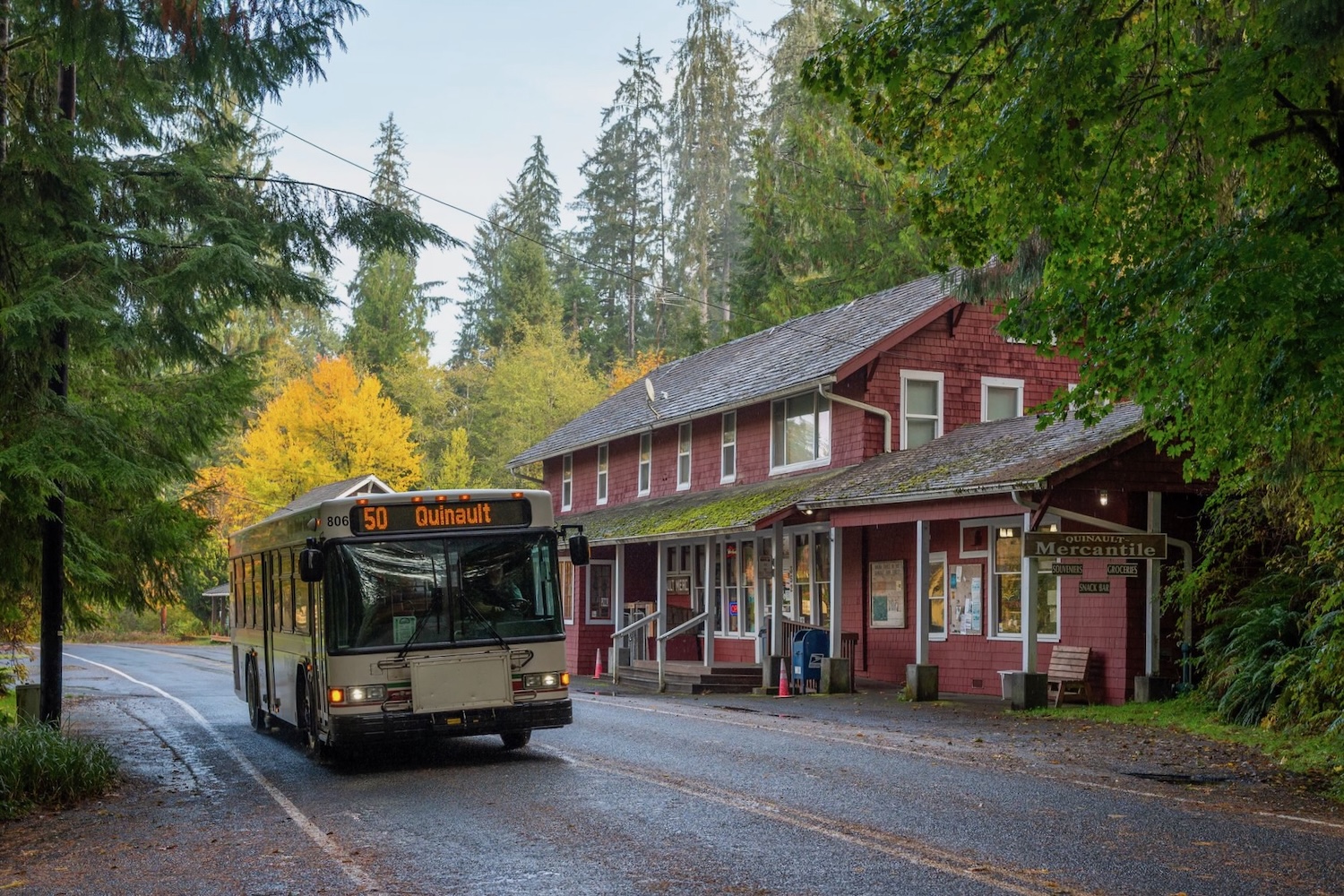
However, challenges remain. In tribal lands, such as the Quinault Indian Reservation, the issue is often not the cost of the ride, but the frequency of the service. In the village of Taholah, residents report that while the bus is free, it does not run often enough to meet the needs of those working non-traditional hours or those with urgent medical needs. WSDOT continues to work with regional planning organizations to address these "transit deserts" where infrastructure has yet to catch up with the zero-fare policy.
Fiscal Sustainability and the Road Ahead
The long-term viability of zero-fare transit in Washington remains tied to the health of the local economy. Because these systems are primarily funded through sales tax, they are vulnerable to economic downturns. In Thurston County, the zero-fare program is currently authorized through 2028, at which point it will undergo a comprehensive review. In Grays Harbor, the policy must be re-approved annually by the board of directors.

Despite these uncertainties, the momentum behind the movement is strong. As gas prices remain volatile—influenced by international conflicts and shifting energy markets—the public demand for affordable alternatives to driving continues to grow. For residents like Mike Holbein, a chef in Olympia who has used the system for two decades, the program is more than just a convenience; it is a necessary hedge against inflation. "Everything has gone up in cost so much," Holbein said. "Adding another $2.50 or $3 to our daily transit… it would be impactful for people who have to ride the bus every single day."
As other states look for ways to reduce carbon emissions and support rural economies, the "Washington Model" offers a compelling case study. By prioritizing accessibility over marginal revenue, these counties have demonstrated that public transit can be treated as a public good—much like libraries or parks—rather than a fee-for-service business. For the transit agencies of Western Washington, the goal remains clear: to ensure that the ability to move freely across the region is a right, not a privilege reserved for those who can afford the fare.
