

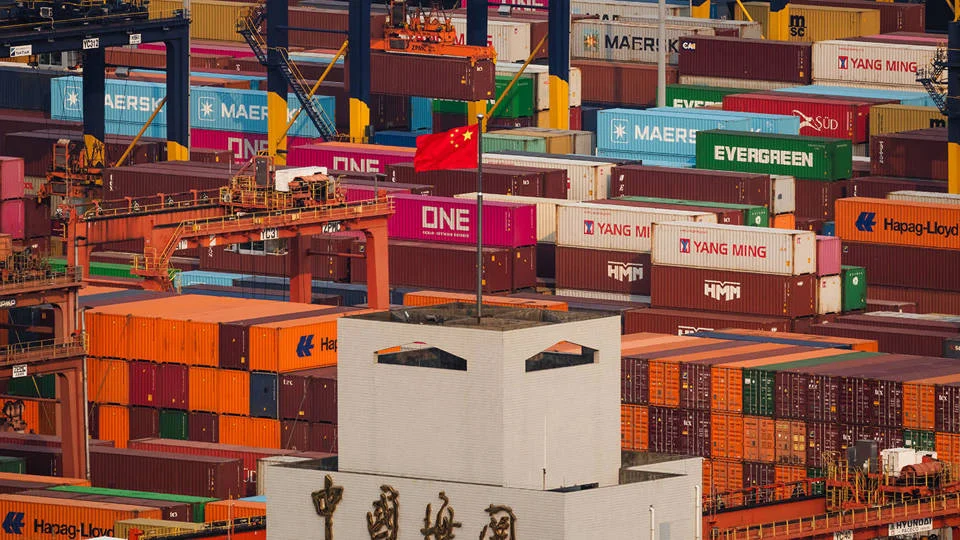
China’s unprecedented surge in trade surpluses, reaching historic highs in the past year with continued export growth, has ignited a vigorous debate among economists and policymakers worldwide. The sheer magnitude of this economic phenomenon raises critical questions about its implications for the global economy and the most effective strategies to address it. While some economists advocate for protectionist measures as leverage to encourage China’s economic rebalancing, others contend that tariffs are an ineffective tool, and a significant portion believes the anxieties surrounding another "China shock" are overblown, positing that these surpluses ultimately offer more benefits than detriments. This divergence of opinion underscores the complexity of navigating China’s evolving role in the international economic landscape.
The Shifting Tides of Global Trade: A Growing Chinese Surplus
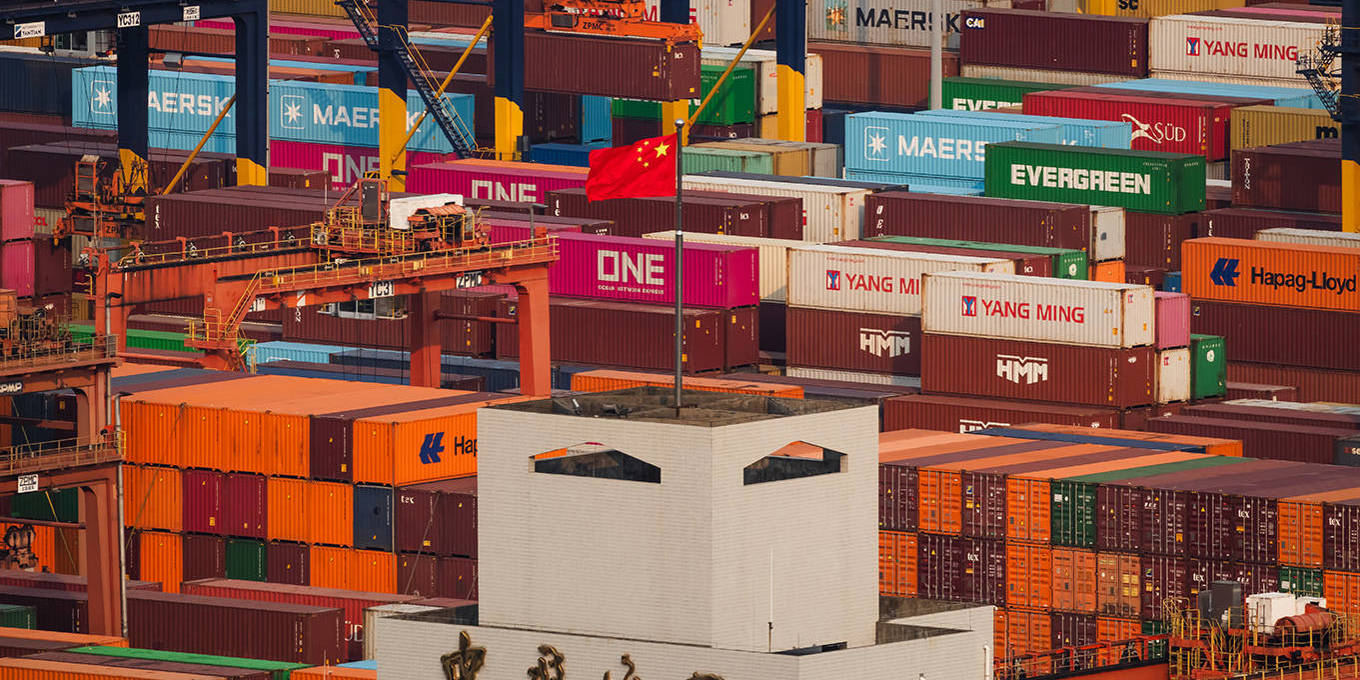
The latest economic data reveals a stark reality: China has achieved the largest trade surplus in its history. This achievement, recorded in the preceding year, is not an isolated event but rather part of an ongoing trend of robust export performance. The figures underscore China’s deepening integration into the global supply chain and its increasing competitiveness in international markets. However, this economic success story for China has become a focal point of international concern, prompting a multifaceted discussion on its potential ramifications. The core of the debate lies in understanding whether this surplus represents a sustainable economic model or a destabilizing force.
Decades of Economic Transformation: A Brief Chronology
China’s ascent to becoming a global manufacturing powerhouse has been a remarkable journey spanning several decades. Following its "reform and opening up" policy initiated in the late 1970s, China began a strategic transition from a centrally planned economy to a more market-oriented system. This liberalization attracted significant foreign investment, particularly in manufacturing, driven by lower labor costs and a vast domestic market.

- 1980s-1990s: China’s economy experienced rapid industrialization, largely focused on producing goods for export. The country began to accumulate foreign exchange reserves as its trade balance shifted from deficit to surplus.
- Early 2000s: China’s accession to the World Trade Organization (WTO) in 2001 further accelerated its integration into the global economy. This period saw a dramatic increase in both exports and imports, solidifying China’s position as the "world’s factory." Trade surpluses began to widen significantly.
- 2010s: While global economic conditions fluctuated, China’s trade surpluses continued to grow. Concerns about trade imbalances, intellectual property rights, and currency manipulation began to surface more prominently among trading partners, particularly the United States. The concept of a "China shock," referring to the disruptive impact of China’s export boom on developed economies, gained traction.
- Late 2010s-Present: The trade landscape became increasingly complex with the imposition of tariffs and trade disputes, notably between the US and China. Despite these tensions, China’s export sector has demonstrated resilience, leading to the record-breaking surplus observed recently. This period has also seen a growing emphasis on China’s domestic consumption and technological advancement, suggesting a potential shift in its economic strategy.
The Anatomy of the Surplus: Data and Drivers
The record-breaking trade surplus is a testament to several interconnected factors. China’s manufacturing sector has benefited from a highly developed industrial ecosystem, access to raw materials, and a skilled, albeit increasingly expensive, labor force. Furthermore, investments in infrastructure and technology have enhanced productivity and efficiency.
While the exact composition of the surplus is multifaceted, key export categories that have contributed significantly include electronics, machinery, textiles, and consumer goods. These products are in high demand globally, and Chinese manufacturers have proven adept at producing them at competitive prices. On the import side, China continues to rely on certain commodities and advanced technologies, but the overall value of its exports has outpaced its imports by a substantial margin.

For instance, in 2023, China’s trade surplus with the United States alone reached hundreds of billions of dollars, a persistent imbalance that has been a source of ongoing friction. Globally, the surplus reflects a broader pattern of China’s increasing share in various international markets. The International Monetary Fund (IMF) and the World Bank have consistently highlighted these trade imbalances as significant global economic challenges that require coordinated international efforts.
Divergent Prescriptions: Protectionism vs. Engagement
The question of how to respond to China’s substantial trade surpluses has led to a spectrum of economic philosophies and policy proposals.

-
Advocates for Protectionist Measures: This camp argues that tariffs and other trade barriers are necessary tools to exert pressure on China to address its trade practices. The rationale is that such measures can help rebalance trade flows, encourage China to boost domestic consumption, and protect domestic industries from what they perceive as unfair competition. Proponents often cite the need for reciprocity in trade relations and argue that China has not fully adhered to the spirit of free trade principles despite its WTO membership. They may point to past instances where trade actions have led to concessions from other nations.
-
Skeptics of Tariffs: Conversely, a significant segment of economists argues that tariffs are not only ineffective but can also be counterproductive. They contend that tariffs often lead to retaliatory measures, increasing costs for consumers and businesses in both countries. Furthermore, they argue that tariffs do little to address the underlying structural issues that drive China’s export competitiveness, such as its high savings rate and industrial policies. These economists often advocate for a more nuanced approach that focuses on international cooperation and dialogue.
-
The "China Shock" as a Bogeyman: A third perspective suggests that the fears surrounding another "China shock" are exaggerated. This view posits that while China’s economic rise has undoubtedly had an impact, its trade surpluses often contribute positively to the global economy. By providing affordable goods and absorbing raw materials, China’s export engine can help to keep inflation in check and support economic growth in importing countries. Moreover, as China’s domestic economy matures and its middle class expands, its role as a consumer market will become increasingly significant, potentially rebalancing global trade dynamics. This perspective often highlights the benefits of global supply chains and the efficiencies they create.

Implications for the Global Economic Order
The persistent and growing trade surpluses of China have profound implications for the global economic order.
- Global Imbalances: These surpluses contribute to significant global current-account imbalances, where some countries consistently run large deficits while others, like China, run large surpluses. This can lead to currency volatility and financial instability.
- Trade Tensions and Geopolitics: The issue of trade imbalances is deeply intertwined with geopolitical considerations. Disputes over trade practices can spill over into broader diplomatic and strategic rivalries, impacting international relations.
- Structural Adjustments: For countries running trade deficits, sustained imbalances necessitate structural adjustments, which can involve painful economic reforms, industrial policy shifts, and efforts to enhance competitiveness.
- The Future of Globalization: The debate over China’s surpluses also touches upon the future of globalization itself. It raises questions about the sustainability of current trade models and the need for a more equitable and balanced global economic system.
Looking Ahead: Navigating a Complex Landscape

The economic reality of China’s record trade surpluses presents a formidable challenge for global economic management. The lack of consensus on the appropriate response underscores the complexity of the situation. While protectionist sentiment may offer short-term political appeal, economists widely agree that long-term solutions will likely require a combination of strategies. These could include fostering greater domestic demand in surplus economies, promoting fair competition and adherence to international trade rules, and encouraging international cooperation to manage global imbalances. The ongoing dialogue, informed by rigorous analysis and data, will be crucial in shaping a more stable and prosperous global economic future. The world watches to see how the intricate dance between China’s economic might and the concerns of its trading partners will unfold.
