

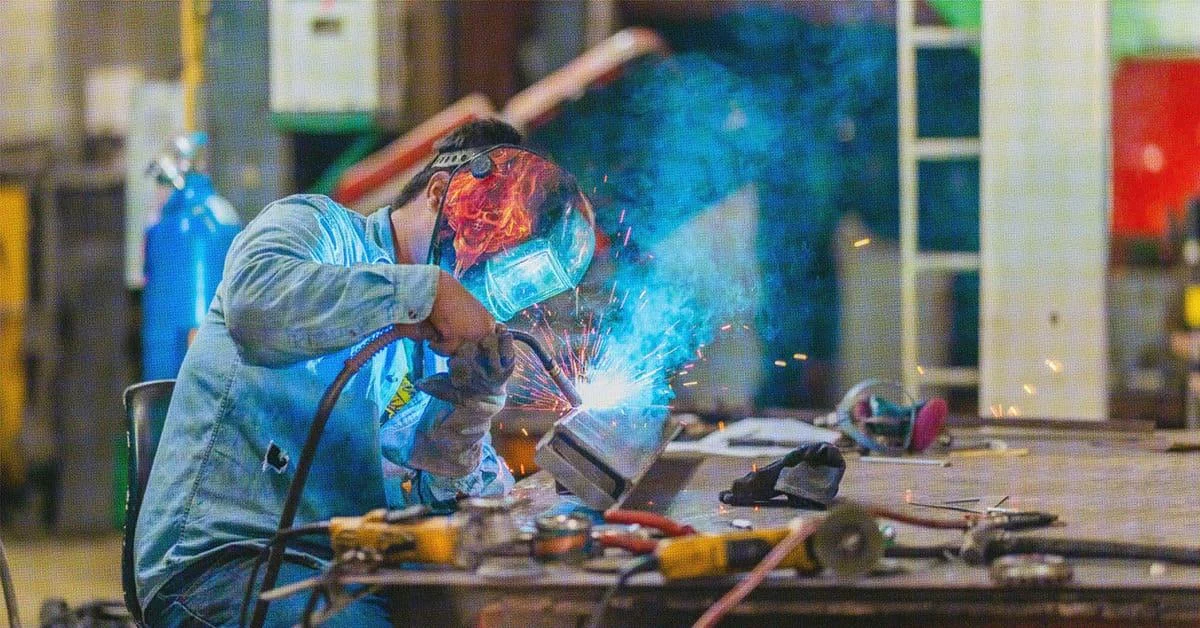
The recent inclusion of welding fumes on California’s Proposition 65 list represents a significant paradigm shift for compliance professionals, moving beyond traditional product-centric checklists to a more dynamic, organizationally integrated approach to risk management. This designation, which took effect in July, alongside the addition of three prescription pharmaceuticals, underscores the growing regulatory focus on process-generated exposures, prompting a re-evaluation of how organizations identify, track, and mitigate chemical risks.
Neeta Verma, an environmental compliance professional, emphasizes that the practical implication of these new designations, both within California and internationally, is not merely an added administrative burden. Instead, it fundamentally redefines where compliance responsibilities reside within an organization. "For compliance teams," Verma explains, "if you’re just looking into a bill of materials, you’re running on fumes." This statement encapsulates the core challenge: traditional compliance models, heavily reliant on static product ingredient lists, are ill-equipped to address risks that arise from dynamic operational processes.
Background: Proposition 65 and the Evolving Regulatory Landscape
California’s Proposition 65, officially known as the Safe Drinking Water and Toxic Enforcement Act of 1986, requires the state to publish a list of chemicals that are known to cause cancer, birth defects, or other reproductive harm. Businesses operating in California are then obligated to provide "clear and reasonable" warnings before knowingly and intentionally exposing individuals to these listed chemicals. The list is dynamic, with chemicals added periodically based on scientific evidence and regulatory review.
The addition of welding fumes to this list in July by the Office of Environmental Health Hazard Assessment (OEHHA) was not an isolated event. It followed a comprehensive study published by the International Agency for Research on Cancer (IARC), which classified welding fumes as carcinogenic to humans. This scientific consensus provided the impetus for regulatory action, signaling a broader international trend toward stricter controls on occupational exposures to hazardous substances.
The Bill of Materials Blind Spot: A Critical Examination
Historically, most product compliance programs, including those for Proposition 65, have operated on a periodic review cycle. This typically involves:
- Pulling the Bill of Materials (BOM): Identifying all components and raw materials used in a product.
- Cross-referencing with Chemical Lists: Checking the BOM against regulatory lists of prohibited or restricted substances.
- Gathering Supplier Declarations: Obtaining assurances from suppliers regarding the composition of their materials.
- Sign-off and Periodic Revisit: Approving the product’s compliance status and scheduling a review for the next product update or regulatory list change.
This model is effective when the chemical of concern is a direct ingredient, a substance that can be reliably tested for, documented, or engineered out of a product’s composition. However, welding fumes present a fundamentally different challenge. They are not an ingredient intentionally added to a product. Instead, they are a byproduct of a manufacturing or repair process.
The Process-Generated Exposure Conundrum
The OEHHA’s listing of welding fumes through Proposition 65’s Labor Code mechanism highlights their classification as a "process-generated exposure." This means that the risk is not inherent in the materials themselves but arises from the activity of welding. This distinction has profound implications for compliance:
- Dynamic Nature of Exposure: Welding activities can occur in various locations and under differing conditions. A product’s BOM may remain static, but the welding processes employed during its manufacture, assembly, repair, or even field servicing can change. For instance, a production line might shift to a facility with different welding equipment or techniques. A supplier might subcontract fabrication work, introducing new welding processes that are not reflected in their material declarations. Field service teams might perform welding operations that were not part of the original product design or manufacturing plan.
- Information Silos Across Organizations: The information critical for assessing welding fume exposure is often fragmented across different departments. Engineering teams understand manufacturing and repair processes. Environmental Health and Safety (EHS) departments possess expertise in exposure monitoring and control measures. Product stewardship professionals have a holistic view of a product’s lifecycle. Supply chain managers are aware of outsourced fabrication and service activities. However, traditional product compliance databases are often not designed to integrate this diverse information.
- Absence of a "No Significant Risk Level" (NSRL): A significant challenge posed by the welding fume listing is the OEHHA’s yet-to-be-established "no significant risk level" (NSRL). For many chemicals listed under Proposition 65, the OEHHA has set NSRLs, which are exposure levels that pose no significant risk of cancer. Without such a benchmark for welding fumes, organizations cannot simply rely on a pre-defined "safe harbor" number. Instead, they must make exposure judgments based on operational facts and risk assessments, requiring a deeper understanding of actual workplace conditions.
This "bill of materials blind spot" means that a product can be compliant on paper, yet still pose a significant risk to workers and individuals due to unintended exposures generated by its manufacturing or use lifecycle. The risk is not encoded in the material composition but embedded in the operational realities.
Transforming Compliance: From Gatekeeper to Governance Integrator
The implications of process-generated exposures necessitate a fundamental shift in the role of compliance teams. They must evolve from being mere gatekeepers of product documentation to becoming integrators of organizational governance.
- Engineering Change Management: Traditionally, engineering change management focuses on alterations to specifications, cost, quality, or material composition. For process-generated risks like welding fumes, this process must expand to include an assessment of whether a change creates or materially alters an exposure scenario. A robust system needs to be in place to ensure that information about potential new exposures is routed to the compliance department before any changes are implemented. This requires a defined channel for communication and review, rather than leaving compliance to discover such issues reactively.
- Supplier Governance and Subcontracting: Supplier declarations are crucial for product compliance, but they often detail the composition of supplied materials and may not capture the intricacies of fabrication or finishing processes that generate exposures. When production is subcontracted, especially across multiple tiers, obtaining visibility into these downstream processes becomes even more challenging. Compliance efforts must extend to ensuring that supplier agreements and oversight mechanisms account for process-generated risks, requiring a deeper dive into the operational practices of third-party manufacturers.
- Field Service and Maintenance: Exposures can extend far beyond the manufacturing floor and into the product’s operational life. Installation, maintenance, and warranty repair activities, often performed by field service teams, can generate significant exposures years after a product has left the factory. The information pertaining to these activities typically resides in separate service-management or EHS systems, which are often disconnected from product compliance databases. Integrating these disparate data sources is essential for a comprehensive risk assessment.
Instead of creating an additional checklist, the solution lies in developing a stronger information architecture. Process changes that have the potential to alter exposure scenarios should automatically trigger a regulatory review. EHS assessments and exposure monitoring data must be integrated into compliance decision-making processes. Supplier and service governance frameworks need to be enhanced to provide visibility into outsourced activities that could lead to exposure.
This transformation does not imply that compliance teams must take direct control of engineering or industrial processes. Rather, it emphasizes the need for a robust governance channel that allows the knowledge and insights from these functions to inform regulatory decisions proactively, preventing potential gaps from being exposed by external parties or regulatory actions.
A Structural Signal: International Regulatory Trends
The implications of the California listing are not confined to the Golden State. A growing international consensus points towards a similar regulatory trajectory, underscoring the global nature of chemical risk management.
- European Union: In June, the European Parliament and Council reached a provisional political agreement on the sixth revision of the Carcinogens, Mutagens and Reprotoxic Substances Directive. This revision explicitly brings welding fumes within the directive’s scope. The European Commission is now tasked with assessing the need for additional exposure limits specifically for substances found in welding fumes. While formal adoption is pending, this development signifies a proactive stance by the EU to address occupational exposures to welding fumes.
- Australia: Australia has been progressively tightening its regulations concerning welding fumes. In 2024, its workplace exposure standard for welding fumes was reduced by a substantial 80%. Furthermore, the workplace exposure standard for aluminum welding fumes saw a reduction in 2025. Looking ahead, Australia is set to transition from workplace exposure standards to workplace exposure limits in December. This shift will introduce revised limits affecting a broad spectrum of airborne contaminants, reflecting a commitment to more stringent occupational health and safety standards.
These international developments reinforce a critical lesson for multinational compliance functions: chemical risk cannot be comprehensively understood solely through the lens of product composition. Organizations must also cultivate robust visibility into the processes that generate exposures, regardless of geographical location or regulatory jurisdiction. The divergence in specific limits and regulatory frameworks across these regions further emphasizes the need for agile and adaptable compliance strategies that can navigate varying international requirements.
The Road Ahead: Towards Durable Compliance Channels
Without a standing mechanism to feed relevant operational changes into compliance systems, critical information can remain invisible until an audit, a customer inquiry, or an enforcement action brings it to light. Given Proposition 65’s private enforcement structure, such discoveries can be exceptionally costly.
The solution is not to establish temporary task forces that disband after addressing immediate deadlines, such as the 2027 warning deadline for Proposition 65. Instead, organizations need to cultivate durable channels that foster continuous collaboration between compliance departments and the functions responsible for generating and understanding exposures. This collaborative framework should operate independently of whether any specific product ultimately requires a warning, fostering a culture of proactive risk management.
The broader and more enduring lesson is that compliance can no longer be managed solely from the bill of materials. For process-generated risks, such as those associated with welding fumes, compliance must evolve to work from real-world operations back into the core compliance system. This integration ensures that organizations are not only aware of what is in their products but also of how those products are made, maintained, and used, thereby mitigating risks and ensuring a safer working environment. The inclusion of welding fumes on Proposition 65 is a clear signal that the era of passive, product-centric compliance is drawing to a close, ushering in an era of dynamic, process-aware governance.
