

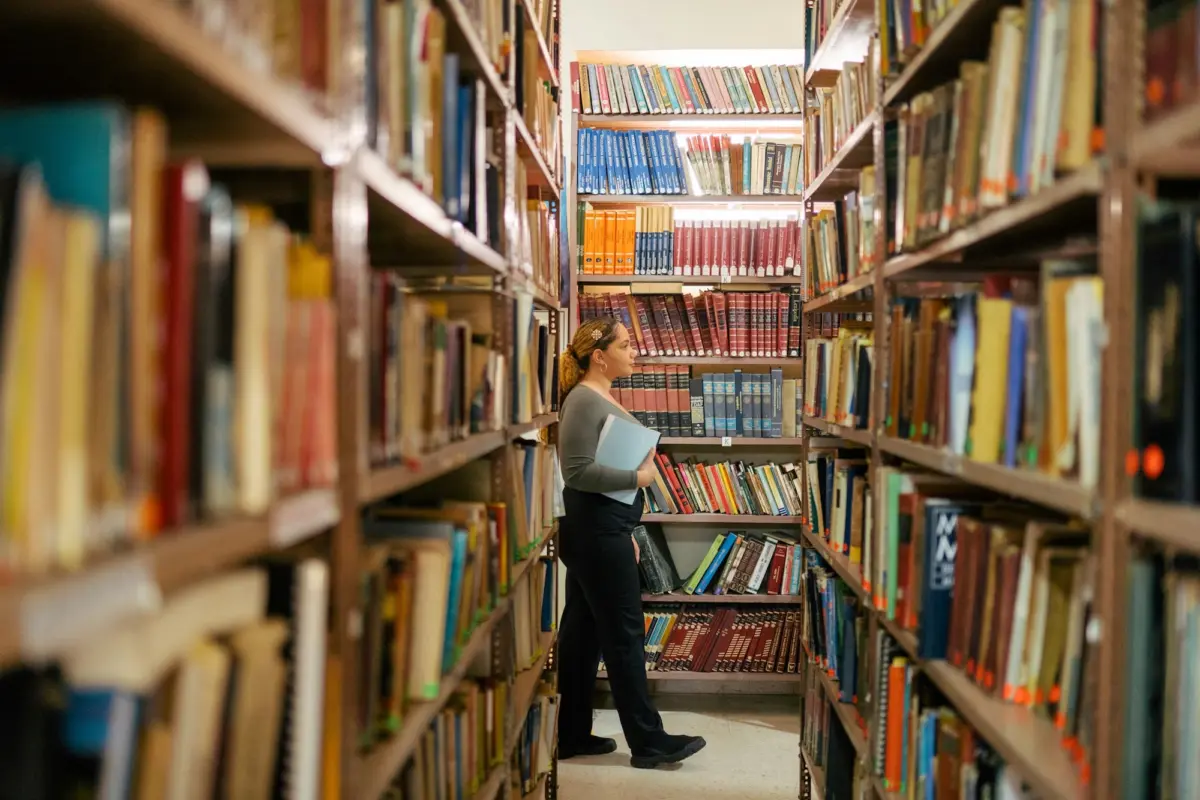
The 2026 midterm elections have delivered a definitive and somewhat unexpected mandate for the preservation of public intellectual resources across the United States. Despite a persistent national affordability crisis that has seen household budgets stretched by inflation and rising housing costs, American voters overwhelmingly chose to tax themselves to support their local libraries. From the sun-drenched counties of Florida to the suburban landscapes of New Jersey and the high deserts of New Mexico, the ballot box became a site of robust defense for what many historians call the nation’s most democratic institution. Simultaneously, a seismic political shift in Texas has ended three decades of conservative dominance over the state’s education policy, signaling a potential sea change in how millions of American students will engage with science, history, and literature.
The Historical Mandate of the American Library
The concept of the free public library is woven into the foundational fabric of American civic life. Long before the United States was a formal entity, the intellectual and scientific curiosity of the Enlightenment prompted the creation of shared knowledge repositories. Benjamin Franklin, a polymath and Founding Father, famously organized the first known book-buying club among his associates in 1731, known as the Library Company of Philadelphia. Decades later, in 1790, Franklin donated a collection of books to the town of Franklin, Massachusetts, establishing what is widely considered the first public library in the nation.
In the modern era, libraries have evolved far beyond mere book repositories. They serve as "social infrastructure"—essential "third places" that exist outside the home and the workplace. Today’s libraries provide high-speed internet access to bridge the digital divide, climate-controlled environments during extreme weather events, and specialized resources ranging from 3D printers to career counseling. As economic pressures mount, the value of these "free" services has evidently increased in the eyes of the electorate, leading to a surprising string of victories for library funding measures during an era of fiscal conservatism.
National Trends: A Resounding Victory for Funding
According to data tracked by EveryLibrary, a non-partisan political action committee for libraries, the 2026 midterms saw a high success rate for library-related ballot measures. Out of 60 measures tracked across 22 states—ranging from property tax adjustments to multi-million dollar construction bonds—a resounding majority were approved by voters.
One of the most significant victories occurred in Palm Beach County, Florida. Despite the region grappling with one of the most pronounced income gaps in the United States, voters approved a $175 million bond dedicated to the renovation and expansion of the public library system. This funding is earmarked for a state-of-the-art facility in West Palm Beach and extensive upgrades to a dozen other branches. Local officials estimate the cost to homeowners will be approximately $6 for every $100,000 of taxable home value—a price point the majority of residents deemed a worthy investment in their community’s future.
In the Southwest, the city of Las Cruces, New Mexico, mirrored this sentiment. Voters there approved a $26 million bond for the Thomas Branigan Memorial Library. The facility, which has served as a downtown anchor since 1979, has become a victim of its own success, frequently reaching capacity. The approved funds will add 20,000 square feet to the building, accommodating a new test kitchen and expanded children’s programming. Notably, the measure was structured to fund these improvements without raising existing property tax rates, demonstrating savvy fiscal planning by local advocates.
Resistance to Austerity: Arkansas and New Jersey
The 2026 elections also saw voters actively rebuffing attempts to dismantle library services under the guise of budget cutting. In Saline County, Arkansas, a controversial measure that would have slashed the library’s operating budget by 50 percent was soundly defeated. This rejection suggests that even in traditionally conservative regions, the tangible benefits of library services—such as literacy programs and community gathering spaces—outweigh the desire for marginal tax decreases.
A similar drama unfolded in Bridgeton, New Jersey, where the local library faced an existential threat. A ballot measure proposed closing the 103-year-old institution entirely. However, the community rallied to save the landmark, with the library’s director, Michelle Azpiri, reporting "tears of joy" among staff and patrons as the results confirmed a landslide victory for the library’s continued operation. These outcomes underscore a growing national sentiment that libraries are not "optional" luxuries but essential utilities for a functioning democracy.
The Texas Transformation: A New Era for Education
While local library victories were occurring nationwide, perhaps the most significant educational development of the 2026 midterms took place in Texas. For the first time in more than 30 years, the Texas State Board of Education (SBOE) will have a Democratic majority. Since the early 1990s, the 15-member elected body has been a bastion of conservative policy, often serving as a primary battleground for the nation’s "culture wars."
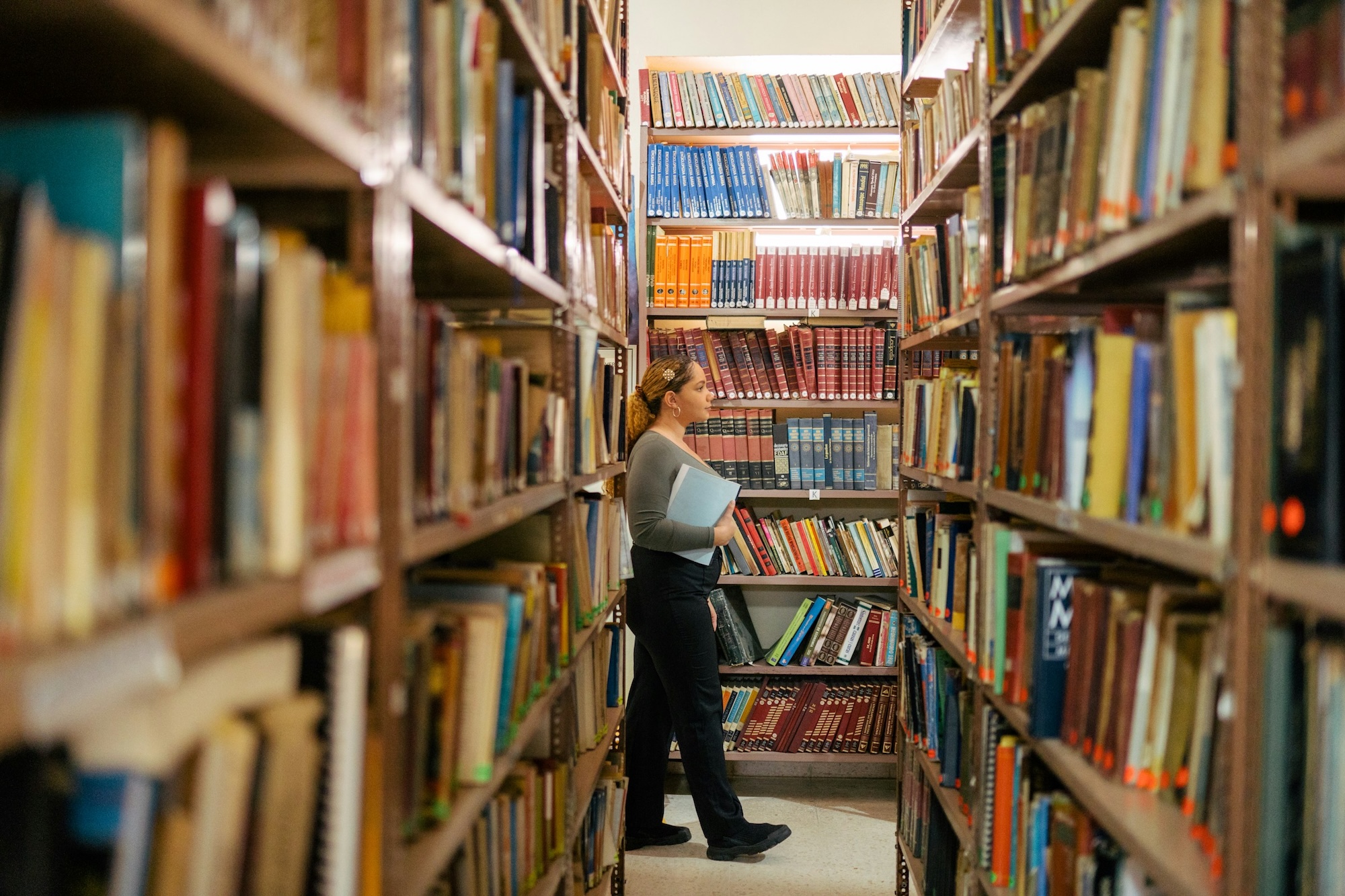
The SBOE holds immense power, not just within the Lone Star State, but across the country. Because Texas is one of the largest purchasers of textbooks in the United States, the standards it sets often dictate what publishers include in their national editions. For decades, critics have argued that the conservative-led board has influenced curricula to downplay the role of slavery in American history, emphasize creationist interpretations of science, and protect the reputation of the oil and gas industry in climate change discussions.
The shift in power follows a contentious period involving the "Bluebonnet Learning" curriculum, a K-5 program recently approved by the outgoing conservative board. Critics, including the ACLU of Texas, argued the curriculum was "liberally salted" with Christian biblical stories while omitting significant historical context regarding civil rights and marginalized communities. With the flip of the board, members like Marisa Pérez-Díaz, who represents San Antonio and Laredo, believe a more inclusive and scientifically accurate framework can now be established.
The Rejection of Censorship and Book Bans
The Texas results also served as a referendum on the movement to ban books from school shelves. Republican Lieutenant Governor Dan Patrick, a prominent figure in the effort to remove more than 2,000 titles from school libraries, was defeated in his re-election bid. He lost to Vikki Goodwin, the first Democrat to hold the office since 1994.
The campaign was defined by a sharp divide over educational freedom. Democratic candidates Gina Hinojosa and James Talerico, running for governor and U.S. Senate respectively, made the protection of literature and the opposition to censorship central pillars of their platforms. Their successes suggest that the aggressive push for book bans, which gained momentum between 2022 and 2025, may have reached a tipping point of public fatigue or disapproval.
Economic Context and the "Third Place" Theory
The resilience of library funding is particularly noteworthy when viewed through an economic lens. The U.S. has been navigating what economists call an "affordability crisis," characterized by the highest cost-of-living increases in a generation. Usually, during such periods, voters are hesitant to support any measure that could lead to tax increases.
However, sociologists point to the "Third Place" theory as an explanation for this anomaly. As private spaces for gathering (such as cafes, theaters, and community centers) become more expensive, the "free" nature of the public library becomes more vital. For a family struggling with high rent, the library offers free entertainment, education, and cooling/heating. For the remote worker, it offers a workspace without the "rent" of a $6 latte. The 2026 election results suggest that Americans view the library as an economic safety net—a place where the barriers to entry are non-existent regardless of one’s financial status.
Broader Implications and Future Outlook
The consequences of the 2026 midterms will likely reverberate through the American educational and cultural landscape for the next decade. In Texas, the new SBOE majority is expected to begin a comprehensive review of textbook standards, potentially leading to more robust climate science education and a more nuanced portrayal of American history. Because of the "Texas Effect" on publishing, these changes could improve the quality of educational materials in classrooms from Maine to California.
Furthermore, the successful library bonds in Florida, New Mexico, and elsewhere will lead to a construction boom in civic architecture. These new and renovated spaces are being designed for the 21st century—incorporating renewable energy, digital labs, and flexible community spaces—ensuring that the library remains relevant in an increasingly digital world.
Ultimately, the 2026 elections have reaffirmed a fundamental American value: that access to information, science, and shared culture is a public good worth paying for. By rejecting censorship and prioritizing the funding of public knowledge centers, voters have signaled a desire to return to the intellectual foundations of the republic—where the "People’s University" remains open, funded, and free for all.
