

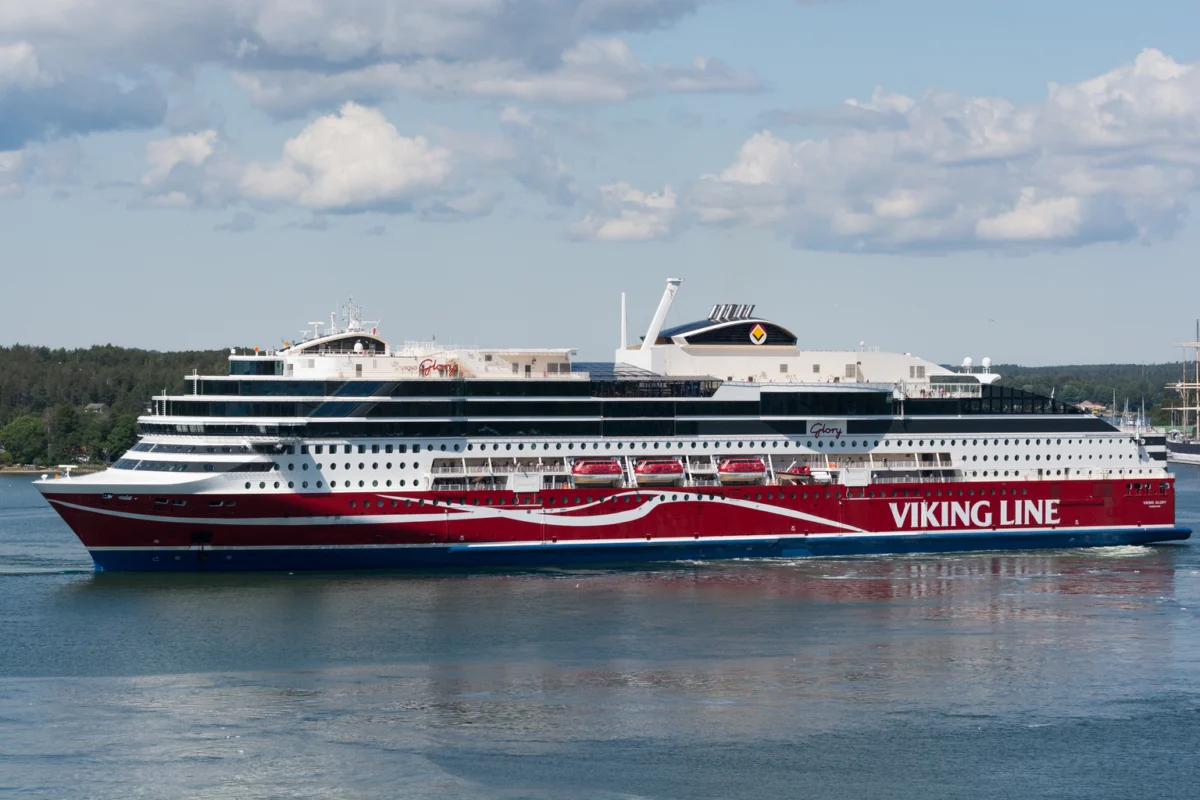
Viking Holdings (VIK), a prominent player in the luxury travel sector, has announced a robust financial performance for the first quarter, reporting a substantial 17.5% increase in revenue. This significant top-line growth surpassed market expectations, driven by resilient demand and strong booking momentum across its diverse fleet of ocean, river, and expedition vessels. The company further solidified its optimistic outlook by revealing that its itineraries are nearly fully booked for the remainder of the current fiscal year, signaling sustained consumer appetite for premium cruise experiences. However, the positive financial narrative was tempered by persistent operational headwinds, most notably elevated fuel expenses, which exerted pressure on profit margins and limited the upward movement of the company’s share price despite the impressive revenue figures.
A Strong Start to the Fiscal Year: Q1 Performance Highlights
The first quarter of the year traditionally sets the tone for the travel and leisure industry, and Viking Holdings’ performance indicates a strong rebound and sustained growth trajectory post-pandemic. The 17.5% revenue increase is a testament to the company’s strategic positioning within the affluent travel segment and its ability to attract and retain a loyal customer base. This growth is particularly noteworthy in an economic climate characterized by varying consumer spending patterns and inflationary pressures. The company’s focus on destination-rich itineraries, smaller, more intimate vessels, and an emphasis on cultural enrichment continues to resonate with its target demographic, which typically exhibits less price sensitivity than the broader cruise market.
The positive revenue surprise suggests efficient pricing strategies, effective marketing campaigns, and a high conversion rate from inquiries to confirmed bookings. This operational efficiency is crucial for companies in the travel sector, where fixed costs are substantial. While specific net profit figures were not detailed in the initial announcement, the implied strong gross revenue generation provides a solid foundation, even as cost pressures are acknowledged. The market’s reaction, characterized by limited share gains despite the revenue beat, underscores the current investor focus on profitability and margin sustainability alongside top-line growth.
Unprecedented Booking Momentum and Future Outlook
The announcement that Viking Holdings is "nearly fully booked" for the rest of the year is a powerful indicator of consumer confidence in the brand and the broader recovery of the luxury cruise market. This level of forward booking provides significant revenue visibility and operational stability, allowing the company to plan its resources, staffing, and supply chain more effectively. Such robust booking trends are typically a result of several factors, including pent-up demand from the pandemic years, effective loyalty programs encouraging repeat guests, and a strong brand reputation built on consistent service delivery.
Viking’s business model, which spans river, ocean, and expedition cruising, offers a diversified portfolio that appeals to a wide range of discerning travelers. Its river cruises, often exploring historical waterways in Europe and Asia, and its ocean voyages, characterized by a focus on cultural immersion and fewer sea days, have carved out a distinct niche. The recent expansion into expedition cruising with purpose-built vessels designed for polar and remote region exploration further broadens its appeal and market reach, attracting travelers seeking adventurous yet comfortable journeys. The "nearly fully booked" status suggests that all segments are performing strongly, contributing to the overall positive outlook. This also implies that Viking has successfully navigated any lingering hesitancy related to travel disruptions or health concerns, cementing its position as a trusted choice for extended, high-value vacations.
Navigating the Turbulent Waters of Operational Costs
Despite the celebratory revenue figures and strong booking trends, Viking Holdings faces significant challenges from escalating operational costs, particularly fuel expenses. This issue is not unique to Viking but is a pervasive concern across the entire shipping and travel industry. The global energy markets have been subject to considerable volatility over the past year, driven by a confluence of geopolitical tensions, supply chain disruptions, and evolving demand dynamics. Crude oil prices, which directly influence the cost of marine bunker fuel, have seen sharp fluctuations, often trending upwards.
Impact of Fuel Expenses: For a cruise line, fuel constitutes one of the largest variable operating expenses. Large vessels consume thousands of gallons of fuel daily, making them highly susceptible to price swings. An increase in per-barrel oil prices directly translates to higher operational costs for each voyage, eroding profit margins if not adequately offset by pricing adjustments or hedging strategies. The limited gains in Viking’s shares, despite strong revenue, suggest that investors are keenly aware of this margin pressure and are scrutinizing the company’s ability to manage these costs effectively.
Other Cost Pressures: Beyond fuel, the cruise industry is also contending with other inflationary pressures. Labor costs are rising globally due to increased demand for skilled maritime and hospitality personnel, coupled with a tighter labor market. Supply chain disruptions continue to affect the cost and availability of provisions, maintenance parts, and new build components. Port fees, regulatory compliance costs, and insurance premiums are also subject to increases. These cumulative expenses can significantly impact the bottom line, even for companies experiencing robust top-line growth.
Strategic Responses to Cost Challenges: To mitigate the impact of rising costs, Viking Holdings likely employs a multi-faceted approach. This includes fuel hedging strategies, where the company locks in future fuel prices to reduce exposure to market volatility. Operational efficiencies, such as optimizing routes, reducing transit speeds (slow steaming), and investing in more fuel-efficient engines for new builds, are also critical. Furthermore, the company may explore dynamic pricing models, adjusting fares or introducing fuel surcharges, though such measures must be carefully balanced to avoid alienating its premium customer base. Investing in sustainable technologies and alternative fuels, while a long-term strategy, also presents an avenue for reducing reliance on volatile fossil fuels and improving environmental footprint.
Broader Industry Context and Competitive Landscape
Viking Holdings operates within a highly competitive global cruise market, albeit one where it has carved out a distinct niche. Its primary competitors in the premium and luxury segments include smaller, specialized lines as well as the premium offerings of larger cruise conglomerates like Carnival Corporation (CCL), Royal Caribbean Group (RCL), and Norwegian Cruise Line Holdings (NCLH). While these larger players dominate the mass-market segment, Viking distinguishes itself with its focus on adult-only, culturally immersive experiences, often marketed as "The Thinking Person’s Cruise."
The overall cruise industry has witnessed a remarkable recovery since the severe disruptions caused by the COVID-19 pandemic, which brought global operations to a near standstill in 2020 and much of 2021. The subsequent rebound has been characterized by strong pent-up demand, with many cruise lines reporting record bookings. However, this recovery has been uneven, and all players are grappling with the dual challenge of meeting soaring demand while managing an inflationary cost environment. Viking’s strong Q1 revenue and booking figures place it among the leaders in this recovery phase, indicating its brand resilience and effective post-pandemic strategy.
The industry is also under increasing pressure to address environmental concerns. Stricter regulations on emissions and waste management, coupled with growing consumer awareness, are driving investments in greener technologies and sustainable practices. While these initiatives contribute to higher initial capital expenditures, they can lead to long-term operational savings and enhanced brand reputation. Viking, with its newer fleet and emphasis on responsible travel, is generally well-positioned in this regard.
Investor Sentiment and Management Commentary (Inferred)
The market’s somewhat muted reaction to Viking’s strong revenue performance—with share gains "limited by ongoing cost pressures"—reflects a rational investor perspective. While top-line growth is essential, profitability and margin resilience are equally critical for long-term shareholder value. Analysts would likely be scrutinizing the company’s gross margin and EBITDA performance, seeking evidence that the revenue growth is translating into sustainable earnings. Concerns about fuel costs would likely lead to questions regarding hedging effectiveness and long-term cost control strategies.
One could infer that Viking’s management, perhaps the CEO Torstein Hagen or CFO, would emphasize the strength of consumer demand and the success of their booking strategy during an earnings call. They would likely highlight the company’s premium positioning as a buffer against some inflationary pressures, allowing for some pricing power. Simultaneously, they would address cost concerns by outlining proactive measures being taken, such as operational efficiencies, prudent fuel hedging, and continued investment in a modern, more fuel-efficient fleet. They might also reiterate the company’s commitment to delivering exceptional guest experiences, which drives loyalty and repeat business, underpinning future booking strength. The narrative would likely balance optimism about market demand with a realistic assessment of the operational environment, aiming to reassure investors of the company’s strategic resilience.
Timeline of Recovery and Growth
The journey for Viking Holdings, like the entire cruise industry, has been marked by significant milestones over the past few years:
- Early 2020: The onset of the COVID-19 pandemic leads to a complete shutdown of global cruise operations, unprecedented in modern history. Viking, known for its older demographic, was particularly impacted.
- Late 2020 – Early 2021: The industry begins tentative discussions and plans for a restart, implementing stringent health and safety protocols.
- Mid-2021: Gradual resumption of limited voyages, primarily in regions with lower infection rates or strong vaccination programs. Viking slowly reintroduces some river and ocean itineraries.
- 2022: A more substantial recovery takes hold as travel restrictions ease globally and consumer confidence returns. Booking momentum begins to accelerate, fueled by pent-up demand. Viking sees strong year-over-year improvements.
- Late 2022 – Early 2023: Booking levels approach and, in some cases, surpass pre-pandemic levels. The company experiences a surge in demand, leading to the "nearly fully booked" status observed for the current year.
- First Quarter (Q1) Current Year: Viking Holdings announces a significant 17.5% revenue increase, exceeding expectations, but highlights ongoing cost pressures, particularly related to fuel.
This chronology underscores a remarkable recovery trajectory, demonstrating the resilience of the cruise market and Viking’s strategic agility in navigating a challenging period. The current quarter’s performance is a culmination of these efforts, positioning the company for continued growth while simultaneously confronting the new economic realities of higher operating costs.
Future Outlook and Strategic Imperatives
Looking ahead, Viking Holdings’ strategic imperatives will revolve around sustaining its growth momentum while rigorously managing its cost base. The strong forward bookings provide a significant competitive advantage, offering predictable revenue streams and allowing for strategic deployment of resources. However, the ongoing volatility in fuel prices and broader inflationary trends necessitate continuous innovation in operational efficiency and potential adjustments in pricing strategies.
Investment in fleet modernization and expansion will remain a key growth driver. Newer vessels are often more fuel-efficient and incorporate advanced environmental technologies, which can contribute to long-term cost savings and improved sustainability credentials. The company’s expansion into expedition cruising also represents a strategic diversification that taps into growing demand for experiential travel.
Ultimately, Viking Holdings’ ability to balance its premium brand positioning with effective cost management will determine its sustained profitability and shareholder value. The first-quarter results paint a picture of a company with strong market demand and operational prowess, yet one that must remain vigilant in navigating a dynamic and often challenging global economic environment. The focus will undoubtedly be on translating robust revenue growth into enhanced net profitability, ensuring that its impressive booking success is fully reflected in its financial returns.
