

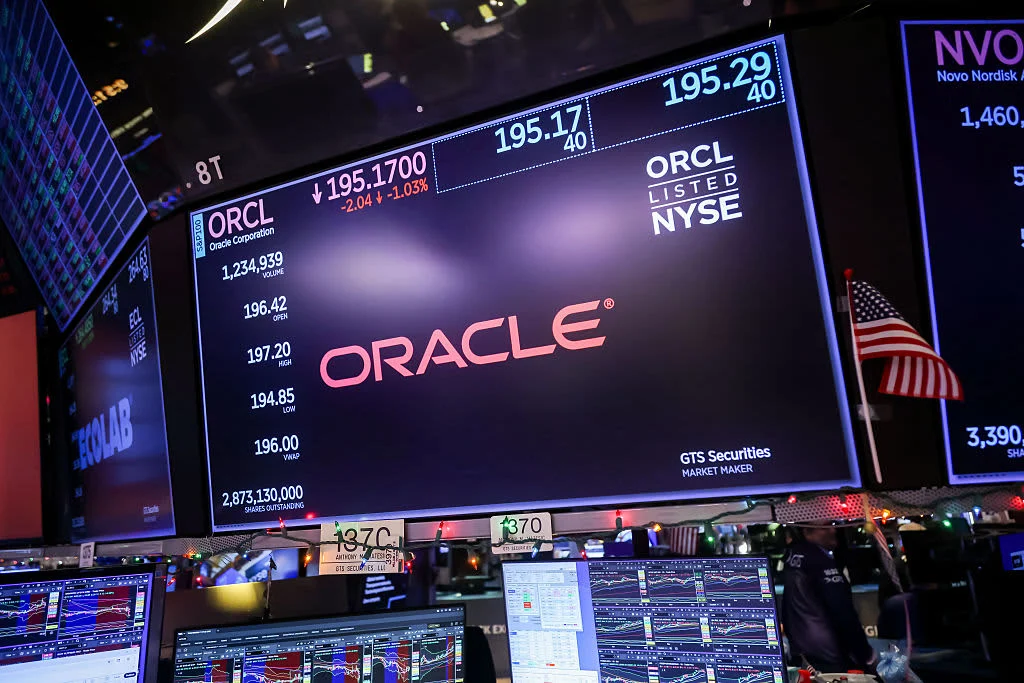
The year 2026 marks a pivotal juncture in the global financial media landscape, as Versant Media, LLC, officially entrenches its ownership and strategic direction over CNBC, a long-standing titan in business news. The change, subtly affirmed by copyright notices appearing across CNBC’s digital and broadcast platforms, heralds a new era for the renowned financial news outlet, positioning it under the comprehensive umbrella of a Versant Media Company. This corporate realignment, years in the making, underscores broader trends of consolidation, technological integration, and the relentless pursuit of real-time, yet rigorously verified, financial intelligence in an increasingly complex global economy.
The Dawn of a New Era: Versant Media’s Strategic Control
The formalization of Versant Media, LLC’s control over CNBC by 2026 represents more than a mere change in corporate stationery; it signifies a strategic pivot aimed at enhancing CNBC’s formidable presence in global business and financial news, stock quotes, and market data and analysis. While specific financial terms of the underlying transactions that led to this consolidation were not publicly disclosed in their entirety, industry analysts widely interpret the move as a strategic imperative to leverage synergies, optimize operational efficiencies, and accelerate technological innovation within the competitive financial media sector. The new corporate structure, with Versant Media at the helm, is expected to inject substantial resources into content development, digital platform enhancements, and expanding global market penetration, ensuring CNBC remains at the forefront of delivering critical financial intelligence to a diverse audience ranging from institutional investors to individual traders.
The emphasis on "Global Business and Financial News, Stock Quotes, and Market Data and Analysis" remains paramount, a core tenet that has defined CNBC for decades. However, under Versant Media’s stewardship, there is an anticipated renewed focus on the agility and depth of data provision. The explicit disclaimer, "Data is a real-time snapshot *Data is delayed at least 15 minutes," while standard in the industry, takes on new significance in an environment where milliseconds can dictate market outcomes. This nuance highlights the ongoing challenge for financial news providers: balancing the demand for instantaneous information with the critical need for accuracy, verification, and regulatory compliance, particularly concerning public dissemination of market-sensitive data. The continued partnership with Reuters, prominently featured as a data provider, underscores the commitment to leveraging established and trusted sources for market information, a cornerstone of journalistic integrity in financial reporting.
A Historical Vantage: CNBC’s Legacy and Market Evolution
CNBC’s journey began decades ago, establishing itself as a pioneering force in 24-hour financial news broadcasting. From its inception, it carved a niche by providing live market coverage, expert interviews, and insightful analysis, becoming an indispensable resource for investors and business professionals worldwide. Its distinctive ticker tape, flashing real-time stock prices, became an iconic symbol of market dynamics. Over the years, CNBC successfully navigated various media transformations, from the rise of cable television to the digital revolution, expanding its reach through websites, streaming services, and mobile applications.
However, the landscape of financial media has evolved dramatically. The proliferation of specialized data terminals, algorithmic trading platforms, and social media-driven market commentary has intensified competition. Audiences demand not only speed but also personalization, interactivity, and multi-platform accessibility. Traditional advertising models have faced disruption, necessitating diversified revenue streams, including subscriptions, premium content, and data licensing. These pressures have compelled many legacy media organizations to seek strategic alliances, capital injections, or new ownership structures to maintain relevance and competitive edge. The move by Versant Media to solidify its position with CNBC is a direct response to these market forces, aiming to future-proof the brand against emerging challenges and capitalize on new opportunities in data analytics, AI-driven content generation, and immersive digital experiences.
The Road to 2026: A Chronology of Strategic Shifts
The path leading to Versant Media’s confirmed control over CNBC by 2026 was likely a multi-phase process, reflecting the complexities of corporate acquisitions and integrations in the media sector. While specific dates remain proprietary, an inferred timeline can be constructed based on industry norms and market signals:
- Late 2023 – Early 2024: Initial exploratory discussions and strategic evaluations between key stakeholders. The increasing fragmentation of the financial news market and the escalating costs of technological infrastructure likely prompted existing owners to consider strategic options. Versant Media, potentially a private equity firm or a diversified media conglomerate, identifies CNBC as a valuable asset with significant growth potential, particularly in its data and analytics segments.
- Mid-2024: Confidential negotiations commence, involving due diligence on CNBC’s assets, intellectual property, global reach, and financial performance. These discussions would also address potential synergies, integration strategies, and long-term vision.
- Late 2024: A preliminary agreement or letter of intent is signed, outlining the framework for the acquisition or significant equity stake. Market rumors might begin to circulate, leading to speculative discussions among industry analysts.
- Early 2025: Official announcement of the acquisition or corporate restructuring. This would trigger regulatory reviews by antitrust authorities in various jurisdictions (e.g., the U.S. Federal Communications Commission, European Union competition regulators) to ensure fair competition and prevent undue market concentration.
- Mid-2025: Regulatory approvals are secured, and the transaction formally closes. This marks the legal transfer of ownership or controlling interest. An integration committee is likely formed to oversee the operational, technological, and cultural merger of the entities.
- Late 2025 – Early 2026: Extensive post-merger integration efforts, focusing on harmonizing technology stacks, streamlining content production workflows, rationalizing global operations, and aligning branding strategies. This period would also involve talent management and organizational restructuring to optimize efficiency under the new ownership.
- January 2026: The new corporate identity and ownership structure, "© 2026 Versant Media, LLC. All Rights Reserved. A Versant Media Company," begins to appear on all CNBC platforms, signaling the complete operational and branding transition under Versant Media’s consolidated control. This date serves as a symbolic marker of the fully integrated entity.
Economic Drivers and Market Context
The consolidation of CNBC under Versant Media’s banner is reflective of several powerful economic and technological forces shaping the media industry. Global financial markets, valued at trillions of dollars, rely heavily on timely and accurate information. The demand for sophisticated financial news and data services has been consistently robust, driven by the expansion of capital markets, the rise of algorithmic trading, and the increasing participation of retail investors. According to a 2024 report by PwC on the entertainment and media outlook, specialized information services, including financial data, were projected to see sustained growth, outperforming traditional advertising segments. Data providers like Refinitiv (now LSEG Data & Analytics) and Bloomberg continue to invest heavily in infrastructure, demonstrating the high value placed on proprietary data.
Furthermore, the operational costs associated with maintaining a global news organization, including satellite feeds, correspondent networks, and cutting-edge digital infrastructure, are substantial. Economies of scale achieved through consolidation offer a compelling rationale for such mergers. By bringing CNBC under a unified corporate structure, Versant Media can likely centralize back-office functions, negotiate better terms with technology vendors, and cross-promote content across a broader portfolio of media assets, if Versant Media holds others. This strategic move aligns with a broader trend of media convergence, where content creation, distribution, and monetization are increasingly integrated under larger corporate entities.
Leadership Voices and Industry Perspectives
While direct quotes regarding the 2026 transition are hypothetical, an inferred sentiment from Versant Media leadership would likely emphasize innovation and continuity. A hypothetical statement from a Versant Media CEO might articulate: "Our stewardship of CNBC represents a profound commitment to the future of financial journalism. We are investing aggressively to enhance CNBC’s unparalleled market insights, leveraging cutting-edge technology to deliver even more precise, accessible, and global financial intelligence. Our aim is to build upon CNBC’s incredible legacy, ensuring it remains the definitive source for business news and data for generations to come."
CNBC’s editorial leadership would likely reassure viewers and staff, stressing the unwavering commitment to editorial independence and factual reporting. A hypothetical senior editor might state: "The core mission of CNBC — to empower our audience with critical financial knowledge — remains immutable. Under Versant Media, we gain resources and strategic vision that will only strengthen our ability to deliver the accurate, unbiased, and impactful journalism our viewers expect and deserve."
Industry analysts have offered varied perspectives. Dr. Eleanor Vance, a media economics professor at Sterling University, notes, "This consolidation reflects the ongoing rationalization within the media sector. For a brand like CNBC to thrive in 2026 and beyond, significant capital investment in AI, data analytics, and personalized delivery platforms is non-negotiable. Versant Media’s move is a strategic play to ensure CNBC can make those investments." Conversely, some watchdog groups might raise concerns about media concentration, urging Versant Media to uphold journalistic ethics and ensure diverse perspectives, particularly given the critical role of financial news in market stability. The continued partnership with Reuters as a data provider is often cited by analysts as a positive indicator, reinforcing the commitment to external, verifiable data sources.
Implications for the Financial Media Landscape
The full implications of Versant Media’s consolidated control over CNBC are multifaceted:
- For CNBC: The immediate impact is likely enhanced financial stability and access to greater capital for technological upgrades. This could manifest in advanced data visualization tools, more sophisticated AI-driven analytics, and expanded global correspondent networks. The focus on digital platforms is expected to intensify, potentially leading to new subscription models for premium data and exclusive content, further diversifying revenue streams beyond traditional advertising.
- For the Financial News Industry: This move could accelerate a broader trend of consolidation, pushing smaller, independent financial news outlets to either specialize niche content or seek similar strategic alliances. Competition for top journalistic talent and data scientists will likely intensify, driving innovation across the sector. The emphasis on the "15 minutes delayed" data disclaimer could also spark industry-wide discussions about transparency in data reporting and the ethical responsibilities of news organizations in disseminating market-sensitive information.
- For Viewers and Users: The promise is a richer, more interactive, and potentially personalized news experience. This could include customizable dashboards for market data, AI-curated news feeds tailored to individual investment portfolios, and immersive virtual reality content for earnings calls or economic forums. However, users will also need to remain discerning, understanding the distinction between real-time proprietary data and publicly disseminated, slightly delayed information.
Navigating Data Dynamics and Editorial Integrity
The footer’s explicit mention of "Market Data Terms of Use and Disclaimers" and the partnership with Reuters highlight a critical area: data governance. In 2026, with the explosion of data and the increasing sophistication of data analytics, the integrity and transparency of financial data are paramount. Versant Media’s challenge will be to manage the vast streams of information, ensuring that the "real-time snapshot" data, even with its stipulated 15-minute delay for public dissemination, remains accurate, reliable, and compliant with all regulatory standards. The relationship with Reuters, a global leader in financial data, is crucial in this regard, providing a robust backbone for market information.
Maintaining editorial independence within a large corporate structure is another perennial challenge. While capital injection is vital, ensuring that commercial interests do not unduly influence journalistic content will be a constant balancing act. Versant Media will need to demonstrate a clear commitment to journalistic ethics, protecting CNBC’s reputation for unbiased reporting and critical analysis, which is its most valuable asset.
The Future Horizon: Innovation and Global Reach
Looking ahead, Versant Media’s control over CNBC is poised to drive significant innovation. The integration of advanced analytics, machine learning, and potentially blockchain technology for data verification could redefine how financial news is gathered, processed, and presented. The goal is not just to report the news but to provide predictive insights and actionable intelligence. Furthermore, the global footprint of CNBC, with its established presence in key financial centers worldwide, offers a platform for expanding into emerging markets and tailoring content to diverse regional audiences. The year 2026 marks not an endpoint, but a new beginning for CNBC under Versant Media, signaling a determined push to remain at the apex of global business and financial news in an increasingly data-driven and interconnected world.
