

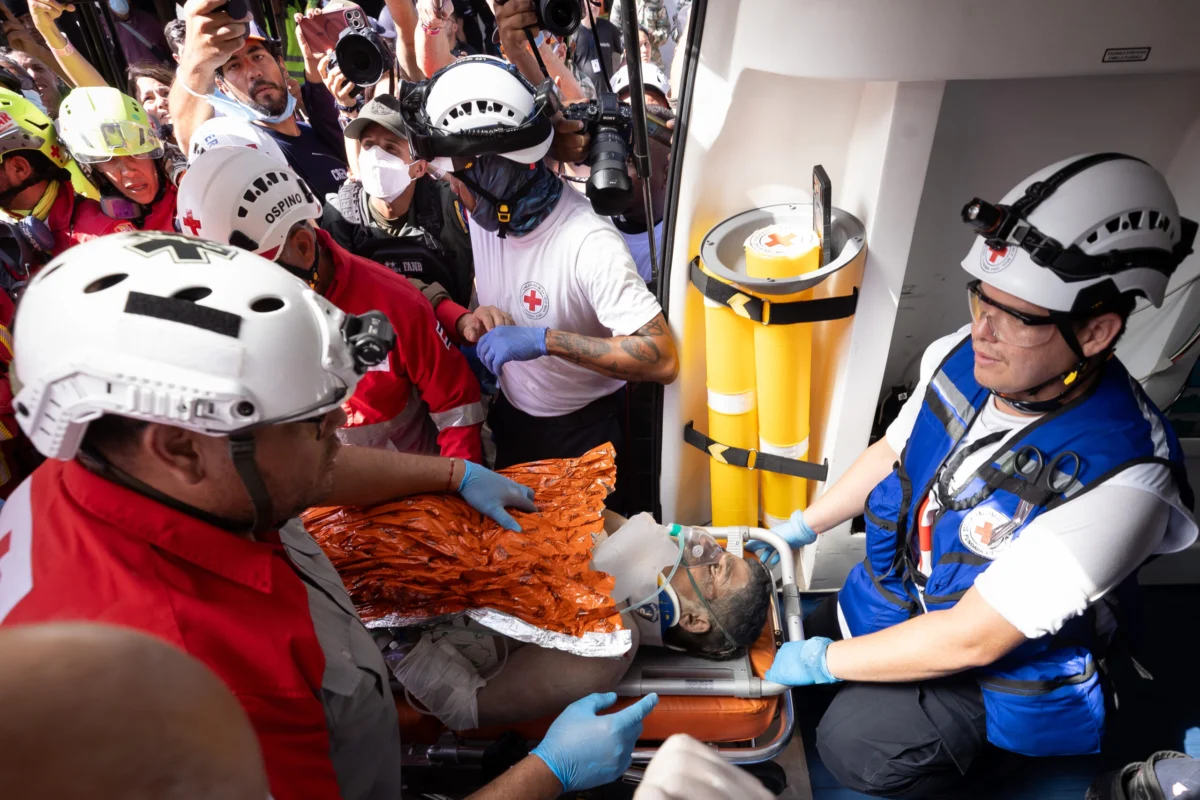
Caracas, Venezuela – Eight days after twin earthquakes of magnitudes 7.2 and 7.5 ripped through Venezuela, leaving a trail of catastrophic destruction, the nation and its international partners are pivoting their focus from desperate search-and-rescue operations to the monumental task of providing humanitarian aid. While a miraculous rescue offered a fleeting beacon of hope amidst widespread despair, the sheer scale of the disaster, with over 2,295 confirmed fatalities and 13,000 people rendered homeless, now demands an urgent and comprehensive relief effort to avert a deepening crisis.
The initial shock of the seismic events has given way to the grim reality of recovery. The Venezuelan government’s last official update reported 2,295 confirmed deaths and 11,000 injured, but officials cautioned that the toll was expected to rise dramatically, with an estimated 50,000 individuals still reported missing. The physical devastation is staggering: an estimated 60,000 buildings were either severely damaged or completely destroyed, fundamentally altering the landscape of communities, particularly along the hard-hit coastal areas.
A Glimmer of Hope Amidst the Rubble
In a rare moment of triumph against overwhelming odds, rescue workers successfully extracted 43-year-old security guard Hernan Gil from the ruins of a seven-story building in Catia La Mar, a coastal town that bore the brunt of the seismic impact. Gil’s rescue on Thursday, eight days after the initial tremors, captivated a nation grappling with profound loss. Located three days prior, Gil’s survival was deemed a "true miracle" by his wife, Gusbimar Gonzalez, reflecting the collective disbelief and relief.
The complex operation involved an international contingent of rescue teams from seven countries, including Venezuela, Chile, the United States, Portugal, Costa Rica, El Salvador, and Mexico. Cristian Vera, leader of the Chilean rescue team, described the arduous process of digging a three-meter (9.8-foot) tunnel to reach Gil. Throughout the days leading up to his extraction, rescuers managed to provide him with vital water via a hose and oxygen through a tube, sustaining him in the suffocating darkness beneath tons of concrete and twisted metal. "It wasn’t easy to reach the exact spot where the victim was located," Vera stated, underscoring the technical challenges and sheer determination involved.
However, as Al Jazeera correspondent Zein Basravi reported from the state of La Guaira, Gil’s recovery, while inspiring, stands in stark contrast to the countless other rescue attempts across the country that have ended in tragedy. Many collapsed structures in La Guaira, north of Caracas, have already been marked with the letter "D" for "deceased," indicating that no signs of life could be detected. Basravi highlighted the overwhelming scope of the disaster, noting, "One search-and-rescue expert we spoke to on the ground said the footprint of this disaster is so big, there are 58,000 buildings that have been destroyed or damaged, there’s so much area to search, and so many days into the aftermath of this earthquake, it is less and less likely that anyone can be found alive." This sobering assessment underscores the inevitable shift in focus from immediate rescue to long-term recovery and humanitarian relief.
The Chronology of a Catastrophe
Venezuela, a nation already navigating a complex web of socio-economic challenges and political tensions, found itself plunged into an unprecedented crisis with the sudden onset of the twin earthquakes.
- Pre-existing Vulnerabilities: For years leading up to the disaster, Venezuela had been contending with a severe economic downturn characterized by hyperinflation, shortages of basic goods, and significant infrastructure degradation. Its healthcare system, in particular, suffered from chronic underfunding, a dearth of critical medical equipment, a mass exodus of highly trained staff, and unreliable electrical power. This created a fragile baseline upon which any major natural disaster would inflict magnified suffering. Politically, the country remained deeply divided, with the US and several other nations recognizing an interim presidency amidst ongoing friction with the government of Nicolas Maduro.
- The Seismic Events: The catastrophic sequence began with a powerful earthquake measuring 7.2 on the Richter scale, followed shortly by another, even stronger tremor of magnitude 7.5. While the exact epicenter and precise timing were initially a source of confusion amidst the chaos, the events collectively unleashed widespread devastation, particularly along the nation’s coastal regions which are densely populated and home to older, less resilient infrastructure. The shallow depth of the quakes significantly amplified their destructive power on the surface.
- Initial Response and International Mobilization: In the immediate aftermath, Venezuelan emergency services were quickly overwhelmed. The sheer scale of collapsed buildings and trapped individuals necessitated urgent international assistance. Within days, specialized urban search and rescue (USAR) teams, medical personnel, and logistical support began arriving from various countries across Latin America, North America, and Europe, pooling resources in a desperate race against time to find survivors. This initial phase was characterized by frantic digging, the use of specialized listening devices, and the deployment of search dogs.
- The Shift to Humanitarian Phase: Approximately eight days post-earthquake, as the chances of finding more survivors dwindled to near zero, the focus irrevocably shifted. The immense number of displaced individuals, the widespread damage to essential services, and the looming threat of public health crises mandated a transition from "rescue and recovery into a very different phase of this disaster, which will see more relief work, more humanitarian work needed on the ground," as articulated by Basravi. This marks the current stage of the response, characterized by the provision of shelter, food, medical care, and psychosocial support.
From Rescue to Relief: The Humanitarian Imperative
The transition from a frantic search for life to a structured humanitarian response is a somber but necessary evolution in disaster management. With the window for survival rapidly closing, the immediate priority has become sustaining the lives of those who survived the initial tremors but are now facing homelessness, hunger, and exposure. The needs are vast and multifaceted, requiring coordinated efforts across numerous sectors.
Tens of thousands are without adequate shelter. Makeshift camps and overcrowded public buildings are serving as temporary refuges, but these often lack proper sanitation, access to clean water, and sufficient provisions. The breakdown of infrastructure, including roads and communication networks, complicates the delivery of aid to remote or heavily damaged areas, creating pockets of acute need. Food security is a pressing concern, as supply chains have been disrupted and many families have lost their livelihoods and possessions. Water purification and distribution are critical to prevent the outbreak of waterborne diseases.
Mounting Fears of a Health Crisis
The humanitarian community has issued dire warnings regarding the potential for a severe health crisis in the earthquake’s aftermath. Venezuela’s already precarious healthcare system, strained for years by chronic shortages, is ill-equipped to handle the influx of trauma cases, untreated injuries, and the looming threat of infectious diseases.
Before the earthquakes, medical facilities across the country struggled with:
- Shortages of Critical Medical Equipment: From basic surgical instruments to advanced diagnostic machinery, many hospitals lacked essential tools for effective patient care.
- Lack of Highly Trained Staff: A significant exodus of doctors, nurses, and specialists due to economic hardship and political instability had depleted the healthcare workforce.
- Unreliable Electrical Power: Frequent power outages compromised patient care, especially for those reliant on life-support systems or requiring refrigerated medicines.
Now, these pre-existing vulnerabilities are exacerbated by the disaster. Medical centers, many of which may themselves be damaged or overcrowded, are facing:
- Untreated Injuries: Thousands sustained injuries from falling debris, and many may not have received timely or adequate medical attention, leading to complications, infections, and long-term disabilities.
- Infectious Disease Outbreaks: Overcrowded shelters, poor sanitation, and contaminated water sources create ideal conditions for the rapid spread of diseases such as cholera, typhoid, dysentery, and respiratory infections. The risk is particularly high among children and the elderly, who are often more susceptible.
- Mental Health Trauma: Survivors, especially those who lost loved ones or witnessed horrific scenes, will require extensive psychosocial support, a service often overlooked in the immediate aftermath of such disasters. The psychological scars of the earthquake could linger for years.
- Disruption of Routine Healthcare: The crisis diverts resources and attention from ongoing health needs, potentially leading to a resurgence of preventable diseases or complications from chronic conditions that go unmanaged.
International Aid and Political Complexities
The immense scale of the disaster has necessitated a robust international response, yet the delivery and coordination of aid are complicated by Venezuela’s unique political landscape and pre-existing economic challenges.
Global humanitarian organizations have launched significant appeals:
- World Food Programme (WFP): The WFP has appealed for $50 million to provide food assistance to approximately 500,000 people for a period of three months. This crucial aid aims to prevent widespread hunger and malnutrition among the most vulnerable populations.
- United Nations Development Programme (UNDP): Based on initial satellite imagery and assessments, the UNDP has estimated the physical damage from the earthquakes to be a staggering $6.7 billion. This figure represents the cost of rebuilding infrastructure, housing, and public services, underscoring the long-term financial burden of recovery.
Several countries and regional blocs have stepped forward with pledges of financial assistance and in-kind support. Among these, the United States Department of State announced a commitment of $300 million to aid relief efforts. However, this aid comes against a backdrop of ongoing political friction between the US administration and Venezuelan leader Nicolas Maduro’s government, which had seen significant diplomatic and political pressure exerted earlier in the year. The US, along with several other nations, had previously recognized an interim president, Delcy Rodriguez, despite criticism regarding preparedness for such a large-scale disaster. This political complexity can, at times, hinder direct government-to-government aid channels and necessitate careful navigation through international humanitarian organizations to ensure aid reaches those in need without becoming entangled in political disputes.
Noris Soto, reporting for Al Jazeera from Caracas, emphasized the critical and enduring need for international assistance. "Venezuela has been struggling with economic hardships for the past two decades. So, if you add this disaster to that economic crisis that Venezuelans were already suffering, they will need help for years to come," she stated. This highlights that the earthquake is not merely a standalone crisis but a compounding factor exacerbating deep-seated vulnerabilities.
Broader Impact and Long-Term Implications
The twin earthquakes have unleashed a multifaceted crisis that will resonate across Venezuela for years, if not decades. Beyond the immediate death toll and destruction, the long-term implications are profound:
- Economic Setback: The estimated $6.7 billion in physical damage represents a colossal blow to an economy already struggling. Rebuilding homes, infrastructure, and businesses will require massive investment and divert resources from other critical sectors, potentially delaying any prospects of economic recovery. The destruction of ports, roads, and utilities will also disrupt trade and economic activity.
- Exacerbated Poverty and Inequality: The disaster disproportionately affects the poorest segments of society, who often live in less resilient housing and have fewer resources to cope with displacement and loss. The crisis could push more families into extreme poverty and widen existing inequalities.
- Increased Displacement and Migration: With tens of thousands homeless and many communities rendered uninhabitable, there is a significant risk of internal displacement and potentially an increase in outward migration from Venezuela, further straining neighboring countries.
- Political and Governance Challenges: The government faces immense pressure to manage the crisis effectively, coordinate international aid, and initiate reconstruction. Its capacity to respond will be scrutinized, potentially impacting its domestic legitimacy and international relations. The existing political divisions could complicate unified national response efforts and the efficient distribution of aid.
- Environmental Impact: Landslides, soil liquefaction, and changes to water systems can have long-lasting environmental consequences, impacting agriculture, water security, and ecosystem health.
- Psychological Trauma: The collective trauma experienced by the Venezuelan population, particularly children, will require extensive and sustained mental health support programs. The loss of loved ones, homes, and a sense of security leaves deep psychological scars that demand attention alongside physical recovery.
As Venezuela navigates this complex and devastating aftermath, the sustained commitment of the international community, coupled with effective national leadership and coordination, will be crucial. The road to recovery will be arduous, requiring not only financial aid but also expertise, empathy, and a long-term vision to rebuild lives and communities shattered by the earth’s fury. The world watches, recognizing that the immediate humanitarian response is merely the first step in a protracted journey towards healing and reconstruction.
