

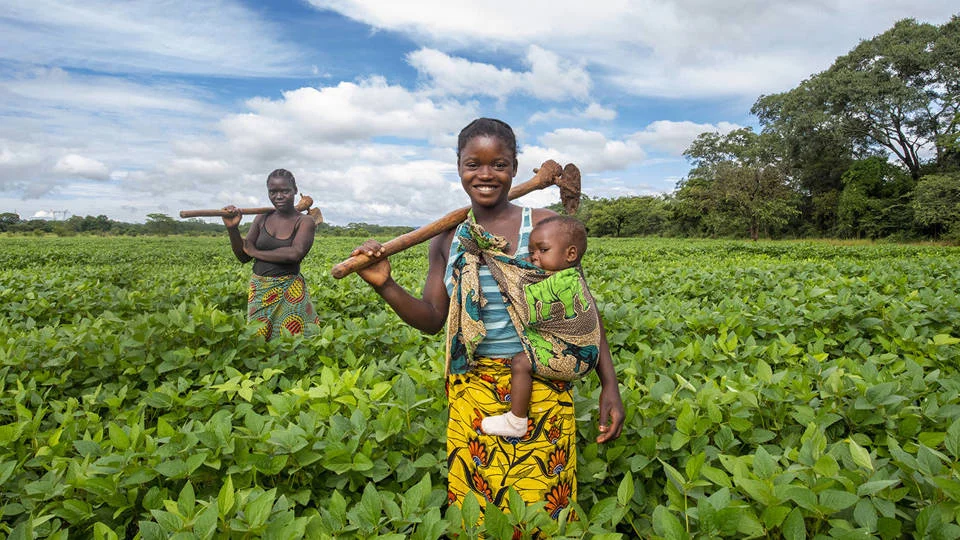
NAIROBI/SEATTLE – The global food system, already strained by geopolitical conflicts, climate change, and burgeoning populations, faces a critical juncture. As the war in Iran continues to disrupt fertilizer supplies and exacerbate food insecurity worldwide, the imperative to build more resilient and equitable agricultural systems has never been more urgent. While the vital role of the hundreds of millions of women farmers across the Global South is increasingly acknowledged, their capacity to contribute to global food security and drive economic growth remains systematically undermined by a failure to address their specific needs and preferences. This oversight not only hinders their individual potential but also impedes the collective progress necessary to feed a growing planet.
The Overlooked Majority: A Stark Reality for Women Farmers
Women comprise a substantial portion of the agricultural labor force in developing countries, often exceeding 40%. Despite their significant contribution, they consistently face systemic disadvantages compared to their male counterparts. This disparity manifests in multiple critical areas: limited access to essential agricultural inputs such as quality seeds, vital fertilizers, and appropriate tools; reduced connectivity to lucrative markets; and fewer interactions with extension services tasked with disseminating crucial agricultural innovations and practical advice. Furthermore, agricultural research and development initiatives frequently overlook the lived experiences and unique priorities of women farmers, designing solutions that implicitly cater to a generic, often male, farmer.
This systemic neglect creates a cascading effect, diminishing crop yields, compromising nutritional outcomes, reducing household incomes, and ultimately stifling broader economic development. The current global context, marked by escalating climate shocks—more frequent and intense floods and droughts—and ongoing conflicts, amplifies these challenges, placing unprecedented pressure on food systems that are already ill-equipped to handle them.
The Bambara Groundnut: A Microcosm of a Macro Problem
The story of the Bambara groundnut, a protein-rich legume widely cultivated by women farmers in Africa, vividly illustrates the profound consequences of overlooking this significant demographic and offers a potential pathway toward a more inclusive and effective agricultural future. This remarkable crop possesses inherent resilience, capable of thriving in arid, drought-prone environments, and plays a crucial role in soil health by fixing nitrogen, thereby enhancing fertility. However, the majority of women farmers cultivate Bambara groundnuts using traditional methods, relying on unimproved seeds passed down through generations and planting in fields dependent on unpredictable rainfall.
The resulting yields, averaging between 300 to 800 kilograms per hectare, represent less than a third of the potential output even with unimproved heritage seeds. Researchers estimate that with the adoption of more advanced seed varieties, the gains could be manifold, creating a triple dividend: significantly increased yields boosting nutrition, improved soil health, and enhanced economic empowerment for women. Despite this immense potential, the Bambara groundnut has historically received scant attention from agricultural researchers, a clear indicator of the broader neglect faced by the crops and farming practices predominantly managed by women.
A Paradigm Shift in Research: Listening to Women Farmers
A groundbreaking initiative by Ghana’s Council for Scientific and Industrial Research – Savanna Agricultural Research Institute (CSIR-SARI), with support from the organization Grow Further, has begun to rectify this oversight. In a departure from conventional research methodologies, CSIR-SARI conducted extensive, gender-disaggregated surveys to understand the specific needs and preferences of both male and female Bambara groundnut farmers. This approach, rarely seen in agricultural research, yielded crucial insights.
While male farmers primarily focused on maximizing yields, women farmers highlighted the critical importance of faster crop maturation. Their explanation underscored the reality of deeply entrenched gendered labor patterns: women often assist with their husbands’ planting activities before attending to their own fields. This temporal constraint significantly limits the growth period for their Bambara groundnut crops, directly impacting the harvest. This specific insight, a direct consequence of listening to women’s experiences, is precisely the kind of game-changing information that remains hidden when research designs fail to incorporate diverse perspectives.
The Pervasive Impact of Gendered Systems
The failure to acknowledge and integrate the needs of women farmers extends beyond crop development. It permeates various aspects of the agricultural landscape:
- Land Tenure: Land titling systems often default to male ownership, excluding women from formal recognition and control over their land.
- Financial Systems: Credit markets frequently demand collateral that women are legally or customarily barred from possessing, limiting their access to essential capital for investment and expansion.
- Policy Design: Policy discussions on food security often operate at an aggregate level, neglecting the gendered distribution of both the burdens and benefits of food production and access.
- Extension Services: Agricultural extension agents, who are crucial conduits for knowledge and innovation, are disproportionately less likely to engage with women farmers.
These systemic biases create an environment where half the farming population is expected to adapt to solutions and systems that were not designed with their realities in mind, leading to perpetual disadvantage and unrealized potential.
The Way Forward: Inclusion, Innovation, and Investment
Addressing the multifaceted challenges faced by women farmers requires a deliberate and systemic shift in approach. Researchers, policymakers, and all stakeholders involved in shaping agricultural operations and outcomes must:
- Prioritize Gender-Disaggregated Data: Collecting and utilizing data that specifically accounts for the distinct experiences and needs of men and women farmers is paramount. The work by CSIR-SARI serves as a vital model for this practice.
- Foster Collaborative Research and Policy Design: Women farmers should not be treated as passive recipients of aid or information but as active partners in the research and policy development process. Their knowledge, expertise, and lived realities are invaluable assets.
- Reimagine Financial and Land Frameworks: Financial institutions and legal systems must be redesigned to accommodate the realities of women’s lives, ensuring equitable access to credit, land ownership, and property rights.
- Reform Extension Services: Extension services need to be made more accessible and responsive to the specific needs of women farmers, employing gender-sensitive communication strategies and outreach methods.
Harnessing Technology for Equitable Progress
Technological advancements, particularly in the realm of artificial intelligence (AI) and genomic editing, offer unprecedented opportunities to accelerate crop improvement and enhance agricultural productivity. AI is revolutionizing crop research by enabling faster analysis of genetic traits, more accurate prediction of breeding outcomes, and the identification of superior seed varieties within months rather than years. Genomic editing technologies provide researchers and breeders with enhanced precision and power. It is imperative that these powerful tools are harnessed to serve the interests of both male and female farmers equally, ensuring that technological progress leads to equitable outcomes.
The International Year of the Woman Farmer: A Critical Opportunity
The Bambara groundnut, often hailed as a "hidden superfood," exemplifies the resilience, sustainability, and immense potential that exists within overlooked agricultural systems and the women who cultivate them. The women farmers of the Global South are, in essence, a hidden agricultural powerhouse, whose full contribution to global food security and economic prosperity has yet to be unlocked. In an era defined by intensifying food insecurity, this is an oversight the world can no longer afford.
The United Nations’ declaration of this year as the International Year of the Woman Farmer presents a critical and timely opportunity to acknowledge these challenges, implement necessary reforms, and champion the cause of women farmers worldwide. By embracing inclusive research, equitable policy, and targeted investment, the global community can empower these vital contributors to agriculture, thereby strengthening food security, driving sustainable economic growth, and building a more resilient future for all. The time to act is now, to ensure that the vast potential of women farmers is fully realized, benefiting not only their communities but the entire world.
