

The United Kingdom’s Met Office has officially issued a rare red "extreme heat" warning for late June 2026, signaling a period of unprecedented thermal stress that is expected to break national records and disrupt the daily lives of millions. According to the meteorological agency, the warning covers a significant portion of the country for Wednesday and Thursday, June 24 and 25, with forecasters stating it is "very likely" that the UK’s highest temperature for the month of June will be eclipsed. The alert comes amid a broader continental crisis, as a massive heat dome settles over Europe, prompting similar emergency measures in France, Spain, Germany, Italy, and Switzerland.
A red warning is the highest level of alert issued by the Met Office, reserved for situations where an exceptional spell of weather is expected to cause widespread impact. In this instance, the combination of record-breaking temperatures and high humidity levels presents a specific danger to human health. When humidity is high, the body’s primary cooling mechanism—the evaporation of sweat—is severely inhibited. This can lead to heat exhaustion and heatstroke even in healthy individuals, making mechanical cooling systems such as air conditioners and heat pumps essential for safety. The Met Office has advised that substantial changes to daily routines will be necessary to mitigate the risk of adverse health effects across the entire population.
Meteorological Projections and Public Health Risks
Current projections indicate that temperatures in the UK could reach or exceed 39 degrees Celsius (approximately 102 degrees Fahrenheit) during the peak of the heatwave. Perhaps more concerning for public health officials is the forecast for overnight temperatures, which are unlikely to drop below 20 degrees Celsius (68 degrees Fahrenheit). This lack of nighttime cooling prevents the human body and urban infrastructure from shedding heat, significantly increasing the cumulative physiological strain on the population.
Mark Sidaway, the deputy chief forecaster at the Met Office, emphasized the gravity of the situation, noting that red warnings are only utilized for the most severe events. "We are expecting severe and significant impacts from this heatwave," Sidaway stated. "Health impacts are likely for many, reaching beyond those groups who are traditionally considered vulnerable to heat. This is a public health emergency that requires immediate attention to safety protocols."
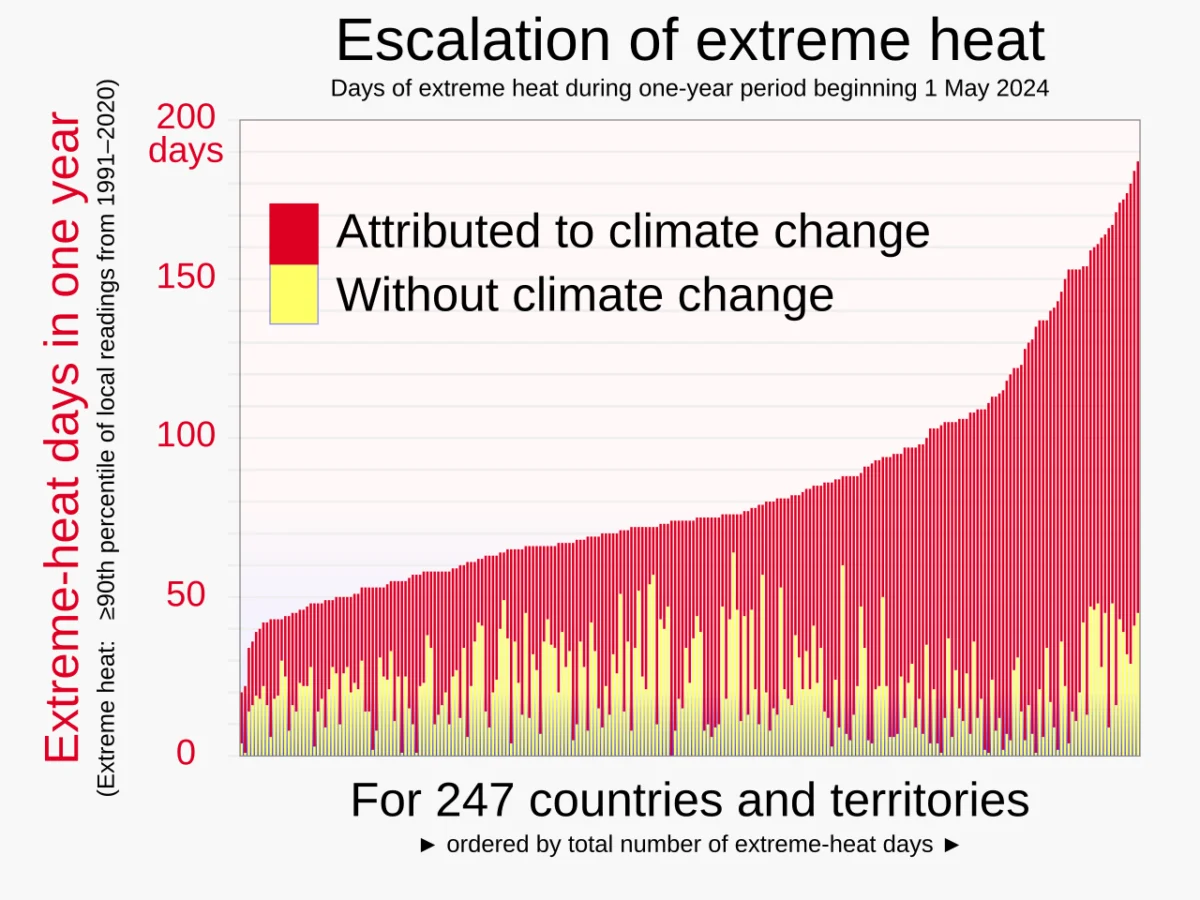
The heatwave is being driven by a "heat dome" phenomenon, the second such event to strike the European continent in just two months. This meteorological occurrence happens when a high-pressure system traps hot ocean air like a lid or cap, causing temperatures to soar as the air is compressed. The EU Copernicus Climate Change Service has recently reported that Europe has been warming twice as fast as any other continent since the 1980s, a trend that scientists directly attribute to the accumulation of greenhouse gases in the atmosphere.
Scientific Analysis of the 2026 Heatwave
The increasing frequency and intensity of these events have become a focal point for climate scientists. Richard Allan, a professor of climate science at the University of Reading, noted that while high temperatures in June are not entirely unusual, the consistency with which the UK is now approaching the 40-degree Celsius threshold is a modern phenomenon. Prior to 2022, such temperatures were virtually unprecedented in British recorded history.
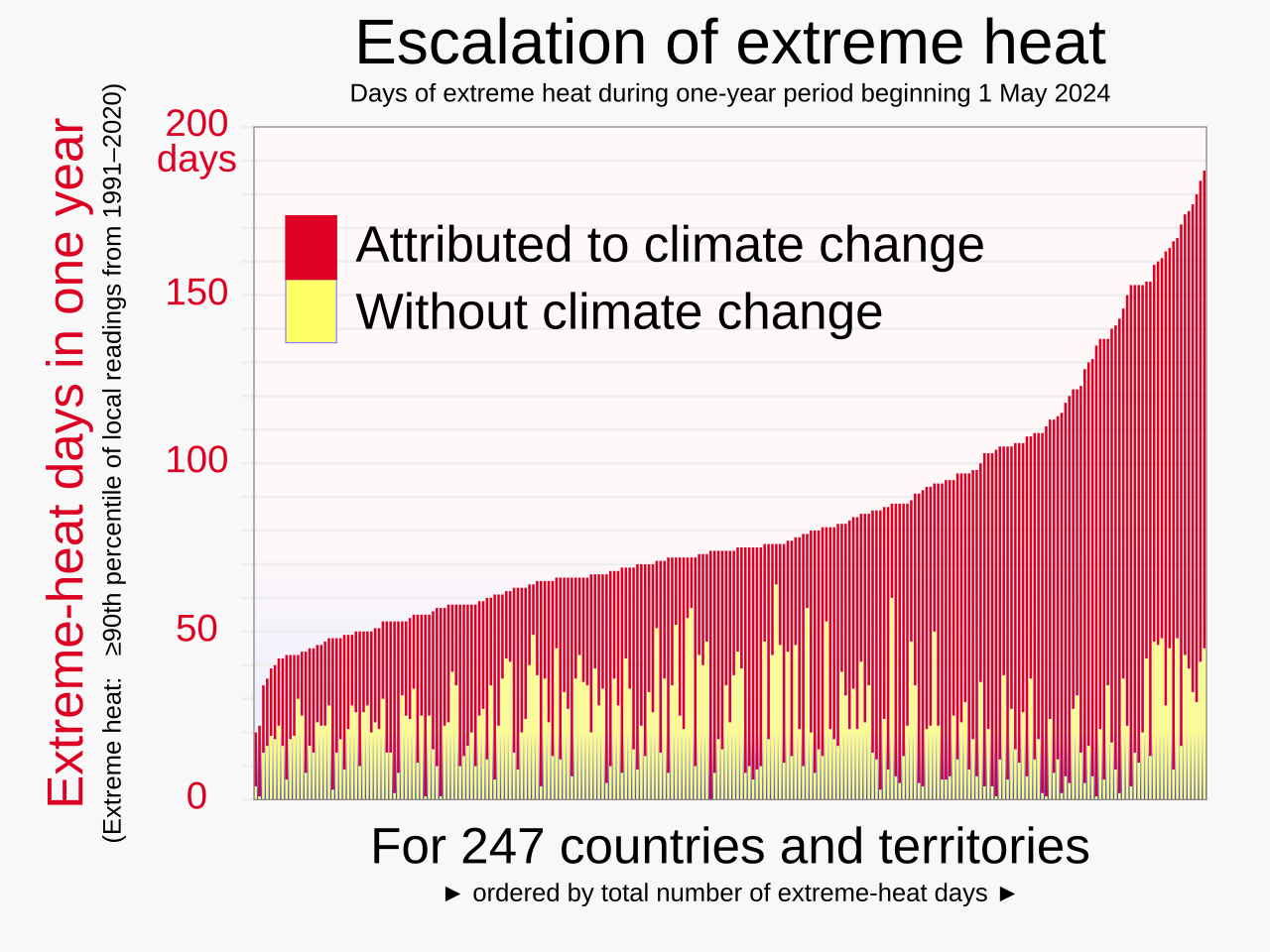
Professor Allan explained that the current heatwave is characterized by a "muggy" heat, which differs from the dry heat experienced in previous months. "It is blindingly obvious that heatwaves will increase in severity as rising greenhouse gases stifle the planet’s ability to lose heat to space," Allan said. He further detailed the secondary effects of a warming atmosphere, noting that a "thirstier" atmosphere accelerates the onset of droughts by pulling moisture from the soil. Conversely, this excess moisture, once stored in the atmosphere, eventually falls as intensified extreme rainfall, leading to flash flooding often sparked by the energy of summer heat.
Political Shifts and the Aberdeen South By-Election
Despite the immediate physical evidence of a changing climate, the political landscape in the United Kingdom is undergoing a significant shift toward fossil fuel advocacy. In a landmark by-election in the Aberdeen South region of Scotland, the Conservative Party secured a decisive victory last week, marking the first time the party has held the seat in 60 years. The election results have been interpreted by many analysts as a referendum on the future of the North Sea oil and gas industry.
The Conservative campaign, led by party leader Kemi Badenoch, focused heavily on the economic necessity of continued oil and gas extraction. This platform stood in direct opposition to the Labour Party’s proposed bans on new drilling and the Scottish National Party’s (SNP) environmental restrictions. Badenoch, who has moved the Conservative Party away from the net-zero targets established by previous administrations, argued that the fossil fuel industry remains the "economic lifeblood" of Northeast Scotland.
The victory provides a significant boost for the Conservatives, who were removed from national office in 2024 and have faced pressure from right-wing challengers like Nigel Farage’s Reform UK. The Aberdeen South result suggests that for a significant portion of the electorate, immediate economic concerns and energy security outweigh long-term climate policy, even as the physical impacts of climate change become more pronounced.
Re-evaluating the Electric Vehicle Mandate
The tension between economic protectionism and environmental goals is also evident in recent shifts regarding the UK’s transportation sector. Last week, the UK government indicated plans to lower its mandate for electric vehicles (EVs). This move follows intense pressure from manufacturing groups and labor unions, who argue that a rapid transition away from internal combustion engines could jeopardize thousands of jobs in the traditional automotive sector.
Sharon Graham, the general secretary of the Unite union, described the strict adherence to EV mandates as an "act of self-harm" to a sector she termed the "jewel in the crown of UK manufacturing." The union’s position highlights the difficulty of balancing the transition to a green economy with the preservation of existing industrial strengths. However, environmental advocates point out that the transportation sector remains one of the largest sources of carbon dioxide emissions in the UK. The decision to slow the EV transition is seen by many as a contradiction to the government’s stated goals of mitigating the very heatwaves currently taxing the nation’s infrastructure.
Global Context and Voter Behavior
The UK’s current situation mirrors a global trend where economic anxiety frequently overrides environmental concerns at the ballot box. In the United States, recent elections have seen voters prioritize the cost of living and inflation—often symbolized by the price of basic commodities like eggs—over long-term institutional and environmental stability. This "pocketbook voting" has led to the election of leaders who have promised to dismantle environmental regulations in favor of lowering immediate costs for consumers.

In Scotland, the message from the Aberdeen South by-election appears to be similar: a demand for the continuation of the industries that have historically provided regional wealth, regardless of their contribution to global warming. This creates a paradox where the public suffers through record-breaking heat and humidity while simultaneously electing representatives who advocate for the expansion of the fossil fuel activities that scientists identify as the primary cause of such weather extremes.
Economic and Social Implications of Extreme Heat
The economic toll of the red heat warning extends far beyond the immediate healthcare costs. Extreme heat leads to significant productivity losses as outdoor labor becomes impossible and indoor environments without adequate cooling become hazardous. Furthermore, the UK’s infrastructure, much of which was designed for a temperate maritime climate, is under severe threat. Railway tracks are prone to buckling in 39-degree heat, and the National Grid faces immense pressure as demand for cooling surges.
The social implications are equally profound. The Met Office warning emphasizes that "substantial changes in daily routines" are required. This includes the closure of schools that lack air conditioning, the cancellation of public events, and a shift in working hours to avoid the midday sun. For the elderly and those with underlying health conditions, these heat events are increasingly becoming life-threatening, necessitating a more robust social care response.
Conclusion: The Widening Gap Between Science and Policy
As the UK prepares for a historic temperature spike this week, the disconnect between scientific reality and political direction has never been more apparent. While climate scientists at the University of Reading and the EU Copernicus service provide clear data on the trajectory of global warming, the political victories of pro-drilling candidates and the rollback of EV mandates suggest a public and political retreat from aggressive climate action.
The 2026 heatwave serves as a stark reminder of the physical limits of the human body and the fragility of modern infrastructure. However, the recent electoral trends in Scotland and policy shifts in London indicate that the path toward a sustainable, low-carbon future remains fraught with economic and political obstacles. As temperatures nudge toward 40 degrees Celsius, the UK finds itself at a crossroads, balancing the immediate demands of its industrial economy against the increasingly urgent need for a resilient and habitable environment.
